WooCommerce Custom Development: Your Complete Guide to Building E-Commerce Solutions in 2026
The e-commerce landscape is more competitive and dynamic than ever. As we approach 2026, businesses are no longer content with off-the-shelf solutions; they demand highly customized, scalable, and performant online stores that truly reflect their brand identity and operational nuances. This is where WooCommerce custom development shines. Far beyond a simple plugin, WooCommerce, when expertly tailored, transforms WordPress into a robust, enterprise-grade e-commerce platform capable of handling complex business logic, diverse product catalogs, and high-volume transactions.
As a senior full-stack developer with years of experience building bespoke e-commerce solutions, I've seen firsthand how a well-executed custom WooCommerce store can be a game-changer. It's not just about adding features; it's about optimizing workflows, enhancing user experience, and integrating seamlessly with existing business systems. This comprehensive guide will delve into the practicalities of mastering WooCommerce custom development, covering everything from foundational concepts and advanced customization techniques to performance optimization and future-proofing your e-commerce platform. Whether you're a developer looking to deepen your expertise or a business owner seeking to understand the true potential of a tailored WooCommerce solution, you're in the right place.
Why WooCommerce Custom Development is Crucial in 2026
The e-commerce market is projected to reach over $7 trillion globally by 2026, with a significant portion still powered by platforms like WooCommerce. However, generic installations often fall short of modern demands.
Definition: WooCommerce Custom Development
WooCommerce custom development refers to the process of extending and modifying the core WooCommerce plugin, its themes, and its functionalities to meet specific business requirements that are not available out-of-the-box. This includes creating custom plugins, themes, integrations, and modifying existing code to build a unique and highly optimized online store.
Beyond Standard Features: Tailoring for Competitive Advantage
Off-the-shelf WooCommerce offers a fantastic starting point, but every business has unique needs. Standard features rarely cover complex pricing rules, bespoke product configurators, or highly specific shipping calculations. This is where a custom WooCommerce store gains its competitive edge. Imagine a store selling personalized jewelry that requires a multi-step design process, or a B2B platform with tiered pricing based on customer groups and order volume. These scenarios demand deep customization far beyond what a theme or a pre-built plugin can offer. My team and I have tackled numerous such challenges, building sophisticated systems that drive efficiency and sales. You can see some of our complex e-commerce projects on our /projects page.
Performance and Scalability: Preparing for High Traffic
A common misconception is that WordPress and WooCommerce cannot scale. While a poorly built site can indeed falter under load, expert WooCommerce custom development prioritizes performance from the ground up. This involves optimized database queries, efficient code, proper caching strategies, and leveraging modern infrastructure. According to a 2025 e-commerce report, page load time remains a critical factor, with a 1-second delay often leading to a 7% reduction in conversions. Custom solutions allow us to fine-tune every aspect, ensuring your store remains fast and responsive even during peak traffic, like flash sales or holiday rushes.
Seamless Integrations: The E-commerce Ecosystem
Modern e-commerce doesn't exist in a vacuum. It integrates with ERPs, CRMs, marketing automation platforms, inventory management systems, and accounting software. A key aspect of WooCommerce custom development is building robust, secure integrations. This often involves API development, webhooks, and custom data synchronization scripts. For instance, integrating with a third-party logistics (3PL) provider requires precise data exchange for order fulfillment and tracking. We often utilize frameworks like Laravel for building custom API endpoints that interact with WooCommerce, ensuring data consistency and real-time updates across the entire business ecosystem.
Core Pillars of WooCommerce Custom Development
Building a bespoke WooCommerce solution requires expertise across several interconnected domains.
Custom Theme Development: Branding and User Experience
While many fantastic WooCommerce themes exist, a truly unique brand experience often necessitates a custom theme. This isn't just about aesthetics; it's about optimizing the user journey, improving conversion rates, and ensuring mobile responsiveness.
Code Example: Registering a Custom Theme Support
When building a custom theme, always declare WooCommerce support in your functions.php:
// In functions.php of your custom theme
function my_custom_theme_setup() {
    add_theme_support( 'woocommerce' );
    // Add other theme supports like product galleries, etc.
    add_theme_support( 'wc-product-gallery-zoom' );
    add_theme_support( 'wc-product-gallery-lightbox' );
    add_theme_support( 'wc-product-gallery-slider' );
}
add_action( 'after_setup_theme', 'my_custom_theme_setup' );

// Enqueue custom styles and scripts
function my_custom_woocommerce_scripts() {
    wp_enqueue_style( 'my-woocommerce-style', get_template_directory_uri() . '/css/woocommerce-custom.css' );
    wp_enqueue_script( 'my-woocommerce-script', get_template_directory_uri() . '/js/woocommerce-custom.js', array( 'jquery' ), '1.0.0', true );
}
add_action( 'wp_enqueue_scripts', 'my_custom_woocommerce_scripts' );
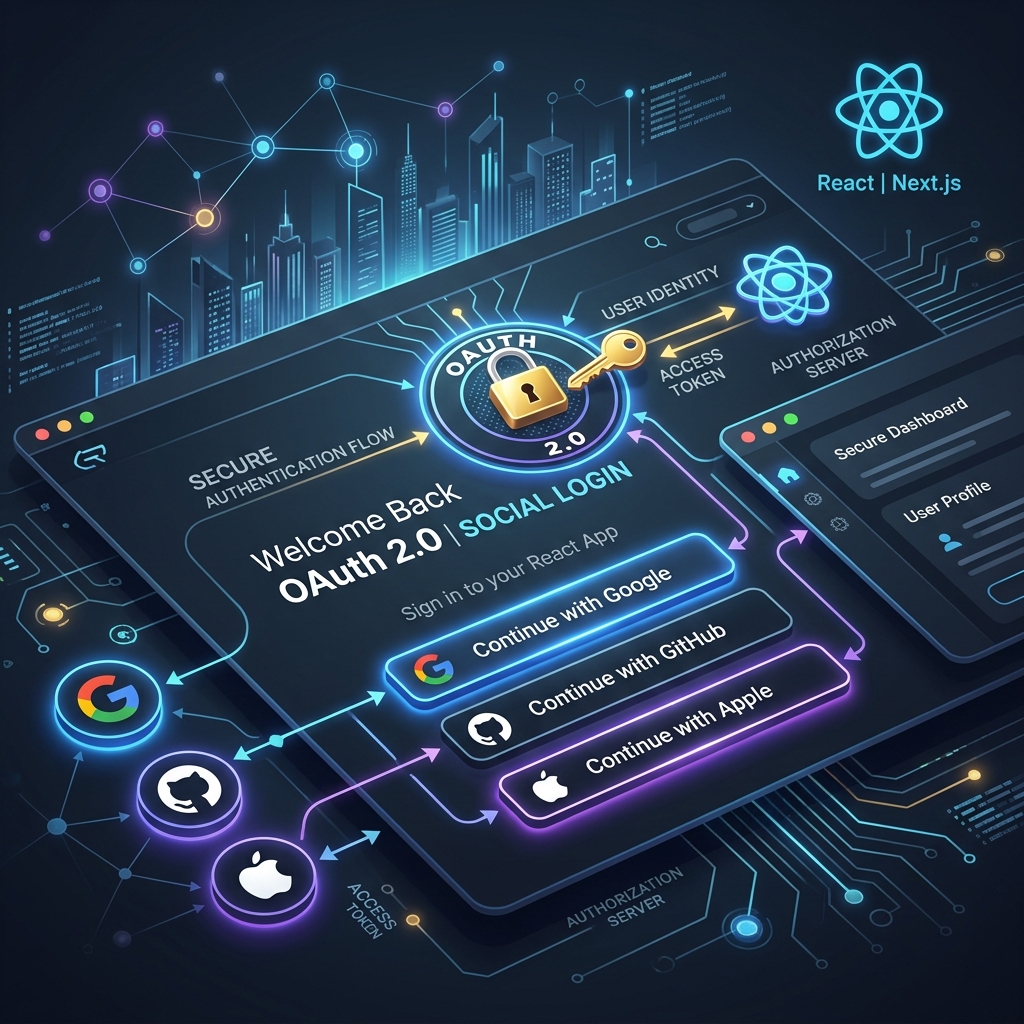
This ensures WooCommerce templates are loaded correctly and allows for extensive customization of product pages, cart, and checkout flows. We often use modern front-end frameworks like React or Next.js for highly interactive components within a custom theme, leveraging the WordPress REST API for data.
WooCommerce Plugin Development: Extending Functionality
The real power of WooCommerce custom development lies in creating bespoke plugins. This allows for adding specific features without modifying core files, ensuring update safety and maintainability. A WooCommerce plugin development project could involve:
- Custom Product Types: Beyond simple, variable, grouped, and external products, you might need a "bundle product" where users select components, or a "subscription product" with unique billing cycles.
- Advanced Pricing Rules: Tiered pricing, quantity discounts, role-based pricing, or dynamic pricing based on specific conditions.
- Custom Shipping Methods: Integrating with specific carriers, complex rate calculations based on weight, dimensions, destination, and even time of day.
- Checkout Field Customization: Adding, removing, or reordering fields at checkout, often with conditional logic.
Code Example: Creating a Simple Custom Product Type
This is a simplified example to illustrate the concept. A full implementation would be more complex.
// In your custom plugin file (e.g., my-custom-product-type/my-custom-product-type.php)

/**
 * Plugin Name: My Custom Product Type
 * Description: Adds a custom product type to WooCommerce.
 * Version: 1.0
 * Author: Your Name
 */

// Register the custom product type
function register_my_custom_product_type() {
    class WC_Product_Custom extends WC_Product {
        public function get_type() {
            return 'custom_product';
        }
    }
}
add_action( 'plugins_loaded', 'register_my_custom_product_type' );

// Add 'Custom Product' to the product type dropdown
function add_my_custom_product_type( $types ) {
    $types[ 'custom_product' ] = __( 'Custom Product', 'text-domain' );
    return $types;
}
add_filter( 'product_type_selector', 'add_my_custom_product_type' );

// Add custom fields for this product type (meta boxes, etc. - omitted for brevity)
// ...
This foundation allows us to build highly specialized product experiences, which are crucial for niche e-commerce businesses. For more in-depth examples, you can explore the official WooCommerce developer resources here.
WooCommerce Payment Integration: Secure Transactions
Secure and diverse payment options are non-negotiable. While WooCommerce supports many gateways, custom integrations might be needed for specific local payment methods, B2B invoicing, or unique subscription billing models. A well-executed WooCommerce payment integration involves:
- API Development: Interfacing with payment gateway APIs, often requiring secure tokenization and callback handling.
- Frontend Integration: Customizing the checkout experience to guide users through the payment process.
- Error Handling: Robust mechanisms for managing failed transactions, refunds, and chargebacks.
Leveraging modern PHP practices and secure coding standards, we ensure that all payment data is handled with the utmost care, adhering to PCI DSS compliance whenever applicable.
Advanced Customization Techniques for 2026
Staying ahead means leveraging advanced techniques that push the boundaries of what WooCommerce can do.
Headless WooCommerce with Next.js/React
For ultimate performance, scalability, and front-end flexibility, headless WooCommerce is gaining significant traction. This involves decoupling the front-end (built with frameworks like Next.js or React) from the back-end (WordPress/WooCommerce serving data via its REST API or GraphQL).
Benefits of Headless:
| Feature | Traditional WooCommerce | Headless WooCommerce (e.g., Next.js) |
| Performance | Can be good, but limited by WordPress overhead | Superior, with server-side rendering (SSR) and static site generation (SSG) options |
| Scalability | Scales with hosting, but can hit bottlenecks | Highly scalable; front-end and back-end can scale independently |
| Developer Experience | PHP-centric, WordPress ecosystem | Modern JavaScript ecosystem (React, Vue, etc.) |
| SEO | Good out-of-the-box | Excellent with SSR/SSG, fine-grained control |
| Flexibility | Limited by theme/plugin architecture | Unlimited front-end design and UX possibilities |
When we build headless solutions, we often use the WordPress REST API or GraphQL plugins to expose WooCommerce data.
Code Example: Fetching Products in Next.js (Simplified)
// pages/products.js in a Next.js application

import React, { useEffect, useState } from 'react';
import axios from 'axios';

const ProductsPage = () => {
  const [products, setProducts] = useState([]);
  const [loading, setLoading] = useState(true);
  const WOOCOMMERCE_API_URL = 'https://yourdomain.com/wp-json/wc/v3'; // Or custom GraphQL endpoint
  const CONSUMER_KEY = 'YOUR_CONSUMER_KEY';
  const CONSUMER_SECRET = 'YOUR_CONSUMER_SECRET';

  useEffect(() => {
    const fetchProducts = async () => {
      try {
        const response = await axios.get(`${WOOCOMMERCE_API_URL}/products`, {
          auth: {
            username: CONSUMER_KEY,
            password: CONSUMER_SECRET
          }
        });
        setProducts(response.data);
      } catch (error) {
        console.error('Error fetching products:', error);
      } finally {
        setLoading(false);
      }
    };
    fetchProducts();
  }, []);

  if (loading) return <p>Loading products...</p>;

  return (
    <div>
      <h1>Our Products</h1>
      <ul>
        {products.map(product => (
          <li key={product.id}>
            <h2>{product.name}</h2>
            <p>{product.price}</p>
            {/* Render other product details */}
          </li>
        ))}
      </ul>
    </div>
  );
};

export default ProductsPage;
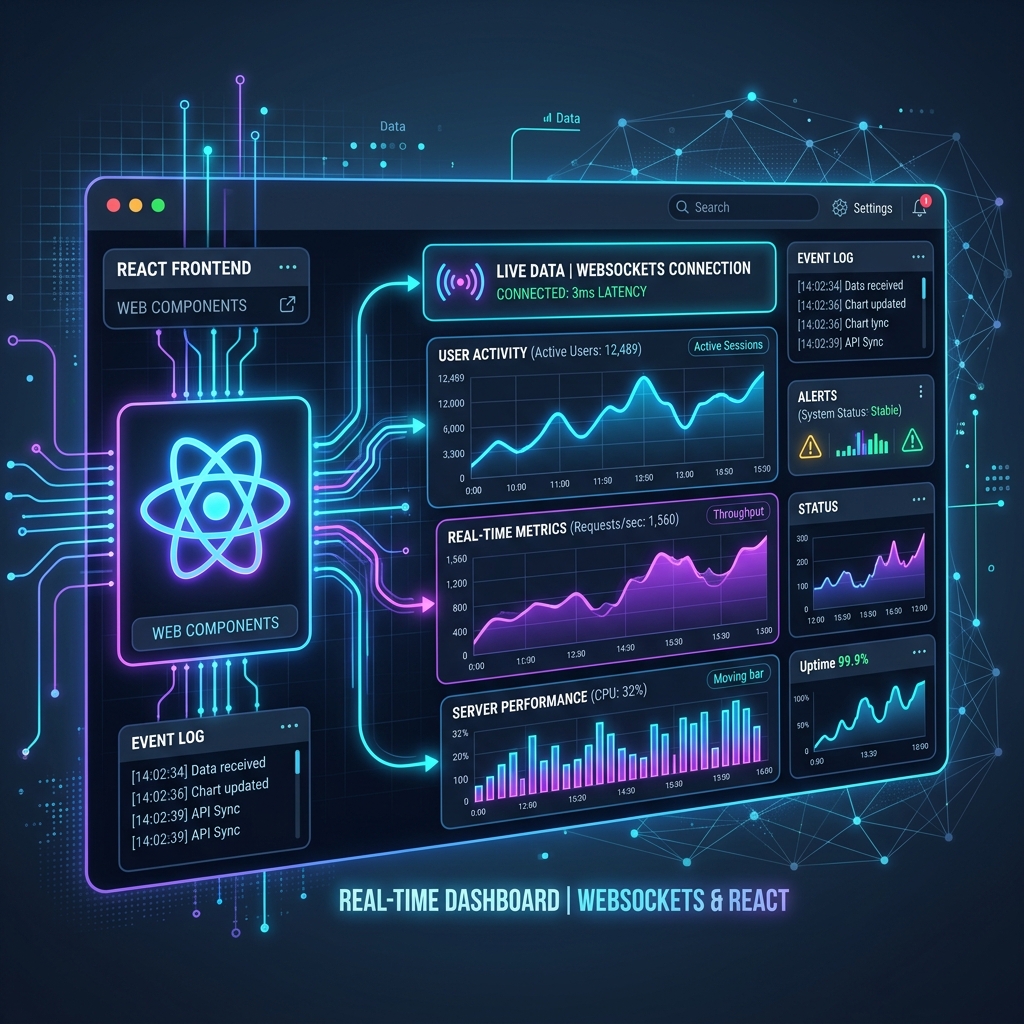
This approach allows for incredibly fast interfaces and complex interactions, providing a superior user experience. It's a key part of our strategy when building high-performance e-commerce WordPress sites.
Database Optimization and Custom Tables
For very large catalogs or complex data structures, relying solely on WooCommerce's default wpposts and wppostmeta tables can lead to performance bottlenecks. Expert WooCommerce custom development often involves creating custom database tables for specific data.
When to use Custom Tables:
- Large, non-post related data: E.g., custom product attributes with millions of entries, extensive order logs, or unique user profiles.
- Complex relationships: Data that doesn't fit naturally into WordPress's hierarchical post structure.
- Performance-critical queries: When you need to perform highly optimized searches or reports that would be slow on meta tables.
Code Example: Creating a Custom Database Table
// In your custom plugin activation hook
function my_custom_plugin_activate() {
    global $wpdb;
    $table_name = $wpdb->prefix . 'my_custom_data'; // Always use $wpdb->prefix

    $charset_collate = $wpdb->get_charset_collate();

    $sql = "CREATE TABLE $table_name (
        id bigint(20) NOT NULL AUTO_INCREMENT,
        product_id bigint(20) NOT NULL,
        custom_field_1 varchar(255) NOT NULL,
        custom_field_2 text,
        created_at datetime DEFAULT CURRENT_TIMESTAMP NOT NULL,
        PRIMARY KEY  (id),
        KEY product_id (product_id)
    ) $charset_collate;";

    require_once( ABSPATH . 'wp-admin/includes/upgrade.php' );
    dbDelta( $sql );
}
register_activation_hook( __FILE__, 'my_custom_plugin_activate' );
This allows for more efficient data storage and retrieval, crucial for scaling an e-commerce WordPress solution.
Maintaining and Future-Proofing Your Custom WooCommerce Store
Building is only half the battle; maintaining and evolving your custom store is equally important.
Version Control and Deployment Strategies
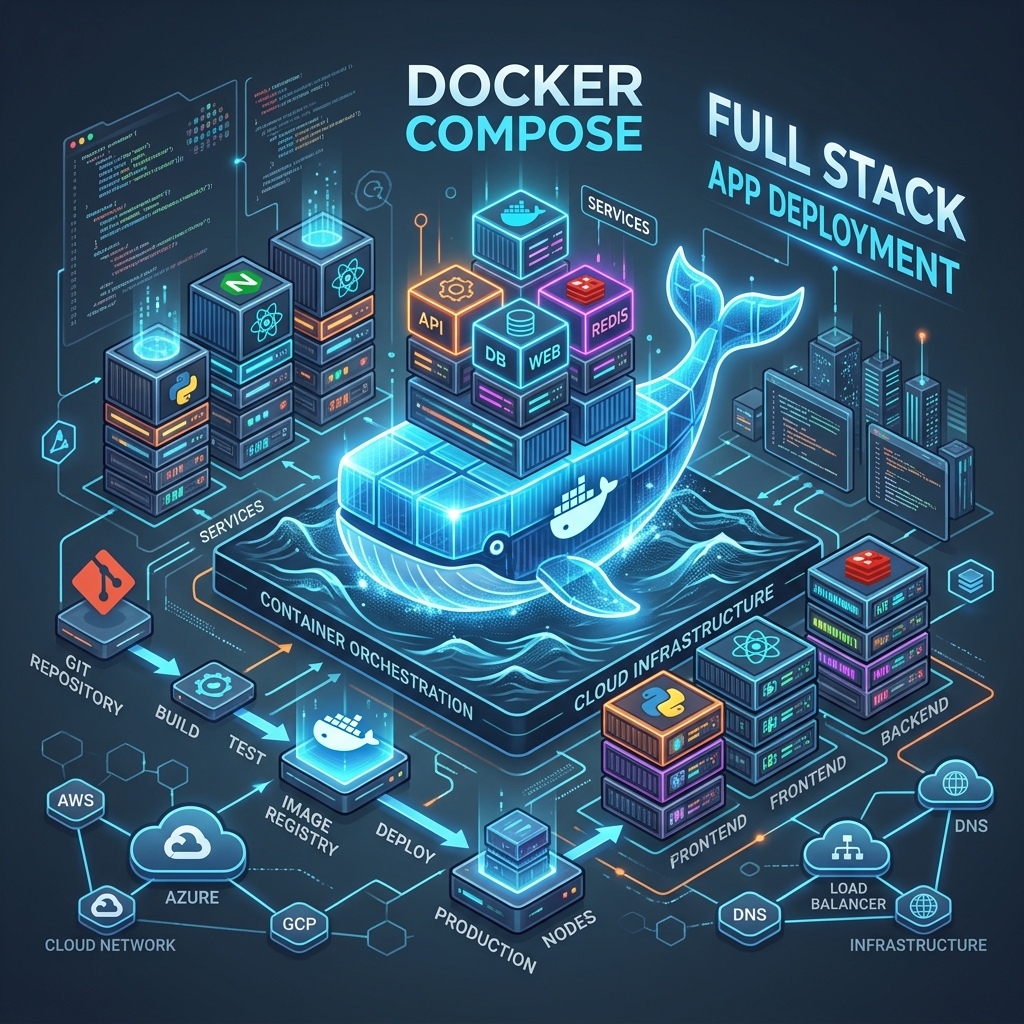
Any serious WooCommerce custom development project must use robust version control (Git is indispensable) and a streamlined deployment pipeline. This ensures code integrity, facilitates team collaboration, and enables safe, repeatable deployments. We typically use Git repositories, staging environments, and automated deployment tools to push changes to production. This minimizes downtime and reduces the risk of errors.
Regular Updates and Security Audits
WooCommerce, WordPress, and all plugins receive regular updates, often including critical security patches. Ignoring these can leave your store vulnerable. A custom solution needs a strategy for applying these updates without breaking custom code. This involves thorough testing in staging environments. Regular security audits, penetration testing, and adherence to best practices like using strong passwords and SSL are paramount. A 2025 cyber-security report indicated that e-commerce platforms are among the top targets for cyberattacks, emphasizing the need for continuous vigilance.
Documentation and Knowledge Transfer
For any complex custom project, comprehensive documentation is vital. This includes code comments, API documentation, and detailed explanations of custom logic. This ensures that future developers (or your own team) can understand, maintain, and extend the system effectively. As part of our commitment to transparency and trustworthiness, we provide extensive documentation for all our custom builds. If you're looking for expert assistance with your e-commerce platform, feel free to /contact us.
Key Takeaways
- WooCommerce custom development is essential for building unique, scalable, and high-performing e-commerce solutions in 2026.
- It goes beyond themes and off-the-shelf plugins, focusing on bespoke functionality, integrations, and performance optimization.
- Key areas include custom theme development for branding, custom plugin development for unique features, and robust WooCommerce payment integration.
- Advanced techniques like headless WooCommerce (with Next.js/React) and custom database tables offer significant performance and flexibility advantages.
- Maintenance, security, and proper development workflows (version control, testing, documentation) are crucial for long-term success.
FAQ: WooCommerce Custom Development
Q1: What is the typical cost range for WooCommerce custom development?
A1: The cost for WooCommerce custom development varies significantly based on complexity, features, integrations, and developer experience. A basic custom store might start from $10,000 - $20,000, while complex enterprise-level solutions with extensive custom plugin development, headless architecture, and multiple integrations can easily range from $50,000 to $200,000+. It's best to get a detailed quote after a thorough discovery phase.
Q2: How long does it take to build a custom WooCommerce store?
A2: The timeline for building a custom WooCommerce store can range from 2-3 months for moderately complex projects to 6-12 months or more for highly customized, large-scale e-commerce platforms. Factors like client feedback cycles, third-party integrations, and the scope of custom plugin development heavily influence the duration.
Q3: Is WooCommerce custom development suitable for large enterprises?
A3: Absolutely. While often associated with small to medium businesses, WooCommerce, when subjected to expert custom development, can be scaled to support large enterprises. This often involves headless architecture, custom database optimizations, robust server infrastructure (like AWS or Google Cloud), and sophisticated integration strategies. Many Fortune 500 companies leverage customized WordPress/WooCommerce installations for specific product lines or regional stores.
Q4: What programming languages and technologies are primarily used in WooCommerce custom development?
A4: The core of WooCommerce and WordPress is built with PHP and MySQL. For custom theme and frontend development, HTML, CSS, and JavaScript (often with modern frameworks like React, Next.js, or Vue.js) are crucial. For complex integrations or custom APIs, frameworks like Laravel (PHP) are frequently utilized. Knowledge of server management (Nginx/Apache), Git for version control, and various API protocols is also essential. You can explore our full tech stack on our /skills page.
Q5: How does custom WooCommerce development compare to SaaS platforms like Shopify Plus?
A5: Custom WooCommerce offers unparalleled flexibility and ownership, allowing businesses to implement virtually any