How to Launch an EdTech Startup in 2026: A Technical Founder's Guide
The education sector, traditionally slow to adopt technological innovation, has been thrust into a digital-first paradigm. While the initial gold rush of remote learning tools has somewhat subsided, the underlying demand for personalized, accessible, and efficient educational experiences continues to accelerate. For technical founders looking to launch an EdTech startup in 2026, this landscape presents both immense opportunities and complex challenges. The question isn't just what to build, but how to build it resiliently, scalably, and with a keen understanding of the unique needs of learners, educators, and institutions.
Navigating the EdTech space requires more than just coding prowess; it demands a deep empathy for the user journey, an understanding of educational pedagogy, and a strategic approach to product development. From student CRMs that streamline admissions processes for international students (think ApplyBoard or Edvoy) to sophisticated learning management systems (LMS) and AI-powered tutoring platforms, the technical decisions made at the outset can dictate the entire trajectory of your venture. This guide, from the perspective of a seasoned full-stack developer who has built and scaled numerous EdTech solutions, will equip you with the practical insights and technical blueprints needed to successfully launch an EdTech startup in 2026.
The 2026 EdTech Landscape: Opportunities and Technical Imperatives
The EdTech market is projected to continue its robust growth. According to HolonIQ, global EdTech expenditure is expected to reach \$404 billion by 2025, with significant investment flowing into AI, personalized learning, and workforce development. For technical founders, this means understanding not just current trends but anticipating future shifts. The imperative is clear: build for scale, leverage data, and prioritize user experience above all else.
Identifying Your Niche and Problem-Solution Fit
Before a single line of code is written, a technical founder must thoroughly understand the problem they are solving. Is it streamlining international student recruitment, like AECC Global? Or providing adaptive learning paths for K-12 students?
- Market Research & Validation: Engage with your target users. Conduct surveys, interviews, and competitive analysis. What are the pain points? What solutions are they currently using, and where do those fall short?
- Defining Your Value Proposition: Clearly articulate how your EdTech solution will be 10x better than existing alternatives. This isn't just about features; it's about the unique educational outcomes or operational efficiencies you deliver.
- Technical Feasibility Assessment: Can your proposed solution be built efficiently with available technologies? What are the potential technical roadblocks, and how can they be mitigated?
Building a Robust and Scalable Architecture
Scalability is paramount in EdTech. A sudden surge in users during an admissions cycle or exam period can cripple an inadequately designed system. Your architecture must be flexible enough to evolve with user needs and technological advancements.
Consider a modular, microservices-oriented approach where different functionalities (e.g., user authentication, course management, payment processing, analytics) are independent services. This allows for easier scaling of individual components and faster development cycles.
// Example: A simplified Laravel microservice for User Authentication
// This would be a separate service, communicating via APIs

// routes/api.php in auth-service
Route::post('/register', [AuthController::class, 'register']);
Route::post('/login', [AuthController::class, 'login']);

// app/Http/Controllers/AuthController.php
namespace App\Http\Controllers;

use Illuminate\Http\Request;
use App\Models\User;
use Illuminate\Support\Facades\Hash;
use Illuminate\Validation\ValidationException;

class AuthController extends Controller
{
    public function register(Request $request)
    {
        $request->validate([
            'name' => 'required|string|max:255',
            'email' => 'required|string|email|max:255|unique:users',
            'password' => 'required|string|min:8|confirmed',
        ]);

        $user = User::create([
            'name' => $request->name,
            'email' => $request->email,
            'password' => Hash::make($request->password),
        ]);

        return response()->json(['message' => 'User registered successfully', 'user' => $user], 201);
    }

    // ... login method
}
This modularity, often implemented using frameworks like Laravel for backend services and Next.js/React for the frontend, ensures that your system can handle growth. For data storage, a combination of SQL (e.g., MySQL or PostgreSQL) for structured data (user profiles, course details) and NoSQL (e.g., MongoDB, Redis) for unstructured or rapidly changing data (activity logs, real-time analytics) can offer the best of both worlds.
Crafting Your EdTech MVP: Lean Development for Maximum Impact
The concept of a Minimum Viable Product (MVP) is even more critical in EdTech. Launching an edtech MVP launch allows you to gather real user feedback, validate assumptions, and iterate quickly without over-investing in features that users might not need.
Core Features vs. Nice-to-Haves
- Identify the "Must-Haves": What is the absolute core functionality that solves the primary problem? For a student CRM, it might be student profile management, application tracking, and basic communication. For a learning platform, it's course content delivery and progress tracking.
- Prioritize ruthlessly: Avoid feature creep. Each feature adds complexity, development time, and potential bugs. Focus on delivering a polished experience for a very narrow set of functionalities.
- User Stories & Acceptance Criteria: Clearly define user stories for your MVP features. For example: "As a student, I want to view my application status so I can track my progress." Each story should have clear acceptance criteria.
Technology Stack Selection for Your EdTech MVP
Choosing the right tech stack for your edtech MVP launch is a strategic decision that impacts development speed, scalability, and long-term maintenance. As a full-stack developer, I often lean towards battle-tested, community-supported technologies.
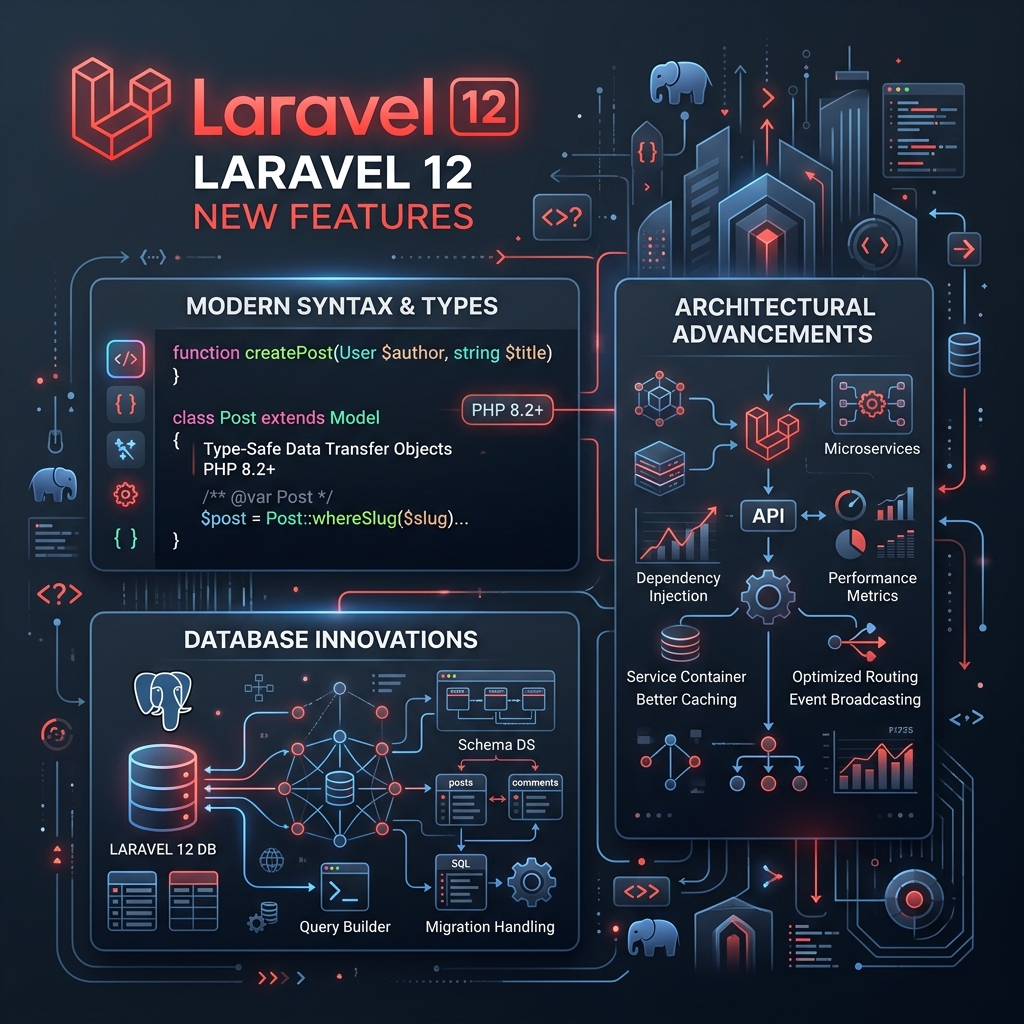
- Backend: PHP with Laravel is an excellent choice for rapid development, robust security features, and a thriving ecosystem. Python with Django or Node.js with Express are also strong contenders, especially if AI/ML integration is a core component.
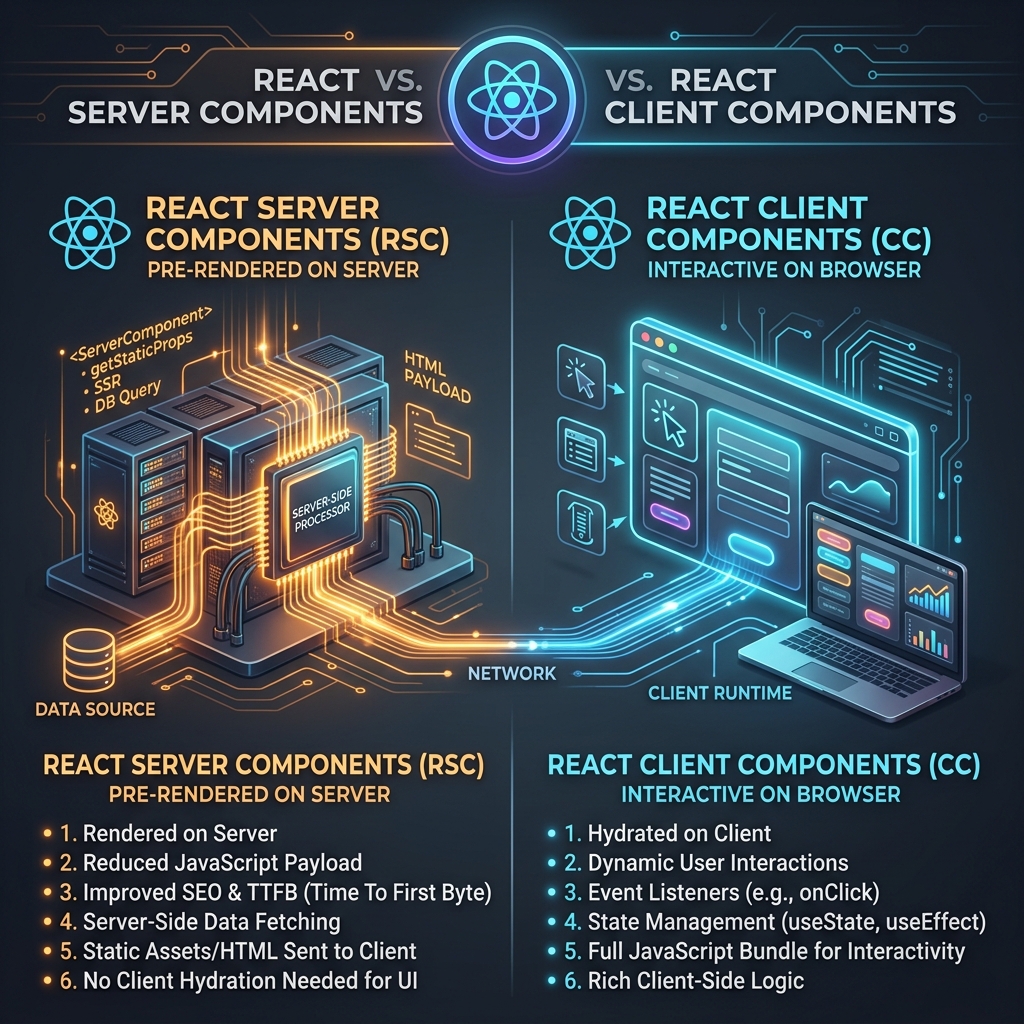
- Frontend: React or Next.js (built on React) provides a highly performant and interactive user interface. Next.js offers server-side rendering (SSR) and static site generation (SSG) benefits, which are great for SEO and initial page load times.
- Database: MySQL or PostgreSQL are reliable relational databases for most EdTech applications. AWS RDS or Google Cloud SQL can manage the infrastructure for you.
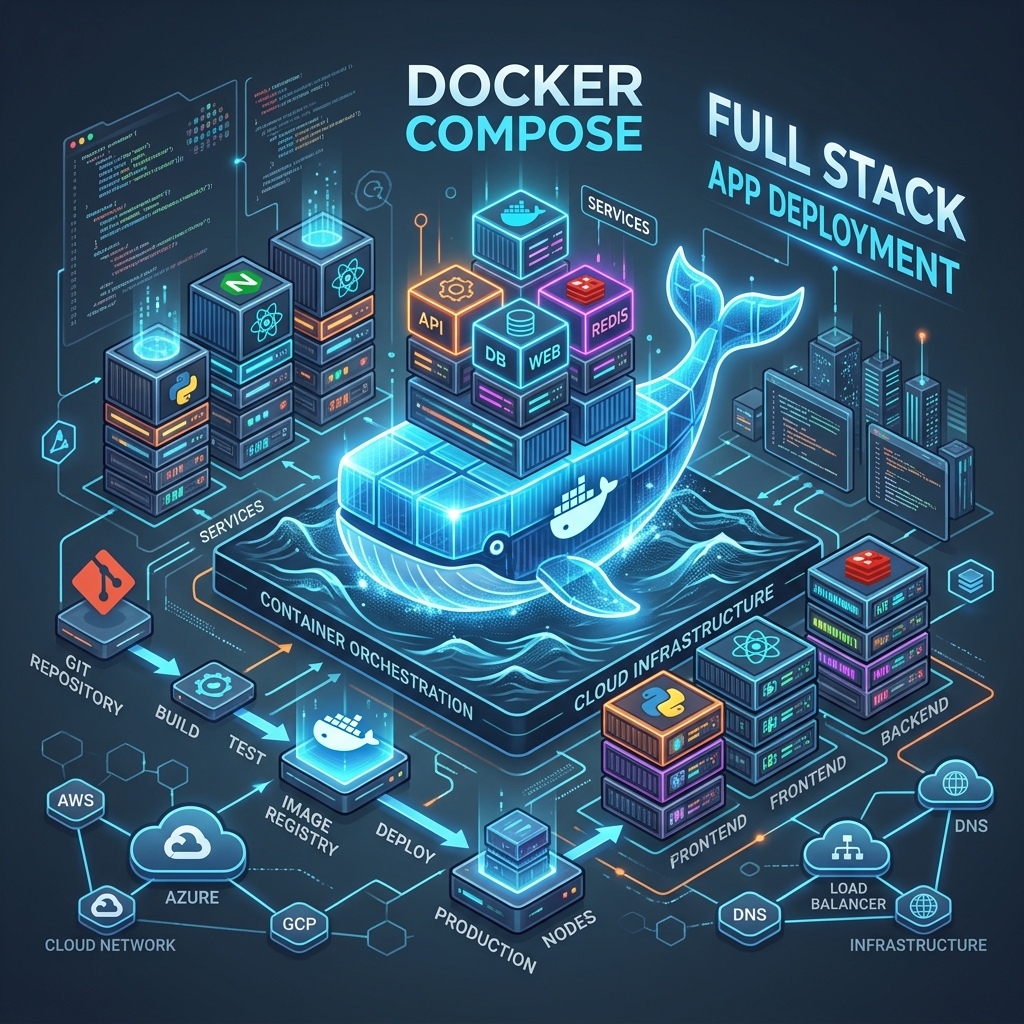
- Cloud Infrastructure: AWS, Google Cloud Platform (GCP), or Microsoft Azure provide scalable computing, storage, and networking services. Start with basic EC2 instances or App Engine/Cloud Run for serverless deployments.
// Example: Basic Next.js component structure for a student dashboard
// components/StudentDashboard.js
import React from 'react';

const StudentDashboard = ({ studentData }) => {
  return (
    <div className="p-6">
      <h1 className="text-3xl font-bold mb-4">Welcome, {studentData.name}!</h1>
      <div className="grid grid-cols-1 md:grid-cols-2 gap-4">
        <div className="bg-white p-4 rounded shadow">
          <h2 className="text-xl font-semibold mb-2">My Applications</h2>
          <ul>
            {studentData.applications.map(app => (
              <li key={app.id} className="mb-2">
                <span className="font-medium">{app.university}</span>: {app.status}
              </li>
            ))}
          </ul>
        </div>
        <div className="bg-white p-4 rounded shadow">
          <h2 className="text-xl font-semibold mb-2">Upcoming Deadlines</h2>
          {/* Render upcoming deadlines */}
        </div>
      </div>
    </div>
  );
};

export default StudentDashboard;
When building your edtech MVP launch, focus on clean code, automated testing, and continuous integration/continuous deployment (CI/CD) pipelines from day one. This sets the foundation for a maintainable and scalable product.
Data Security, Privacy, and Compliance in EdTech
Education data is sensitive. Student records, personal identifiable information (PII), and academic progress require the highest levels of security and privacy. Compliance with regulations like GDPR, FERPA, and COPPA is non-negotiable for any EdTech platform operating globally.
Implementing Robust Security Measures
- Encryption: All data, both in transit (TLS/SSL) and at rest (disk encryption), must be encrypted.
- Access Control: Implement granular role-based access control (RBAC) to ensure users only access the data and functionalities they are authorized for.
- Penetration Testing & Vulnerability Scans: Regularly audit your system for security vulnerabilities. Consider engaging ethical hackers.
- Secure Coding Practices: Train your development team on OWASP Top 10 vulnerabilities and secure coding principles. Laravel's built-in security features (CSRF protection, XSS filtering, Eloquent ORM for SQL injection prevention) are a great starting point, but vigilance is key.
Navigating Data Privacy Regulations
Understanding and adhering to data privacy laws is crucial for trustworthiness. Ignorance is not an excuse, and penalties can be severe.
- GDPR (General Data Protection Regulation): Essential for any EdTech serving users in the EU. Focus on consent, data minimization, and the right to be forgotten.
- FERPA (Family Educational Rights and Privacy Act): Applies to educational institutions in the US and any EdTech handling student education records.
- COPPA (Children's Online Privacy Protection Act): Protects the online privacy of children under 13. If your platform targets this age group, strict parental consent mechanisms are required.
Build privacy by design into your system from the ground up. This means considering privacy implications at every stage of development. For example, anonymize or pseudonymize data whenever possible for analytics.
Growth and Iteration: Beyond the EdTech MVP
Launching your edtech MVP launch is just the beginning. The real work starts with gathering user feedback, analyzing data, and continuously iterating your product. This agile approach is fundamental to long-term success.
Leveraging Analytics for Informed Decisions
Integrate robust analytics tools (e.g., Google Analytics, Mixpanel, Amplitude) to track user engagement, feature usage, and conversion funnels.
- Key Performance Indicators (KPIs): Define what success looks like. For a learning platform, it might be course completion rates, active daily users, or time spent learning. For an admissions CRM, it could be application submission rates or student conversion from lead to enrollment.
- A/B Testing: Experiment with different features, UI elements, or messaging to optimize user experience and educational outcomes.
- Feedback Loops: Implement in-app feedback mechanisms, surveys, and user interviews to understand qualitative insights.
Scaling Your EdTech Startup
As your user base grows, your technical infrastructure must scale alongside it.
- Cloud Services: Leverage the elasticity of cloud providers. Use auto-scaling groups for compute instances (e.g., AWS EC2 Auto Scaling), managed databases (AWS RDS), and serverless functions (AWS Lambda, Google Cloud Functions) for event-driven tasks.
- Content Delivery Networks (CDNs): For platforms with rich media (videos, images), CDNs like Cloudflare or AWS CloudFront distribute content globally, reducing latency and improving load times for users worldwide.
- Database Optimization: Regularly review and optimize database queries. Implement caching strategies (e.g., Redis) to reduce database load.
// Example: Caching a frequently accessed list of courses in Laravel
// app/Http/Controllers/CourseController.php

use Illuminate\Support\Facades\Cache;

class CourseController extends Controller
{
    public function index()
    {
        $courses = Cache::remember('all_courses', 60*60, function () { // Cache for 1 hour
            return Course::with('instructor')->get();
        });

        return response()->json($courses);
    }
}
This simple caching mechanism can significantly reduce database hits for frequently requested data, improving performance and scalability.
Building a Strong Technical Team
Your team is your greatest asset. Hire developers who are not only technically proficient but also passionate about education and problem-solving. Foster a culture of continuous learning, collaboration, and psychological safety. As your EdTech grows, you might need specialized roles: DevOps engineers, data scientists, UX/UI designers, and quality assurance testers.
Key Takeaways for Launching an EdTech Startup in 2026
- Problem-First Approach: Solve a real, pressing problem in education with a clearly defined value proposition.
- Strategic MVP: Launch a lean, focused MVP to validate your concept and gather early feedback.
- Scalable Architecture: Design your system for growth from day one, leveraging modularity and cloud-native services.
- Security & Compliance: Prioritize data privacy (GDPR, FERPA, COPPA) and robust security measures.
- Data-Driven Iteration: Use analytics and user feedback to continuously improve your product.
- Strong Team: Build a passionate and skilled technical team committed to your EdTech mission.
- Community Engagement: Engage with the EdTech community, attend conferences (virtual or in-person), and seek mentorship.
FAQ
Q1: What are the most critical technologies for an EdTech startup in 2026?
A1: For backend, Laravel (PHP) or Django (Python) for rapid development and robustness. For frontend, Next.js/React for interactive UIs and SEO. Cloud platforms like AWS or GCP for scalability. AI/ML frameworks (e.g., TensorFlow, PyTorch) are becoming essential for personalization and adaptive learning features.
Q2: How much capital do I need for an EdTech MVP launch?
A2: This varies widely. A bootstrapped MVP with a lean team could start with \$20k-\$50k for basic development and cloud hosting. If you're hiring a small team or agency, costs can quickly escalate to \$100k-\$300k+. Focus on minimizing features to reduce initial costs.
Q3: What are common pitfalls for technical founders in EdTech?
A3: Feature creep (building too much too soon), underestimating the complexity of educational content, neglecting user experience, ignoring data privacy regulations, and failing to secure early adopters for feedback.
Q4: Should I outsource development for my EdTech MVP?
A4: Outsourcing can accelerate development, but it requires careful management. Ensure clear communication, a well-defined scope, and technical oversight. For an MVP, having a technical co-founder or an internal lead developer is highly recommended to maintain product vision and quality.
Q5: How can I differentiate my EdTech startup in a crowded market?
A5: Focus on a specific niche, offer a truly unique learning experience (e.g., AI-powered adaptive learning, immersive VR/AR content), provide exceptional user support, leverage strong community features, or solve a highly specific operational problem for institutions.
Looking to build an EdTech platform, student CRM, or admission management system? I specialize in developing scalable education technology solutions using Laravel, React, and cloud infrastructure. Whether you're a study-abroad agency, EdTech startup, or university looking for custom software development, blank" rel="noopener noreferrer" style="color: var(--primary); text-decoration: none; border-bottom: 1px dashed var(--primary);">let's discuss your project. Check out my portfolio and technical expertise to see how I can help bring your vision to life.