Building a Robust Ticket Booking System: A Full-Stack Developer's Guide
In today's digital-first world, the ability to seamlessly book tickets online is no longer a luxury, but a fundamental expectation. From concerts and sporting events to cinema screenings and travel, a well-engineered ticket booking system is the backbone of countless businesses. As a senior full-stack developer with years of hands-on experience building scalable web applications, I've navigated the complexities of developing these intricate platforms. This guide will walk you through the essential architectural considerations, technological choices, and practical implementation steps required for successful ticket booking system development.
The demand for efficient, secure, and user-friendly online booking solutions continues to surge. Industry reports suggest that the global online event ticketing market is projected to reach nearly \$90 billion by 2026, growing at a CAGR of over 7% from 2021. This growth underscores the critical need for businesses to invest in robust platforms. Whether you're building an event booking platform for a stadium, a small theater, or a multi-venue enterprise, understanding the core components and best practices is paramount. We’ll delve into everything from real-time availability management to secure payment gateway integration and scalable booking API design.
Architecting Your Ticket Booking System: Core Components & Considerations
A robust ticket booking system isn't just a simple form; it's a complex ecosystem of interconnected services. Before writing a single line of code, a well-thought-out architectural plan is crucial. This involves defining the core modules, data flows, and technology stack that will underpin your entire application.
Understanding the Key Modules
At its heart, a ticket booking system comprises several distinct but interdependent modules. Each plays a vital role in the overall functionality.
1. Event Management Module: This is where organizers create, edit, and manage events. It includes details like event name, date, time, venue, description, and pricing tiers. For a comprehensive system, you'd also manage event categories, images, and perhaps even speaker/performer profiles.
2. Venue & Seating Management Module: Crucial for any seat reservation system. This module allows administrators to configure venue layouts, define seating zones (e.g., VIP, General Admission), and assign specific seat numbers. It's often represented graphically for intuitive setup.
3. User Management Module: Handles user registration, login, profile management, and role-based access control (e.g., customers, event organizers, administrators). Secure authentication and authorization are non-negotiable here.
4. Booking & Reservation Module: The core engine. This module manages the actual ticket selection, temporary seat holds, and final reservation processing. It must handle concurrent requests gracefully to prevent overbooking.
5. Payment Gateway Integration Module: Facilitates secure online payments. This is where you integrate with third-party payment processors like Stripe, PayPal, or local payment solutions.
6. Notification Module: Sends automated confirmations, reminders, and updates via email or SMS.
7. Reporting & Analytics Module: Provides insights into sales, attendance, popular events, and revenue. Essential for business intelligence.
Choosing Your Technology Stack
The choice of technology stack significantly impacts performance, scalability, and development velocity. For a modern, full-stack ticket booking system development, I often recommend a combination of robust backend and flexible frontend frameworks.
- Backend: PHP with Laravel is an excellent choice due to its extensive ecosystem, strong community, and built-in features for API development, authentication, and database management. Alternatively, Node.js with Express.js or Python with Django/Flask are strong contenders.
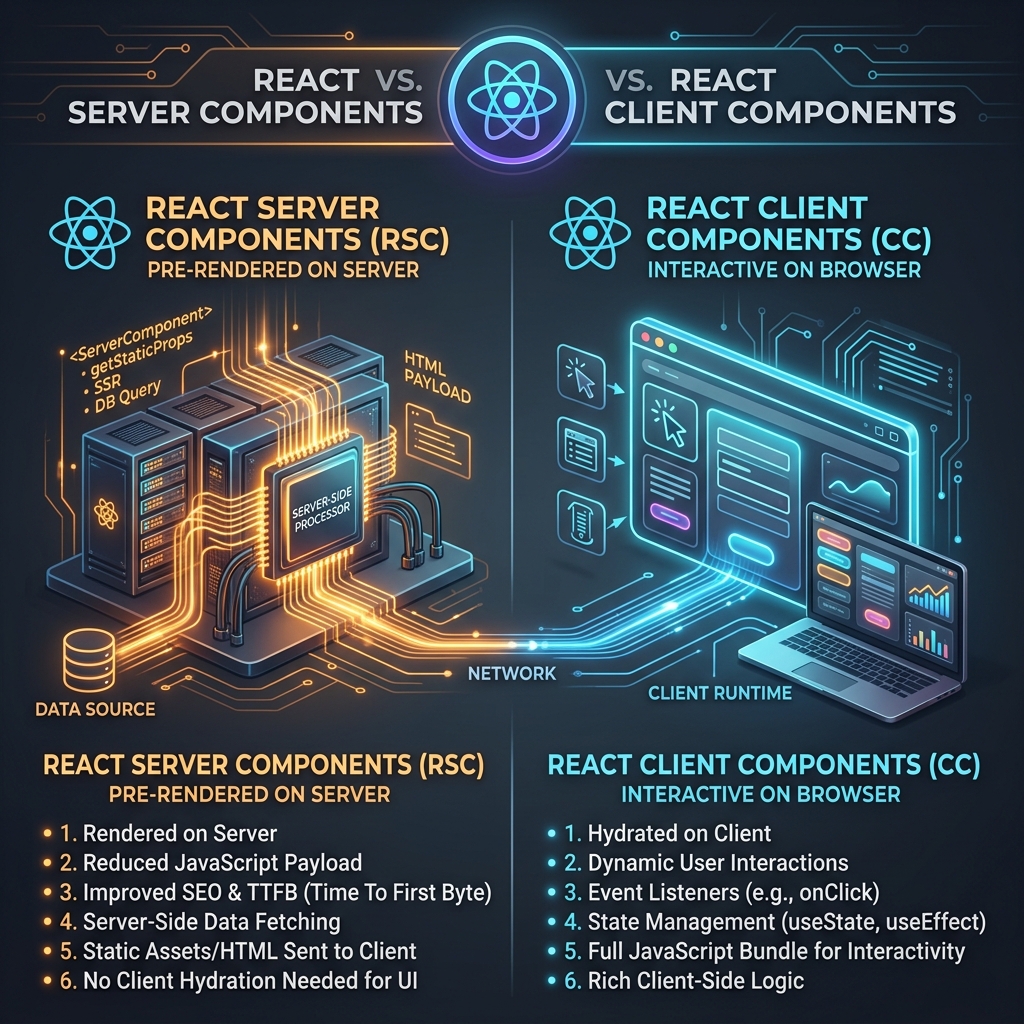
- Frontend: React.js or Next.js (for server-side rendering benefits) paired with a UI library like Tailwind CSS or Material-UI provides a highly interactive and responsive user experience. Vue.js is another solid option.
- Database: MySQL or PostgreSQL are battle-tested relational databases suitable for managing complex data relationships (events, venues, seats, bookings, users). For certain use cases like caching or real-time updates, Redis might also be employed.
- Cloud Infrastructure: AWS, Google Cloud, or Azure offer scalable computing, storage, and networking services essential for deploying and managing a production-grade system.
Here's a simplified example of a Laravel model for an Event:
// app/Models/Event.php
<?php

namespace App\Models;

use Illuminate\Database\Eloquent\Factories\HasFactory;
use Illuminate\Database\Eloquent\Model;

class Event extends Model
{
    use HasFactory;

    protected $fillable = [
        'title',
        'description',
        'start_time',
        'end_time',
        'venue_id',
        'total_tickets',
        'price',
        'status', // e.g., 'upcoming', 'cancelled', 'sold_out'
    ];

    protected $casts = [
        'start_time' => 'datetime',
        'end_time' => 'datetime',
    ];

    public function venue()
    {
        return $this->belongsTo(Venue::class);
    }

    public function tickets()
    {
        return $this->hasMany(Ticket::class);
    }

    // Add methods for checking availability, calculating revenue, etc.
}
Implementing Real-Time Availability and Seat Reservation
The core challenge in ticket booking system development lies in managing real-time availability and preventing overbooking. This requires careful consideration of database transactions and concurrency.
Handling Concurrent Bookings
When multiple users attempt to book the same seat or ticket simultaneously, race conditions can occur. To mitigate this, database transactions are crucial.
1. Seat Locking: When a user selects a seat, it should be temporarily "locked" or marked as "pending" for a short duration (e.g., 5-10 minutes). This prevents other users from selecting the same seat.
2. Atomic Operations: The booking process (checking availability, deducting inventory, creating a reservation) must be an atomic operation. This means it either fully completes or completely fails, leaving the database in a consistent state. Database transactions achieve this.
3. Optimistic vs. Pessimistic Locking:
- Pessimistic Locking: Locks the resource (seat) from the moment it's selected until the transaction is committed or rolled back. This can reduce concurrency.
- Optimistic Locking: Checks if the resource has been modified by another process before committing. If so, the transaction fails, and the user is prompted to re-select. This offers higher concurrency but requires careful error handling.
For a high-traffic seat reservation system, optimistic locking or a combination with short-term pessimistic locks (e.g., using Redis for temporary holds) often provides the best balance.
Here’s a simplified Laravel example for handling a booking transaction:
// app/Services/BookingService.php
<?php

namespace App\Services;

use App\Models\Event;
use App\Models\Ticket;
use App\Models\Booking;
use Illuminate\Support\Facades\DB;
use App\Exceptions\BookingException;

class BookingService
{
    public function bookTicket(int $eventId, int $userId, int $quantity)
    {
        return DB::transaction(function () use ($eventId, $userId, $quantity) {
            $event = Event::lockForUpdate()->findOrFail($eventId); // Pessimistic lock the event row

            if ($event->available_tickets < $quantity) {
                throw new BookingException('Not enough tickets available for this event.');
            }

            // Mark tickets as reserved (or create temporary holds)
            // For simplicity, we'll just decrement available tickets here.
            // In a real system, you'd manage individual seat statuses.
            $event->available_tickets -= $quantity;
            $event->save();

            // Create booking record
            $booking = Booking::create([
                'user_id' => $userId,
                'event_id' => $eventId,
                'quantity' => $quantity,
                'total_amount' => $event->price * $quantity,
                'status' => 'pending_payment',
            ]);

            // Potentially create individual ticket records here
            for ($i = 0; $i < $quantity; $i++) {
                Ticket::create([
                    'booking_id' => $booking->id,
                    'event_id' => $eventId,
                    'seat_number' => null, // If generic tickets
                    'status' => 'reserved',
                    // ... other ticket details
                ]);
            }

            // Return booking for payment processing
            return $booking;
        });
    }
}
Displaying Real-Time Availability on the Frontend
The frontend needs to reflect accurate ticket or seat availability without constant full page reloads.
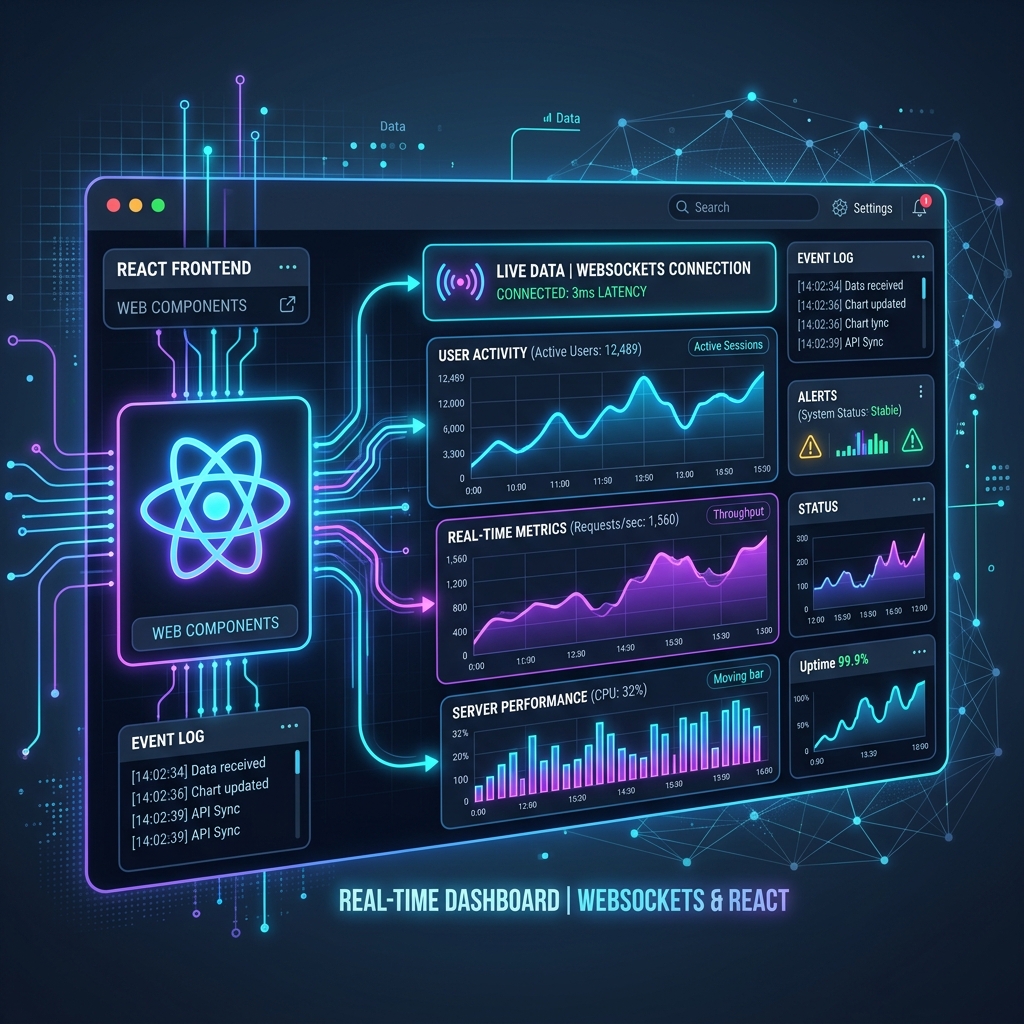
- WebSockets (e.g., Laravel Echo with Pusher/Ably): For highly interactive seat maps, WebSockets can push real-time updates to clients when a seat status changes (e.g., selected by another user, released).
- Polling: Less efficient but simpler. The frontend periodically requests availability updates from the backend. This is suitable for less critical real-time needs.
- Server-Sent Events (SSE): A simpler alternative to WebSockets for one-way communication from server to client.
For an event booking platform with a graphical seat picker, WebSockets are almost a necessity to provide a seamless user experience.
Secure Payment Gateway Integration
Integrating a secure and reliable payment gateway is non-negotiable for any commercial ticket booking system. This involves handling sensitive financial data and adhering to strict security standards (PCI DSS compliance).
Choosing a Payment Processor
Leading payment gateways like Stripe, PayPal, Braintree, and Square offer robust APIs and SDKs. When choosing, consider:
- Geographic Coverage: Does it support your target markets and currencies?
- Fees: Transaction fees, monthly fees, and chargeback rates.
- Features: Recurring payments, subscriptions, refunds, fraud detection.
- Developer Experience: Quality of API documentation, SDKs, and support.
- Security & Compliance: PCI DSS Level 1 compliance is critical.
Implementation Steps
1. Client-Side Tokenization: Never handle raw credit card details on your servers. Use the payment gateway's client-side SDK (e.g., Stripe.js) to tokenize card information directly from the user's browser. This token is then sent to your backend.
2. Server-Side Charge: Your backend receives the token and makes an API call to the payment gateway to process the charge. This keeps sensitive data off your servers and simplifies PCI compliance.
3. Webhooks for Asynchronous Updates: Payment processing can sometimes be asynchronous (e.g., bank transfers, 3D Secure verification). Use webhooks to receive real-time notifications from the payment gateway about transaction status changes (success, failure, refund).
4. Error Handling & Retries: Implement robust error handling for failed transactions and consider retry mechanisms where appropriate.
Example of a server-side Stripe charge in Laravel:
// app/Http/Controllers/BookingController.php
use Stripe\StripeClient;
use App\Models\Booking;
use Illuminate\Http\Request;

class BookingController extends Controller
{
    // ... other methods

    public function processPayment(Request $request, Booking $booking)
    {
        $request->validate([
            'payment_method_id' => 'required|string', // Token from Stripe.js
        ]);

        $stripe = new StripeClient(env('STRIPE_SECRET_KEY'));

        try {
            $paymentIntent = $stripe->paymentIntents->create([
                'amount' => $booking->total_amount * 100, // Amount in cents
                'currency' => 'usd',
                'payment_method' => $request->payment_method_id,
                'confirmation_method' => 'manual',
                'confirm' => true,
                'description' => 'Ticket booking for Event ID: ' . $booking->event_id,
                'metadata' => ['booking_id' => $booking->id],
            ]);

            if ($paymentIntent->status === 'succeeded') {
                $booking->update(['status' => 'confirmed', 'payment_intent_id' => $paymentIntent->id]);
                // Send confirmation email/SMS
                return response()->json(['message' => 'Payment successful, booking confirmed!']);
            } elseif ($paymentIntent->status === 'requires_action') {
                // Handle 3D Secure or other required actions
                return response()->json(['message' => 'Payment requires further action.', 'client_secret' => $paymentIntent->client_secret]);
            } else {
                throw new \Exception('Payment failed with status: ' . $paymentIntent->status);
            }
        } catch (\Stripe\Exception\CardException $e) {
            // Card declined, etc.
            $booking->update(['status' => 'failed', 'payment_error' => $e->getMessage()]);
            return response()->json(['error' => $e->getMessage()], 400);
        } catch (\Exception $e) {
            // General error
            $booking->update(['status' => 'failed', 'payment_error' => $e->getMessage()]);
            return response()->json(['error' => 'Payment processing error: ' . $e->getMessage()], 500);
        }
    }
}
Remember to integrate webhooks to update the booking status for asynchronous payment flows.
Designing a Scalable Booking API
A well-designed booking API is crucial, especially if you plan to offer integrations with third-party platforms or build multiple client applications (web, mobile). API design should prioritize clarity, consistency, and performance.
RESTful API Principles
Adhere to RESTful principles for your API endpoints:
- Resource-Oriented: Represent resources (events, tickets, bookings, users) with clear URLs (e.g.,
/api/events,/api/bookings/{id}). - HTTP Methods: Use appropriate HTTP methods for actions:
-
GETfor retrieving data. -
POSTfor creating new resources. -
PUT/PATCHfor updating resources. -
DELETEfor removing resources. - Stateless: Each request from a client to server must contain all the information needed to understand the request.
- JSON for Data Exchange: Use JSON as the primary format for request and response bodies.
API Versioning and Authentication
- Versioning: Implement API versioning (e.g.,
/api/v1/events) from the start. This allows you to introduce breaking changes without affecting existing clients. - Authentication: For secure access, use token-based authentication (e.g., OAuth 2.0, JWT). Laravel Passport is an excellent package for implementing OAuth 2.0 in Laravel applications.
// Example API Response for an Event
{
  "data": {
    "id": 123,
    "title": "The Grand Symphony Night",
    "description": "An evening of classical music...",
    "start_time": "2025-10-26T19:00:00Z",
    "end_time": "2025-10-26T22:00:00Z",
    "venue": {
      "id": 1,
      "name": "City Concert Hall",
      "address": "123 Main St"
    },
    "price_tiers": [
      {"name": "VIP", "price": 100.00, "available_tickets": 25},
      {"name": "Standard", "price": 50.00, "available_tickets": 150}
    ],
    "current_availability": 175,
    "links": {
      "self": "/api/v1/events/123",
      "tickets": "/api/v1/events/123/tickets"
    }
  }
}
For more complex API designs and robust authentication mechanisms, I often refer to the official blank" rel="noopener noreferrer" style="color: var(--primary); text-decoration: none; border-bottom: 1px dashed var(--primary);">Laravel Documentation for Passport or the Next.js documentation for API routes. My team and I have developed numerous APIs, and adhering to these principles has been key to their long-term maintainability and scalability. Feel free to browse our past projects to see examples of our API implementations.
Key Takeaways
- Modular Architecture: Break down your system into manageable, independent modules for better maintainability and scalability.
- Concurrency Management: Implement robust transaction management and locking strategies to prevent overbooking, especially for seat reservation systems.
- Secure Payments: Prioritize security in payment gateway integration by tokenizing card data client-side and processing charges server-side with webhooks for async updates.
- Scalable API Design: Design a RESTful, versioned API with clear authentication for future extensibility and third-party integrations.
- Real-time UX: Utilize technologies like WebSockets for real-time availability updates to enhance the user experience.
Building a comprehensive ticket booking system is a significant undertaking, demanding expertise across the full stack. From database design to frontend interactivity, every layer requires careful planning and execution. The insights shared here are distilled from practical experience in the field, aiming to equip you with the knowledge to tackle your own ticket booking system development project.
Frequently Asked Questions (FAQ)
Q1: What are the essential features for a basic ticket booking system?
A1: A basic ticket booking system must include event listing and details, user registration and authentication, seat/ticket selection, secure payment processing, and booking confirmation