Python vs JavaScript in 2026: Which Language Should You Learn First?
The year is 2026, and the digital landscape continues its relentless evolution. New frameworks emerge, paradigms shift, and the perennial question for aspiring developers remains: "Which programming language should I learn first?" For many, this choice boils down to two titans of the industry: Python and JavaScript. Both are incredibly powerful, versatile, and in high demand, yet they cater to different ecosystems and problem domains. As a senior full-stack developer with over a decade of experience navigating these waters, I regularly encounter this dilemma in mentees and new hires. The answer isn't a simple "X is better than Y"; it's nuanced, dependent on your career aspirations, learning style, and the specific niches you wish to conquer.
In this comprehensive guide, we'll dissect Python and JavaScript, examining their strengths, weaknesses, and primary use cases as they stand in 2026. We'll explore their prevalence in web development, data science, AI, and other burgeoning fields, providing you with the insights needed to make an informed decision. My goal is to shed light on which language offers the most strategic entry point into the tech industry, whether you're aiming for a front-end, back-end, data, or full-stack role. We'll leverage up-to-date industry statistics, practical code examples, and my own hands-on experience to paint a clear picture.
By the end of this post, you'll have a solid understanding of where each language shines, helping you choose the best programming language to learn for your unique journey. Let's dive deep into the Python vs JavaScript 2026 debate and equip you with the knowledge to kickstart a thriving career in software development.
The Web Development Landscape: Frontend, Backend, and Beyond
Web development remains a cornerstone of the tech industry, and both Python and JavaScript play pivotal roles, albeit in different capacities. Understanding their primary domains here is crucial for anyone considering a career in building online applications.
JavaScript's Dominance in the Browser
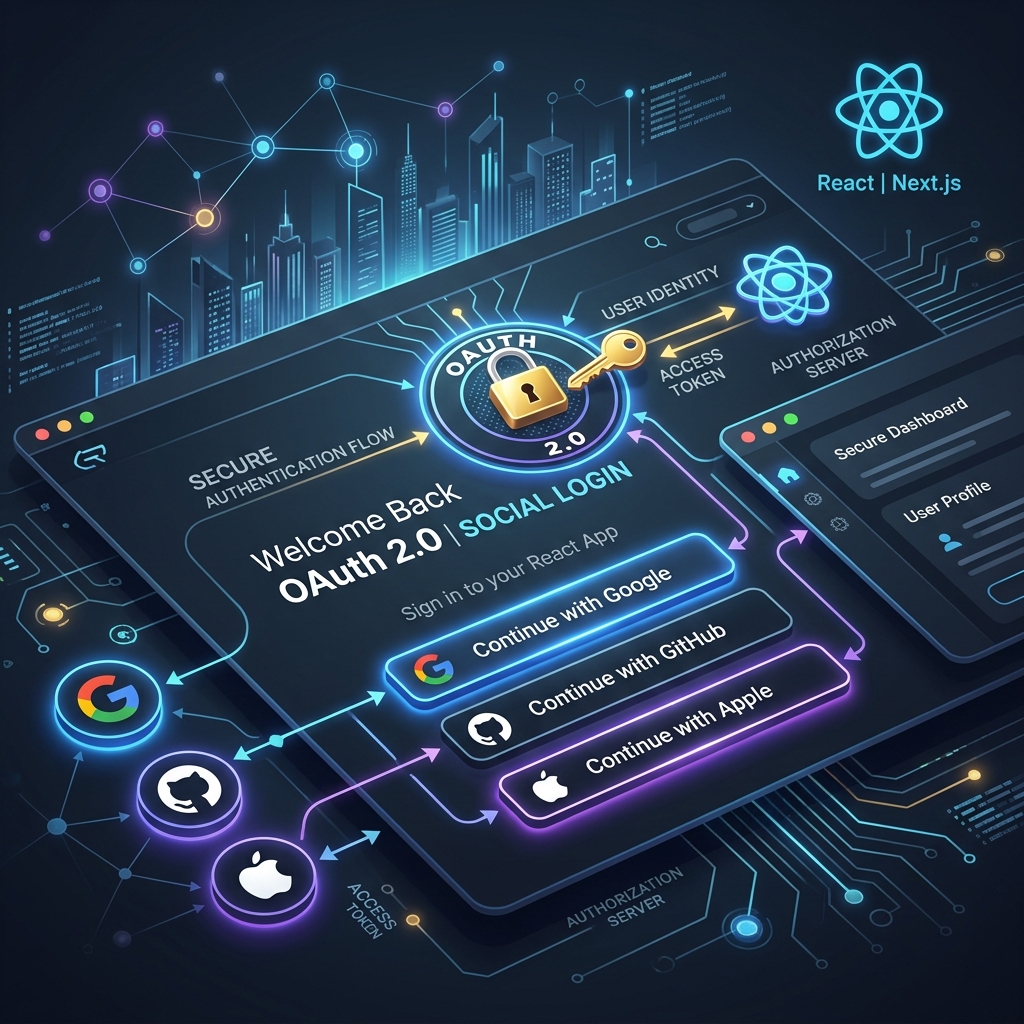
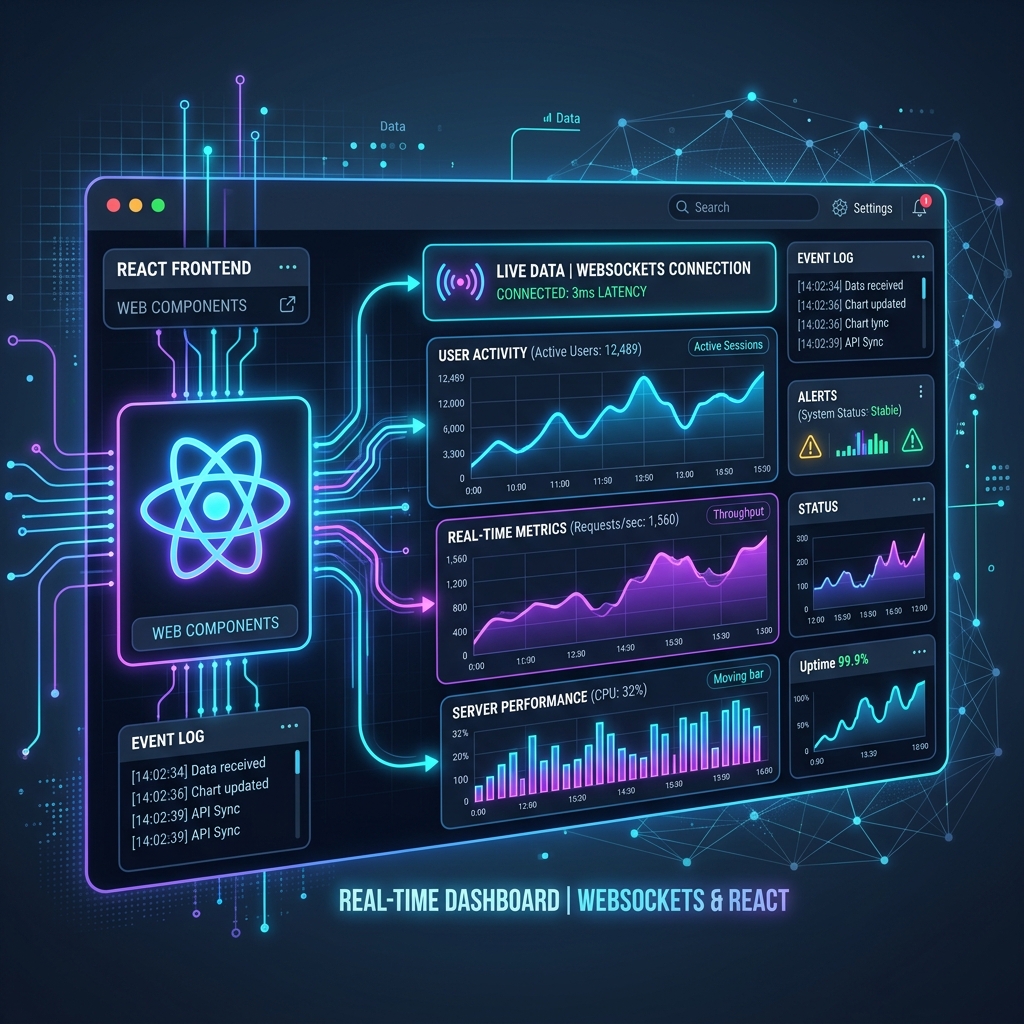
When it comes to the client-side of web development, JavaScript is the undisputed monarch. Every interactive element you see on a webpage, from dynamic forms to complex single-page applications (SPAs), is powered by JavaScript. In 2026, its ecosystem is more robust than ever, with frameworks like React, Vue.js, and Angular continuing to evolve at a rapid pace. According to recent industry reports, JavaScript remains the most used programming language for web development, with over 70% of professional developers utilizing it daily.
Consider a simple React component that fetches data:
// components/DataFetcher.jsx
import React, { useState, useEffect } from 'react';

function DataFetcher() {
  const [data, setData] = useState(null);
  const [loading, setLoading] = useState(true);
  const [error, setError] = useState(null);

  useEffect(() => {
    fetch('https://api.example.com/items')
      .then(response => {
        if (!response.ok) {
          throw new Error(`HTTP error! status: ${response.status}`);
        }
        return response.json();
      })
      .then(data => {
        setData(data);
        setLoading(false);
      })
      .catch(error => {
        setError(error);
        setLoading(false);
      });
  }, []);

  if (loading) return <p>Loading data...</p>;
  if (error) return <p>Error: {error.message}</p>;

  return (
    <div>
      <h2>Fetched Items</h2>
      <ul>
        {data.map(item => (
          <li key={item.id}>{item.name}</li>
        ))}
      </ul>
    </div>
  );
}

export default DataFetcher;
This snippet exemplifies JavaScript's role in creating interactive, user-facing experiences. Frameworks like Next.js and Remix further extend JavaScript's reach into server-side rendering (SSR) and static site generation (SSG), blurring the lines between frontend and backend and offering full-stack JavaScript solutions.
Python's Prowess in Backend and API Development
While JavaScript handles the browser, Python excels on the server-side. Frameworks like Django and Flask provide powerful, batteries-included solutions for building robust web applications, REST APIs, and microservices. Python's readability and extensive standard library make it a favorite for rapid development and maintainable codebases. For instance, a basic Flask API endpoint might look like this:
# app.py
from flask import Flask, jsonify, request

app = Flask(__name__)

# In a real app, this would come from a database
items = [
    {"id": 1, "name": "Laptop"},
    {"id": 2, "name": "Mouse"},
    {"id": 3, "name": "Keyboard"}
]

@app.route('/api/items', methods=['GET'])
def get_items():
    return jsonify(items)

@app.route('/api/items', methods=['POST'])
def add_item():
    new_item = request.json
    if not new_item or 'name' not in new_item:
        return jsonify({"error": "Item name is required"}), 400

    new_item['id'] = len(items) + 1 # Simple ID generation
    items.append(new_item)
    return jsonify(new_item), 201

if __name__ == '__main__':
    app.run(debug=True)
Python is frequently chosen for its strong integration with databases, excellent testing frameworks, and the ability to handle complex business logic efficiently. Many large-scale applications, including those at Instagram and Spotify, rely heavily on Python for their backend infrastructure. If you're pondering Python or JavaScript for beginners in web development, understanding this division is key. If you want to build interactive UIs, JavaScript is your friend. If you want to build powerful servers and APIs, Python is a strong contender.
Beyond Web: Data Science, AI, and Automation
The digital world isn't just about websites. Data science, machine learning, artificial intelligence, and automation are booming sectors, and here, Python truly shines.
Python: The King of Data and AI
Python's dominance in data science and AI is unparalleled. Libraries like NumPy, Pandas, Scikit-learn, TensorFlow, and PyTorch have made it the de facto language for data analysis, machine learning model development, and deep learning research. Its clear syntax and extensive community support make complex mathematical and statistical operations accessible. Recent reports from platforms like Stack Overflow and IEEE Spectrum consistently rank Python as the top language for data professionals. As of early 2026, the demand for Python developers with AI/ML expertise continues to outpace supply.
Consider a simple data analysis snippet using Pandas:
# data_analysis.py
import pandas as pd

# Load data from a CSV file
df = pd.read_csv('sales_data.csv')

# Display basic information
print("DataFrame Info:")
df.info()

# Calculate descriptive statistics
print("\nDescriptive Statistics:")
print(df.describe())

# Filter data: Sales greater than 1000
high_sales = df[df['Sales'] > 1000]
print("\nHigh Sales Records:")
print(high_sales.head())

# Group by product and sum sales
product_sales = df.groupby('Product')['Sales'].sum().reset_index()
print("\nTotal Sales by Product:")
print(product_sales.sort_values(by='Sales', ascending=False))
This example, while simple, demonstrates the power and conciseness Python offers for data manipulation. For anyone aspiring to a career in data science, machine learning engineering, or AI research, Python is an indispensable tool.
JavaScript's Niche in Data Visualization and Serverless
While Python owns the core AI/ML space, JavaScript carves out its own niches. Libraries like D3.js and Chart.js are industry standards for creating stunning, interactive data visualizations directly in the browser. Furthermore, JavaScript, particularly with Node.js, is gaining significant traction in serverless computing (e.g., AWS Lambda, Google Cloud Functions). Its event-driven, non-blocking I/O model makes it highly efficient for handling numerous concurrent requests, which is ideal for microservices and cloud functions.
The rise of WebAssembly (Wasm) also hints at a future where JavaScript and other languages can execute high-performance code directly in the browser, potentially bridging some performance gaps. However, for hardcore number-crunching and model training, Python remains the clear leader.
Performance, Ecosystem, and Learning Curve
When deciding which language to learn first, it's essential to consider factors beyond just use cases. The performance characteristics, the maturity of their ecosystems, and the initial learning curve play significant roles in a developer's journey.
Performance Considerations
Historically, Python has been considered slower than JavaScript, primarily due to its interpreted nature and Global Interpreter Lock (GIL) in CPython. However, for most web applications and data processing tasks, this difference is often negligible and overshadowed by I/O operations or database queries. For CPU-bound tasks, Python offers C extensions (like NumPy) that execute at near-native speeds.
JavaScript, especially with Node.js and its V8 engine, is known for its asynchronous, non-blocking I/O model, making it highly efficient for I/O-bound operations and real-time applications. For performance-critical scenarios, both languages have mechanisms to optimize, but their core strengths lie in different areas.
Ecosystem and Community Support
Both Python and JavaScript boast incredibly vibrant and extensive ecosystems.
- Python's Ecosystem: Python's Package Index (PyPI) hosts over 400,000 packages, covering everything from web frameworks (Django, Flask) to scientific computing (SciPy, Matplotlib) and automation. Its community is renowned for its welcoming nature and extensive documentation. Many of my past projects, whether it was a custom analytics dashboard or an internal tool, leveraged Python's rich library set extensively. You can see examples of this on our /projects page.
- JavaScript's Ecosystem: npm (Node Package Manager) is the world's largest software registry, with millions of packages. The sheer volume and speed of innovation in the JavaScript world are staggering. However, this also leads to "JavaScript fatigue," where new frameworks and tools emerge and deprecate rapidly. Despite this, the community support for established frameworks like React and Next.js is immense, with countless tutorials, forums, and active GitHub repositories.
Learning Curve for Beginners
For beginners, both languages offer a relatively gentle introduction compared to compiled languages like C++ or Java.
- Python: Often lauded as the most beginner-friendly language due to its highly readable, English-like syntax and emphasis on clear code. Its straightforward structure makes it ideal for understanding fundamental programming concepts. Many introductory programming courses use Python as their primary language.
- JavaScript: While its C-style syntax might appear slightly more complex than Python's at first glance, JavaScript's immediate visual feedback in the browser can be incredibly motivating for new learners. Being able to manipulate a webpage instantly provides a tangible sense of accomplishment. The asynchronous nature and concepts like the event loop can be challenging for absolute beginners, but modern JavaScript features (ES6+) have made it more approachable. My experience teaching new developers shows that those who enjoy immediate visual results often gravitate towards JavaScript first.
Full-Stack Development: The Polyglot Approach
In 2026, the concept of a "full-stack developer" often implies proficiency in more than one language. While you can build a complete application with a single language (e.g., Node.js for frontend and backend, or Python with a templating engine), a polyglot approach is increasingly common and often more efficient.
Python for Backend, JavaScript for Frontend
This is perhaps the most common and powerful combination. You build a robust, scalable backend API using Python (with Django or Flask) and consume that API with a dynamic frontend built with JavaScript (using React, Vue, or Angular). This leverages the strengths of each language while keeping concerns separated.
For instance, a typical setup might involve:
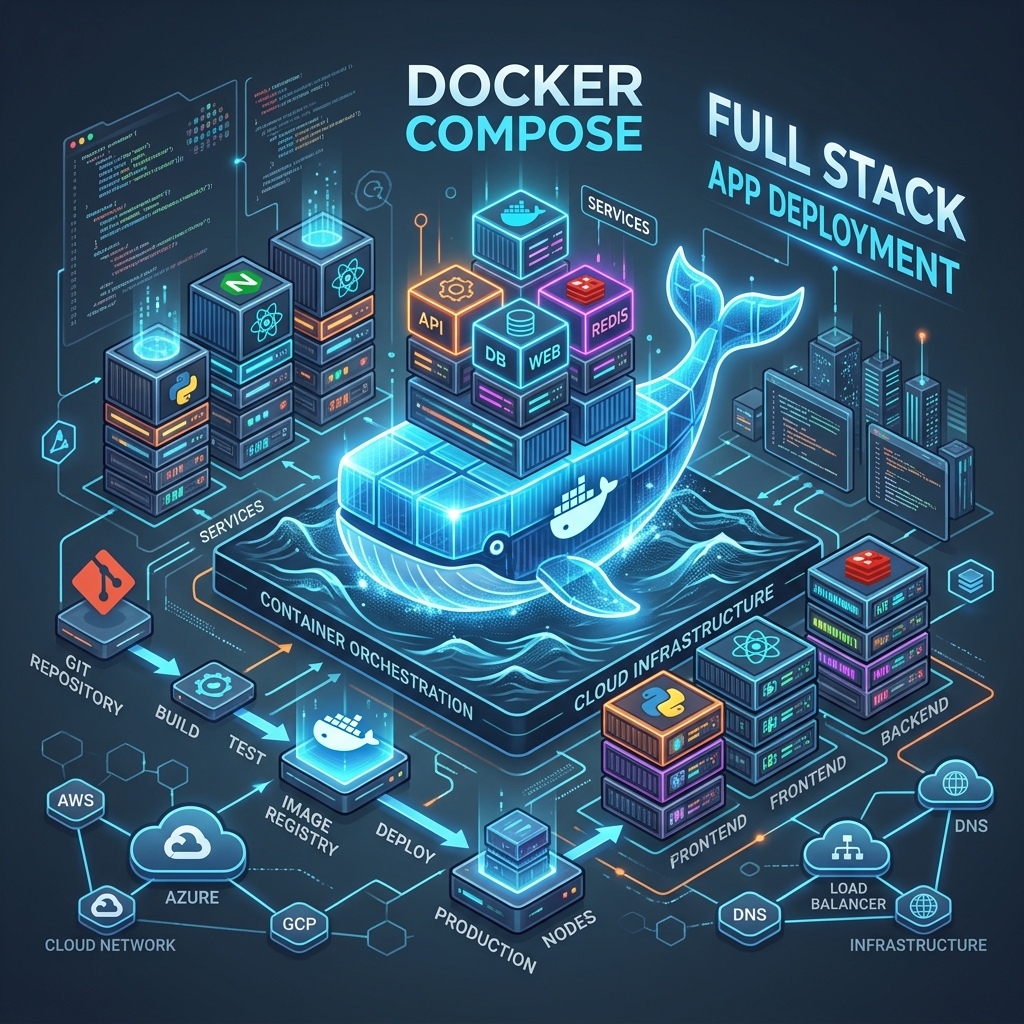
- Backend (Python): Django REST Framework for API endpoints, PostgreSQL for the database, deployed on AWS or Google Cloud.
- Frontend (JavaScript): Next.js application consuming the Django API, hosted on Vercel or Netlify.
This architecture is robust, scalable, and allows teams to specialize. Our own /skills page highlights this multi-language approach.
JavaScript (Node.js) for Full-Stack
With Node.js, JavaScript developers can use a single language across the entire stack. This simplifies context switching, allows for code sharing between frontend and backend (e.g., validation logic), and can streamline deployment. Frameworks like Next.js, which offers API routes alongside frontend components, exemplify this full-stack JavaScript paradigm.
// pages/api/hello.js (Next.js API Route)
export default function handler(req, res) {
  if (req.method === 'GET') {
    res.status(200).json({ message: 'Hello from Next.js API!' });
  } else {
    res.setHeader('Allow', ['GET']);
    res.status(405).end(`Method ${req.method} Not Allowed`);
  }
}
This single-language approach can be highly efficient for small to medium-sized teams and startups, reducing the cognitive load of managing multiple language ecosystems.
Key Takeaways: Python vs JavaScript 2026
Choosing between Python and JavaScript in 2026 depends heavily on your specific goals and interests. Here's a quick summary to guide your decision:
1. For Web Frontend Dominance: JavaScript is non-negotiable. If you want to build interactive user interfaces, master React, Vue, or Angular.
2. For Data Science, AI, and Machine Learning: Python is the undisputed leader. Its libraries and community support are unparalleled in this domain.
3. For Backend Web Development: Both are excellent choices. Python (Django, Flask) offers a mature, robust ecosystem, while JavaScript (Node.js, Express) excels in high-concurrency, I/O-bound applications.
4. For Beginners: Python often has a slightly gentler learning curve due to its simpler syntax, making it ideal for grasping core programming concepts. JavaScript offers immediate visual gratification in the browser, which can be highly motivating.
5. For Full-Stack Aspirations: A polyglot approach (Python backend + JavaScript frontend) is a powerful and common strategy. Alternatively, mastering Node.js allows for full-stack development with a single language.
6. Career Prospects: Both languages offer abundant job opportunities. JavaScript roles are often tilted towards frontend or full-stack web development, while Python roles frequently span web, data science, AI, automation, and DevOps.
Ultimately, the best programming language to learn first is the one that aligns with your passions and career trajectory. Don't be afraid to dabble in both. My own journey involved learning PHP (yes, PHP!) first, then JavaScript, and later Python. The foundational concepts you learn in one language are often transferable to others.
Frequently Asked Questions (FAQ)
Q1: Is Python good for web development in 2026?
A1: Yes, absolutely. Python is an excellent choice for backend web development in 2026. Frameworks like Django and Flask are incredibly mature, secure, and scalable, powering countless applications. It's particularly strong for API development, content management systems, and applications requiring integration with data science or AI components.
Q2: Can JavaScript be used for backend development?
A2: Yes, JavaScript can be used for backend development through Node.js. Node.js allows JavaScript to run on the server, enabling full-stack JavaScript development with frameworks like Express.js, NestJS, and even Next.js API routes. It's highly efficient for I/O-bound tasks and real-time applications.
Q3: Which language is harder to learn for a beginner, Python or JavaScript?
A3: Generally, Python is considered slightly easier for absolute beginners due to its more readable syntax and fewer syntactic quirks. However, JavaScript offers immediate visual feedback in the browser, which can be very engaging. Both are relatively accessible compared to other programming languages.
Q4: Should I learn both Python and JavaScript?
A4: For a full-stack developer in 2026, learning both Python and JavaScript is highly beneficial and often recommended. This allows you to leverage Python's strengths in backend, data, and AI, and JavaScript's dominance in frontend and dynamic web experiences. Many successful projects on our /projects page utilize this polyglot approach.
Q5: What are the primary career paths for each language?
A5: For Python, common career paths include backend web developer, data scientist, machine learning engineer, AI researcher, DevOps engineer, and automation specialist. For JavaScript, roles typically include frontend developer, full-stack developer, mobile app developer (with React Native), and increasingly, backend developer (with Node.js) and serverless engineer.
---
The choice between Python and JavaScript 2026 isn't about choosing a "winner," but rather about aligning your learning path with your ambitions. Both are indispensable tools in a modern developer's arsenal. If you're looking to build robust, scalable applications or need expert guidance on your tech stack, don't hesitate to reach out. Our team has extensive professional background and experience in both ecosystems, and we'd be happy to provide a consultation to discuss your project needs. Visit our blank" rel="noopener noreferrer" style="color: var(--primary); text-decoration: none; border-bottom: 1px dashed var(--primary);">/contact page to get started. You can also explore more insights and articles on our /blog.