Building Your Education Agent Management Portal: An Expert's Guide
The global education market, projected to reach \$8.7 trillion by 2030, is increasingly reliant on a complex ecosystem of recruitment agents. For universities, colleges, and EdTech platforms, managing these agents effectively is no longer a luxury-it's a critical operational imperative. The traditional methods of spreadsheets, scattered emails, and disjointed communication channels lead to inefficiencies, missed opportunities, and a fragmented student recruitment experience. As a full-stack developer who has architected and built robust EdTech platforms, I've seen firsthand the bottlenecks that arise when an institution lacks a centralized, intelligent system to manage its agent network.
Imagine a scenario where a top-tier university partners with hundreds of education agents across different continents. Each agent handles inquiries, applications, and student support, often with varying levels of quality and compliance. Without a dedicated education agent management portal, tracking commission structures, monitoring application statuses, providing real-time training, and ensuring data security becomes an insurmountable challenge. This isn't just about administrative overhead; it directly impacts student enrollment numbers, agent satisfaction, and ultimately, the institution's global reach and reputation. The solution lies in a meticulously designed and expertly implemented agent CRM education system that streamlines these complex interactions.
This guide will walk you through the technical and strategic considerations for building a state-of-the-art education agent management portal. We'll delve into architectural choices, essential features, data modeling, and the technologies that empower leading platforms like ApplyBoard, Edvoy, and AECC Global. My goal is to provide practical, implementation-focused insights, drawing from my extensive experience in developing student CRMs and admission management systems.
Understanding the Core Problem: Why an Education Agent Management Portal?
Before diving into the "how," it's crucial to solidify the "why." An effective recruitment agent platform addresses several pain points for educational institutions and agents alike. From an institution's perspective, it's about control, visibility, and scalability. For agents, it's about efficiency, transparency, and access to resources.
The Fragmented Agent Ecosystem
Historically, agent management has been a patchwork of manual processes. Universities often rely on email, phone calls, and shared documents to communicate with agents. This leads to:
- Data Silos: Student application data, agent performance metrics, and commission details are often stored in disparate systems, making reporting and analysis a nightmare.
- Communication Gaps: Agents might not receive timely updates on program changes, admission requirements, or marketing materials, leading to outdated information being passed to students.
- Compliance Risks: Without a centralized system, ensuring agents adhere to regulatory requirements (e.g., GDPR, FERPA) and institutional policies becomes incredibly difficult.
- Scalability Issues: As an institution grows its agent network, manual management quickly becomes unsustainable, hindering expansion efforts.
The Benefits of a Centralized System
A well-designed education agent management portal transforms this chaos into order. It acts as a single source of truth, offering:
- Streamlined Workflows: Automating application submissions, status updates, and document sharing.
- Enhanced Communication: Providing dedicated channels for announcements, support, and resource distribution.
- Performance Tracking: Offering comprehensive dashboards for monitoring agent recruitment metrics, conversion rates, and commission payouts.
- Improved Compliance: Enforcing data privacy, security, and regulatory adherence across the agent network.
- Empowered Agents: Giving agents self-service tools, training resources, and real-time access to student application progress.
According to a 2025 EdTech industry report, institutions leveraging integrated agent management solutions reported a 20-30% increase in agent productivity and a 15% reduction in application processing time. This clearly highlights the ROI of investing in robust education agency software.
Architectural Foundation: Choosing Your Tech Stack
Building a scalable and maintainable education agent management portal requires careful consideration of the underlying technology stack. As a senior full-stack developer, I lean towards modern, robust, and well-supported frameworks that offer flexibility and a vibrant community. My go-to stack for such an enterprise-grade application often involves a combination of PHP (Laravel), JavaScript (Next.js/React), and a relational database.
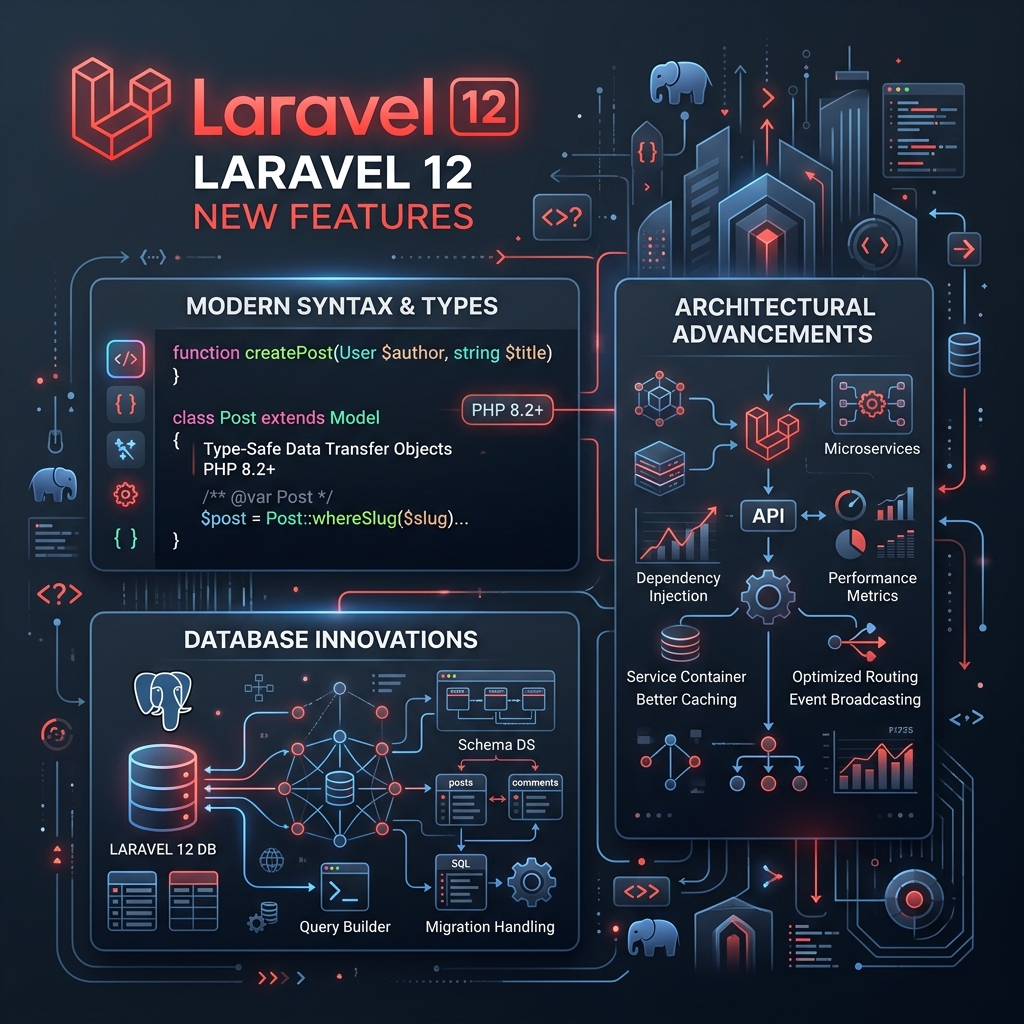
Backend: Laravel for Robustness and Speed
For the backend, Laravel is an excellent choice. Its elegant syntax, comprehensive features, and active community make it ideal for building complex business logic, API endpoints, and data management functionalities.
Key Laravel Advantages:
- MVC Architecture: Promotes clean separation of concerns, making the codebase organized and maintainable.
- Eloquent ORM: Simplifies database interactions, allowing developers to work with database objects as if they were plain PHP objects.
- Built-in Features: Authentication, authorization, caching, queues, and task scheduling are all available out-of-the-box, significantly accelerating development.
- API Development: Laravel is superb for building RESTful APIs, which will be consumed by our frontend application.
Example: Agent Registration Endpoint (Laravel)
// app/Http/Controllers/AgentRegistrationController.php

namespace App\Http\Controllers;

use App\Models\User;
use App\Models\AgentProfile;
use Illuminate\Http\Request;
use Illuminate\Support\Facades\Hash;
use Illuminate\Support\Facades\Validator;

class AgentRegistrationController extends Controller
{
    public function register(Request $request)
    {
        $validator = Validator::make($request->all(), [
            'name' => 'required|string|max:255',
            'email' => 'required|string|email|max:255|unique:users',
            'password' => 'required|string|min:8|confirmed',
            'agency_name' => 'required|string|max:255',
            'country' => 'required|string|max:255',
            'contact_person' => 'required|string|max:255',
        ]);

        if ($validator->fails()) {
            return response()->json(['errors' => $validator->errors()], 422);
        }

        $user = User::create([
            'name' => $request->name,
            'email' => $request->email,
            'password' => Hash::make($request->password),
            'role' => 'agent', // Assign a specific role for agents
        ]);

        // Create agent profile
        AgentProfile::create([
            'user_id' => $user->id,
            'agency_name' => $request->agency_name,
            'country' => $request->country,
            'contact_person' => $request->contact_person,
            'status' => 'pending_approval', // Agents usually need approval
        ]);

        return response()->json(['message' => 'Agent registration successful. Awaiting approval.'], 201);
    }
}
This snippet demonstrates a basic agent registration flow, creating both a User record and an AgentProfile, often a crucial part of an agent CRM education system.
Frontend: Next.js/React for Dynamic UIs
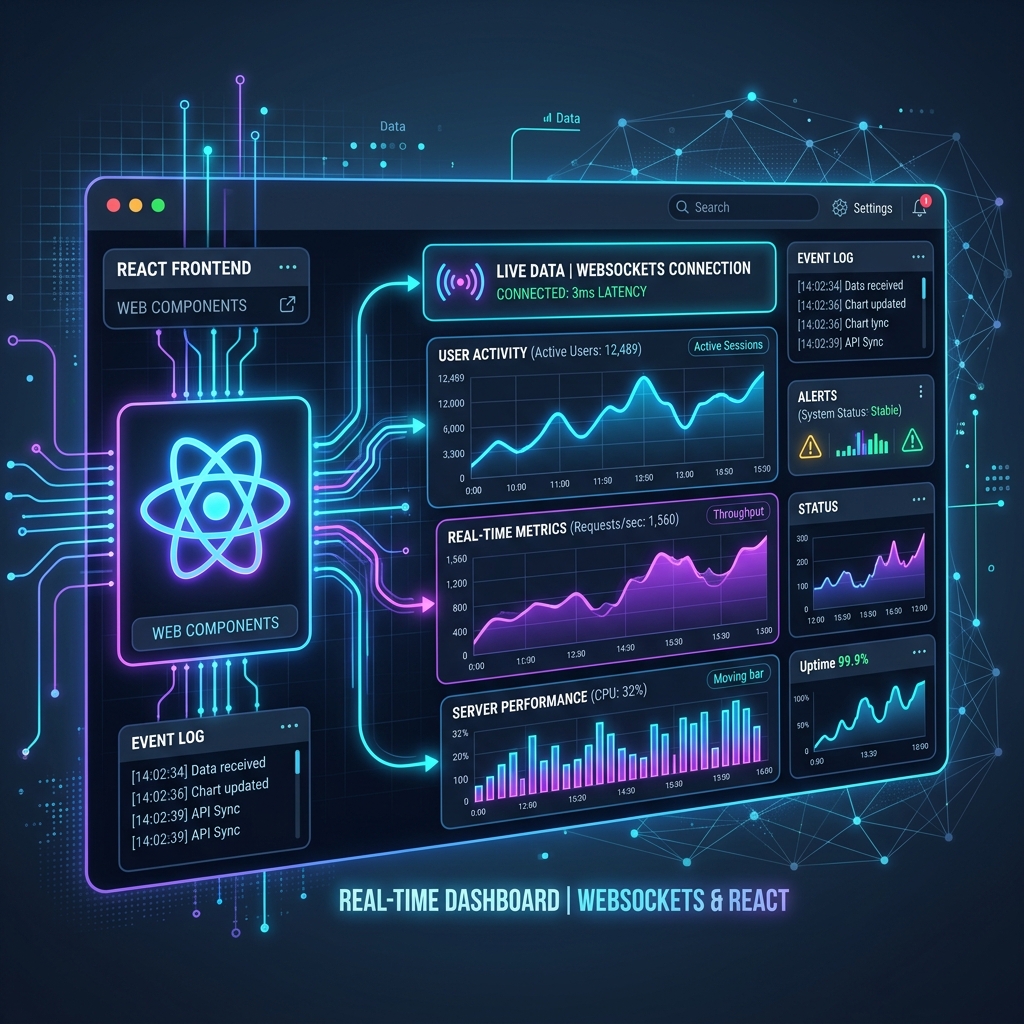
For the frontend, Next.js with React provides a powerful combination for building fast, interactive, and SEO-friendly user interfaces.
Key Next.js/React Advantages:
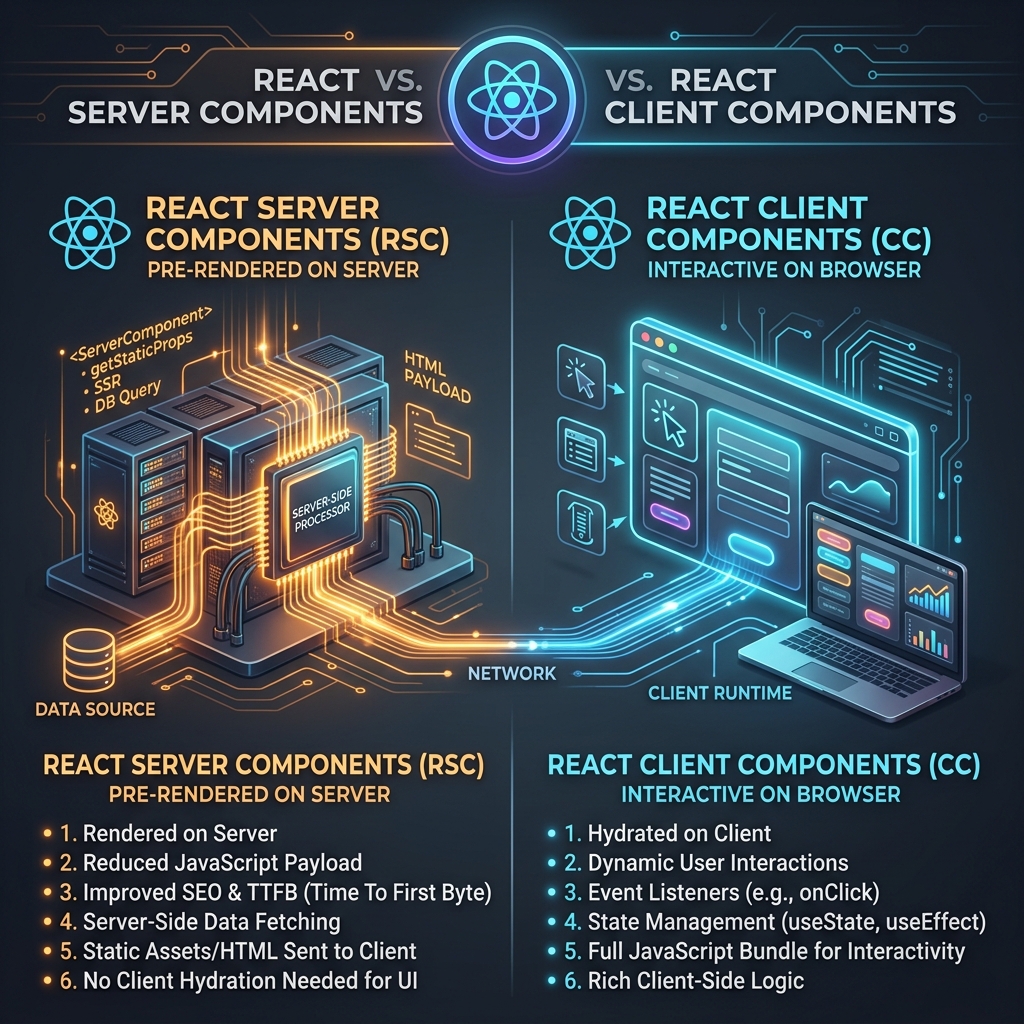
- Server-Side Rendering (SSR) / Static Site Generation (SSG): Improves initial page load times and SEO, crucial for a public-facing portal or certain internal dashboards.
- Component-Based Architecture: Encourages modularity and reusability of UI elements.
- Rich Ecosystem: Access to a vast array of libraries and tools for UI, state management, and data fetching.
- Excellent Developer Experience: Hot module reloading, fast refresh, and a strong community.
Example: Agent Dashboard Component (React/Next.js)
// components/AgentDashboard.jsx
import React, { useEffect, useState } from 'react';
import axios from 'axios';
import AgentApplicationList from './AgentApplicationList'; // Assuming another component

const AgentDashboard = () => {
    const [agentData, setAgentData] = useState(null);
    const [loading, setLoading] = useState(true);
    const [error, setError] = useState(null);

    useEffect(() => {
        const fetchAgentData = async () => {
            try {
                // Assuming an API endpoint like /api/agent/dashboard
                const response = await axios.get('/api/agent/dashboard', {
                    headers: {
                        Authorization: `Bearer ${localStorage.getItem('authToken')}` // For authentication
                    }
                });
                setAgentData(response.data);
            } catch (err) {
                setError('Failed to load agent dashboard data.');
                console.error(err);
            } finally {
                setLoading(false);
            }
        };

        fetchAgentData();
    }, []);

    if (loading) return <p>Loading dashboard...</p>;
    if (error) return <p className="text-red-500">{error}</p>;
    if (!agentData) return <p>No dashboard data available.</p>;

    return (
        <div className="container mx-auto p-4">
            <h1 className="text-3xl font-bold mb-6">Welcome, {agentData.agencyName}!</h1>
            <div className="grid grid-cols-1 md:grid-cols-2 lg:grid-cols-3 gap-6 mb-8">
                <div className="bg-white p-6 rounded-lg shadow">
                    <h2 className="text-xl font-semibold mb-2">Total Applications</h2>
                    <p className="text-4xl text-blue-600">{agentData.totalApplications}</p>
                </div>
                <div className="bg-white p-6 rounded-lg shadow">
                    <h2 className="text-xl font-semibold mb-2">Approved Students</h2>
                    <p className="text-4xl text-green-600">{agentData.approvedStudents}</p>
                </div>
                <div className="bg-white p-6 rounded-lg shadow">
                    <h2 className="text-xl font-semibold mb-2">Pending Commissions</h2>
                    <p className="text-4xl text-yellow-600">${agentData.pendingCommissions.toFixed(2)}</p>
                </div>
            </div>

            <h2 className="text-2xl font-bold mb-4">Recent Applications</h2>
            <AgentApplicationList applications={agentData.recentApplications} />

            {/* Other sections like resources, announcements, etc. */}
        </div>
    );
};

export default AgentDashboard;
This React component provides a basic structure for an agent's dashboard, fetching data from a backend API and displaying key metrics.
Database: MySQL for Reliability and Performance
For the database, MySQL remains a strong contender due to its maturity, widespread adoption, and robustness. For EdTech platforms handling sensitive student data and complex relational structures (agents, students, applications, courses, institutions), a relational database is often the most appropriate choice.
Key MySQL Advantages:
- ACID Compliance: Ensures data integrity and reliability.
- Scalability: Can be scaled vertically and horizontally with proper architecture.
- Tooling & Ecosystem: Extensive tooling for management, monitoring, and backup.
- Relational Model: Perfectly suited for structuring interconnected data like users, agents, applications, and institutions.
For high-traffic scenarios, consider managed database services like AWS RDS or Google Cloud SQL for easier scaling, backups, and maintenance.
Essential Features of an Education Agent Management Portal
A truly effective recruitment agent platform goes beyond basic CRUD operations. It should offer a comprehensive suite of tools for both the institution's administrators and the agents themselves.
1. Agent Onboarding & Management
This is the bedrock of your agent CRM education system.
- Agent Registration & Profile Management: Allow potential agents to register, submit their details, and upload necessary documents (e.g., business licenses, certifications). Admin approval workflows are crucial here.
- Contract Management: Digital storage and management of agent agreements, commission structures, and terms & conditions. Version control for contracts is a must.
- Tiered Access & Roles: Define different levels of access for agents (e.g., junior agent, senior agent, agency manager) and internal staff (e.g., admissions officer, finance, marketing).
- Performance Tracking: Dashboards showing agent-specific metrics like application volume, conversion rates, student enrollment, and commission earned.
2. Student Application Management
The core functionality for processing student applications.
- Application Submission Portal: A branded, intuitive interface for agents to submit student applications, including document uploads (transcripts, passports, SOPs).
- Application Status Tracking: Real-time updates on application progress (submitted, under review, accepted, rejected, deferred). This reduces agent inquiries significantly.
- Document Management: Secure storage and versioning of all student documents. Integration with cloud storage like AWS S3 is ideal.
- Communication Hub: Integrated messaging or email functionality for agents to communicate with students and institutions, all within the portal.
3. Commission & Payout Management
Transparency and accuracy in commissions are vital for agent satisfaction.
- Flexible Commission Structures: Support for various models (e.g., flat fee, percentage of tuition, per-student basis) and tiered commissions based on performance or program type.
- Automated Calculation: System-generated commission statements based on enrolled students and defined terms.
- Payout Tracking & Reporting: Record of all payouts, pending commissions, and financial reports. Integration with accounting software can be a significant advantage.
- Invoice Generation: Ability for agents to generate invoices directly from the portal, or for institutions to generate payment advices.
4. Marketing & Training Resources
Empowering agents with the right tools helps them recruit more effectively.
- Resource Library: Centralized repository for marketing collateral (brochures, flyers, videos), program guides, admission requirements, and FAQs.
- Training Modules: Online courses or modules to onboard new agents and keep existing agents updated on new programs, policies, and best practices.
- Announcements & News: A dedicated section for institutional updates, deadlines, and important news.
- Webinar & Event Management: Tools to promote and manage agent participation in webinars or recruitment events.
5. Analytics & Reporting
Data-driven insights to optimize recruitment strategies.
- Dashboards: Customizable dashboards for administrators to visualize key performance indicators (KPIs) across all agents, programs, and regions.
- Custom Reports: Ability to generate detailed reports on application trends, conversion funnels, agent performance, and financial metrics.
- Data Export: Options to export data in various formats (CSV, Excel) for further analysis.
Data Modeling for an Agent Management Portal
A well-structured database is the backbone of your education agent management portal. Here's a simplified view of key entities and their relationships.
erDiagram
    INSTITUTIONS ||--o{ PROGRAMS : offers
    INSTITUTIONS ||--o{ AGENTS : manages
    AGENTS ||--o{ AGENT_PROFILES : has
    AGENTS ||--o{ STUDENTS : recruits
    STUDENTS ||--o{ APPLICATIONS : submits
    APPLICATIONS ||--o{ PROGRAMS : applies_to
    APPLICATIONS ||--o{ DOCUMENTS : has
    COMMISSION_STRUCTURES ||--o{ AGENTS : defines_for
    COMMISSION_STRUCTURES ||--o{ PROGRAMS : applies_to

    INSTITUTIONS {
        INT id PK
        VARCHAR name
        VARCHAR address
        VARCHAR contact_email
    }
    AGENTS {
        INT id PK
        INT user_id FK
        VARCHAR agency_name
        VARCHAR contact_person
        VARCHAR country
        ENUM status
        DATETIME created_at
    }
    AGENT_PROFILES {
        INT id PK
        INT agent_id FK
        VARCHAR business_license_url
        VARCHAR website
        TEXT bio
        JSON settings
    }
    PROGRAMS {
        INT id PK
        INT institution_id FK
        VARCHAR name
        VARCHAR degree_level
        DECIMAL tuition_fee
        TEXT description
    }
    STUDENTS {
        INT id PK
        INT agent_id FK
        VARCHAR first_name
        VARCHAR last_name
        VARCHAR email
        DATE date_of_birth
        VARCHAR nationality
    }
    APPLICATIONS {
        INT id PK
        INT student_id FK
        INT program_id FK
        ENUM status
        DATETIME submitted_at
        DATETIME last_updated_at
        VARCHAR reference_number
    }
    DOCUMENTS {
        INT id PK
        INT application_id FK
        VARCHAR file_name
        VARCHAR file_url
        ENUM document_type
        DATETIME uploaded_at
    }
    COMMISSION_STRUCTURES {
        INT id PK
        INT agent_id FK
        INT program_id FK
        DECIMAL commission_rate_percentage
        DECIMAL flat_commission_amount
        DATE effective_date
        DATE end_date
    }
    USERS {
        INT id PK
        VARCHAR name
        VARCHAR email
        VARCHAR password
        ENUM role
    }
- Users: Handles authentication and authorization for all system users (admins, agents, possibly students).
- Agents: Core entity for agent details, linked to a User.
- Agent Profiles: Stores additional, often optional, details about the agency.
- Students: Stores student personal information.
- Applications: Links students to programs and tracks application status.
- Programs: Details about the educational programs offered.
- Institutions: Details about the educational institutions (if the portal serves multiple).
- Documents: Stores references to uploaded files.
- Commission Structures: Defines how agents are compensated for specific programs or students.
This structure provides a robust foundation for an education agency software solution.
Security and Compliance: Non-Negotiables
In EdTech, especially with student data, security and compliance are paramount. A data breach can be catastrophic for an institution's reputation and lead to severe legal repercussions.
Data Privacy Regulations
- GDPR (General Data Protection Regulation): If you're dealing with students or agents in the EU, strict rules apply to data collection, processing, and storage. Implement features like explicit consent, data subject access requests (DSARs), and the right to be forgotten.
- FERPA (Family Educational Rights and Privacy Act): For US-based institutions, this protects the privacy of student education records. Ensure your system aligns with FERPA requirements regarding access and disclosure.
- Local Regulations: Be aware of specific data privacy laws in target countries (e.g., CCPA in California, PIPEDA in Canada).
Security Best Practices
- Authentication & Authorization: Implement multi-factor authentication (MFA), strong password policies, and role-based access control (RBAC).
- Data Encryption: Encrypt data both in transit (SSL/TLS for all communication) and at rest (database encryption, encrypted cloud storage).
- Regular Security Audits: Conduct penetration testing and vulnerability assessments regularly.
- Input Validation: Sanitize and validate all user inputs to prevent SQL injection, XSS, and other common web vulnerabilities.
- Audit Trails: Log all significant actions (e.g., data modification, access attempts) for accountability and troubleshooting.
- Secure File Storage: Use cloud storage solutions (like AWS S3 with proper access policies) for documents rather than storing them directly on your web server.
Key Takeaways
- An education agent management portal is crucial for institutions to scale student recruitment, improve agent relations, and ensure compliance.
- A robust tech stack (e.g., Laravel for backend, Next.js/React for frontend, MySQL for database) provides the necessary foundation.
- Essential features include comprehensive agent management, streamlined application processing, transparent commission tracking, and a rich resource library.
- Data modeling should be carefully planned to support complex relationships between agents, students, applications, and programs.