From Idea to Production: Mastering the Full Stack Development Workflow
The journey from a nascent idea to a fully deployed, production-ready application is a marathon, not a sprint. For full stack developers, this journey involves navigating a complex landscape of frontend design, backend logic, database management, and infrastructure orchestration. It demands a systematic approach, a robust full stack development workflow that ensures efficiency, scalability, and maintainability.
In today's fast-paced digital world, where over 70% of software projects still face significant challenges or outright failure, a well-defined workflow is not just a luxury-it's a necessity. It's the blueprint that transforms abstract concepts into tangible, high-performing solutions. As a seasoned full stack developer with years of experience bringing complex applications to life, I've seen firsthand how a structured approach, from initial planning to continuous deployment, can be the difference between a project's success and its demise. This article will demystify the entire process, guiding you through each critical phase of the software development lifecycle from a full stack perspective.
We'll explore the essential stages, tools, and best practices that form the backbone of an effective full stack development workflow. Whether you're building a simple MVP or a large-scale enterprise application, understanding and implementing these principles will streamline your development process, enhance collaboration, and ultimately deliver superior results. Get ready to transform your development vision into a deployable reality.
I. The Genesis: From Concept to Concrete Plan
Every great application begins with a solid idea, but without proper planning, even the most brilliant concepts can falter. This initial phase is crucial for laying a strong foundation for your full stack development workflow.
A. Defining the Vision and Scope
Before writing a single line of code, clarity is paramount. This involves deep diving into what the application should achieve, for whom, and why.
- Discovery & Requirements Gathering: Engage with stakeholders, conduct market research, and define user stories. What problems are we solving? What features are essential for the initial release (Minimum Viable Product - MVP)? A clear understanding of the MVP development process is vital here. According to a 2025 industry report, projects with clearly defined requirements from the outset are 3x more likely to meet their budget and timeline targets.
- Technical Feasibility & Stack Selection: Evaluate the technical challenges and choose the right tools. Are we building a RESTful API with Laravel and a React frontend? Or a GraphQL API with Next.js? Consider factors like performance, scalability, community support, and your team's expertise. For instance, if real-time capabilities are crucial, WebSockets with Node.js might be preferred over a traditional PHP backend.
B. Architectural Design and Database Schema
With a clear vision, the next step is to architect the solution. This is where the "full stack" truly comes into play, blending frontend, backend, and database considerations.
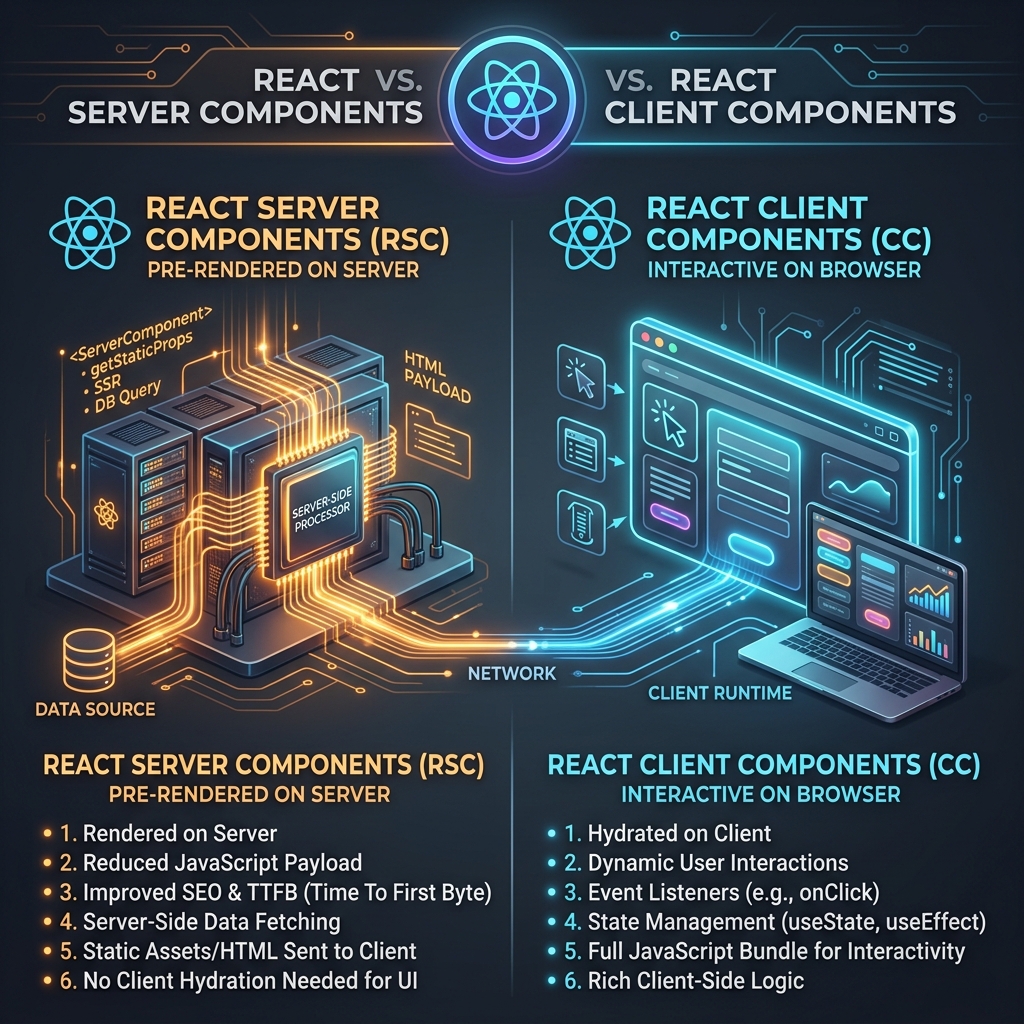
- High-Level Architecture: Sketch out the major components of your system. How will the frontend communicate with the backend? What services will be involved? Think about microservices vs. monolithic architectures. For example, a typical full stack architecture might involve a client-side application (React/Next.js), a backend API (Laravel/Node.js), and a database (MySQL/PostgreSQL/MongoDB).
- Database Design: Design your database schema meticulously. This involves defining tables, relationships, indexes, and data types. A well-designed database is critical for performance and data integrity.
    -- Example MySQL schema for a simple blog post
    CREATE TABLE users (
        id INT AUTO_INCREMENT PRIMARY KEY,
        name VARCHAR(255) NOT NULL,
        email VARCHAR(255) UNIQUE NOT NULL,
        password VARCHAR(255) NOT NULL,
        created_at TIMESTAMP DEFAULT CURRENT_TIMESTAMP,
        updated_at TIMESTAMP DEFAULT CURRENT_TIMESTAMP ON UPDATE CURRENT_TIMESTAMP
    );

    CREATE TABLE posts (
        id INT AUTO_INCREMENT PRIMARY KEY,
        user_id INT NOT NULL,
        title VARCHAR(255) NOT NULL,
        slug VARCHAR(255) UNIQUE NOT NULL,
        content TEXT NOT NULL,
        published_at TIMESTAMP NULL,
        created_at TIMESTAMP DEFAULT CURRENT_TIMESTAMP,
        updated_at TIMESTAMP DEFAULT CURRENT_TIMESTAMP ON UPDATE CURRENT_TIMESTAMP,
        FOREIGN KEY (user_id) REFERENCES users(id) ON DELETE CASCADE
    );
II. Development Sprints: Building the Core
This is the phase where the code comes to life. Adopting an agile workflow developer mindset is key to iterative progress and responsiveness.
A. Frontend Development: User Experience First
The frontend is the face of your application. It's where users interact, so a seamless and intuitive experience is paramount.
- Component-Based Development: Utilize modern frameworks like React or Next.js to build reusable UI components. This accelerates development and ensures consistency. For a deeper dive into component design, you might find valuable insights on our /blog covering best practices in React.
- State Management & API Integration: Implement robust state management (e.g., Redux, Zustand, React Context) and integrate with your backend APIs.
    // Example React component fetching data from an API
    import React, { useState, useEffect } from 'react';
    import axios from 'axios';

    function PostList() {
      const [posts, setPosts] = useState([]);
      const [loading, setLoading] = useState(true);
      const [error, setError] = useState(null);

      useEffect(() => {
        const fetchPosts = async () => {
          try {
            const response = await axios.get('/api/posts');
            setPosts(response.data);
          } catch (err) {
            setError(err);
          } finally {
            setLoading(false);
          }
        };
        fetchPosts();
      }, []);

      if (loading) return <p>Loading posts...</p>;
      if (error) return <p>Error: {error.message}</p>;

      return (
        <div>
          <h1>Blog Posts</h1>
          <ul>
            {posts.map(post => (
              <li key={post.id}>
                <h2>{post.title}</h2>
                <p>{post.content.substring(0, 100)}...</p>
              </li>
            ))}
          </ul>
        </div>
      );
    }

    export default PostList;
B. Backend Development: Logic and Data Management
The backend is the engine, handling business logic, data persistence, and API exposure.
- API Development: Build secure, efficient, and well-documented APIs. Frameworks like Laravel (PHP) or Express.js (Node.js) excel here. Remember to adhere to RESTful principles or GraphQL specifications.
    // Example Laravel API route for fetching posts
    // routes/api.php
    use App\Http\Controllers\PostController;
    use Illuminate\Support\Facades\Route;

    Route::middleware('auth:sanctum')->get('/user', function (Request $request) {
        return $request->user();
    });

    Route::get('/posts', [PostController::class, 'index']);
    Route::post('/posts', [PostController::class, 'store'])->middleware('auth:sanctum');
    Route::get('/posts/{post}', [PostController::class, 'show']);
- Business Logic & Integrations: Implement the core functionality of your application, handle data validation, and integrate with third-party services (payment gateways, email services, etc.).
C. Version Control and Collaboration
Git is non-negotiable. It's the cornerstone of collaborative development and critical for tracking changes, resolving conflicts, and managing different versions of your codebase.
- Branching Strategy: Implement a clear branching strategy (e.g., Git Flow, GitHub Flow). This ensures that features are developed in isolation and merged systematically.
- Code Reviews: Peer code reviews are essential for maintaining code quality, sharing knowledge, and catching potential bugs early.
III. Quality Assurance: Ensuring Robustness
No application is complete without thorough testing. This phase of the full stack development workflow is about identifying and rectifying issues before they reach production.
A. Testing Methodologies
A multi-faceted testing approach ensures comprehensive coverage. A recent survey showed that organizations investing in automated testing reduce their post-deployment bug count by an average of 45%.
- Unit Tests: Test individual functions or components in isolation.
- Integration Tests: Verify that different parts of your system work together correctly (e.g., frontend interacting with backend API, backend interacting with database).
- End-to-End (E2E) Tests: Simulate user scenarios to ensure the entire application flow works as expected. Tools like Cypress or Playwright are excellent for this.
- Performance Testing: Assess how the application performs under various loads. This is crucial for scalability.
- Security Testing: Identify vulnerabilities that could expose your application to attacks.
B. Debugging and Iteration
Testing often reveals bugs. A systematic approach to debugging is crucial.
- Logging and Monitoring: Implement comprehensive logging in both frontend and backend. Use tools like Sentry for error tracking or New Relic for performance monitoring.
- Iterative Refinement: Bugs are opportunities for improvement. Fix, retest, and refine until the code is stable and meets requirements.
IV. Deployment and Operations: Releasing to the World
The final frontier: getting your application into the hands of users and keeping it running smoothly. This is the culmination of your project planning to deployment efforts.
A. Setting Up the Production Environment
Choosing the right infrastructure and configuring it correctly is paramount for performance and reliability.
- Cloud Providers: Leverage cloud platforms like AWS, Google Cloud, or Azure for their scalability and managed services.
- Server Configuration: Configure web servers (Nginx, Apache), application servers (PHP-FPM for Laravel, Node.js process managers), and database servers.
- Environment Variables: Securely manage sensitive information using environment variables.
B. Continuous Integration/Continuous Deployment (CI/CD)
Automating the build, test, and deployment process is a game-changer for efficiency and reliability.
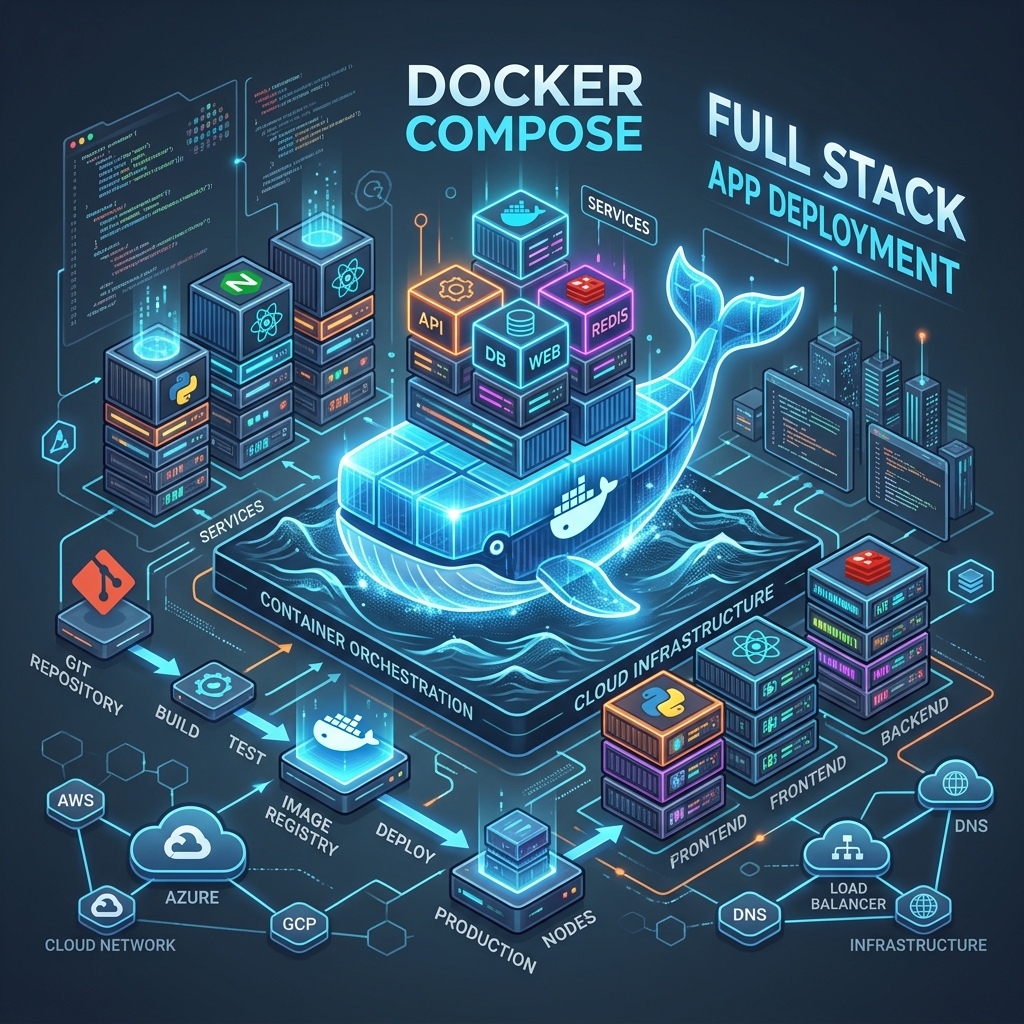
- CI/CD Pipelines: Set up pipelines using tools like GitHub Actions, GitLab CI, or Jenkins. A typical pipeline might involve:
1. Code commit to Git.
2. Automatic trigger of CI build.
3. Run unit and integration tests.
4. Build frontend assets (e.g., npm run build for Next.js).
5. Build Docker images (if containerized).
6. Deploy to staging environment.
7. Run E2E tests on staging.
8. Manual approval.
9. Deploy to production.
    # Example GitHub Actions workflow for a Next.js app
    name: Deploy Next.js App

    on:
      push:
        branches:
          - main

    jobs:
      build-and-deploy:
        runs-on: ubuntu-latest
        steps:
          - name: Checkout code
            uses: actions/checkout@v3

          - name: Set up Node.js
            uses: actions/setup-node@v3
            with:
              node-version: '18'

          - name: Install dependencies
            run: npm ci

          - name: Build Next.js app
            run: npm run build

          - name: Deploy to Vercel
            run: npx vercel deploy --prebuilt --prod --token=${{ secrets.VERCEL_TOKEN }}
            env:
              VERCEL_ORG_ID: ${{ secrets.VERCEL_ORG_ID }}
              VERCEL_PROJECT_ID: ${{ secrets.VERCEL_PROJECT_ID }}
For more complex deployments, especially involving cloud providers like AWS, you'd typically integrate with services like AWS CodeDeploy or Elastic Beanstalk. My team has extensive experience in setting up robust CI/CD pipelines, which you can learn more about by reviewing our blank" rel="noopener noreferrer" style="color: var(--primary); text-decoration: none; border-bottom: 1px dashed var(--primary);">/experience or /projects.
C. Monitoring and Maintenance
Deployment isn't the end; it's the beginning of continuous operation.
- Application Performance Monitoring (APM): Keep a watchful eye on your application's health, performance, and user experience. Tools like Datadog, Prometheus, or Grafana are invaluable.
- Regular Updates & Backups: Keep your software dependencies, operating systems, and databases updated. Implement regular backup strategies to prevent data loss.
- Incident Response: Have a plan for quickly addressing production issues when they arise.
Key Takeaways
Mastering the full stack development workflow is about more than just knowing how to code; it's about orchestrating a complex process from start to finish. Here are the core principles:
1. Plan Meticulously: A clear vision, defined scope, and solid architecture prevent costly rework.
2. Embrace Agile: Iterative development, continuous feedback, and adaptability are crucial.
3. Prioritize Quality: Comprehensive testing at every stage reduces bugs and enhances user trust.
4. Automate Everything Possible: CI/CD pipelines streamline deployments and minimize human error.
5. Monitor Continuously: Stay vigilant about your application's health in production.
By adhering to these principles, full stack developers can confidently transform any idea into a successful, scalable, and maintainable production application.
FAQ – Full Stack Development Workflow
Q1: What is a full stack development workflow?
A: A full stack development workflow is a systematic, step-by-step process that guides a development team or individual through the entire lifecycle of building a software application. This typically spans from initial idea conceptualization and requirements gathering, through development, testing, deployment, and ongoing maintenance, encompassing both frontend and backend technologies. It ensures consistency, efficiency, and quality across all layers of an application.
Q2: What are the key stages in an MVP development process?
A: The key stages in an MVP development process typically include:
1. Idea Generation & Validation: Defining the core problem to solve and validating market need.
2. Feature Prioritization: Identifying the absolute minimum features required to deliver value to early adopters.
3. Design & Prototyping: Creating basic UI/UX designs and interactive prototypes.
4. Development: Building the core features with a focus on functionality over perfection.
5. Testing: Ensuring the MVP is functional and relatively bug-free.
6. Deployment & Launch: Releasing the MVP to a target audience.
7. Feedback & Iteration: Collecting user feedback and planning future enhancements based on data.
Q3: How does an agile workflow benefit a full stack developer?
A: An agile workflow developer benefits significantly from agile methodologies by promoting flexibility, collaboration, and continuous improvement. For full stack developers, this means:
- Faster Feedback Loops: Quickly iterating on both frontend and backend components based on user or stakeholder feedback.
- Improved Collaboration: Working closely with designers, product owners, and other developers in short sprints.
- Adaptability: Being able to pivot and adjust to changing requirements without derailing the entire project.
- Reduced Risk: Delivering small, functional increments reduces the risk of large-scale failures and allows for early course correction.
Q4: What tools are essential for a modern full stack development workflow?
A: Essential tools for a modern full stack development workflow include:
- Version Control: Git (e.g., GitHub, GitLab, Bitbucket).
- Frontend Frameworks: React, Next.js, Vue.js, Angular.
- Backend Frameworks: Laravel (PHP), Node.js (Express, NestJS), Django (Python), Ruby on Rails.
- Databases: MySQL, PostgreSQL, MongoDB, Redis.
- Cloud Platforms: AWS, Google Cloud Platform, Azure, Vercel.
- CI/CD: GitHub Actions, GitLab CI, Jenkins.
- Containerization: Docker, Kubernetes.
- Testing Frameworks: Jest, React Testing Library, PHPUnit, Cypress, Playwright.
- Project Management: Jira, Trello, Asana.
Q5: What is the role of CI/CD in the full stack development workflow?
A: CI/CD (Continuous Integration/Continuous Deployment) plays a pivotal role in the full stack development workflow by automating the processes of building, testing, and deploying code changes.
- Continuous Integration (CI): Developers frequently merge their code changes into a central repository, where automated builds and tests are run. This helps detect integration issues early.
- Continuous Deployment (CD): Once the integrated code passes all automated tests, it is automatically deployed to production environments.
This automation significantly reduces manual errors, accelerates release cycles, and ensures that a high-quality, fully tested application is delivered to users consistently and rapidly.
---
Ready to transform your innovative ideas into powerful, production-ready applications? Our team of senior full stack developers is equipped with the expertise and battle-tested workflows to guide your project from concept to launch and beyond. Whether you're looking to build a new platform, scale an existing one, or optimize your current development processes, we're here to help. Reach out to us today to discuss your project requirements and discover how our tailored solutions can drive your success. Let's build something amazing together! /contact