10 Features Every Study Abroad Platform Needs in 2026
The global education market is undergoing a seismic shift, accelerated by technological innovation and evolving student expectations. As a senior full-stack developer who’s spent years architecting and implementing robust EdTech solutions, I've seen firsthand the challenges and opportunities in this space. Study abroad platforms, in particular, are at a critical juncture. What was once a niche service is now a cornerstone of international education, projected to reach a market size of over \$120 billion by 2027, according to recent industry analyses. However, many platforms still struggle with legacy systems, fragmented user experiences, and a lack of intelligent automation. They often fail to address the complex, multi-faceted journey of a student applying for international education, from initial discovery to post-arrival support.
The problem isn't just about offering courses; it's about providing a seamless, trusted, and personalized end-to-end experience. Students today, especially Gen Z and Alpha, expect intuitive digital interfaces, instant gratification, and data-driven recommendations. They are accustomed to the sophistication of platforms like Netflix and Amazon, and their expectations for EdTech are no different. For an EdTech platform to truly thrive in 2026 and beyond, it must move beyond simple listings and embrace a holistic approach, integrating advanced technologies with deep domain knowledge of international admissions. This requires a meticulous focus on study abroad platform features that not only streamline operations but also elevate the student journey.
This article delves into the essential edtech platform requirements for any study abroad platform aiming for market leadership in the coming years. Drawing from my experience building high-scale student CRMs and admission management systems, I'll outline the critical functionalities, architectural considerations, and development best practices that will define the next generation of international education platforms. From intelligent recommendation engines to robust compliance tools, we’ll explore the features that will transform your platform from a mere directory into an indispensable partner for students and institutions alike.
1. AI-Powered University & Course Recommendation Engine
In an increasingly crowded global education landscape, students face an overwhelming choice of universities and programs. A static search filter no longer cuts it. The cornerstone of a modern study abroad platform must be an intelligent, personalized recommendation engine. This feature leverages machine learning to match students with institutions and courses based on their academic profile, preferences, budget, career aspirations, and even personality traits.
1.1. Data-Driven Matching Algorithms
At the heart of this engine are sophisticated algorithms that process vast amounts of data. Think beyond GPA and test scores; consider extracurriculars, desired location, campus size, cultural fit, and post-graduation employment rates. Platforms like ApplyBoard have already invested heavily in this area, demonstrating the power of data to guide student choices.
# Simplified Python example for a recommendation algorithm sketch
import pandas as pd
from sklearn.metrics.pairwise import cosine_similarity
from sklearn.feature_extraction.text import TfidfVectorizer

def recommend_universities(student_profile, university_data, top_n=5):
    """
    Recommends universities based on student profile using cosine similarity.
    student_profile: dict with student's preferences (e.g., 'major', 'budget', 'location_preference')
    university_data: pandas DataFrame with university features
    """

    # Example feature engineering (real world is much more complex)
    university_data['combined_features'] = university_data['majors'] + ' ' + \
                                           university_data['location'] + ' ' + \
                                           university_data['specializations']

    student_profile_str = student_profile['major'] + ' ' + \
                          student_profile['location_preference'] + ' ' + \
                          student_profile['career_goal']

    # Vectorize text features
    vectorizer = TfidfVectorizer()
    all_features = [student_profile_str] + university_data['combined_features'].tolist()
    tfidf_matrix = vectorizer.fit_transform(all_features)

    # Calculate similarity between student and universities
    student_vector = tfidf_matrix[0:1]
    university_vectors = tfidf_matrix[1:]

    similarities = cosine_similarity(student_vector, university_vectors).flatten()

    # Sort and return top recommendations
    recommended_indices = similarities.argsort()[-top_n:][::-1]
    return university_data.iloc[recommended_indices]

# Example usage:
# student_data = {'major': 'Computer Science', 'budget': '30000-40000', 'location_preference': 'Canada', 'career_goal': 'AI Researcher'}
# universities_df = pd.DataFrame({
#     'name': ['UofT', 'UBC', 'McGill', 'Waterloo'],
#     'majors': ['Computer Science, Engineering', 'Science, Arts', 'Law, Medicine', 'Engineering, CS'],
#     'location': ['Toronto, Canada', 'Vancouver, Canada', 'Montreal, Canada', 'Waterloo, Canada'],
#     'specializations': ['AI, ML', 'Data Science', 'Biotech', 'Cybersecurity']
# })
# print(recommend_universities(student_data, universities_df))
1.2. Dynamic Profile Building & Feedback Loops
The recommendation engine should continuously learn from student interactions. As a student browses, saves, or rejects options, the system refines its understanding of their preferences. This dynamic profile building ensures recommendations become more accurate over time. A robust student portal features set includes explicit feedback mechanisms, allowing students to rate recommendations or provide additional preferences.
2. Comprehensive Application Management System (AMS)
The application process for international students is notoriously complex, involving multiple documents, deadlines, and communication with various stakeholders. A cutting-edge AMS is non-negotiable. This isn't just about uploading documents; it’s about guiding students through each step, ensuring accuracy, and providing transparency.
2.1. Centralized Document Repository & Verification
Students need a secure place to upload passports, transcripts, SOPs, LORs, and financial statements. The system should support various file types, offer version control, and ideally integrate with third-party verification services (e.g., for academic credentials or financial solvency). This reduces the burden on both students and admissions officers.
// Laravel example for a document upload and storage strategy
// In a DocumentController.php
public function store(Request $request)
{
    $request->validate([
        'document_type_id' => 'required|exists:document_types,id',
        'file' => 'required|file|max:10240|mimes:pdf,doc,docx,jpeg,png', // Max 10MB
    ]);

    $student = Auth::user()->studentProfile; // Assuming authenticated student
    $documentType = DocumentType::find($request->document_type_id);

    // Store file on S3 or local storage
    $path = $request->file('file')->store('student_documents/' . $student->id . '/' . $documentType->slug, 's3');

    // Record document in database
    $document = $student->documents()->create([
        'document_type_id' => $documentType->id,
        'file_path' => $path,
        'file_name' => $request->file('file')->getClientOriginalName(),
        'status' => 'pending_review',
    ]);

    return response()->json(['message' => 'Document uploaded successfully.', 'document' => $document], 201);
}
This snippet demonstrates a basic Laravel approach to handling document uploads, storing them securely (e.g., on AWS S3), and recording metadata in a database. This is a crucial edtech platform requirement for security and auditability.
2.2. Automated Workflow & Status Tracking
Students should have real-time visibility into their application status. This includes automated notifications for submission, review, acceptance, and visa processing. The system should also automate reminders for upcoming deadlines and missing documents, significantly reducing manual follow-ups for counselors. Think of platforms like Edvoy, which offer clear application dashboards.
3. Integrated Visa & Immigration Support Tools
The visa application process is often the most daunting part of studying abroad. A truly comprehensive platform extends its support beyond university admissions to include robust visa and immigration guidance. This is a significant differentiator and a key element of building trustworthiness.
3.1. Country-Specific Visa Guides & Checklists
Provide up-to-date, country-specific visa requirements, document checklists, and application procedures. This information changes frequently, so the platform needs a mechanism for regular updates, potentially leveraging API integrations with official immigration websites or expert legal partners.
3.2. Interview Preparation & Appointment Scheduling
Offer resources for visa interview preparation, including common questions, tips, and mock interview tools. Integrate with calendaring systems to help students schedule visa appointments and track their status, reducing anxiety and improving success rates.
4. Financial Planning & Scholarship Hub
Financing international education is a major concern for most students. A leading study abroad platform must provide comprehensive tools and resources to help students manage costs and find funding.
4.1. Cost Calculators & Budgeting Tools
Interactive tools that estimate tuition fees, living expenses, travel costs, and insurance for different destinations and institutions. These tools should allow students to input their financial situation and generate personalized budget plans.
4.2. Centralized Scholarship Database & Application Management
A robust, searchable database of scholarships, grants, and financial aid opportunities tailored to international students. This should include eligibility criteria, application deadlines, and direct links or in-platform application capabilities. Platforms like AECC Global often feature extensive scholarship directories.
5. Pre-Departure & Post-Arrival Support Modules
The student journey doesn't end with admission; it extends through pre-departure preparations and crucial post-arrival support. This holistic approach builds loyalty and positive word-of-mouth.
5.1. Pre-Departure Checklists & Orientation
Detailed checklists covering everything from packing essentials, travel insurance, and flight booking to opening a bank account and understanding local culture. Online orientation modules can provide crucial information about cultural norms, safety, and academic expectations.
5.2. Accommodation & Local Services Directory
Assist students in finding suitable accommodation (on-campus, off-campus, homestay) and provide directories for essential local services such as healthcare, transportation, and student communities. Integration with mapping services and local service providers can be highly beneficial.
6. Secure Communication & Collaboration Tools
Effective communication is paramount for students, counselors, and institutions. The platform needs to facilitate seamless, secure, and organized interactions.
6.1. Integrated Chat & Messaging System
A real-time chat feature connecting students with their assigned counselors, university representatives, and even current international students (peer mentors). This reduces reliance on external communication channels and keeps all interactions within the platform, improving traceability and support quality.
// React/Next.js example for a basic chat message component (frontend)
// In components/ChatMessage.js
import React from 'react';

const ChatMessage = ({ message, isSender }) => {
  const messageClass = isSender ? 'bg-blue-500 text-white self-end' : 'bg-gray-200 text-gray-800 self-start';
  const timestamp = new Date(message.timestamp).toLocaleTimeString([], { hour: '2-digit', minute: '2-digit' });

  return (
    <div className={`flex flex-col max-w-xs p-2 rounded-lg my-1 ${messageClass}`}>
      <p className="text-sm">{message.text}</p>
      <span className="text-xs opacity-75 mt-1">{timestamp}</span>
    </div>
  );
};

export default ChatMessage;

// In a MessageList component (simplified)
// {messages.map((msg) => (
//   <ChatMessage key={msg.id} message={msg} isSender={msg.senderId === currentUserId} />
// ))}
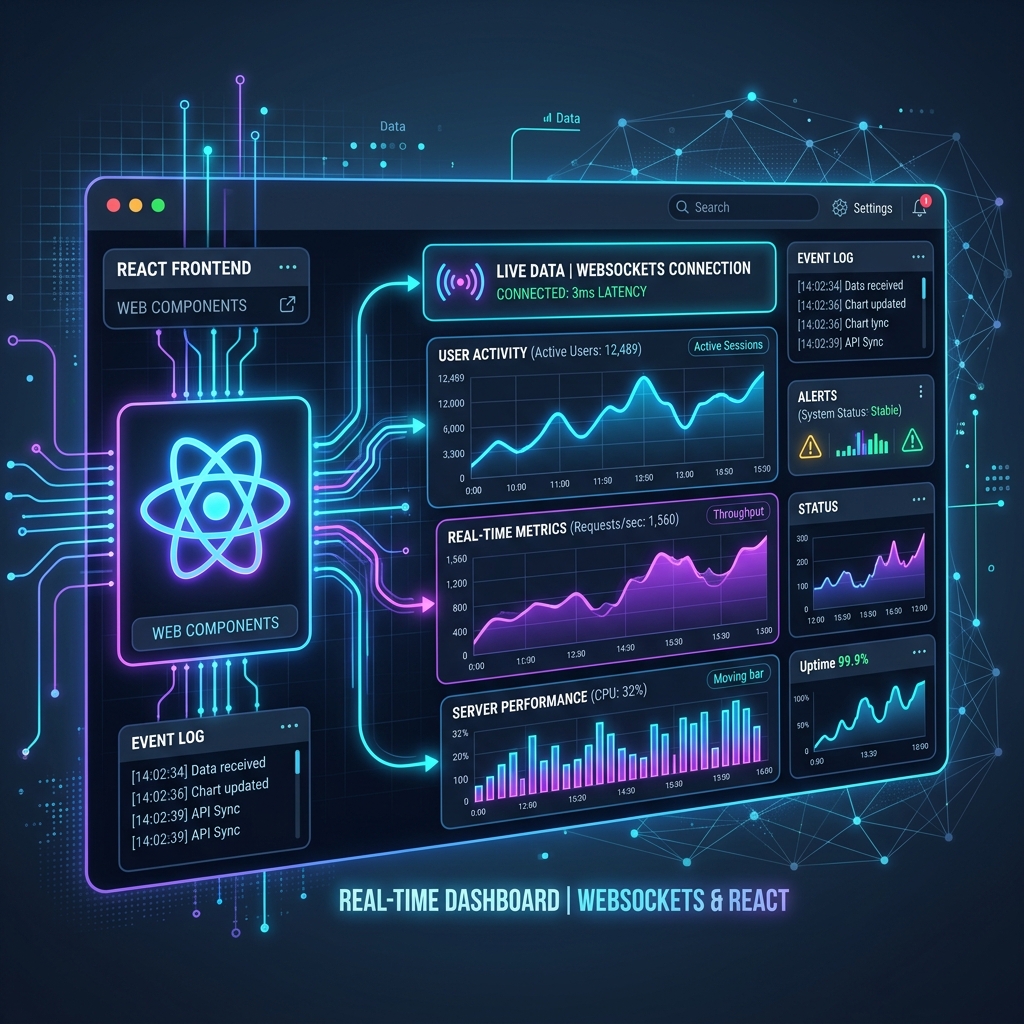
This frontend component snippet illustrates how a chat message might be rendered in a modern web application, integrating real-time communication as a core student portal features element.
6.2. Shared Workspaces & Collaborative Document Editing
For group applications, scholarship essays, or counselor feedback on statements of purpose, shared workspaces with collaborative document editing (similar to Google Docs) can be invaluable. This enhances transparency and efficiency in the application review process.
7. Robust Analytics & Reporting Dashboard
For the platform administrators, counselors, and partner universities, data is gold. A powerful analytics suite provides insights into student behavior, application trends, and operational efficiency. This is a critical education platform checklist item for business intelligence.
7.1. Student Journey Analytics & Conversion Funnels
Track student engagement from initial signup through application submission, acceptance, and enrollment. Identify bottlenecks in the process, understand drop-off points, and optimize the user experience.
7.2. Counselor Performance & University Partnership Reporting
Provide dashboards for counselors to monitor their caseload, application statuses, and success rates. For partner universities, offer insights into applicant demographics, popular programs, and regional interest, aiding their recruitment strategies. My experience building student CRMs has shown that granular reporting is key for operational excellence.
8. Secure & Scalable Infrastructure
Beyond features, the underlying technology stack and infrastructure are paramount. A study abroad platform needs to handle sensitive student data and high traffic volumes reliably.
8.1. Cloud-Native Architecture (AWS, Azure, GCP)
Leveraging services like AWS EC2, S3, RDS, Lambda, and SQS ensures scalability, reliability, and cost-effectiveness. A microservices architecture, often implemented with Docker and Kubernetes, allows for independent deployment and scaling of different platform components. I've designed and deployed numerous EdTech platforms on AWS, focusing on security and high availability.
# Simplified Kubernetes Deployment Manifest for a backend service
apiVersion: apps/v1
kind: Deployment
metadata:
  name: admissions-api-deployment
  labels:
    app: admissions-api
spec:
  replicas: 3
  selector:
    matchLabels:
      app: admissions-api
  template:
    metadata:
      labels:
        app: admissions-api
    spec:
      containers:
      - name: admissions-api
        image: your-docker-repo/admissions-api:1.0.0 # Replace with your image
        ports:
        - containerPort: 8000
        env:
        - name: DB_CONNECTION
          value: "mysql"
        - name: DB_HOST
          valueFrom:
            secretKeyRef:
              name: db-credentials
              key: host
        - name: DB_DATABASE
          valueFrom:
            secretKeyRef:
              name: db-credentials
              key: database
        - name: AWS_ACCESS_KEY_ID
          valueFrom:
            secretKeyRef:
              name: aws-s3-credentials
              key: access_key
        # ... other environment variables
        resources:
          requests:
            memory: "256Mi"
            cpu: "200m"
          limits:
            memory: "512Mi"
            cpu: "500m"
---
apiVersion: v1
kind: Service
metadata:
  name: admissions-api-service
spec:
  selector:
    app: admissions-api
  ports:
    - protocol: TCP
      port: 80
      targetPort: 8000
  type: LoadBalancer
This Kubernetes manifest demonstrates how to deploy a scalable backend service, essential for handling the demands of a growing EdTech user base. This is a core edtech platform requirements consideration.
8.2. Robust Security & Data Privacy (GDPR, CCPA Compliance)
Handling student data requires stringent security measures. End-to-end encryption, multi-factor authentication, regular security audits, and adherence to global data privacy regulations (like GDPR and CCPA) are non-negotiable. This builds immense trust with students and institutions.
9. Multilingual Support & Localized Content
International education by definition involves diverse linguistic backgrounds. A truly inclusive platform must cater to this diversity.
9.1. UI/UX Localization
The entire user interface should be available in multiple languages, allowing students to navigate and understand information in their native tongue. This extends to date formats, currency symbols, and cultural nuances in design.
9.2. Translated Content & Support
Key content, such as university profiles, course descriptions, and visa guides, should be professionally translated. Furthermore, offering support in various languages, either through human agents or AI-powered chatbots, significantly enhances the user experience.
10. Powerful CRM & Partner Management for Institutions
While student-facing features are crucial, a successful study abroad platform also serves as a vital tool for its B2B partners: universities and educational institutions.
10.1. University Partner Portal
A dedicated portal for universities to manage their listings, review applicant profiles, communicate with students and counselors, and access analytics on their recruitment efforts. This fosters stronger partnerships and streamlines the admissions process from the institutional side.
10.2. Agent & Counselor CRM
For agencies and independent counselors, a robust CRM within the platform helps them manage their student pipeline, track application progress, and access resources. Features like lead management, task automation, and commission tracking are vital for this user group. This is where my experience with admission management systems comes into play, ensuring a comprehensive solution for all stakeholders.
Key Takeaways
- Personalization is paramount: AI-powered recommendations and dynamic profile building are no longer optional.
- End-to-end support: The platform must cover the entire student journey, from discovery to post-arrival.
- Automation & Transparency: Automate workflows, provide real-time status updates, and reduce manual intervention.
- Security & Scalability: Invest in cloud-native, secure infrastructure compliant with global data privacy standards.
- Holistic Ecosystem: Serve all stakeholders – students, counselors, and institutions – with tailored features.
- Data-Driven Decisions: Leverage analytics for continuous improvement and strategic insights.
FAQ
Q1: What is the most critical feature for a new study abroad platform in 2026?
A1: While all features are important, an AI-Powered University & Course Recommendation Engine is arguably the most critical. It addresses the core problem of choice overload, provides personalized value from the first interaction, and differentiates the platform from traditional directories.
Q2: How can a platform ensure data security and compliance with international regulations like GDPR?
A2: Ensuring data security involves implementing end-to-end encryption, multi-factor authentication, regular penetration testing, and adhering to strict access controls. For GDPR and similar regulations, platforms must adopt Privacy by Design principles, obtain explicit consent for data processing, provide data subject rights (e.g., right to access, erase), and conduct Data Protection Impact Assessments. Utilizing secure cloud providers (AWS, Azure) with built-in compliance features is also crucial.
Q3: What technology stack is recommended for building a scalable study abroad platform?
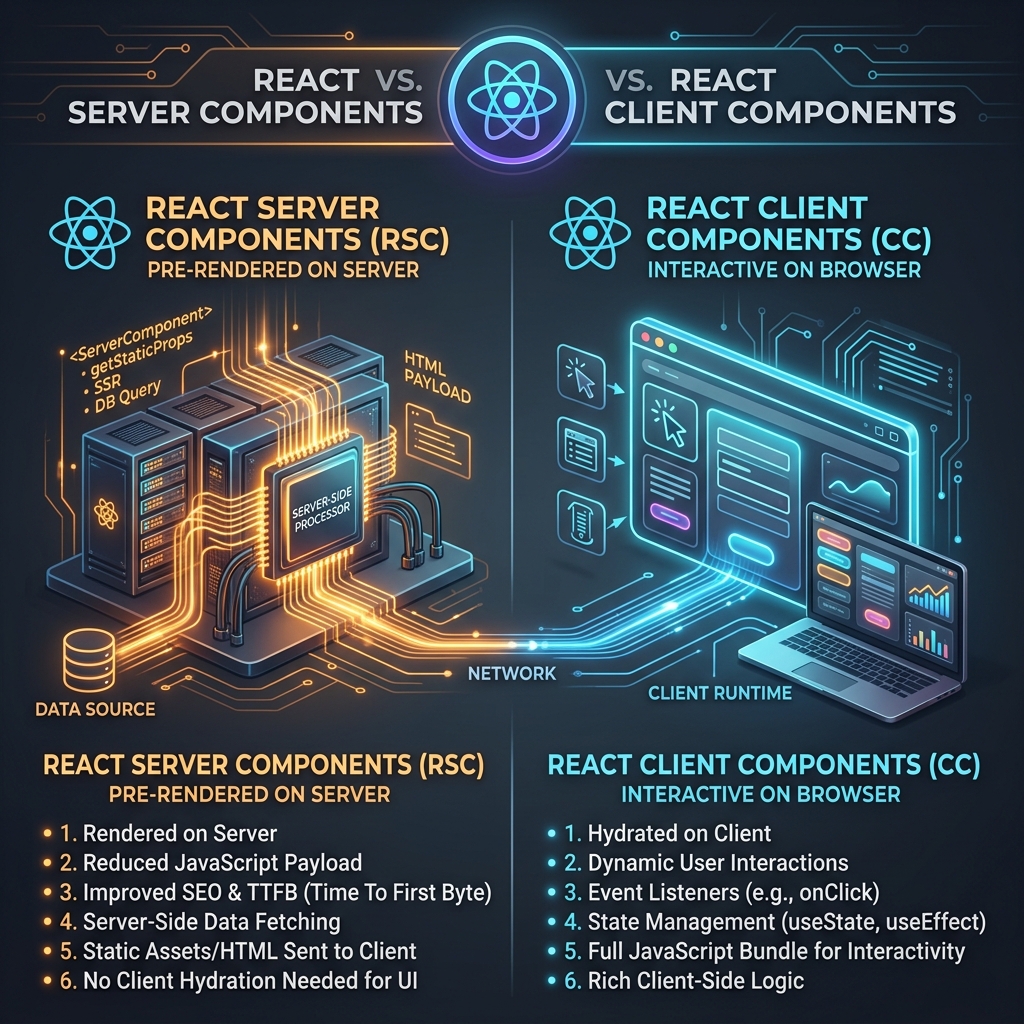
A3: For a scalable EdTech platform, a modern, robust stack is ideal. I often recommend a combination of Laravel (PHP) or Node.js (NestJS/Express.js) for the backend, React or Next.js for the frontend, and MySQL or PostgreSQL for the database. For infrastructure, a cloud-native approach with AWS (EC2, S3, RDS, Lambda, SQS) or GCP (Compute Engine, Cloud Storage, Cloud SQL, Cloud Functions) combined with containerization using Docker and orchestration with Kubernetes provides excellent scalability and resilience.
Q4: How important is multilingual support, and what are the best practices for implementing it?
A4: Multilingual support is extremely important for a global audience. Best practices include using an internationalization (i18n) library (e.g., react-i18next for React), externalizing all strings for translation, providing UI/UX localization (date formats, currency), and offering translated content and customer support. It's not just about direct translation but also cultural adaptation.
Q5: Can a small startup realistically implement all these features