Building Scalable EdTech Applications: From MVP to Enterprise
The EdTech landscape is booming, projected to reach a staggering \$600 billion by 2027. This growth, fueled by digitalization and a global demand for accessible education, presents immense opportunities. However, for many EdTech startups and even established institutions, the journey from a promising Minimum Viable Product (MVP) to a robust, enterprise-grade platform is fraught with technical challenges. I've personally seen countless brilliant educational concepts falter not because of a lack of vision, but due to architectural missteps that cripple scalability, performance, and maintainability. The core dilemma: how do you build a system that can gracefully handle a few hundred early adopters today while being ready for millions of concurrent users tomorrow, without constant, costly refactoring?
The answer lies in a deliberate, foresightful approach to software architecture, emphasizing scalability from day one. This isn't just about adding more servers; it's about designing every component – from the database schema to the API endpoints and front-end state management – with future growth in mind. As a senior full-stack developer who has architected and built complex EdTech platforms, student CRMs, and admission management systems, I understand the unique demands of this sector. Whether it's managing fluctuating student enrollments, processing high volumes of application data for study-abroad agencies like ApplyBoard or Edvoy, or delivering personalized learning experiences, the technical backbone must be resilient and adaptable.
This comprehensive guide will walk you through the essential stages and considerations for building scalable EdTech applications, moving from the foundational principles of an EdTech MVP to the sophisticated enterprise architectures required for global reach. We'll delve into critical technical decisions, best practices, and real-world strategies to ensure your education software not only functions but thrives under pressure.
The Foundation: Crafting a Scalable EdTech MVP
An MVP isn't just a minimal product; it's a minimal testable product designed to validate core hypotheses. For EdTech, this means proving the value proposition for learners, educators, or administrators with the fewest features possible. However, "minimal" should never mean "unscalable." Early architectural choices can have long-lasting consequences.
Strategic Technology Stack Selection
Choosing the right technology stack is paramount for edtech MVP development. You need a balance of rapid development capabilities, community support, and future-proofing.
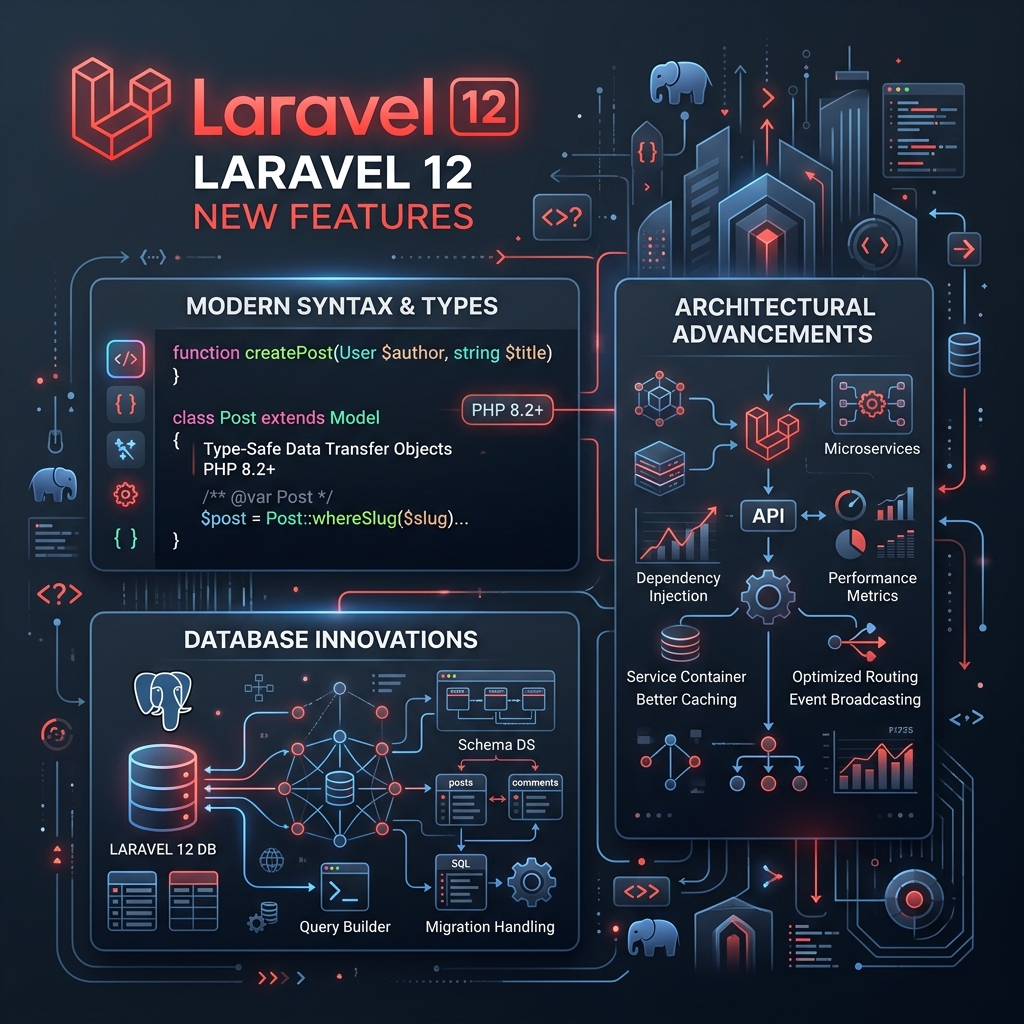
- Backend: For robust, maintainable, and scalable backend services, I often lean towards frameworks like Laravel (PHP) or Node.js (with Express.js or NestJS). Laravel's strong ecosystem, ORM (Eloquent), and built-in features for authentication, queues, and caching make it incredibly efficient for rapid development while providing a solid foundation for scaling. Python with Django or Flask is another excellent choice, especially if AI/ML integration is a core future component.
    // Example: A simple Laravel API endpoint for fetching courses
    Route::get('/courses', function () {
        return Course::with('instructor')->paginate(15);
    });
    // Example: A React component for a course listing
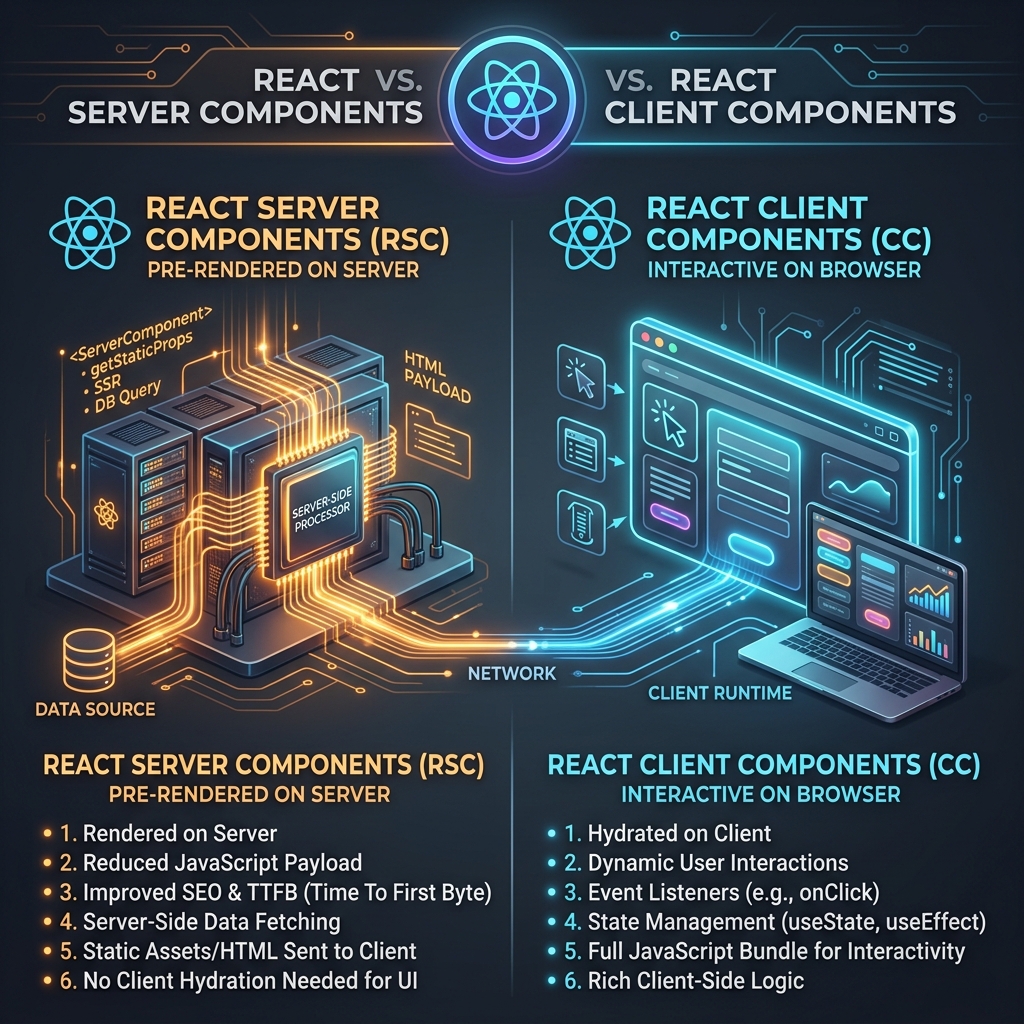
    import React, { useState, useEffect } from 'react';

    function CourseList() {
      const [courses, setCourses] = useState([]);

      useEffect(() => {
        fetch('/api/courses')
          .then(res => res.json())
          .then(data => setCourses(data));
      }, []);

      return (
        <div>
          {courses.map(course => (
            <div key={course.id}>
              <h3>{course.title}</h3>
              <p>{course.description}</p>
            </div>
          ))}
        </div>
      );
    }
    export default CourseList;
Designing for Future Scalability (Even in an MVP)
Even with an MVP, certain architectural patterns should be adopted to prevent costly rewrites. This includes microservices-lite, API-first design, and stateless architecture.
- API-First Approach: Treat your backend as an API provider from the outset. This decouples the frontend from the backend, allowing independent development and easier integration with other services (e.g., mobile apps, partner platforms like AECC Global's agent portals).
- Stateless Services: Design your backend services to be stateless. This means no user session data should be stored on the server itself. Instead, use tokens (e.g., JWT) or external session stores (e.g., Redis). This makes it easy to scale horizontally by adding more server instances behind a load balancer.
- Modular Codebase: While not full microservices, organize your code into logical modules (e.g.,
Users,Courses,Enrollments). This makes it easier to extract services later if needed.
Scaling Up: From Early Adopters to Growth Trajectory
Once your MVP validates the market, the focus shifts to robust growth. This phase demands careful consideration of infrastructure, performance optimization, and data management to ensure your education software scaling is sustainable.
Cloud Infrastructure and Auto-Scaling
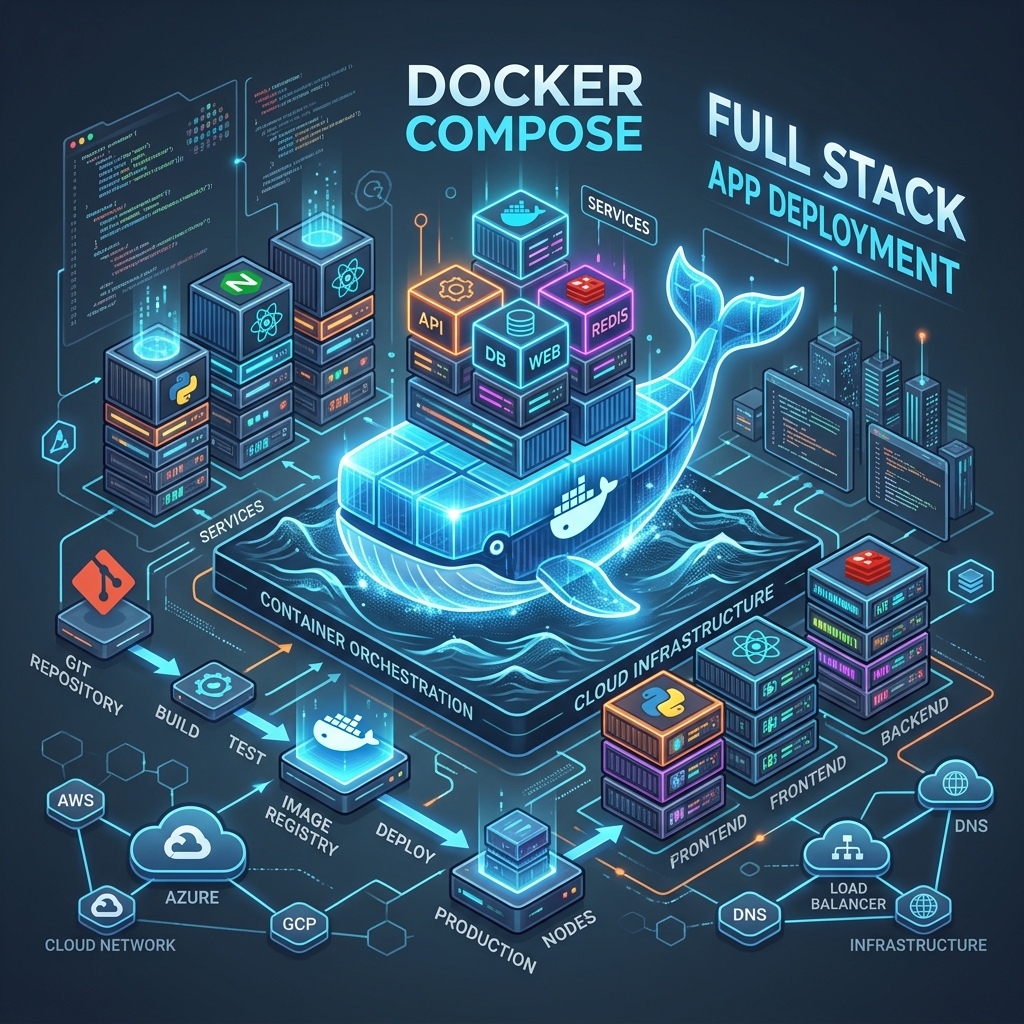
Leveraging cloud providers like AWS, Google Cloud, or Azure is almost a non-negotiable for scalable EdTech applications. They offer flexible, on-demand resources that can adapt to fluctuating user loads.
- Elastic Compute: Services like AWS EC2 Auto Scaling groups or Google Compute Engine Managed Instance Groups automatically adjust the number of server instances based on predefined metrics (e.g., CPU utilization, request queue length). This is crucial for handling peak enrollment periods or live class surges.
- Managed Databases: Utilize managed database services (e.g., AWS RDS, Google Cloud SQL) to offload database administration tasks like backups, patching, and replication. For read-heavy workloads, consider read replicas to distribute query load.
- Content Delivery Networks (CDNs): For a global user base, a CDN (e.g., Cloudflare, AWS CloudFront) is essential. It caches static assets (images, videos, JavaScript, CSS) closer to users, drastically reducing latency and improving perceived performance. This is especially vital for rich media educational content.
Performance Optimization and Monitoring
Performance bottlenecks can quickly cripple a growing EdTech platform. Proactive monitoring and optimization are key.
- Caching Strategies: Implement multiple layers of caching.
- Browser Caching: For static assets.
- Application Caching: In-memory caches (e.g., APCu for PHP, application-level caches for Node.js) for frequently accessed data.
- Distributed Caching: Redis or Memcached for shared session data, API responses, or database query results.
    // Example: Caching a query result in Laravel using Redis
    $courses = Cache::remember('all_active_courses', 60*60, function () {
        return Course::where('status', 'active')->get();
    });
EXPLAIN in MySQL/PostgreSQL.The Enterprise Leap: Architecture for Global Scale
Reaching enterprise scale for EdTech means handling millions of users, complex integrations, stringent security requirements, and potentially diverse regulatory environments. This is where edtech enterprise architecture truly comes into its own.
Microservices and Event-Driven Architecture
Moving beyond a monolithic application becomes essential for large-scale, complex EdTech platforms.
- Microservices: Break down the application into smaller, independently deployable services, each responsible for a specific business capability (e.g., User Management, Course Catalog, Payment Gateway, Learning Analytics). This allows teams to work independently, choose optimal technologies for each service, and scale individual components as needed.
- Advantages: Improved fault isolation, independent deployment, technology diversity, better scalability.
- Challenges: Increased operational complexity, distributed data management, inter-service communication overhead.
- Event-Driven Architecture (EDA): Use message queues (e.g., Apache Kafka, RabbitMQ, AWS SQS) to facilitate asynchronous communication between microservices. When an event occurs (e.g., "user enrolled in course"), a message is published to a queue, and interested services subscribe to react to it. This decouples services, improves resilience, and enables real-time data processing for features like personalized learning paths or instantaneous notifications.
    # Conceptual diagram for Event-Driven Microservices
    User Service -> (Event: UserRegistered) -> Message Queue
    Course Service -> (Event: CourseUpdated) -> Message Queue
    Enrollment Service <- (Consumes: UserRegistered, CourseUpdated) -> Processes Enrollment
    Notification Service <- (Consumes: UserRegistered, CourseUpdated, EnrollmentProcessed) -> Sends Notifications
Data Management and Analytics at Scale
Data is the lifeblood of EdTech. At enterprise scale, managing and extracting insights from vast datasets is critical.
- Polyglot Persistence: Different services might use different databases optimized for their specific data access patterns. A user profile service might use a relational DB, while a learning analytics service might use a NoSQL document store (e.g., MongoDB) or a time-series database.
- Data Warehousing and Data Lakes: For comprehensive analytics, aggregate data from various microservices into a centralized data warehouse (e.g., Amazon Redshift, Google BigQuery) or a data lake (e.g., AWS S3). This enables complex queries, historical analysis, and machine learning model training without impacting operational databases.
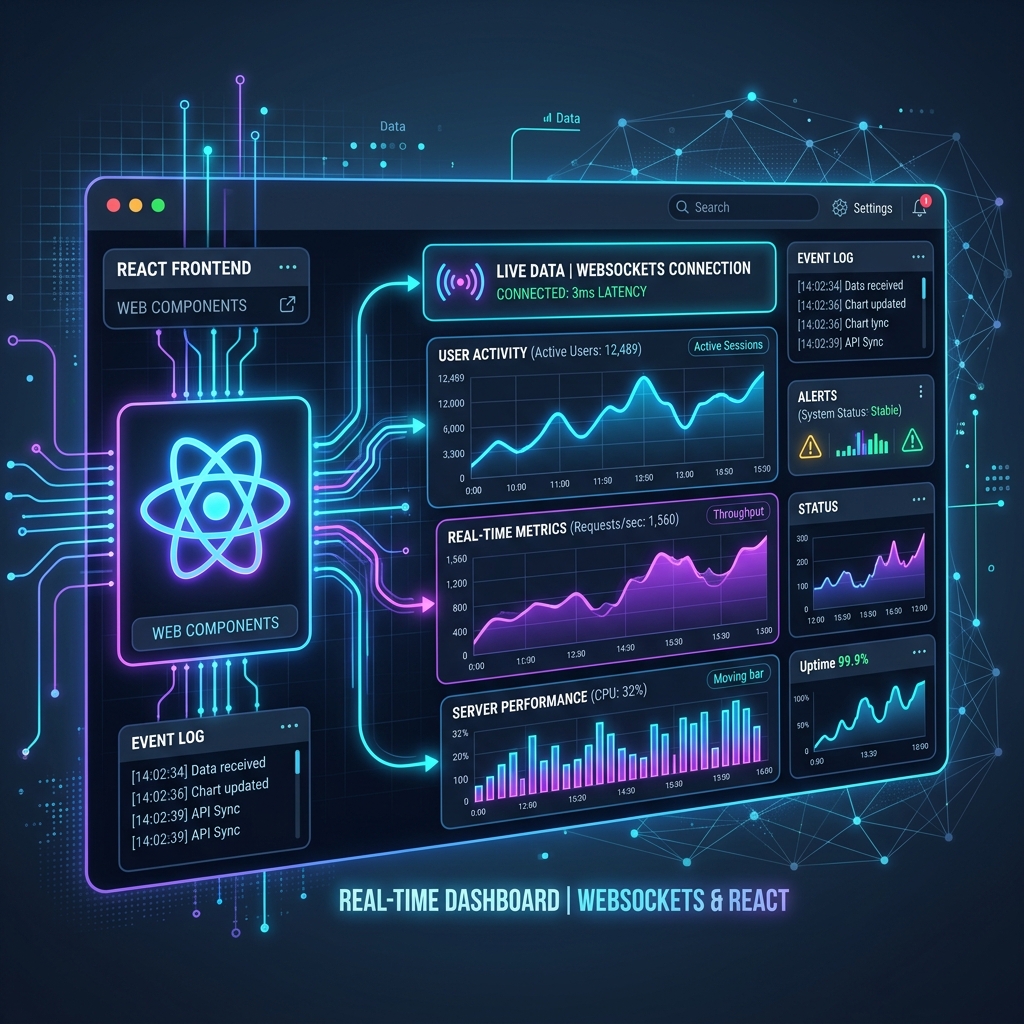
- Real-time Analytics: Integrate streaming data platforms (e.g., Apache Kafka, Flink) to process and analyze learning data in real-time. This can power adaptive learning systems, identify struggling students proactively, or provide immediate feedback to educators.
Security, Compliance, and Integrations
Enterprise EdTech platforms operate in highly regulated environments and require seamless integration with external systems.
- Security by Design: Implement security measures at every layer:
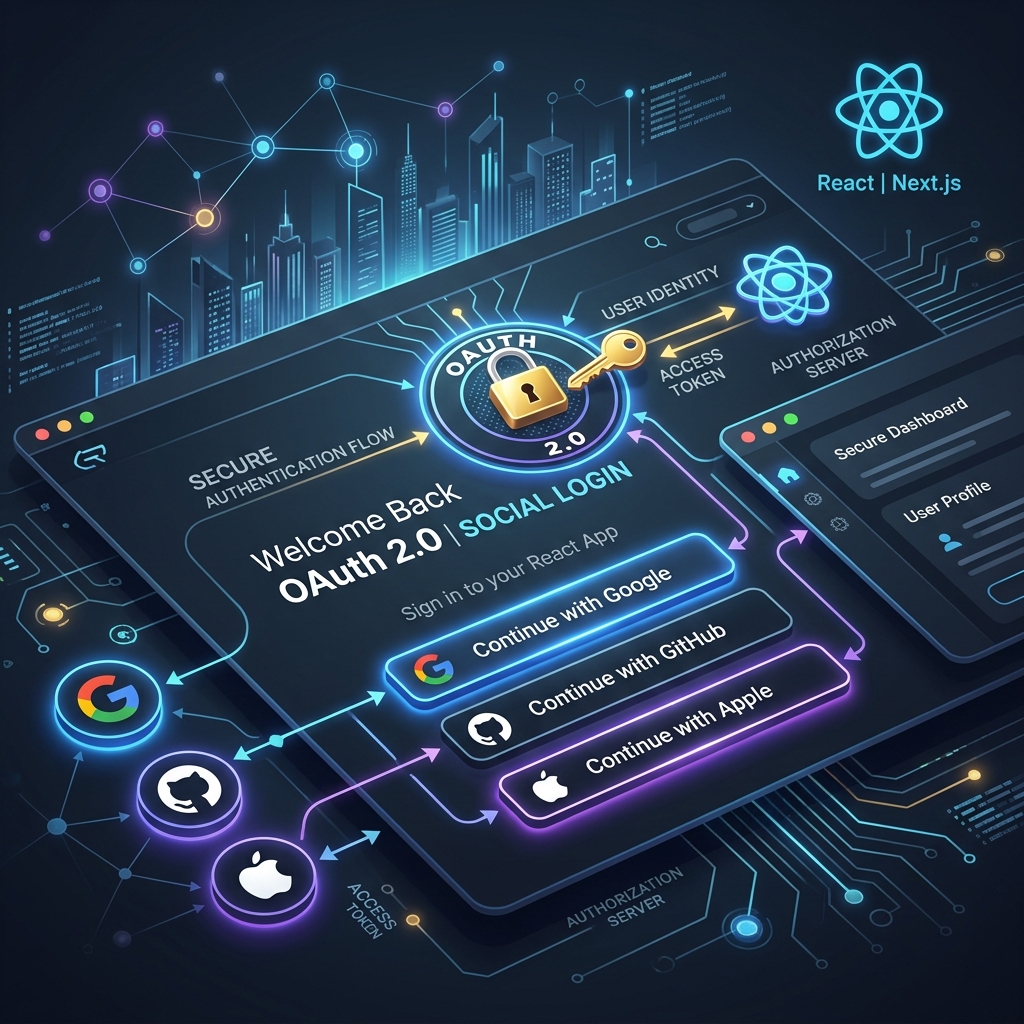
- Authentication & Authorization: OAuth2, OpenID Connect. Role-Based Access Control (RBAC).
- Data Encryption: Encrypt data at rest (database, storage) and in transit (SSL/TLS for all communications).
- Vulnerability Scanning: Regular security audits and penetration testing.
- Compliance: Adhere to regional data privacy regulations like GDPR, FERPA, CCPA, and accessibility standards (WCAG). For study-abroad platforms, compliance with immigration and education regulations is paramount.
- Robust Integration Strategy: EdTech platforms often need to integrate with:
- Learning Management Systems (LMS): Canvas, Moodle, Blackboard.
- Student Information Systems (SIS): Banner, Peoplesoft.
- Payment Gateways: Stripe, PayPal.
- Communication Tools: Zoom, Microsoft Teams, Twilio.
- CRM Systems: Salesforce.
Define clear API contracts, use robust SDKs, and implement error handling and retry mechanisms for integrations.
Key Takeaways for Building Scalable EdTech Applications
- Start with Scalability in Mind: Even for an MVP, make architectural choices (stateless services, API-first) that facilitate future growth.
- Leverage Cloud Power: Utilize managed services, auto-scaling, and CDNs for elastic infrastructure and global reach.
- Optimize Ruthlessly: Implement aggressive caching, optimize database queries, and monitor performance continuously.
- Embrace Microservices and EDA: For enterprise-level complexity, break down monoliths into independent services communicating asynchronously.
- Prioritize Data Strategy: Plan for polyglot persistence, data warehousing, and real-time analytics to extract maximum value from learning data.
- Security and Compliance are Non-Negotiable: Build security into the core design and ensure adherence to relevant regulations.
- Choose the Right Stack: Laravel and Next.js offer a powerful combination for rapid development and high performance.
FAQ: Scalable EdTech Applications
Q1: What's the biggest mistake EdTech startups make regarding scalability?
A1: The most common mistake is underestimating future load and building a monolithic application without considering horizontal scaling, proper database indexing, or caching from the outset. This leads to costly refactoring or complete rewrites when user numbers rapidly increase.
Q2: How do you choose between a monolithic and microservices architecture for an EdTech platform?
A2: For an MVP or early-stage startup, a well-architected monolith (often called a "modular monolith") is usually more efficient for rapid development and deployment. Microservices introduce significant operational complexity. Transition to microservices when your team grows, the application becomes too complex for a single codebase, or specific services require independent scaling or technology choices.
Q3: What role does AI/ML play in scalable EdTech applications?
A3: AI/ML is becoming increasingly important for personalization, adaptive learning paths, intelligent content recommendations, automated grading, and predictive analytics (e.g., identifying at-risk students). Integrating AI/ML capabilities, often as separate microservices, enhances the learning experience and overall platform intelligence. This requires a robust data infrastructure to feed and train models.
Q4: How do I ensure data security and privacy in a scalable EdTech system?
A4: Data security and privacy are paramount. Implement end-to-end encryption, strong authentication (MFA), role-based access control, and regular security audits. Crucially, ensure your architecture and data handling practices comply with relevant regulations like GDPR, FERPA, and CCPA, which often have specific requirements for educational data.
Q5: What are the key metrics to monitor for an EdTech platform's performance?
A5: Key metrics include:
- Response Times: API latency, page load times.
- Error Rates: HTTP 5xx errors, application errors.
- Resource Utilization: CPU, memory, disk I/O for servers and databases.
- Database Performance: Query execution times, connection pool usage.
- Queue Lengths: For asynchronous tasks.
- User Experience Metrics: Core Web Vitals (LCP, FID, CLS) for frontend performance.
Looking to build an EdTech platform, student CRM, or admission management system? I specialize in developing scalable education technology solutions using Laravel, React, and cloud infrastructure. Whether you're a study-abroad agency, EdTech startup, or university looking for custom software development, blank" rel="noopener noreferrer" style="color: var(--primary); text-decoration: none; border-bottom: 1px dashed var(--primary);">let's discuss your project. Check out my portfolio and technical expertise to see how I can help bring your vision to life.