How to Build and Sell API Products: Your Developer Monetization Guide 2026
The digital economy of 2026 isn't just about building applications; it's about building ecosystems. As a seasoned full-stack developer, I've witnessed firsthand the paradigm shift from monolithic applications to interconnected services. APIs are no longer just an implementation detail; they are the products themselves. The ability to abstract complex functionalities into a consumable, well-documented interface has become one of the most lucrative skills in the developer arsenal. If you've ever considered turning your technical prowess into a scalable income stream, this guide is for you.
Forget the traditional nine-to-five grind. The API economy offers an unprecedented opportunity for developers to generate significant side income, or even build a full-fledged SaaS API business. From automating mundane tasks to providing cutting-edge AI capabilities, the market for robust, reliable APIs is exploding. Industry reports project the API management market to reach an astounding $13.7 billion by 2027, growing at a CAGR of over 26% from 2022. This isn't just a trend; it's a foundational shift in how software is built and consumed. Let's dive deep into how you, as a developer, can build and sell API products and carve out your niche in this booming landscape.
Section 1: Identifying Your Niche and Validating Your API Idea
The first step to building a successful API product is not coding, but strategic thinking. Many developers jump straight into implementation, only to find their meticulously crafted API gathering digital dust. In 2026, market validation is paramount.
1.1 Pinpointing Market Gaps and Developer Pain Points
Think about the repetitive tasks you or your colleagues face daily. Are there complex algorithms you've written that could be productized? Do existing services lack a specific feature or integration? This is where your developer expertise shines. Look for opportunities where an API can provide significant value by saving time, reducing costs, or enabling new functionalities.
For example, consider the burgeoning need for AI-powered content generation and analysis. While large models exist, a specialized API that fine-tunes a model for specific industry jargon or compliance checks could be gold. Or perhaps an API that simplifies complex financial calculations for fintech startups.
LSI Keywords: market research, problem-solving, value proposition, competitive analysis, developer tools.
1.2 Validating Demand and Competitive Landscape
Once you have a few ideas, it's crucial to validate them. This isn't about building a full product, but about gauging interest.
- Surveys and Interviews: Talk to potential users. What are their biggest frustrations? How much would they pay for a solution?
- Competitor Analysis: Who else is in this space? What are their strengths and weaknesses? Can you offer a superior experience, better pricing, or a unique feature set? Look at platforms like RapidAPI or Product Hunt to see what's trending.
- Minimum Viable Product (MVP) Landing Page: Create a simple landing page describing your API product idea. Collect email addresses from interested users. This low-cost approach validates demand before you write a single line of production code.
Definition: A Minimum Viable Product (MVP), in the context of an API, is the version of a new API product that allows a team to collect the maximum amount of validated learning about customers with the least effort. It typically includes core functionality necessary to solve a user's primary problem.
Section 2: Designing a Robust and Developer-Friendly API
A brilliant idea falls flat without excellent execution. Your API's design is its first impression, and in 2026, developers expect nothing less than intuitive, well-documented, and performant interfaces.
2.1 API Design Principles: REST, GraphQL, and Beyond
While RESTful APIs remain a dominant standard, GraphQL is gaining significant traction for its efficiency and flexibility. Consider which paradigm best suits your API's purpose.
- REST (Representational State Transfer): Stateless, resource-oriented (e.g.,
/users,/products). Excellent for simple CRUD operations and widely understood. - GraphQL: Allows clients to request exactly the data they need, reducing over-fetching and under-fetching. Ideal for complex data structures and mobile applications.
Whichever you choose, adhere to best practices:
- Predictable Endpoints: Use clear, logical URLs (e.g.,
/api/v1/users/{id}). - Consistent Naming Conventions: CamelCase or snake_case for parameters and fields.
- Meaningful HTTP Status Codes: 200 OK, 201 Created, 400 Bad Request, 401 Unauthorized, 404 Not Found, 500 Internal Server Error.
- Versioning: Essential for future compatibility (e.g.,
/v1/,/v2/).
LSI Keywords: API architecture, data models, security best practices, scalability, API gateway.
2.2 Crafting Impeccable Documentation
Documentation is not an afterthought; it's an integral part of your API product. Poor documentation is one of the biggest deterrents for developers. Use tools like OpenAPI (Swagger) to define your API spec, which can then auto-generate interactive documentation portals.
Example OpenAPI (YAML) Snippet for a simple user API:
openapi: 3.0.0
info:
  title: User Management API
  version: 1.0.0
  description: A simple API for managing users
servers:
  - url: https://api.yourdomain.com/v1
paths:
  /users:
    get:
      summary: Get all users
      responses:
        '200':
          description: A list of users
          content:
            application/json:
              schema:
                type: array
                items:
                  $ref: '#/components/schemas/User'
    post:
      summary: Create a new user
      requestBody:
        required: true
        content:
          application/json:
            schema:
              $ref: '#/components/schemas/NewUser'
      responses:
        '201':
          description: User created
          content:
            application/json:
              schema:
                $ref: '#/components/schemas/User'
components:
  schemas:
    User:
      type: object
      properties:
        id:
          type: integer
          format: int64
        name:
          type: string
        email:
          type: string
          format: email
    NewUser:
      type: object
      properties:
        name:
          type: string
        email:
          type: string
          format: email
Your documentation should include:
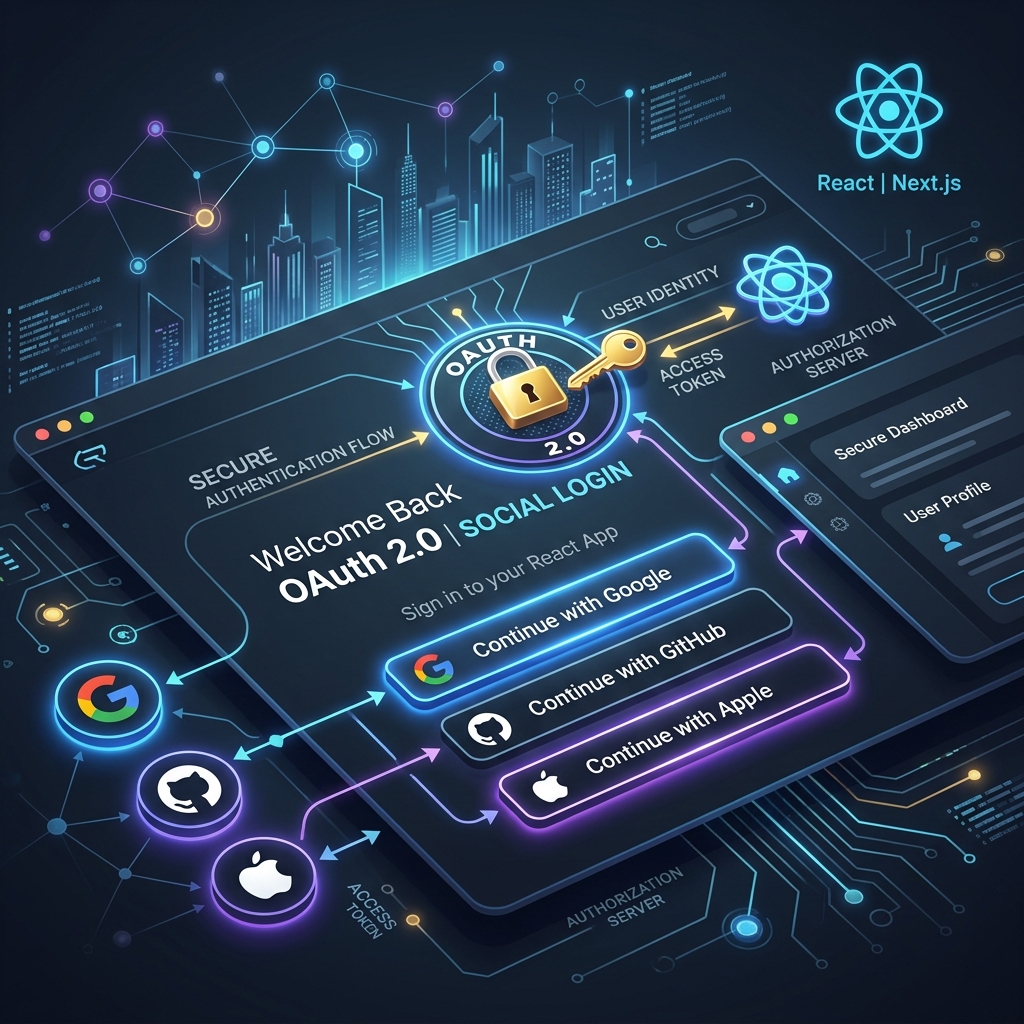
- Authentication methods (API keys, OAuth 2.0).
- Clear endpoint descriptions, request parameters, and response examples.
- Code snippets in popular languages (Python, JavaScript, PHP, Ruby).
- Error codes and troubleshooting guides.
- Rate limits and usage policies.
For a deeper dive into API design best practices, refer to the API Design Guide.
2.3 Choosing Your Tech Stack and Infrastructure
Your tech stack will depend on your expertise and API requirements. As a full-stack developer, you likely have preferences.
- Backend Frameworks: Laravel (PHP), Next.js (Node.js/React), Django (Python), Spring Boot (Java).
- Databases: MySQL, PostgreSQL for relational data; MongoDB, DynamoDB for NoSQL.
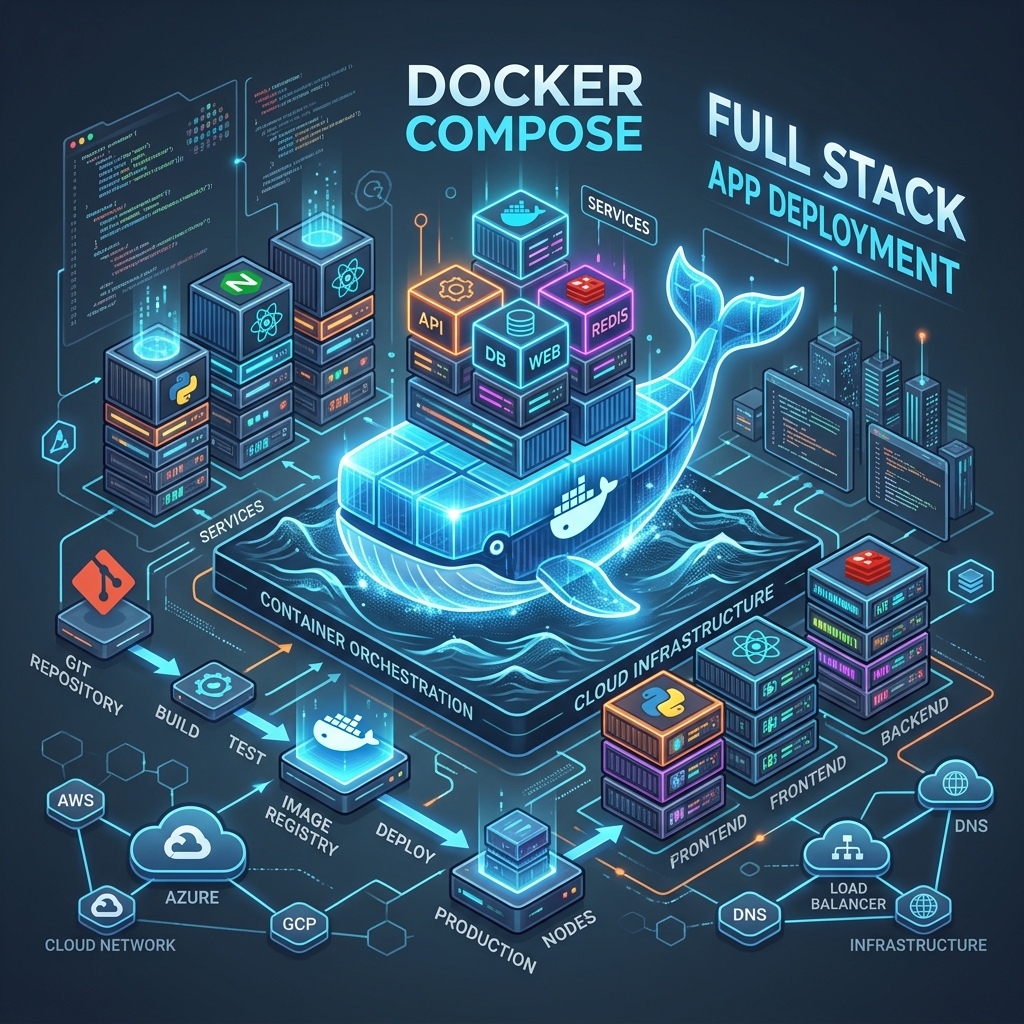
- Cloud Providers: AWS, Google Cloud, Azure. These offer robust API Gateway services, serverless functions (AWS Lambda, Google Cloud Functions), and scalable databases.
- Security: Implement robust authentication (e.g., API keys, JWT, OAuth 2.0), input validation, and protect against common vulnerabilities like SQL injection and XSS.
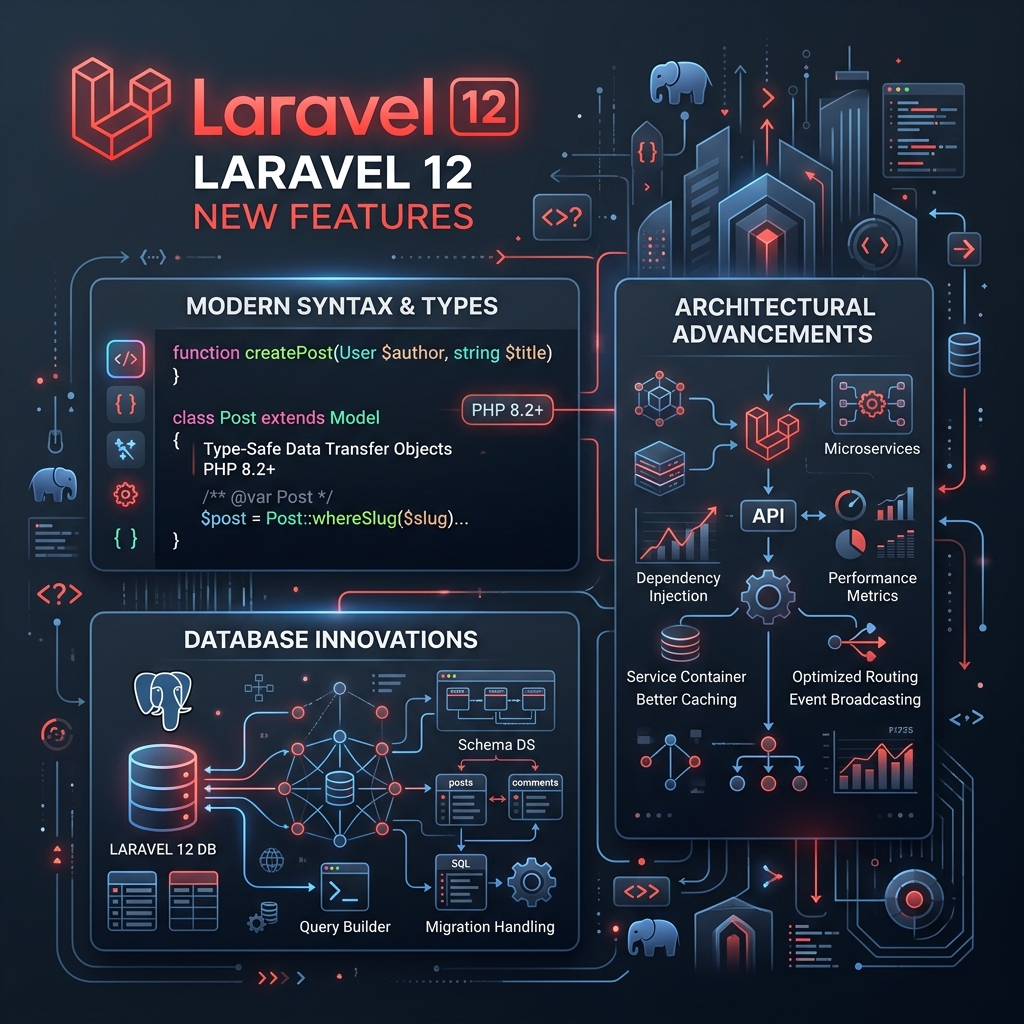
Example: Laravel API Route with Authentication
// routes/api.php
use Illuminate\Http\Request;
use Illuminate\Support\Facades\Route;

Route::middleware('auth:sanctum')->get('/user', function (Request $request) {
    return $request->user();
});

Route::middleware('auth:sanctum')->group(function () {
    Route::post('/products', [\App\Http\Controllers\ProductController::class, 'store']);
    Route::get('/products/{id}', [\App\Http\Controllers\ProductController::class, 'show']);
});
This Laravel snippet demonstrates how to protect API routes using Sanctum for API token authentication, a common pattern for SaaS APIs.
Section 3: Implementing Security, Scalability, and Monitoring
A successful API product isn't just about functionality; it's about reliability and trust. Your users need to know their data is secure and your service will be available when they need it.
3.1 Robust API Security Measures
Security breaches can instantly destroy your API's reputation. Prioritize security from day one.
- Authentication & Authorization: API keys are common for simple access. For more complex scenarios, OAuth 2.0 provides delegated authorization. Implement role-based access control (RBAC) if different user types have varying permissions.
- Input Validation: Sanitize and validate all incoming data to prevent injection attacks.
- Rate Limiting: Protect your API from abuse and DDoS attacks. This also ensures fair usage for all customers.
- Encryption: Use HTTPS/SSL for all communications. Encrypt sensitive data at rest.
- Regular Security Audits: Continuously scan for vulnerabilities using tools like OWASP ZAP.
3.2 Building for Scalability and Performance
As your API gains traction, it needs to handle increased load without degradation.
- Statelessness: Design your API to be stateless, making it easier to scale horizontally.
- Caching: Implement caching strategies (e.g., Redis, Memcached) for frequently accessed data.
- Load Balancing: Distribute incoming requests across multiple instances of your API.
- Database Optimization: Optimize queries, use proper indexing, and consider database scaling solutions (read replicas, sharding).
- Serverless Functions: For specific functionalities, serverless architectures (AWS Lambda, Google Cloud Functions) can provide automatic scaling and cost efficiency.
3.3 Monitoring, Logging, and Alerting
You can't fix what you can't see. Comprehensive monitoring is crucial for maintaining a healthy API.
- API Monitoring Tools: Use services like Datadog, New Relic, or Prometheus to track latency, error rates, and uptime.
- Structured Logging: Implement detailed logging (e.g., using ELK Stack, Splunk) to track requests, responses, and errors. This is invaluable for debugging and auditing.
- Alerting: Set up alerts for critical issues (e.g., high error rates, service outages) to ensure you can respond quickly.
LSI Keywords: uptime, fault tolerance, data privacy, performance metrics, incident response.
Section 4: Monetization Strategies and Pricing Models
This is where your developer side income truly takes shape. Choosing the right API monetization strategy is critical for long-term success.
4.1 Common API Pricing Models
In 2026, a blend of pricing models often works best, allowing you to cater to different user segments.
- Freemium: Offer a basic free tier with limited requests or features. This lowers the barrier to entry and allows users to try before they buy.
- Pay-as-you-go (Usage-Based): Charge per API call, data processed, or specific feature used. Ideal for variable usage patterns.
- Tiered Subscriptions: Offer different plans (e.g., Basic, Pro, Enterprise) with varying rate limits, features, and support levels.
- Revenue Share: Less common, but sometimes applicable if your API directly contributes to a partner's revenue.
Comparison Table: API Pricing Models
| Model | Pros | Cons | Best For |
| Freemium | Low barrier, user acquisition | Higher infrastructure costs, abuse risk | Broad appeal, viral growth |
| Pay-as-you-go | Flexible, scales with usage, fair | Unpredictable revenue, complex billing | Variable consumption, high-value operations |
| Tiered Subs | Predictable revenue, clear value props | Less flexible, can deter small users | Consistent usage, varied feature needs |
4.2 Building a Developer Portal and Billing System
Your developer portal is the storefront for your API. It should provide:
- Self-service signup: Allow developers to easily register and get API keys.
- Documentation: As discussed, this is paramount.
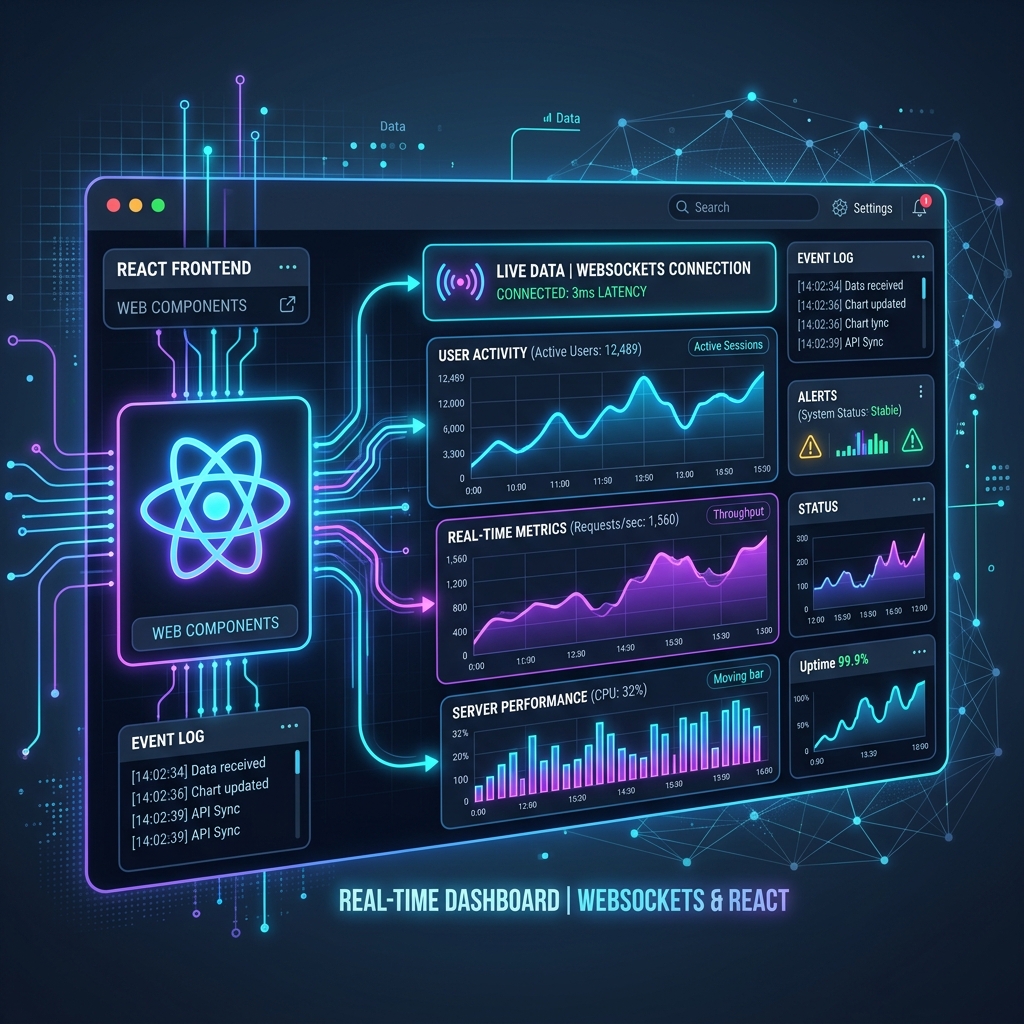
- Dashboard: Users should be able to view their usage, manage API keys, and access billing information.
- Support Resources: FAQs, forums, and contact options.
For billing, consider integrating with established payment gateways like Stripe or Paddle. They offer robust APIs for subscription management, usage-based billing, and handling various payment methods globally. This frees you from building complex billing infrastructure.
LSI Keywords: pricing strategy, customer acquisition, subscription management, payment processing, developer experience.
Section 5: Marketing Your API Product and Cultivating a Developer Community
Building a great API is only half the battle. To truly build and sell API products, you need to reach your audience and foster a thriving community.
5.1 Reaching Your Target Developers
Think like a marketer, but speak like a developer.
- Developer Marketplaces: List your API on platforms like RapidAPI, Postman API Network, or AWS Marketplace. These are discovery hubs for developers.
- Content Marketing: Write blog posts, tutorials, and case studies demonstrating how your API solves real-world problems. Link to your /blog for more examples.
- Open Source Contributions: If applicable, open-sourcing parts of your API or related tools can build trust and visibility.
- Developer Relations (DevRel): Engage with developer communities on forums (Stack Overflow, Reddit), attend virtual hackathons, and speak at conferences. Share your expertise and passion. My professional background includes significant DevRel work, which has consistently proven to be a high-ROI activity. You can see some of my contributions and talks on my /experience page.
5.2 Fostering a Supportive Developer Community
A strong community can drive adoption, provide feedback, and even contribute to your API's ecosystem.
- Dedicated Support Channels: Offer a clear way for developers to get help (e.g., Slack channel, Discord server, dedicated forum).
- Feedback Loops: Actively solicit feedback on your API, documentation, and features. Implement a roadmap that reflects user needs.
- Showcase Integrations: Highlight successful projects built using your API. This inspires other developers and demonstrates value. You can see some of my own projects using various APIs on my /projects page.
- SDKs and Libraries: Provide client libraries in popular languages to make integration even easier. For instance, a React or Next.js hook for your API can significantly reduce developer friction.
LSI Keywords: developer evangelism, community building, API adoption, go-to-market strategy, feedback mechanism.
Key Takeaways
- Validate first: Don't code before you confirm market demand.
- Design for developers: Intuitive design and excellent documentation are non-negotiable.
- Security is paramount: Protect your API and your users' data.
- Choose the right monetization strategy: Tailor pricing to different user segments.
- Market effectively: Engage with developers where they are.
- Build a community: Foster trust and gather feedback.
FAQ: Building and Selling API Products
Q1: What is an API product?
A1: An API product is a software service that exposes specific functionalities or data through a programmable interface, which developers can integrate into their own applications. Unlike internal APIs, API products are designed to be consumed by external users, often for a fee, and require robust documentation, support, and a clear monetization strategy.
Q2: How do I secure my API product in 2026?
A2: In 2026, securing an API product involves a multi-layered approach. This includes strong authentication (API keys, OAuth 2.0, JWT), rigorous input validation, HTTPS encryption, robust rate limiting, constant security monitoring, and regular vulnerability assessments. Adhering to standards like OWASP API Security Top 10 is crucial.
Q3: What are the most effective ways to monetize an API?
A3: The most effective API monetization strategies often combine a freemium model to attract users, with tiered subscriptions or pay-as-you-go pricing for scaling usage. Some APIs also explore revenue share or custom enterprise plans. The best approach depends on your API's value, target audience, and usage patterns.
Q4: How important is documentation for an API product?
A4: Documentation is critically important; it's the user manual for your API. Poor documentation is a leading cause of developer frustration and low adoption. Comprehensive, clear, and interactive documentation (often generated via OpenAPI/Swagger) with code examples in multiple languages is essential for a successful API product.
Q5: What technical skills are most valuable for building API products?
A5: As a senior full-stack developer, I'd emphasize strong backend development skills (e.g., Node.js with Next.js, PHP with Laravel, Python with Django), database management (MySQL, PostgreSQL), cloud infrastructure (AWS, GCP, Azure), API design principles (REST, GraphQL), security best practices, and experience with monitoring and logging tools. Familiarity with frontend frameworks like React can also help in building developer portals or example applications. You can review my specific tech stack expertise on my /skills page.
---
The journey to build and sell API products is challenging