How International Student Recruitment Platforms Work Behind the Scenes: A Deep Dive into EdTech Architecture
The global higher education landscape is a massive, intricate web, particularly when it comes to international student mobility. Universities worldwide are vying for top talent, and students are searching for the perfect academic fit, often across continents. This complex matching process, once dominated by manual agents and fragmented systems, has been revolutionized by sophisticated EdTech platforms. Companies like ApplyBoard, Edvoy, and AECC Global have emerged as powerhouses, streamlining everything from discovery to enrollment. But have you ever wondered what truly happens under the hood? As a full-stack developer who's spent years architecting and building these very systems, I can tell you it's a fascinating blend of advanced algorithms, robust data pipelines, and intricate integration strategies.
The challenge isn't just connecting students to institutions; it's doing so at scale, with accuracy, and while navigating a labyrinth of visa regulations, admission criteria, and cultural nuances. Traditional CRMs simply don't cut it. We're talking about platforms that ingest millions of data points, apply machine learning to predict student success, automate communication workflows, and integrate with dozens of disparate university systems. This isn't just software development; it's building a digital bridge between aspirations and opportunities, demanding a deep understanding of both technology and the international education domain.
The Core Blueprint: Understanding Student Recruitment Platform Architecture
At its heart, a student recruitment platform architecture is designed to facilitate the matching and application process for international students. It's a multi-tenant, highly scalable system that balances the needs of three primary user groups: students, educational institutions (universities, colleges), and recruitment partners (agents, counselors). Building such a platform requires a microservices-oriented approach, focusing on modularity, resilience, and independent scalability of components.
Microservices for Scalability and Resilience
From a backend perspective, we often break down the system into distinct microservices. This allows different teams to work on specific functionalities without stepping on each other's toes, and enables independent scaling of high-traffic components. For instance, the student profile management service might handle hundreds of thousands of requests daily, while the university course catalog sync service runs less frequently.
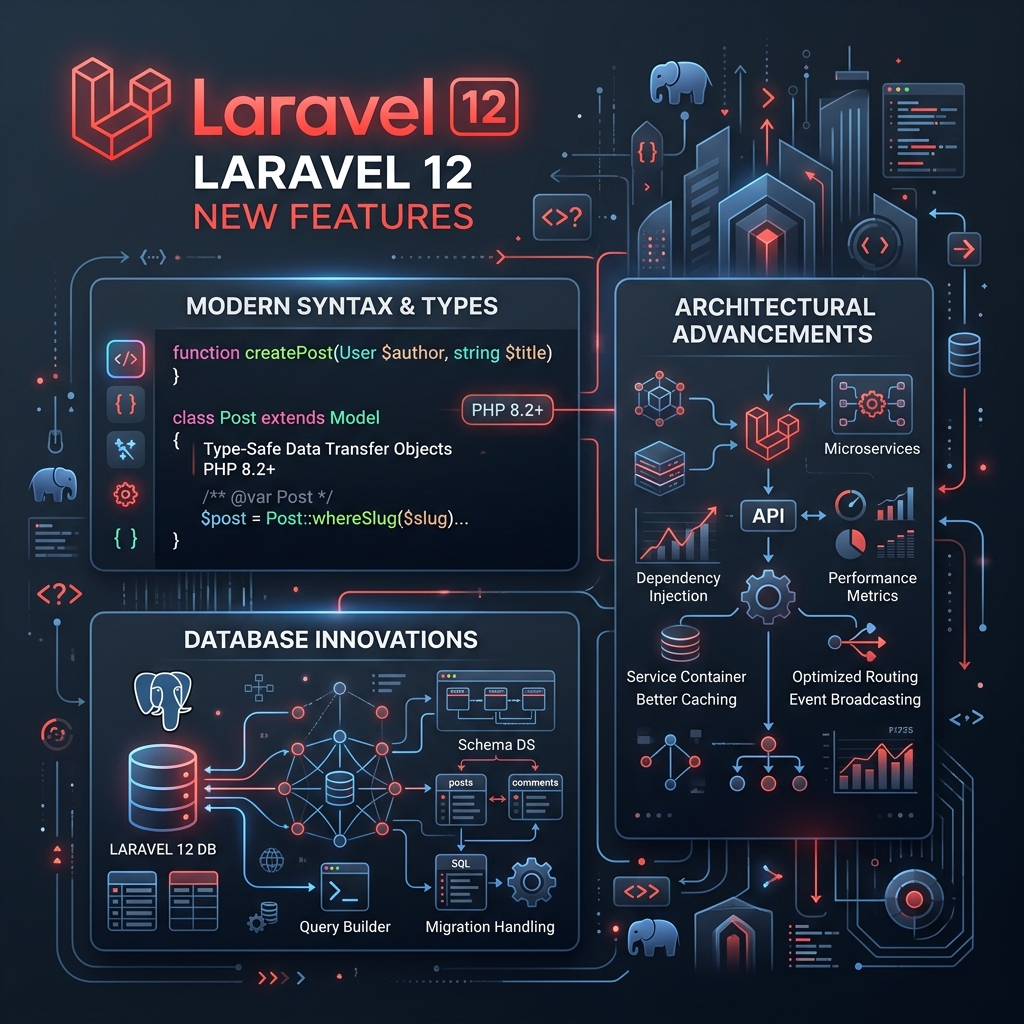
Here’s a simplified illustration of how a microservice might be structured using a Laravel API and a React/Next.js frontend:
// app/Http/Controllers/StudentProfileController.php (Laravel backend)

namespace App\Http\Controllers;

use App\Models\Student;
use Illuminate\Http\Request;
use Illuminate\Support\Facades\Validator;

class StudentProfileController extends Controller
{
    public function updateProfile(Request $request, Student $student)
    {
        $validator = Validator::make($request->all(), [
            'first_name' => 'required|string|max:255',
            'last_name' => 'required|string|max:255',
            'email' => 'required|email|unique:students,email,' . $student->id,
            'academic_history' => 'nullable|json',
            'test_scores' => 'nullable|json',
            // ... more validation rules
        ]);

        if ($validator->fails()) {
            return response()->json(['errors' => $validator->errors()], 422);
        }

        $student->update($request->all());

        return response()->json(['message' => 'Profile updated successfully', 'student' => $student], 200);
    }

    // ... other methods for fetching profile, documents, etc.
}
// components/StudentProfileForm.js (Next.js/React frontend)

import React, { useState, useEffect } from 'react';
import axios from 'axios';

const StudentProfileForm = ({ studentId }) => {
  const [profile, setProfile] = useState({});
  const [loading, setLoading] = useState(true);
  const [error, setError] = useState(null);

  useEffect(() => {
    const fetchProfile = async () => {
      try {
        const response = await axios.get(`/api/students/${studentId}/profile`);
        setProfile(response.data.student);
      } catch (err) {
        setError(err);
      } finally {
        setLoading(false);
      }
    };
    fetchProfile();
  }, [studentId]);

  const handleSubmit = async (e) => {
    e.preventDefault();
    try {
      const response = await axios.put(`/api/students/${studentId}/profile`, profile);
      console.log('Profile updated:', response.data);
      // Show success message
    } catch (err) {
      setError(err);
      // Show error message
    }
  };

  const handleChange = (e) => {
    const { name, value } = e.target;
    setProfile(prevProfile => ({ ...prevProfile, [name]: value }));
  };

  if (loading) return <p>Loading profile...</p>;
  if (error) return <p>Error loading profile: {error.message}</p>;

  return (
    <form onSubmit={handleSubmit}>
      <input type="text" name="first_name" value={profile.first_name || ''} onChange={handleChange} placeholder="First Name" />
      <input type="text" name="last_name" value={profile.last_name || ''} onChange={handleChange} placeholder="Last Name" />
      {/* ... other profile fields */}
      <button type="submit">Save Profile</button>
    </form>
  );
};

export default StudentProfileForm;
This separation ensures that a failure in the application submission service doesn't bring down the student search functionality. We typically deploy these services using Docker containers orchestrated by Kubernetes on cloud platforms like AWS, Azure, or Google Cloud, achieving high availability and fault tolerance.
Data Management: The Lifeblood of Recruitment
Data is king in EdTech. From student demographics and academic histories to university course requirements and agent performance metrics, the volume and variety of data are immense. A robust data layer is critical. We often employ a polyglot persistence strategy, using different database types for different needs:
- MySQL/PostgreSQL: For structured relational data like user profiles, application statuses, and transactional records.
- MongoDB/DocumentDB: For semi-structured data such as academic documents, resumes, and dynamic forms where schemas can evolve.
- Elasticsearch: For lightning-fast full-text search across course catalogs, university descriptions, and student profiles.
- Redis/Memcached: For caching frequently accessed data and managing real-time notifications.
Data integrity and security are paramount, especially with GDPR and CCPA regulations. We implement stringent access controls, encryption at rest and in transit, and regular auditing.
The Brains of the Operation: Student Matching Algorithms
One of the most complex and valuable components of any student recruitment platform architecture is its matching engine. This isn't just a simple keyword search; it's a sophisticated student matching algorithm designed to connect students with the best-fit programs and institutions based on a multitude of dynamic factors.
The Evolution of Matching: From Rules to AI
Early platforms relied heavily on rule-based systems. A student input their GPA, desired major, and country, and the system would filter based on predefined criteria. While effective to a degree, these systems were rigid and often missed nuanced matches. Modern platforms, like those developed by industry leaders, leverage advanced machine learning:
1. Student Profile Enrichment: Beyond basic demographics, the algorithm considers academic history, English proficiency scores (IELTS/TOEFL), extracurricular activities, career aspirations, financial capabilities, and even soft skills.
2. Program and Institution Data: This includes admission requirements, tuition fees, program duration, campus location, student-faculty ratio, post-graduation employment rates, and cultural environment.
3. Predictive Analytics: Machine learning models (e.g., collaborative filtering, content-based filtering, neural networks) analyze historical data of successful applicants to predict the likelihood of admission and student success for new applicants. This is where Python, with libraries like scikit-learn and TensorFlow, shines.
# Simplified Python example for a basic content-based recommendation
from sklearn.feature_extraction.text import TfidfVectorizer
from sklearn.metrics.pairwise import linear_kernel

def recommend_programs(student_profile_text, program_descriptions, num_recommendations=5):
    """
    Recommends programs based on text similarity between student profile and program descriptions.
    student_profile_text: A string representing the student's profile (e.g., interests, academic goals).
    program_descriptions: A dictionary where keys are program IDs and values are program description strings.
    """

    # Combine student profile and program descriptions for TF-IDF vectorization
    all_texts = [student_profile_text] + list(program_descriptions.values())

    # Create TF-IDF vectorizer
    tfidf_vectorizer = TfidfVectorizer(stop_words='english')
    tfidf_matrix = tfidf_vectorizer.fit_transform(all_texts)

    # Compute cosine similarity between student profile vector and program vectors
    # The first vector in tfidf_matrix corresponds to the student_profile_text
    cosine_similarities = linear_kernel(tfidf_matrix[0:1], tfidf_matrix[1:]).flatten()

    # Get the indices of the top N most similar programs
    program_indices = cosine_similarities.argsort()[:-num_recommendations-1:-1]

    # Map indices back to program IDs
    recommended_program_ids = [list(program_descriptions.keys())[i] for i in program_indices]

    return recommended_program_ids

# Example Usage:
student_text = "I am interested in computer science, artificial intelligence, and software development. My academic goal is to work in tech."
programs = {
    "CS_MIT": "Computer Science program at MIT focusing on AI, machine learning, and data science.",
    "BBA_Harvard": "Business Administration program at Harvard with a focus on finance and management.",
    "SE_Stanford": "Software Engineering program at Stanford, emphasizing full-stack development and algorithms.",
    "Physics_Caltech": "Physics program at Caltech, covering theoretical and experimental physics."
}

recommended = recommend_programs(student_text, programs)
print(f"Recommended Programs: {recommended}")
This approach significantly improves the quality of recommendations, reducing churn for students and increasing successful enrollments for institutions. The algorithms are continuously refined based on feedback loops and new data, making the platform smarter over time. This continuous learning is a hallmark of sophisticated edtech platform internals.
Beyond Matching: Compliance and Eligibility
Matching isn't just about academic fit; it's also about eligibility. Countries have specific visa requirements, universities have minimum English proficiency scores, and some programs require specific prerequisite courses. The matching algorithm must incorporate a complex rules engine to filter out ineligible options, preventing wasted time for both students and universities. This involves integrating with external APIs for real-time currency conversions, visa regulation updates, and standardized test score verification.
Streamlining Operations: Recruitment Automation and Agent Portals
The efficiency of an international student recruitment platform architecture is heavily reliant on its recruitment automation capabilities. This extends beyond just matching students; it encompasses the entire application lifecycle, from initial inquiry to enrollment confirmation.
Automated Workflows and Communication
Imagine the sheer volume of applications, document submissions, and inquiries. Manual processing would be a nightmare. Automation is key:
- Application Submission: Pre-filling forms, validating data, and submitting applications directly to university systems via APIs or custom integrations.
- Document Management: Secure upload, storage, and sharing of academic transcripts, passports, and other supporting documents. Automated checks for completeness and validity.
- Communication: Triggered emails and SMS for application status updates, deadline reminders, interview scheduling, and visa guidance. Chatbots and AI-powered virtual assistants handle routine inquiries, freeing up human counselors for complex cases.
- CRM Integration: Seamless integration with internal CRM systems (e.g., Salesforce, HubSpot, or custom-built solutions) to track student journeys, manage leads, and monitor agent performance.
Here's a conceptual Laravel job that might handle automated application status updates:
// app/Jobs/ProcessApplicationStatusUpdate.php

namespace App\Jobs;

use App\Models\Application;
use App\Mail\ApplicationStatusChanged;
use Illuminate\Bus\Queueable;
use Illuminate\Contracts\Queue\ShouldQueue;
use Illuminate\Foundation\Bus\Dispatchable;
use Illuminate\Queue\InteractsWithQueue;
use Illuminate\Queue\SerializesModels;
use Illuminate\Support\Facades\Mail;
use Illuminate\Support\Facades\Log;

class ProcessApplicationStatusUpdate implements ShouldQueue
{
    use Dispatchable, InteractsWithQueue, Queueable, SerializesModels;

    protected $application;
    protected $newStatus;

    /**
     * Create a new job instance.
     *
     * @param Application $application
     * @param string $newStatus
     */
    public function __construct(Application $application, string $newStatus)
    {
        $this->application = $application;
        $this->newStatus = $newStatus;
    }

    /**
     * Execute the job.
     *
     * @return void
     */
    public function handle()
    {
        try {
            // Update the application status in the database
            $this->application->status = $this->newStatus;
            $this->application->save();

            // Send an email notification to the student
            Mail::to($this->application->student->email)->send(new ApplicationStatusChanged($this->application));

            // Log the update
            Log::info("Application {$this->application->id} status updated to {$this->newStatus}.");

            // Potentially trigger other actions, e.g., notify agent, update CRM
            // Dispatch another job: Dispatch(new SyncApplicationToCRM($this->application));

        } catch (\Exception $e) {
            Log::error("Failed to process application status update for application {$this->application->id}: " . $e->getMessage());
            // Retry mechanism or notify admin
            throw $e; // Re-throw to allow Laravel's queue retries
        }
    }
}
This job would be dispatched whenever an application status changes, ensuring timely and consistent communication without manual intervention.
Empowering Recruitment Partners with Agent Portals
Recruitment agents play a crucial role in international student recruitment. Platforms provide sophisticated agent portals that offer:
- Centralized Student Management: Agents can manage their entire student pipeline, track application progress, and communicate directly with students and platform support.
- Access to Course Catalogs: Real-time access to accurate and up-to-date program information, admission requirements, and commission structures.
- Performance Analytics: Dashboards showing their application success rates, commission earnings, and student demographics, empowering them to optimize their efforts.
- Training Resources: Access to webinars, guides, and compliance training to ensure they are well-equipped to counsel students effectively.
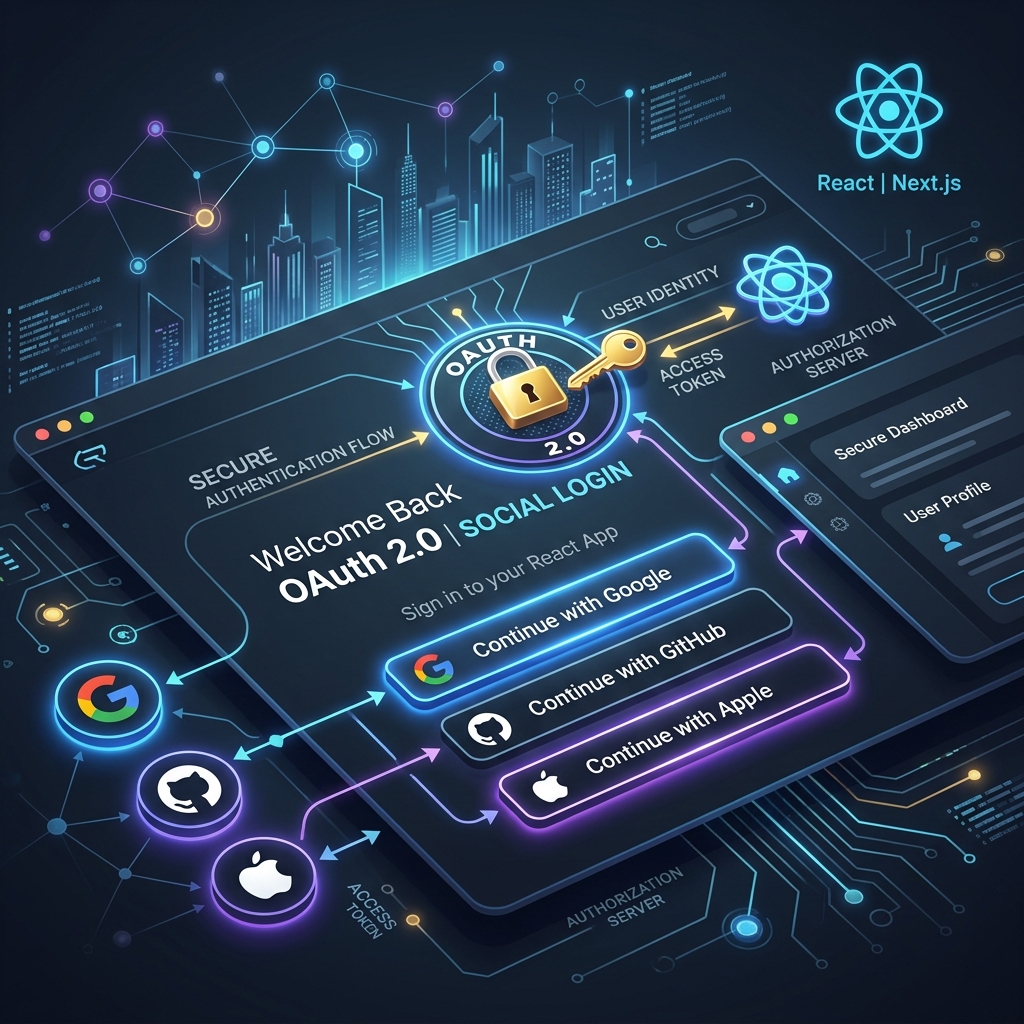
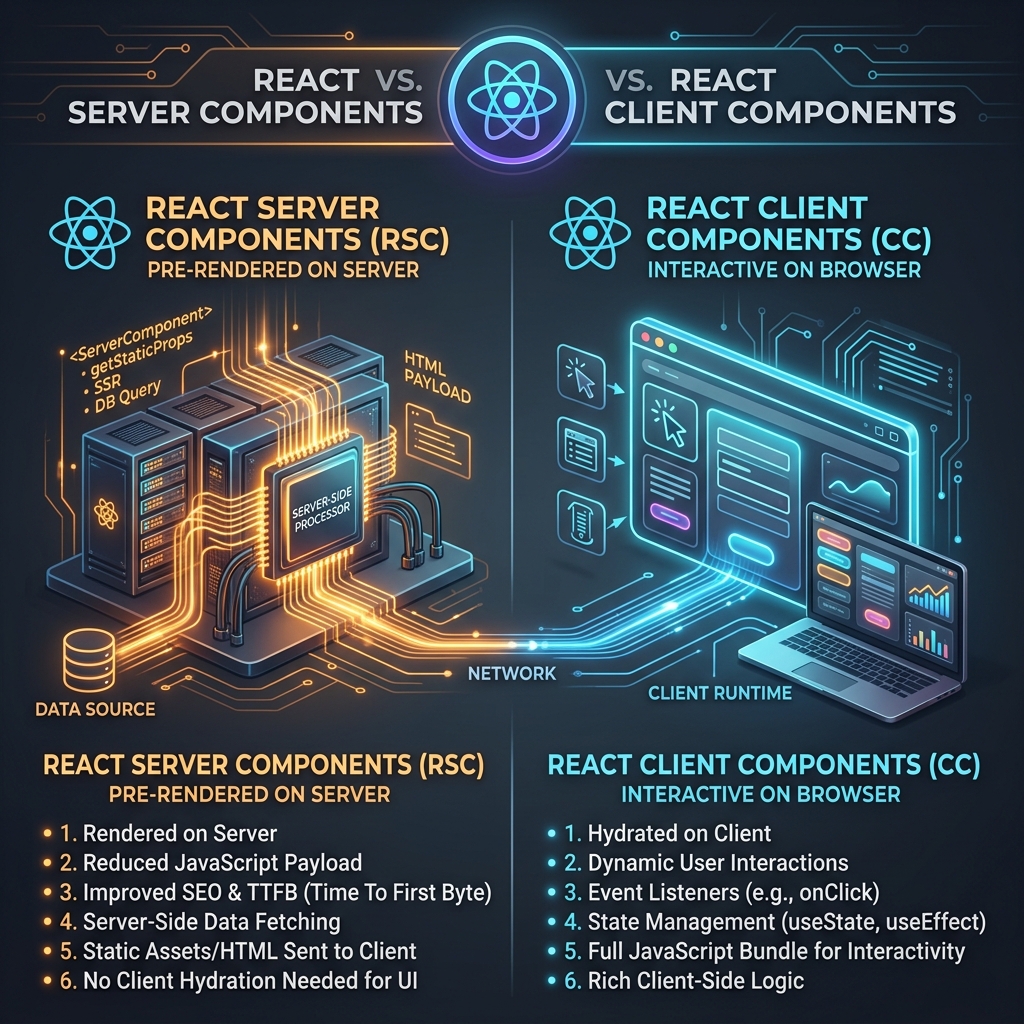
These portals are built with robust authentication and authorization layers, ensuring agents only access data relevant to their students and roles. Technologies like Next.js are perfect for building performant, data-rich dashboards for these portals, offering both server-side rendering (SSR) for initial load speed and client-side interactivity.
The Vendor Ecosystem: Integrations and Partnerships
No international student recruitment platform exists in a vacuum. A key aspect of edtech platform internals is its ability to seamlessly integrate with a vast ecosystem of third-party vendors and institutional systems.
API-First Approach for Seamless Connectivity
Modern platforms adopt an API-first development strategy. This means every core functionality is exposed via well-documented, secure APIs (RESTful or GraphQL). This allows:
- University Integrations: Direct submission of applications, real-time status updates, and automated document transfers to university admission systems (e.g., Banner, Workday, custom portals). This is often the most challenging part due to the diverse and sometimes legacy systems used by institutions.
- Payment Gateways: Integration with international payment providers (e.g., Stripe, Flywire, PayPal) for application fees, tuition deposits, and commission payouts.
- Identity Verification & KYC: Partnering with services for background checks, document verification, and fraud detection.
- CRM/Marketing Automation: Connecting with external marketing platforms for lead nurturing and campaign management.
The complexity lies in managing these integrations. We often use integration platforms as a service (iPaaS) or build custom integration layers with message queues (e.g., Apache Kafka, RabbitMQ) to handle asynchronous communication and ensure data consistency across systems.
Data Security and Compliance
The sheer volume of sensitive personal and academic data mandates the highest standards of data security and compliance. Platforms must adhere to global regulations like GDPR (Europe), CCPA (California), FERPA (US), and country-specific data protection laws. This impacts every layer of the architecture:
- Encryption: All data at rest (database, storage) and in transit (APIs, network) must be encrypted.
- Access Control: Role-based access control (RBAC) ensures users only see data they are authorized to access.
- Auditing and Logging: Comprehensive logs track all data access and modifications for compliance and forensic analysis.
- Regular Security Audits: Penetration testing and vulnerability assessments are critical to identify and remediate potential security flaws.
As of 2025-2026, the emphasis on data privacy is only increasing, with new regulations constantly emerging. Building a platform with security by design, rather than as an afterthought, is non-negotiable.
Performance and Analytics: Powering Growth
The final, crucial pieces of the student recruitment platform architecture are performance monitoring and analytics. Without these, it's impossible to optimize the platform, understand user behavior, and drive business growth.
Real-time Monitoring and Observability
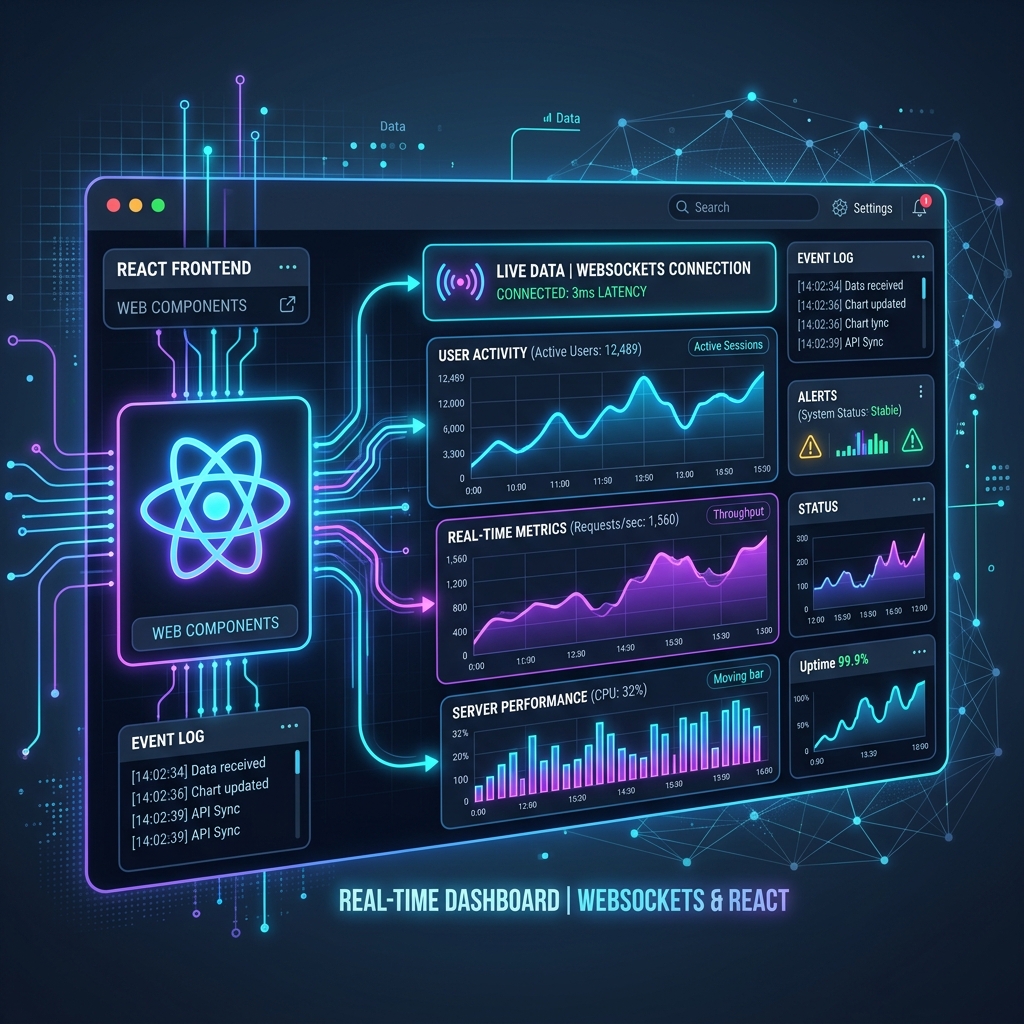
High availability and responsiveness are critical. We implement comprehensive monitoring using tools like Prometheus, Grafana, and cloud-native services (e.g., AWS CloudWatch, Azure Monitor). This includes:
- Application Performance Monitoring (APM): Tracking API response times, error rates, and resource utilization.
- Infrastructure Monitoring: Keeping an eye on server health, database performance, and network latency.
- Log Aggregation: Centralizing logs from all microservices into a single system (e.g., ELK Stack, Splunk) for quick debugging and troubleshooting.
Proactive alerting ensures that issues are identified and addressed before they impact users.
Business Intelligence and Reporting
Beyond technical performance, robust analytics provide insights into the business:
- Student Conversion Funnels: Tracking students from initial interest to enrollment, identifying bottlenecks.
- Agent Performance: Analyzing success rates, average time to enrollment, and commission earnings.
- University Performance: Understanding which programs and institutions are most popular and successful.
- Market Trends: Identifying emerging destination countries, popular fields of study, and student demographics.
These insights, often presented through interactive dashboards built with tools like Tableau, Power BI, or custom-built reporting modules, allow EdTech companies to make data-driven decisions, refine their strategies, and allocate resources effectively. According to a 2025 HolonIQ report, EdTech companies leveraging advanced analytics see a 15-20% higher conversion rate in student recruitment compared to those relying on basic reporting.
Key Takeaways
- International student recruitment platforms are complex, multi-tenant EdTech solutions.
- Microservices architecture is crucial for scalability, resilience, and independent development.
- A polyglot persistence strategy optimizes data storage for diverse needs.
- Advanced student matching algorithms leverage AI and machine learning for personalized recommendations and eligibility checks.
- Recruitment automation streamlines application processes, document management, and communication.
- Robust agent portals empower recruitment partners with tools and insights.
- API-first design facilitates seamless integration with universities and third-party services.
- Strict adherence to data security and privacy regulations (GDPR, CCPA) is paramount.
- Comprehensive monitoring and business intelligence are essential for continuous improvement and growth.
FAQ
Q1: What's the biggest technical challenge in building these platforms?
A1