DevOps Doesn't Have to Be Complicated
When I hear "DevOps," I think of Kubernetes clusters, Terraform configurations, and 500-line YAML files. But for small teams (2-10 developers), you don't need any of that. You need simple, reliable automation.
The 3 Things Every Small Team Needs
1. Automated deployments - push code, it goes live
2. Automated testing - catch bugs before users do
3. Basic monitoring - know when things break
That's it. Everything else is optimization.
Setting Up CI/CD in 15 Minutes
GitHub Actions is free for public repos and generous for private ones. Here's a real pipeline I use:
name: Deploy
on:
  push:
    branches: [main]

jobs:
  deploy:
    runs-on: ubuntu-latest
    steps:
      - uses: actions/checkout@v4
      - uses: actions/setup-node@v4
        with:
          node-version: 20
      - run: npm ci
      - run: npm test
      - run: npm run build
      - name: Deploy to production
        run: # your deploy command
Every push to main runs tests and deploys. Simple.
Docker: Keep It Simple
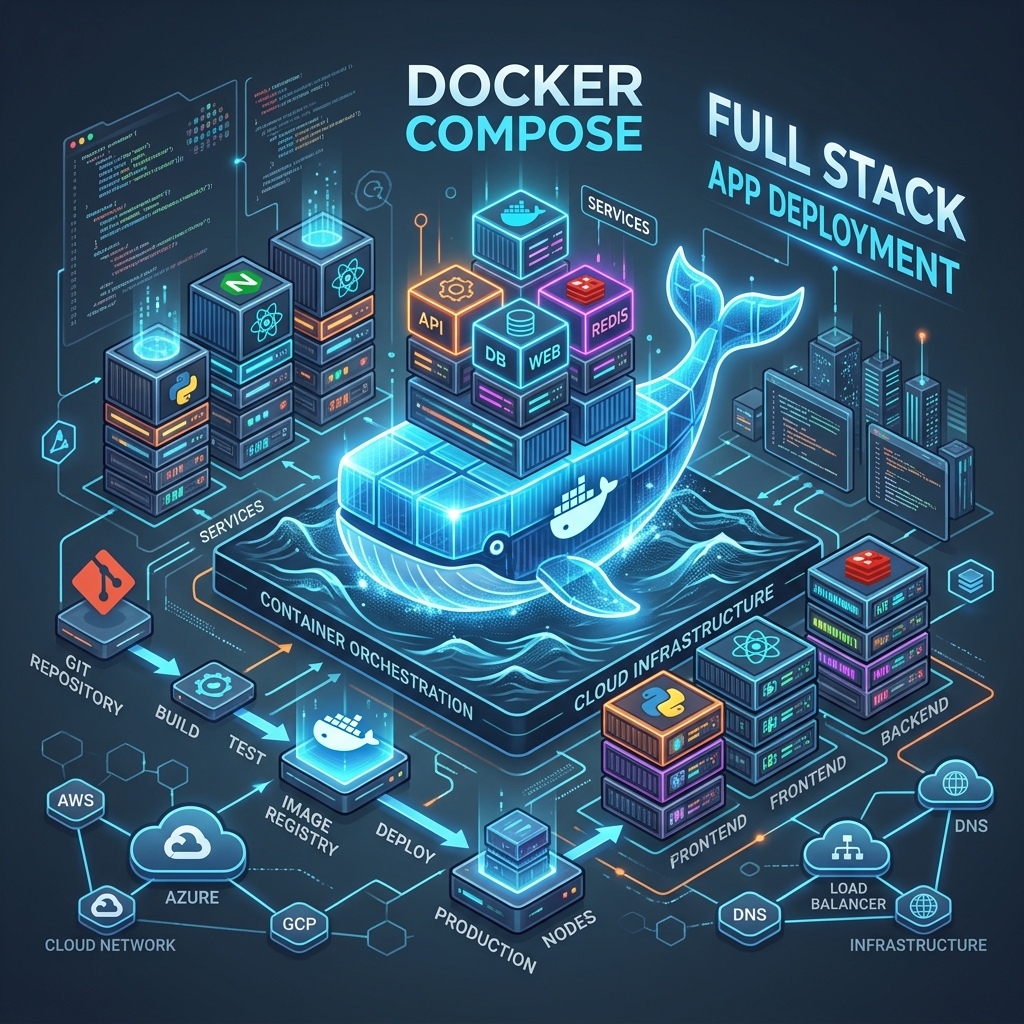
You don't need Docker Compose with 15 services. Start with one Dockerfile:
FROM node:20-alpine
WORKDIR /app
COPY package*.json ./
RUN npm ci --production
COPY . .
EXPOSE 3000
CMD ["node", "server.js"]
Monitoring That Doesn't Cost a Fortune
Free tools that work:
- UptimeRobot: Free monitoring for up to 50 URLs
- Sentry: Error tracking with a generous free tier
- Better Stack (Logtail): Log management
- Checkly: API monitoring
What to monitor:
- Is the site up? (uptime monitoring)
- Are there errors? (error tracking)
- Is it slow? (performance monitoring)
- Are users complaining? (check your support inbox)
Environment Management
Keep it simple:
- Development: Your laptop
- Staging: A preview environment (Vercel preview deployments are free)
- Production: Your live site
Don't add more environments until you actually need them.
Secrets Management
Never commit secrets to Git. Use:
- GitHub Secrets for CI/CD
- Environment variables on your hosting platform
- Vault solutions only when you outgrow env vars
Database Backups
Automate this on day one. Set up daily backups and test restoring them monthly. Most cloud databases offer automated backups - make sure they're enabled.
The Small Team DevOps Checklist
- [ ] Code is in Git (GitHub/GitLab)
- [ ] Tests run automatically on every push
- [ ] Merging to main auto-deploys to production
- [ ] Errors are tracked and alerted
- [ ] Uptime is monitored
- [ ] Database backups are automated
- [ ] Secrets are not in the codebase
- [ ] There's a README that explains how to set up the project
When to Level Up
Add complexity only when you feel the pain:
- Docker → when "it works on my machine" becomes a problem
- Kubernetes → when you need to manage 10+ services
- Terraform → when infrastructure changes are frequent
- Dedicated DevOps person → when deployment issues slow down the team weekly
The best DevOps setup is the one your team actually uses consistently.