AI-Powered Customer Support - Building Chatbots That Actually Help in 2026
Most chatbots still frustrate users. In 2026, the gap between helpful and annoying AI support comes down to implementation quality. Here is how to build chatbots that customers actually appreciate.
The Problem With Most Chatbots
73% of customers say they have had a frustrating chatbot experience. Common complaints include:
- Generic responses that do not address specific issues
- Endless loops without resolution
- No option to reach a human
- Inability to understand context
Architecture for Effective AI Support
RAG-Based Knowledge System
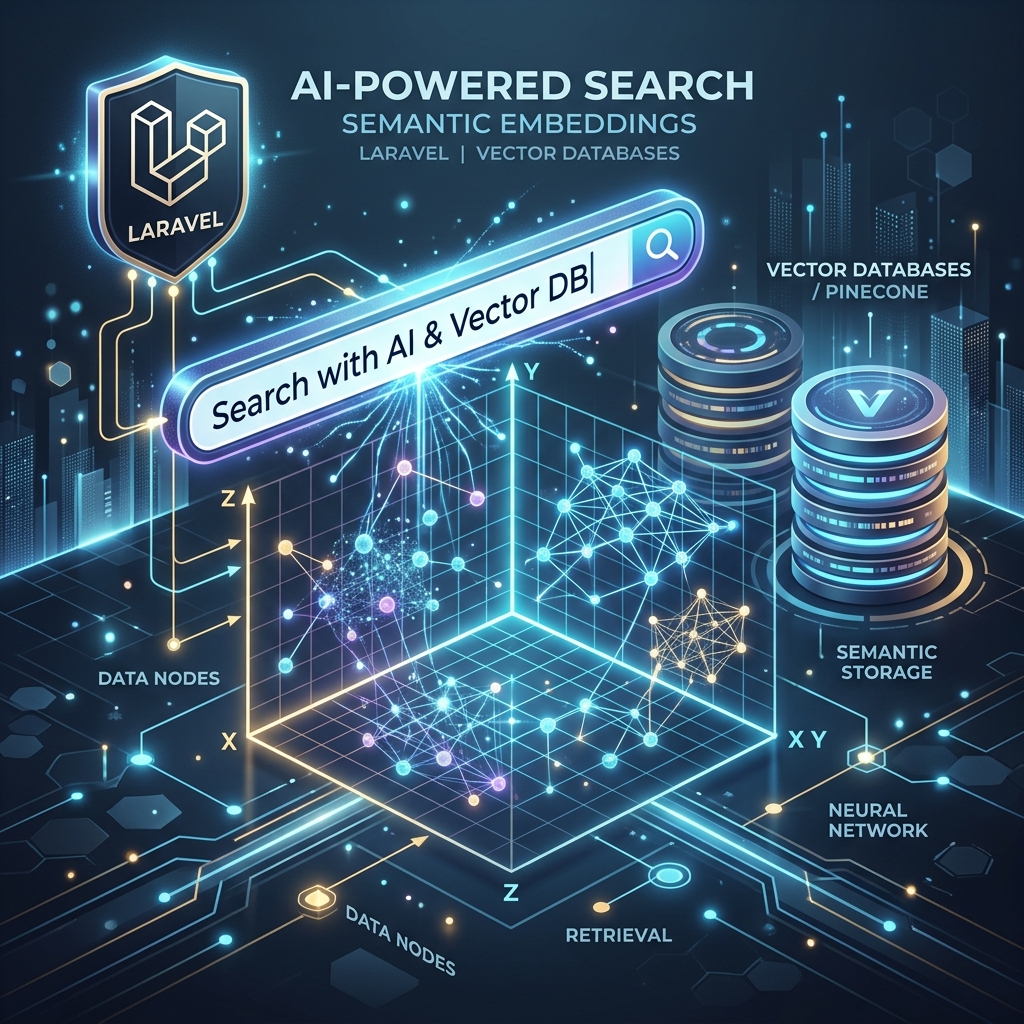
Retrieval-Augmented Generation (RAG) connects your AI to your actual documentation:
// Simplified RAG pipeline
async function handleQuery(userMessage) {
  // 1. Embed the user query
  const embedding = await embedText(userMessage);

  // 2. Search knowledge base
  const relevantDocs = await vectorSearch(embedding, {
    collection: 'support_articles',
    limit: 5
  });

  // 3. Generate contextual response
  const response = await generateResponse({
    query: userMessage,
    context: relevantDocs,
    systemPrompt: 'Answer using only the provided context.'
  });

  return response;
}
Multi-Turn Conversation Memory
Track conversation state to avoid repetitive questions:
- Store conversation history per session
- Extract entities (order numbers, product names)
- Maintain context across message turns
Key Features to Implement
1. Intent Classification
Route conversations to the right handler:
| Intent | Action |
| Order status | Fetch from order system |
| Product question | Search knowledge base |
| Billing issue | Connect to billing team |
| Bug report | Create support ticket |
| General inquiry | AI-generated response |
2. Seamless Human Handoff
The most critical feature - know when to escalate:
- Customer expresses frustration (sentiment detection)
- AI confidence score drops below threshold
- Customer explicitly requests human help
- Issue involves sensitive account changes
3. Proactive Support
Anticipate issues before customers ask:
- Detect unusual account activity
- Send shipping delay notifications
- Offer help based on browsing patterns
Tools and Platforms
Open Source Options
- Rasa - Full control, self-hosted
- Botpress - Visual builder with AI
- Langchain - Custom AI pipelines
Managed Solutions
- Intercom Fin - Pre-built with learning
- Zendesk AI - Enterprise integration
- Freshdesk Freddy - Budget-friendly
Measuring Success
Track these metrics:
- Resolution rate - Issues solved without human help
- Customer satisfaction score - Post-chat surveys
- Average handle time - Total time to resolution
- Escalation rate - Percentage needing human help
- Return visitor rate - Customers coming back for same issue
Best Practices
1. Always provide a human option - Never trap users
2. Be transparent - Tell users they are chatting with AI
3. Learn from failures - Review unresolved conversations
4. Update knowledge regularly - Stale data creates bad answers
5. Test with real scenarios - Not just happy paths
Conclusion
Effective AI customer support in 2026 is about combining great AI with smart escalation. The goal is not to eliminate human support but to handle routine queries so humans can focus on complex issues.
---
Building a customer support system? Contact me to discuss the right architecture for your needs.