Back to Articles
Full Stack

Building EdTech Platforms That Scale

RI
By Riazul Islam
Building EdTech Platforms That Scale

Building EdTech Platforms That Scale: A Full-Stack Architect's Blueprint

The education technology (EdTech) landscape is booming, projected to reach a staggering $600 billion by 2027. This isn't just about digitizing textbooks anymore; it's about creating dynamic, interactive, and personalized learning experiences that can withstand massive user loads and evolving educational demands. As a senior full-stack developer who's navigated the complexities of various high-traffic applications, I've seen firsthand that the biggest challenge in this space isn't just building an EdTech platform, but building an EdTech platform that scales.

Developing an online learning platform requires more than just a slick UI and a database. You're dealing with diverse user roles (students, instructors, administrators), real-time interactions, rich media content, complex assessment logic, and often, stringent data privacy regulations. Without a robust and scalable EdTech platform architecture, your innovative solution can quickly buckle under the weight of its own success. This post will delve into the practical architectural strategies, technological choices, and development practices crucial for building resilient and high-performing EdTech systems. We'll explore core components like LMS development, student management, and course platform design, ensuring your platform is future-proof.

My goal here is to provide you with a comprehensive blueprint, drawing from real-world experience, to help you design and implement an EdTech solution that not only meets current demands but is also poised for exponential growth. We'll cover everything from front-end responsiveness to backend microservices, database optimization, and deployment strategies. If you're looking to build an online learning platform that can serve thousands, or even millions, of users seamlessly, you're in the right place.

---

The Core Pillars of Scalable EdTech Platform Architecture

Scalability in EdTech isn't a feature; it's a fundamental requirement. It dictates whether your platform can handle a sudden influx of registrations during peak enrollment, deliver live classes without latency, or process thousands of assignment submissions concurrently. A well-designed EdTech platform architecture rests on several key pillars, each contributing to its ability to grow and adapt.

Decomposing the Monolith: Microservices vs. Modular Monolith

For many years, the monolithic architecture was the default. While simpler to develop initially, it becomes a bottleneck as an EdTech platform grows. Every new feature, every bug fix, requires redeploying the entire application, increasing risk and slowing down development.

Microservices Architecture:

This approach breaks down the application into smaller, independently deployable services, each responsible for a specific business capability (e.g., user management, course catalog, assessment engine, payment processing).

  • Pros: Improved scalability (individual services can scale independently), technology diversity (different services can use different tech stacks), enhanced fault isolation, faster development cycles for small teams.
  • Cons: Increased operational complexity, distributed data challenges, higher overhead in terms of infrastructure and monitoring.

Modular Monolith:

A pragmatic middle ground, the modular monolith structures a single application into highly cohesive, loosely coupled modules. These modules communicate via well-defined interfaces but are deployed as a single unit. Think of it as a well-organized codebase that could be broken into microservices later.

  • When to choose: Startups or smaller teams where the overhead of microservices is too high. It provides better separation of concerns than a traditional monolith and offers a clear path to microservices when needed.

For a new EdTech venture, I often recommend starting with a modular monolith using frameworks like Laravel (for PHP) or Next.js (for JavaScript/TypeScript applications). This allows for rapid development and easier management in the early stages, with the flexibility to refactor into microservices as the platform matures and specific modules require independent scaling. My professional background includes architecting solutions that have successfully transitioned from modular monoliths to microservices, demonstrating the practical viability of this approach (see my work at /experience).

Database Strategies for High-Volume Learning

The database is often the first bottleneck in a growing application. EdTech platforms deal with vast amounts of data: user profiles, course content, grades, interactions, analytics, and more. Choosing the right database strategy is paramount.

Relational Databases (SQL):

MySQL, PostgreSQL, and SQL Server are excellent for structured data where strong consistency and complex querying (e.g., joins across user, course, and enrollment tables) are critical.

  • Optimization Techniques:
  • Indexing: Crucial for query performance. Always analyze your common queries and create appropriate indexes.
  • Sharding/Partitioning: Distributing data across multiple database instances based on a key (e.g., user_id range) to reduce load on a single server.
  • Read Replicas: Direct read traffic to replica databases, leaving the primary database free for writes.

NoSQL Databases:

MongoDB, Cassandra, and Redis offer flexibility and often better horizontal scalability for specific use cases.

  • When to use:
  • Document Databases (e.g., MongoDB): Ideal for storing less structured data like course content, user activity logs, or rich learning resources, where schema flexibility is beneficial.
  • Key-Value Stores (e.g., Redis): Perfect for caching frequently accessed data (e.g., popular courses, session data), leaderboards, or real-time counters, significantly reducing database load.
  • Graph Databases (e.g., Neo4j): Emerging for personalized learning path recommendations, understanding relationships between concepts, or social learning networks.

A hybrid approach, often called polyglot persistence, is common. For instance, using MySQL for core transactional data (enrollments, payments) and MongoDB for course content and activity streams, while leveraging Redis for caching and real-time features. This ensures each data type is handled by the most suitable technology.


// Example: Caching a popular course using Laravel and Redis
// In a Laravel Controller or Service
use Illuminate\Support\Facades\Cache;

public function showCourse(string $slug)
{
    $course = Cache::remember("course:{$slug}", 60 * 60, function () use ($slug) {
        return Course::where('slug', $slug)->with(['lessons', 'instructor'])->firstOrFail();
    });

    return view('courses.show', compact('course'));
}

This simple Laravel example demonstrates caching a course object for an hour, significantly reducing database hits for frequently viewed courses.

---

Building the User Experience: Front-End Architecture for Engagement

The front-end is where students and instructors interact with your platform. A slow, clunky, or non-responsive UI will quickly lead to frustration and abandonment, regardless of how robust your backend is.

Responsive Design and Progressive Web Apps (PWAs)

In EdTech, users access content from a myriad of devices: desktops, laptops, tablets, and smartphones. A truly scalable platform demands a fluid user experience across all form factors.

Responsive Design:

This is non-negotiable. Your layout, images, and interactive elements must adapt seamlessly to different screen sizes and orientations. Frameworks like Bootstrap or Tailwind CSS simplify this significantly.

Progressive Web Apps (PWAs):

PWAs offer an app-like experience directly from the browser. They leverage service workers for offline capabilities, push notifications (e.g., for new assignments or announcements), and faster loading times. This is particularly valuable in regions with unreliable internet access, allowing students to download course materials and work offline.

  • Implementation: Using modern JavaScript frameworks like Next.js or React, you can build PWAs with relative ease. Next.js, in particular, offers excellent server-side rendering (SSR) and static site generation (SSG) capabilities, which are crucial for performance and SEO.

// Example: Basic PWA service worker registration in a React/Next.js app
// In your main component or a dedicated PWA setup file
if ('serviceWorker' in navigator) {
  window.addEventListener('load', () => {
    navigator.serviceWorker.register('/sw.js') // sw.js is your service worker file
      .then(registration => {
        console.log('Service Worker registered: ', registration);
      })
      .catch(error => {
        console.error('Service Worker registration failed: ', error);
      });
  });
}

This snippet is the entry point for registering a service worker, enabling powerful PWA features. More details can be found in the WorkerAPI" target="_blank" rel="noopener noreferrer" style="color: var(--primary); text-decoration: none; border-bottom: 1px dashed var(--primary);">MDN Service Worker documentation.

Real-time Communication and Interactive Elements

Modern online learning platforms are highly interactive. Think live Q&A sessions, collaborative whiteboards, instant feedback, and progress tracking.

WebSockets:

For real-time features, REST APIs fall short due to their request-response nature. WebSockets provide a persistent, full-duplex communication channel between client and server.

  • Use Cases:
  • Live Chat: Instructor-student or student-student communication during live classes.
  • Collaborative Tools: Shared whiteboards, document editing, group projects.
  • Real-time Notifications: Instant alerts for new messages, grade updates, or assignment deadlines.
  • Live Polling/Quizzes: Immediate feedback and results during a session.

Frameworks & Libraries:

Libraries like Socket.IO (for Node.js) or Laravel Echo (with Pusher or WebSockets) simplify WebSocket implementation significantly. When building an online learning platform, these tools are indispensable for creating engaging, dynamic user experiences.

---

Backend Powerhouse: Services for EdTech Scalability

The backend forms the backbone of any robust EdTech platform, managing everything from user authentication to content delivery and complex business logic.

Authentication, Authorization, and User Management

A secure and efficient user management system is fundamental. EdTech platforms typically have multiple user roles (student, instructor, admin, guest), each with different permissions.

OAuth 2.0 and OpenID Connect:

For robust authentication and authorization, OAuth 2.0 (for authorization) and OpenID Connect (OIDC, built on OAuth 2.0 for authentication) are industry standards. They allow for secure delegation of access and support single sign-on (SSO) across multiple services, which is vital in a microservices environment.

  • Considerations:
  • SSO: Allow users to log in once and access various parts of the platform (e.g., LMS, student management system, course catalog) without re-authenticating.
  • Role-Based Access Control (RBAC): Define granular permissions based on user roles. An instructor can create courses, a student can enroll, an admin can manage both.
  • Multi-Factor Authentication (MFA): Enhance security by requiring more than just a password.

Laravel's Passport or Sanctum packages provide excellent OAuth 2.0 and API token authentication solutions out-of-the-box, making it straightforward to implement secure user management.

Content Delivery Networks (CDNs) and Media Streaming

EdTech platforms are rich in media: video lectures, audio clips, interactive simulations, and large PDF documents. Delivering this content efficiently is critical for a smooth learning experience.

Content Delivery Networks (CDNs):

CDNs like AWS CloudFront, Cloudflare, or Akamai cache static and dynamic content at edge locations worldwide. When a student requests a video, it's served from the nearest edge server, drastically reducing latency and load on your origin server.

  • Benefits: Faster content loading, improved user experience, reduced bandwidth costs, enhanced availability during traffic spikes.

Video Streaming:

For video lectures, simply hosting MP4 files won't cut it for a scalable platform. Adaptive Bitrate Streaming (ABS) technologies like HLS (HTTP Live Streaming) or MPEG-DASH are essential. They deliver video streams in multiple quality levels, allowing the player to dynamically switch based on the user's internet connection speed, ensuring uninterrupted playback.

  • Services: AWS Elemental MediaConvert and MediaLive, Google Cloud Video Intelligence API, or third-party services like Vimeo or Wistia, provide robust solutions for transcoding, streaming, and managing video content at scale.

---

Operations and Future-Proofing: DevOps, Monitoring, and AI Integration

A highly scalable EdTech platform isn't just about the code; it's about the entire lifecycle, from deployment to ongoing monitoring and continuous improvement.

Containerization and Orchestration

Manual deployment and scaling are quickly becoming relics of the past, especially for complex distributed systems.

Docker:

Containerization with Docker packages your application and all its dependencies into a single, portable unit (a container). This ensures consistency across development, testing, and production environments.

Kubernetes:

For orchestrating and managing hundreds or thousands of containers, Kubernetes (K8s) is the industry standard. It automates deployment, scaling, and operational tasks of containerized applications.

  • Benefits:
  • Automated Scaling: K8s can automatically scale your services up or down based on traffic load.
  • Self-Healing: If a container or node fails, K8s automatically replaces it.
  • Resource Efficiency: Optimizes resource utilization across your infrastructure.
  • CI/CD Integration: Seamlessly integrates with Continuous Integration/Continuous Deployment pipelines for rapid, reliable deployments.

Embracing a DevOps culture and adopting tools like Docker and Kubernetes is a game-changer for managing the complexity of a scalable EdTech platform architecture. For more insights into modern deployment strategies, check out related articles on /blog.

Monitoring, Logging, and Alerting

You can't fix what you can't see. Comprehensive monitoring and logging are non-negotiable for maintaining a healthy, high-performing platform.

  • Monitoring Tools: Prometheus, Grafana, Datadog, New Relic provide dashboards and metrics for CPU usage, memory, network I/O, database queries, and application-specific metrics (e.g., active users, course completions).
  • Logging: Centralized logging systems like ELK Stack (Elasticsearch, Logstash, Kibana) or Splunk aggregate logs from all services, making it easy to search, analyze, and troubleshoot issues.
  • Alerting: Set up alerts for critical thresholds (e.g., high error rates, low disk space, slow response times) to proactively address problems before they impact users.

AI and Machine Learning Integration

The future of EdTech is deeply intertwined with AI and ML, offering immense potential for personalization and efficiency.

  • Personalized Learning Paths: AI algorithms can analyze student performance, learning styles, and preferences to recommend tailored content and learning pathways.
  • Intelligent Tutoring Systems: AI chatbots and virtual assistants can provide instant feedback, answer questions, and offer remediation.
  • Automated Assessment: ML models can grade essays, provide feedback on coding assignments, or even detect plagiarism.
  • Predictive Analytics: Identify students at risk of dropping out, analyze engagement patterns, and forecast future enrollment trends.

Integrating AI requires robust data pipelines and scalable compute infrastructure (e.g., GPU instances for training models). This is an exciting area of EdTech scalability that will redefine learning experiences. My work on /projects often involves exploring cutting-edge integrations like these.

---

Key Takeaways

Building a scalable EdTech platform is a marathon, not a sprint. It demands careful planning, robust architectural decisions, and a commitment to continuous improvement.

  • Start Modular, Think Microservices: Begin with a modular monolith for rapid development, but design with future microservices decomposition in mind.
  • Polyglot Persistence: Leverage both SQL and NoSQL databases for their respective strengths.
  • Front-End Performance is Key: Prioritize responsive design, PWAs, and real-time interactions for an engaging user experience.
  • Secure & Efficient Backend: Implement robust authentication (OAuth 2.0/OIDC) and efficient content delivery via CDNs and adaptive streaming.
  • Embrace DevOps: Use Docker and Kubernetes for automated, scalable deployments.
  • Monitor Everything: Comprehensive logging and monitoring are essential for operational health.
  • Future-Proof with AI: Plan for AI/ML integration to deliver personalized and intelligent learning experiences.

By adhering to these principles and leveraging the right technologies, you can build an online learning platform that not only meets the demands of today's learners but is also prepared for the educational innovations of tomorrow.

---

FAQ: EdTech Platform Architecture

Q1: What are the primary considerations for choosing between a monolithic and microservices architecture for an EdTech platform?

A1: The choice largely depends on your project's scale, team size, and development velocity goals. A monolithic architecture is simpler to set up initially, ideal for smaller teams and rapid prototyping. However, it can become a bottleneck for scaling individual components and slows down development as the codebase grows. Microservices architecture offers independent scalability for different services, technology diversity, and fault isolation, making it suitable for large, complex platforms with multiple development teams. The trade-off is increased operational complexity and overhead. A modular monolith can be a good starting point, offering a clean structure with an option to transition to microservices later.

Q2: How can an EdTech platform ensure data security and privacy, especially with sensitive student information?

A2: Data security and privacy are paramount. Key strategies include:

1. Encryption: Encrypt data both in transit (using TLS/SSL for all communications) and at rest (database encryption, encrypted storage).

2. Access Control: Implement robust Role-Based Access Control (RBAC) to ensure users only access data relevant to their role.

3. Authentication: Use strong authentication methods like Multi-Factor Authentication (MFA) and secure password policies.

4. Compliance: Adhere to relevant data privacy regulations like GDPR, FERPA, and CCPA.

5. Regular Audits: Conduct regular security audits, penetration testing, and vulnerability assessments.

6. Data Minimization: Collect only the data absolutely necessary.

7. Secure Coding Practices: Follow OWASP Top 10 guidelines and conduct regular code reviews.

Q3: What technologies are best for building real-time interactive features in an online learning platform?

A3: For
Related Publications

Building EdTech Platforms That Scale

How to Implement OAuth 2.0 and Social Login in React Apps - 2026 Best Practices

Implement secure OAuth 2.0 social login with Google, GitHub, and other providers in React using modern PKCE flow and best security practices.

Building EdTech Platforms That Scale

Deploying Full Stack Apps with Docker Compose - A 2026 Production Guide

Master production-grade Docker Compose deployments for full stack applications with best practices for security, scaling, and monitoring.

Building EdTech Platforms That Scale

Laravel 12 New Features - Complete Developer Guide for 2026

Everything you need to know about Laravel 12 - from new routing features to performance enhancements and breaking changes you should prepare for.

Building EdTech Platforms That Scale

Building Real-Time Dashboards with WebSockets and React in 2026

Step-by-step tutorial on building production-ready real-time dashboards using WebSockets, React, and modern streaming architectures.

Building EdTech Platforms That Scale

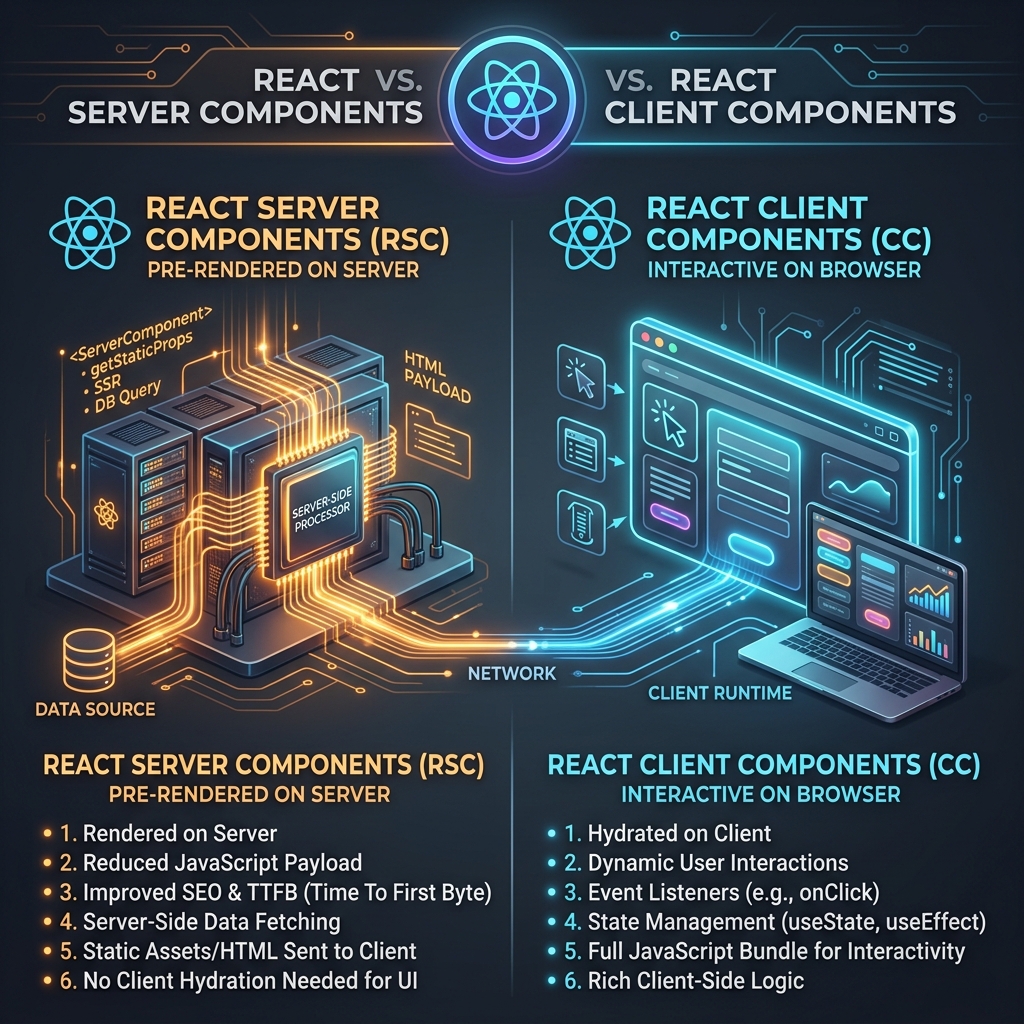
React Server Components vs Client Components - When to Use Each in 2026

A practical guide to choosing between React Server Components and Client Components for optimal performance and developer experience in modern apps.

Building EdTech Platforms That Scale

How to Build AI-Powered Search with Laravel and Vector Databases in 2026

Learn how to implement intelligent semantic search in Laravel applications using vector databases and AI embeddings for dramatically better search results.

Building EdTech Platforms That Scale

Security Best Practices for Student Data Platforms: GDPR and FERPA

Implement comprehensive security for student data platforms-covering GDPR and FERPA compliance, encryption, access controls, and audit logging for education systems.

Building EdTech Platforms That Scale

Cloud Infrastructure for Education Platforms: AWS and Beyond

Set up production-ready cloud infrastructure for education platforms-covering AWS services, auto-scaling, disaster recovery, and cost optimization for EdTech workloads.

Building EdTech Platforms That Scale

Handling Millions of Student Applications in EdTech Systems

Technical strategies for handling millions of concurrent student applications-from database sharding and queue processing to caching strategies and load balancing.

Building EdTech Platforms That Scale

Designing APIs for University Admissions: Integration Patterns

Best practices for designing APIs that integrate with university admission systems-covering authentication, data mapping, webhook patterns, and error handling strategies.

Building EdTech Platforms That Scale

Building a Global University Database Platform: Data Architecture

Design the data architecture for a global university database platform-covering data ingestion, normalization, search indexing, and real-time course availability.

Building EdTech Platforms That Scale

Building a High-Conversion Education Website: Developer's Playbook

Design and develop high-converting education websites with optimized user journeys, persuasive landing pages, and data-driven A/B testing frameworks.

Building EdTech Platforms That Scale

Lead Generation Systems for Student Recruitment Agencies

Build effective lead generation systems for student recruitment agencies-covering landing pages, lead magnets, scoring models, and CRM integration strategies.

Building EdTech Platforms That Scale

Marketing Automation for EdTech Companies: Tools and Workflows

Implement marketing automation for EdTech companies-from email nurturing sequences and behavioral triggers to multi-channel campaigns and conversion optimization.

Building EdTech Platforms That Scale

How Education Platforms Generate Student Leads at Scale

Proven lead generation strategies used by top education platforms-from content marketing and paid acquisition to referral programs and university partnerships.

Building EdTech Platforms That Scale

SEO Strategy for Study Abroad Platforms: Ranking for Student Keywords

A comprehensive SEO strategy for study abroad platforms-targeting high-intent student keywords, building topical authority, and optimizing for international search markets.

Building EdTech Platforms That Scale

Monetization Strategies for EdTech Platforms: Beyond Subscriptions

Innovative monetization strategies for EdTech platforms-from commission-based models and premium features to marketplace dynamics and data-driven services.

Building EdTech Platforms That Scale

How EdTech Startups Scale Globally: Infrastructure and Localization

Strategies and technical approaches for scaling EdTech startups globally-from multi-region infrastructure and localization to compliance with international education regulations.

Building EdTech Platforms That Scale

SaaS Business Models for Education Platforms: Pricing and Revenue

Explore proven SaaS business models for education platforms-covering pricing strategies, revenue models, and growth metrics that attract investors and drive sustainability.

Building EdTech Platforms That Scale

Technology Trends Reshaping the EdTech Industry in 2026

The most impactful technology trends transforming EdTech in 2026-from generative AI and adaptive learning to blockchain credentials and immersive learning experiences.

Building EdTech Platforms That Scale

How to Launch an EdTech Startup in 2026: Technical Founder's Guide

A technical founder's playbook for launching an EdTech startup in 2026-from market validation and MVP development to securing partnerships with universities and agencies.

Building EdTech Platforms That Scale

AI Document Verification for Student Applications: Technical Implementation

Implement AI-powered document verification for student applications-covering OCR processing, authenticity checks, and integration with admission management systems.

Building EdTech Platforms That Scale

Predictive Analytics for University Admissions: A Developer's Guide

Implement predictive analytics for university admissions-from building enrollment prediction models to analyzing student success factors and optimizing recruitment spend.

Building EdTech Platforms That Scale

Using Python AI for Student-University Matching Systems

Build an intelligent student-university matching system using Python-covering collaborative filtering, content-based recommendations, and hybrid matching approaches.

Building EdTech Platforms That Scale

Building AI Chatbots for Education Agencies: Complete Technical Guide

A technical guide to building AI chatbots for education agencies that handle student inquiries, qualify leads, and provide personalized university recommendations.

Building EdTech Platforms That Scale

How AI Can Transform International Student Recruitment in 2026

Explore how artificial intelligence is revolutionizing international student recruitment-from predictive matching and chatbots to automated document processing and analytics.

Building EdTech Platforms That Scale

Best Database Structure for Student Application Systems

Design an optimal database structure for student application systems-covering entity relationships, indexing strategies, and handling complex application workflows.

Building EdTech Platforms That Scale

Secure Authentication for Student Portals: OAuth, SSO, and MFA

Implement enterprise-grade authentication for student portals with OAuth 2.0, Single Sign-On with university IdPs, and multi-factor authentication for data security.

Building EdTech Platforms That Scale

Microservices Architecture for EdTech Platforms: When and How

When to adopt microservices for your EdTech platform and how to implement them-covering service boundaries, communication patterns, and deployment strategies.

Building EdTech Platforms That Scale

Building Scalable EdTech Applications: From MVP to Enterprise

A roadmap for building EdTech applications that scale-from rapid MVP development to enterprise-grade architecture supporting millions of students worldwide.

Building EdTech Platforms That Scale

Creating REST APIs for Education Platforms: Design and Security

Best practices for designing secure, scalable REST APIs for education platforms-covering authentication, data protection, rate limiting, and GDPR compliance.

Building EdTech Platforms That Scale

How to Build a University Search Platform with Filters and Matching

Implement a powerful university search platform with advanced filters, AI-powered matching, and personalized recommendations for prospective students.

Building EdTech Platforms That Scale

Creating a Student Dashboard with React: UI/UX Best Practices

Design and build an intuitive student dashboard with React-covering application tracking, document uploads, university comparison, and personalized recommendations.

Building EdTech Platforms That Scale

Next.js for High-Performance Education Platforms: Complete Guide

Leverage Next.js to build blazing-fast education platforms with server-side rendering, static generation, and API routes for optimal student experience.

Building EdTech Platforms That Scale

Building an EdTech SaaS Platform Using Laravel: Architecture Guide

A complete architecture guide for building a multi-tenant EdTech SaaS platform with Laravel-covering database design, subscription billing, and tenant isolation.

Building EdTech Platforms That Scale

Why Laravel is Perfect for EdTech Platform Development

Explore why Laravel has become the go-to framework for EdTech startups-from its elegant ORM and queue system to robust API development and multi-tenancy support.

Building EdTech Platforms That Scale

How to Integrate WhatsApp Automation for Education Agencies

Integrate WhatsApp Business API into your education platform for automated student communications, application updates, and document collection workflows.

Building EdTech Platforms That Scale

Creating an AI Chatbot for Student Admissions: Step-by-Step

Build an intelligent AI chatbot that handles student admission queries, guides applicants through requirements, and qualifies leads 24/7 for education agencies.

Building EdTech Platforms That Scale

Automating Document Processing for Student Applications with AI

Implement AI-powered document processing for student applications-covering OCR, automatic validation, fraud detection, and seamless integration with admission systems.

Building EdTech Platforms That Scale

How to Build a Lead Management System for Education Agencies

Create a lead management system that helps education agencies capture, qualify, and convert student leads with automated scoring and nurturing sequences.

Building EdTech Platforms That Scale

Using n8n to Automate Student Recruitment Workflows

Build powerful student recruitment automation workflows with n8n-from lead capture and email sequences to application tracking and commission calculations.

Building EdTech Platforms That Scale

Best CRM Features for Study Abroad Agencies: Developer's Perspective

A developer's breakdown of the must-have CRM features for study abroad agencies-including pipeline management, automated communications, and reporting dashboards.

Building EdTech Platforms That Scale

Building an Agent Management CRM System for EdTech

Design and implement a CRM system specifically for managing education recruitment agents-with commission tracking, performance analytics, and partner portals.

Building EdTech Platforms That Scale

How Education Agencies Can Automate Their Workflow in 2026

Discover how education agencies are using automation to reduce manual work by 80%-from student follow-ups and document collection to commission tracking.

Building EdTech Platforms That Scale

Automating Student Admissions Using Laravel: A Practical Guide

Implement end-to-end admission automation with Laravel-covering application intake, document verification, eligibility checks, and offer letter generation.

Building EdTech Platforms That Scale

Building a Student CRM for Education Agencies: Complete Guide

How to design and build a specialized CRM system for education agencies that tracks student journeys from initial inquiry to university enrollment.

Building EdTech Platforms That Scale

10 Features Every Study Abroad Platform Needs in 2026

The essential features that modern study abroad platforms must include-from AI-powered university matching to integrated visa tracking and document management.

Building EdTech Platforms That Scale

Scaling an International Student Recruitment Platform to 1M+ Users

Proven strategies for scaling student recruitment platforms-from database optimization and caching to microservices migration and CDN deployment.

Building EdTech Platforms That Scale

Architecture of Global Student Admission Platforms: A Developer's Guide

Explore the system design patterns and architectural decisions that power global student admission platforms serving millions of users across continents.

Building EdTech Platforms That Scale

How International Student Recruitment Platforms Work Behind the Scenes

A deep dive into the technical architecture behind platforms like ApplyBoard and AECC Global-covering matching engines, workflow automation, and data pipelines.

Building EdTech Platforms That Scale

Building a Multi-University Admission Platform with Laravel

Architecture and implementation guide for building a centralized admission platform that connects multiple universities with prospective students worldwide.

Building EdTech Platforms That Scale

How to Create an Education Agent Management Portal

Build a powerful agent management portal that enables education agencies to track commissions, manage student pipelines, and collaborate with university partners.

Building EdTech Platforms That Scale

Building a University Application Management System from Scratch

Step-by-step guide to building a complete university application management system with document processing, status tracking, and automated communications.

Building EdTech Platforms That Scale

How EdTech Platforms Manage International Student Applications

Learn how leading EdTech platforms like ApplyBoard and Edvoy handle millions of international student applications with automation and smart workflows.

Building EdTech Platforms That Scale

Best Technology Stack for Study Abroad Platforms in 2026

Discover the ideal technology stack for building scalable study abroad platforms-from Laravel and Next.js to cloud infrastructure and real-time features.

Building EdTech Platforms That Scale

How to Build a Student Recruitment Platform for Universities

A comprehensive guide to architecting and building a modern student recruitment platform that helps universities attract and manage international student applications.

Building EdTech Platforms That Scale

How to Implement Role-Based Access Control (RBAC) in Laravel and React

Learn how to implement a robust role-based access control system using Laravel and React, covering middleware, policies, gates, and frontend route guards.

Building EdTech Platforms That Scale

Implementing RBAC with Spatie Permission in Laravel 12 and React

Step-by-step guide to implementing role-based access control using Spatie Permission in Laravel 12 with React frontend role guards and middleware protection.

Building EdTech Platforms That Scale

Building Accessible Web Applications: WCAG 2.2 Complete Guide for Developers

A practical guide to making your web applications WCAG 2.2 compliant, with code examples for React, semantic HTML patterns, and automated testing strategies.

Building EdTech Platforms That Scale

Web Accessibility Checklist 2026: Making Your React App WCAG 2.2 Compliant

A hands-on accessibility checklist for React developers covering ARIA attributes, keyboard navigation, focus management, and automated a11y testing tools.

Building EdTech Platforms That Scale

Full-Text Search in PostgreSQL: Beyond Basic LIKE Queries

Master PostgreSQL full-text search with tsvector, tsquery, GIN indexes, and ranking functions to build lightning-fast search features without external services.

Building EdTech Platforms That Scale

Server-Sent Events (SSE) vs WebSockets: When to Use Each in 2026

A deep comparison of Server-Sent Events and WebSockets covering performance, scalability, browser support, and practical use cases to help you choose the right real-time technology.

Building EdTech Platforms That Scale

API Versioning Strategies: Best Practices for Long-Lived Backend Services

Explore proven API versioning strategies including URI path, header-based, and query parameter approaches with real-world Laravel and Node.js implementation examples.

Building EdTech Platforms That Scale

Container Orchestration with Docker Compose: A Developer Team Guide for 2026

Learn to orchestrate multi-service applications with Docker Compose including networking, volumes, health checks, and production-ready configurations for development teams.

Building EdTech Platforms That Scale

Securing Laravel APIs: Rate Limiting, CORS, and Input Sanitization Guide

Protect your Laravel APIs with rate limiting, proper CORS configuration, input sanitization, and request validation techniques used in production environments.

Building EdTech Platforms That Scale

From Monolith to Microservices: A Practical Migration Playbook for 2026

A battle-tested playbook for migrating monolithic applications to microservices architecture, covering the strangler fig pattern, service boundaries, and data decomposition strategies.

Building EdTech Platforms That Scale

Building Feature Flags in Production: A Complete Implementation Guide

Learn to implement feature flags from scratch in Laravel and React applications for safe deployments, A/B testing, and gradual rollouts in production environments.

Building EdTech Platforms That Scale

Caching Strategies for Web Applications: Redis, CDN, and Browser Cache

A comprehensive guide to multi-layer caching strategies using Redis, CDN edge caching, and browser cache controls to dramatically improve web application performance.

Building EdTech Platforms That Scale

AI Content Detection in 2026 - How It Works and Why It Matters

Understand how AI content detection tools work, their accuracy limitations, and why content authenticity matters in 2026.

Building EdTech Platforms That Scale

Prompt Engineering Mastery - Advanced Techniques for Better AI Outputs in 2026

Master advanced prompt engineering techniques to get consistently better results from AI models like GPT-5 and Claude in 2026.

Building EdTech Platforms That Scale

AI-Powered Customer Support - Building Chatbots That Actually Help in 2026

Learn how to build AI customer support chatbots that resolve issues effectively instead of frustrating users in 2026.

Building EdTech Platforms That Scale

Machine Learning for Web Developers - A Practical Introduction for 2026

A hands-on guide for web developers to integrate machine learning into their applications without a data science background.

Building EdTech Platforms That Scale

AI Code Review Tools - How They Are Changing Software Quality in 2026

Discover the best AI-powered code review tools in 2026 that catch bugs, enforce standards, and improve code quality automatically.

Building EdTech Platforms That Scale

FastAPI Complete Guide - Build High-Performance Python APIs in 2026

Master FastAPI in 2026 - learn to build blazing-fast Python APIs with async support, automatic docs, and production-ready architecture.

Building EdTech Platforms That Scale

Green Coding - How to Reduce Your Software's Carbon Footprint in 2026

Practical strategies to write energy-efficient code and reduce the environmental impact of your software in 2026.

Building EdTech Platforms That Scale

Augmented Reality on the Web - WebXR Development Guide for 2026

Build immersive AR experiences directly in the browser using WebXR - a practical development guide for 2026.

Building EdTech Platforms That Scale

WordPress Plugin Development: Build Custom Plugins Like a Pro in 2026

Master WordPress plugin development in 2026. Learn plugin architecture, hooks system, REST API integration, security best practices, and how to build production-ready custom plugins.

Building EdTech Platforms That Scale

WooCommerce Custom Development: Complete Guide to Building E-Commerce Solutions in 2026

Build powerful e-commerce solutions with WooCommerce in 2026. From custom product types and checkout flows to payment gateway integration and performance optimization.

Building EdTech Platforms That Scale

How to Speed Up WordPress: Performance Optimization Checklist for 2026

The ultimate WordPress performance optimization checklist for 2026. Fix slow load times with proven techniques covering caching, CDN, image optimization, database tuning, and Core Web Vitals.

Building EdTech Platforms That Scale

WordPress Security Hardening: The Definitive Guide to Protecting Your Site in 2026

Protect your WordPress site from hackers with this comprehensive security hardening guide for 2026. Covers firewalls, malware scanning, login protection, file permissions, and ongoing monitoring.

Building EdTech Platforms That Scale

Remote Work Salary Negotiation - Get Paid What You Deserve in 2026

Master the art of salary negotiation for remote positions with data-driven strategies and proven frameworks for 2026.

Building EdTech Platforms That Scale

NativePHP for Mobile Is Now Free

The NativePHP team has announced the immediate release of NativePHP Air and that NativePHP for Mobile is now completely free, alongside a host of platform and ecosystem features. Not simply a limited trial or freemium tier-Air makes the core framework and essential plugins needed to build and ship incredible native mobile apps with Laravel available at zero cost to everyone.

Building EdTech Platforms That Scale

Blockchain Beyond Crypto - Real-World Enterprise Applications in 2026

Explore practical blockchain applications in supply chain, healthcare, and identity management that are transforming enterprises in 2026.

Building EdTech Platforms That Scale

Passive Income Streams for Programmers - Beyond Course Creation in 2026

Discover proven passive income strategies for developers that go beyond selling courses - from SaaS to digital products in 2026.

Building EdTech Platforms That Scale

Building a Personal Brand as a Developer Without Social Media Burnout

Learn sustainable strategies to build a strong developer personal brand without burning out on social media in 2026.

Building EdTech Platforms That Scale

Nutrition Hacks for Desk-Bound Developers - Fuel Your Brain in 2026

Science-backed nutrition tips for developers who sit all day - boost focus, energy, and brain health with these practical food strategies.

Building EdTech Platforms That Scale

Digital Detox Weekends - A Programmer's Guide to Unplugging in 2026

How developers can disconnect from screens on weekends to recharge creativity and prevent burnout in 2026.

Building EdTech Platforms That Scale

Mindfulness for Coders - Reducing Anxiety in High-Pressure Sprints

Practical mindfulness techniques designed specifically for developers dealing with deadline pressure and sprint anxiety in 2026.

Building EdTech Platforms That Scale

Sleep Optimization for Night Owl Programmers - Science-Backed Strategies

Evidence-based sleep strategies for developers who work late - improve code quality and health with better sleep in 2026.

Building EdTech Platforms That Scale

Ergonomic Home Office Setup - Complete Guide for Developers in 2026

Build the perfect ergonomic home office that prevents pain and boosts productivity - a complete guide for developers in 2026.

Building EdTech Platforms That Scale

Tech Career Pivots - How to Successfully Transition Between Specializations in 2026

A practical guide to transitioning between tech specializations - from frontend to backend, web to ML, or development to management in 2026.

Building EdTech Platforms That Scale

Freelance Developer Contracts - Legal Templates and Red Flags to Watch

Essential contract clauses, legal templates, and warning signs every freelance developer needs to know in 2026.

Building EdTech Platforms That Scale

Building AI-Powered SaaS Products - From Idea to MVP in 2026

A practical roadmap for building and launching AI-powered SaaS products from concept to minimum viable product in 2026.

Building EdTech Platforms That Scale

5G Impact on Web Development - New Possibilities and Challenges in 2026

How 5G connectivity is transforming web development with new possibilities for rich media, real-time features, and edge computing in 2026.

Building EdTech Platforms That Scale

WordPress Theme Development from Scratch: A Complete 2026 Guide for Developers

Learn how to build a custom WordPress theme from scratch in 2026. Complete guide covering theme structure, template hierarchy, Gutenberg blocks, ACF integration, and performance optimization.

Building EdTech Platforms That Scale

Web3 and Decentralized Apps - What Actually Works in 2026

A realistic look at Web3 and dApps in 2026 - which technologies deliver real value and which remain hype.

Building EdTech Platforms That Scale

Voice Search Optimization - Preparing Your Website for Voice-First Users in 2026

How to optimize your website for voice search queries as smart speakers and voice assistants dominate search in 2026.

Building EdTech Platforms That Scale

Tailwind CSS, AI Impact, and a Big Wake-Up Call for Developers

গত কিছুদিন ধরে ওয়েব ডেভেলপমেন্ট দুনিয়ায় একটি খবর বেশ আলোড়ন তুলেছে। খবরটি শুধু একটি CSS framework নিয়ে নয়-এটি পুরো ডেভেলপার ইকোসিস্টেম, AI-এর প্রভাব এবং আমাদের ভবিষ্যৎ ক্যারিয়ার নিয়ে।

Building EdTech Platforms That Scale

How AI Is Quietly Changing the Way We Build Websites in 2026

Forget the hype - here's what AI actually does for developers right now, from smarter code suggestions to automated testing that saves hours every week.

Building EdTech Platforms That Scale

Chinese Hackers Are Exploiting the New React2Shell Vulnerability

Chinese state-linked hacking groups have started exploiting a serious React Server Components flaw...

Building EdTech Platforms That Scale

Laravel vs Node.js: Which One Should You Actually Pick in 2026?

Tired of generic comparisons? Here's an honest breakdown based on 5+ years of building production apps with both frameworks.

Building EdTech Platforms That Scale

What Developers Should Know About the Next Evolution of PHP 8.5

PHP has been around long enough to witness entire generations of web technologies rise and fade, yet it continues to evolve...

Building EdTech Platforms That Scale

10 React Performance Tricks That Actually Made My Apps Faster

No fluff, no theory. Just practical tips I've used in production apps to cut load times by 60% and make users actually enjoy using the app.

Building EdTech Platforms That Scale

How to Prepare for Laravel Certification

A Complete Roadmap for Developers on How to Prepare for Laravel Certification

Building EdTech Platforms That Scale

Why Every Startup Should Think Cloud-First (And How to Do It Without Going Broke)

Cloud computing doesn't have to drain your budget. Here's a practical guide to going cloud-first without the enterprise price tag.

Building EdTech Platforms That Scale

The No-BS Full Stack Developer Roadmap for 2026

Skip the overwhelm. Here's a focused, practical roadmap that gets you job-ready without learning 47 different technologies.

Building EdTech Platforms That Scale

The Green Revolution: How Technology Is Paving the Way for a Sustainable Future

The Green Revolution explores how contemporary innovations in green technology are transforming energy, transportation, and agriculture...

Building EdTech Platforms That Scale

General Brain vs Programmer Brain

Ever wondered why programmers seem to think differently? Explore how coding reshapes the brain...

Building EdTech Platforms That Scale

Building E-Commerce Sites That Actually Convert: A Developer's Guide

Pretty websites don't sell. Here's what actually matters when building online stores - from page speed to checkout flow psychology.

Building EdTech Platforms That Scale

API Security Mistakes I've Seen (And How to Fix Them Before Hackers Do)

Your API is the front door to your data. Here are the security mistakes that keep me up at night - and exactly how to prevent them.

Building EdTech Platforms That Scale

Your Database Is Slow? Here's Why (And How I Fixed It)

That slow query isn't the database's fault - it's probably yours. Here are battle-tested techniques to make your database fly.

Building EdTech Platforms That Scale

Mobile-First Design: Why Most Developers Still Get It Wrong

Responsive design isn't just about media queries. Here's the mindset shift that will make your websites work beautifully on every screen size.

Building EdTech Platforms That Scale

DevOps Without the Complexity: A Practical Guide for Small Teams

You don't need a dedicated DevOps engineer to ship reliably. Here's how small teams can automate deployment, testing, and monitoring.

Building EdTech Platforms That Scale

Why TypeScript Is No Longer Optional for Serious Developers

Still writing plain JavaScript? Here's why TypeScript caught bugs in my code that would have cost thousands in production fixes.

Building EdTech Platforms That Scale

Building REST APIs That Developers Actually Love Using

A bad API is like a bad user interface - people will avoid it. Here's how to design REST APIs that are intuitive, consistent, and a joy to work with.

Building EdTech Platforms That Scale

WordPress vs Custom Development: How to Make the Right Choice

Not every website needs to be built from scratch. But not every website should use WordPress either. Here's how to decide.

Building EdTech Platforms That Scale

Docker for Web Developers: The Only Guide You'll Need

Stop saying "it works on my machine." Docker makes your development environment identical to production - and it's easier than you think.

Building EdTech Platforms That Scale

Git Workflow That Actually Works for Development Teams

Messy Git history? Merge conflicts every day? Here's the workflow I use with my teams that keeps things clean and predictable.

Building EdTech Platforms That Scale

Deploying Web Apps on AWS: A Step-by-Step Guide for Beginners

AWS has 200+ services and that's terrifying. But you only need 5 of them. Here's exactly which ones and how to use them.

Building EdTech Platforms That Scale

Web Authentication Explained: JWT, OAuth, and Sessions Demystified

Authentication is confusing until it clicks. Here's the clear explanation I wish I had when I started - no jargon, just how it actually works.

Building EdTech Platforms That Scale

Web Scraping with Python: A Practical and Ethical Guide

Web scraping is powerful - but do it wrong and you could face legal trouble. Here's how to scrape responsibly and build useful data pipelines.

Building EdTech Platforms That Scale

Tailwind CSS vs Bootstrap: Which CSS Framework Should You Use?

Two great frameworks, very different philosophies. Here's an honest comparison based on real project experience with both.

Building EdTech Platforms That Scale

Building Real-Time Applications with WebSockets: A Hands-On Guide

HTTP is great for most things. But when you need instant updates - chat, live dashboards, notifications - WebSockets are the answer.

Building EdTech Platforms That Scale

How to Build an Admin Dashboard That Users Actually Enjoy

Most admin panels are ugly and confusing. Here's how to build one that's fast, intuitive, and makes managing data a pleasure.

Building EdTech Platforms That Scale

Serverless Architecture: Is It Right for Your Next Project?

Serverless sounds magical - no servers to manage, pay only for what you use. But it's not for everything. Here's the real picture.

Building EdTech Platforms That Scale

SEO for Web Developers: The Technical Checklist That Ranks

SEO isn't just for marketers. As a developer, the technical decisions you make can make or break a site's ranking. Here's your checklist.

Building EdTech Platforms That Scale

Progressive Web Apps in 2026: Build Apps That Work Everywhere

Want your website to feel like a native app? PWAs let you add offline support, push notifications, and installability - no app store needed.

Building EdTech Platforms That Scale

Microservices vs Monolith: What I Learned After Building Both

Everyone wants microservices until they have to maintain 15 separate services. Here's when each approach actually makes sense.

Building EdTech Platforms That Scale

Building a CRM System from Scratch: Lessons from Real Projects

Off-the-shelf CRMs never fit perfectly. Here's how to build a custom CRM that actually matches your business workflow.

Building EdTech Platforms That Scale

CI/CD Pipelines Explained: Ship Code Faster and More Reliably

Still deploying code manually? CI/CD automates testing and deployment so you can ship faster with confidence.

Building EdTech Platforms That Scale

n8n Automation: How I Replaced 10 Manual Tasks with Workflows

Tired of doing the same tasks every day? n8n lets you automate workflows without writing code - or with code when you need more control.

Building EdTech Platforms That Scale

10 Laravel Tips That Made Me a Better PHP Developer

Laravel is opinionated for a reason. Here are 10 tips that transformed how I write PHP code - from messy scripts to elegant applications.

Building EdTech Platforms That Scale

How to Choose the Right Tech Stack for Your Next Project

The tech stack debate never ends. But the right answer isn't about which technology is "best" - it's about which one fits your situation.

Building EdTech Platforms That Scale

Top 10 Python Libraries for Data Science in 2026

Explore the most powerful Python libraries shaping data science in 2026 - from NumPy and Pandas to cutting-edge AI frameworks.

Building EdTech Platforms That Scale

PHP 8.5 Features: A Developer's Guide to What's New & Coming

A comprehensive look at the exciting new features and improvements coming in PHP 8.5, from pipe operator to improved type system.

Building EdTech Platforms That Scale

Web Scraping with Laravel: Automate, Extract, and Analyze Like a Pro

Learn how to build powerful web scrapers using Laravel - from basic HTML parsing to handling JavaScript-rendered content and storing data.

Building EdTech Platforms That Scale

The Green Revolution: How Technology Is Paving the Way for a Sustainable Future

Discover how emerging technologies like AI, IoT, and blockchain are driving the green revolution toward a more sustainable future.

Building EdTech Platforms That Scale

PHP 8.5 Introduces array_first() and array_last()

PHP 8.5 brings two handy new built-in functions - array_first() and array_last() - simplifying how developers access array elements.

Building EdTech Platforms That Scale

Unlocking the Full Potential of ChatGPT: Mastering Prompt Frameworks

Master the art of prompt engineering with proven frameworks like RICE, RISEN, and Chain-of-Thought to get the best results from ChatGPT.

Building EdTech Platforms That Scale

AI Agents in 2026: How Autonomous AI Is Transforming Software Development and Business Automation

Discover how AI agents are revolutionizing software development, business automation, and workflow optimization in 2026. Learn about autonomous AI, multi-agent systems, and real-world use cases.

Building EdTech Platforms That Scale

Edge Computing Explained: Benefits, Use Cases, and Why It's the Future of Cloud Architecture in 2026

Learn what edge computing is, how it works, and why it's reshaping cloud architecture. Explore real-world use cases, benefits, and the difference between edge computing vs cloud computing.

Building EdTech Platforms That Scale

Quantum Computing in 2026: Breakthroughs, Applications, and What Developers Need to Know

Explore the latest quantum computing breakthroughs in 2026, real-world applications, and how developers can prepare for the quantum revolution in cryptography, optimization, and AI.

Building EdTech Platforms That Scale

Low-Code vs No-Code Development Platforms in 2026: Complete Guide for Businesses and Developers

Compare the best low-code and no-code development platforms in 2026. Learn the differences, benefits, limitations, and which platform is right for your project - from Bubble to Retool.

Building EdTech Platforms That Scale

Top 10 Cybersecurity Threats and Trends Every Developer Must Know in 2026

Stay ahead of the latest cybersecurity threats in 2026. Learn about AI-powered attacks, zero-trust architecture, supply chain security, and essential security practices for developers.

Building EdTech Platforms That Scale

Agentic AI Systems: The Complete Guide to Autonomous AI Tools in 2026

Discover how agentic AI systems like Claude Code, OpenAI Agents, and Devin are revolutionizing autonomous task execution. Learn how to evaluate, deploy, and integrate these powerful AI tools into your workflow.

Building EdTech Platforms That Scale

AI Tools for Small Business: Replace Expensive Software and Save Thousands

Learn how solopreneurs and small businesses can use AI tools to automate marketing, accounting, customer service, and operations - replacing software that costs thousands per year.

Building EdTech Platforms That Scale

Human vs AI Creativity: Can Machines Truly Create Art With Soul?

Explore the philosophical and practical debate about AI-generated content. Is AI art really creative, or just sophisticated pattern matching? An honest perspective from a developer who uses both.

Building EdTech Platforms That Scale

How to Build Your First AI Agent: A Step-by-Step Developer Guide

A hands-on tutorial for developers to build their first autonomous AI agent using Python, LangChain, and OpenAI. Includes code examples, architecture patterns, and deployment tips.

Building EdTech Platforms That Scale

AI-Powered Workflow Automation: Transform Your Daily Productivity in 2026

Master AI-powered workflow automation using tools like n8n, Zapier, and custom AI pipelines. Learn practical workflows that save 10+ hours per week for developers and professionals.

Building EdTech Platforms That Scale

Digital Nomad Visas in 2026: Top Countries, Tax Strategies, and Legal Paths for Remote Workers

The complete guide to digital nomad visas in 2026. Compare 20+ countries offering remote work visas, understand tax implications, and plan your location-independent lifestyle legally.

Building EdTech Platforms That Scale

Side Hustles for Quiet Professionals: Earn Extra Income Without Being an Influencer

Not everyone wants to be an influencer. Discover 10 realistic side hustles perfect for introverted professionals who prefer working behind the scenes - no social media following required.

Building EdTech Platforms That Scale

AI-Driven Investing for Beginners: Smart Portfolio Strategies That Actually Work

Learn how AI robo-advisors and algorithmic trading tools are democratizing investing. A beginner-friendly guide to building wealth with AI-powered portfolio management in 2026.

Building EdTech Platforms That Scale

Debt Payoff Strategies for Gig Workers and Freelancers: A Practical Guide

Traditional debt advice doesn't work for irregular income. Learn proven strategies for gig workers and freelancers to eliminate debt while managing unpredictable cash flow.

Building EdTech Platforms That Scale

Micro-Niche Personal Finance: Building Wealth on Irregular Income

Traditional financial advice fails people with irregular income. Learn specialized strategies for freelancers, gig workers, and seasonal earners to build savings, invest, and achieve financial freedom.

Building EdTech Platforms That Scale

Digital Minimalism: A Practical Guide to Decluttering Your Digital Life

Overwhelmed by notifications, tabs, and digital noise? Learn actionable strategies to declutter your digital life, manage screen time, and reclaim your attention span - without going off-grid.

Building EdTech Platforms That Scale

Biohacking for Regular People: 10 Low-Cost Wellness Hacks That Actually Work

You don't need expensive supplements or gadgets to optimize your health. These 10 science-backed biohacking strategies cost little or nothing - and deliver real results.

Building EdTech Platforms That Scale

Sustainable Living on a Budget: 15 Eco-Friendly Tips That Actually Save Money

Going green doesn't mean spending more. These 15 practical sustainable living tips will reduce your environmental impact AND save you hundreds or thousands of dollars per year.

Building EdTech Platforms That Scale

The Life Reset Framework: Redesign Your Daily Routine for Peak Performance

Feeling stuck? The Life Reset Framework helps you systematically redesign your daily habits, routines, and priorities to align with who you actually want to become.

Building EdTech Platforms That Scale

Managing Digital Burnout: Science-Backed Strategies for Tech Professionals

Digital burnout affects 77% of tech workers. Learn the warning signs, root causes, and proven recovery strategies - from a developer who's been there and recovered.

Building EdTech Platforms That Scale

Health Tech and Wearables in 2026: The Predictive Healthcare Revolution

From smart rings to continuous glucose monitors, health tech wearables are transforming reactive healthcare into predictive wellness. Explore the latest devices, biomarkers, and what they mean for your health.

Building EdTech Platforms That Scale

EV Home Charging Solutions: The Complete Guide for Apartments, Renters, and DIY Setups

Want to charge your electric vehicle at home but don't have a garage? This comprehensive guide covers Level 1, Level 2, and portable charging solutions for apartments, condos, and renters.

Building EdTech Platforms That Scale

Cybersecurity for Remote Workers: Build Your Digital Immune System in 2026

Working from home exposes you to unique security threats. Learn how to build a comprehensive 'digital immune system' - from VPN setup to zero-trust home networks - with this practical guide.

Building EdTech Platforms That Scale

Smart Rings and Continuous Biomarker Tracking: The Future of Personal Health Monitoring

Smart rings are the fastest-growing wearable category in 2026. Learn how continuous biomarker tracking through rings is revolutionizing sleep optimization, stress management, and preventive health.

Building EdTech Platforms That Scale

Privacy Tools for Home Offices: Protect Your Data While Working Remotely in 2026

Your home office handles sensitive data daily. Learn the essential privacy tools, encrypted communication platforms, and data protection strategies every remote worker needs in 2026.

Building EdTech Platforms That Scale

Scalable Laravel SaaS Architecture Guide

Learn how to architect a scalable, multi-tenant SaaS application using Laravel with practical patterns for tenant isolation, billing integration, and horizontal scaling.

Building EdTech Platforms That Scale

Next.js vs Laravel: Best Stack for Startups

A hands-on comparison of Next.js and Laravel for startup projects - covering performance, developer experience, scalability, and when to choose each stack.

Building EdTech Platforms That Scale

Multi-Tenant SaaS Design with Laravel

Deep dive into multi-tenant SaaS architecture with Laravel - comparing shared database, separate databases, and hybrid approaches with real implementation code.

Building EdTech Platforms That Scale

WordPress Performance Optimization 2026

The ultimate WordPress performance optimization checklist for 2026 - from database tuning and object caching to CDN configuration and Core Web Vitals improvements.

Building EdTech Platforms That Scale

DigitalOcean Server Cost Optimization Guide

Practical strategies to reduce your DigitalOcean hosting bills by 40-60% through right-sizing, reserved droplets, load balancing, and smart infrastructure decisions.

Building EdTech Platforms That Scale

Core Web Vitals Optimization for Web Apps

Master Core Web Vitals optimization for modern web applications - practical techniques to improve LCP, CLS, and INP scores for better rankings and user experience.

Building EdTech Platforms That Scale

Laravel Vue.js vs Next.js Comparison 2026

A detailed comparison of Laravel + Vue.js (Inertia.js) vs Next.js for full-stack projects - covering DX, performance, deployment, and real project scenarios.

Building EdTech Platforms That Scale

Building EdTech Platforms That Scale

A comprehensive guide to building scalable EdTech platforms - from LMS architecture and video delivery to student management and payment integration.

Building EdTech Platforms That Scale

CI/CD Pipeline for Laravel Applications

Set up a complete CI/CD pipeline for Laravel applications using GitHub Actions - from automated testing and code quality checks to zero-downtime deployment.

Building EdTech Platforms That Scale

Optimize API Response Time Under 100ms

Practical techniques to get your API response times under 100ms - covering database optimization, caching layers, query optimization, and profiling tools.

Building EdTech Platforms That Scale

Build a Ticket Booking System Guide

Step-by-step guide to building a full-featured ticket booking system with real-time seat selection, payment processing, and QR code generation.

Building EdTech Platforms That Scale

Idea to Production: Full Stack Workflow

A battle-tested workflow for taking a web application from idea to production - covering planning, architecture, development, testing, and deployment.

Building EdTech Platforms That Scale

Inertia.js Modern Monolith Architecture

Why Inertia.js is the best-kept secret for building modern web apps - combining the simplicity of monoliths with the UX of single-page applications.

Building EdTech Platforms That Scale

Laravel Queue & Job Processing at Scale

Master Laravel's queue system for high-throughput applications - from Redis configuration and Horizon monitoring to handling millions of jobs reliably.

Building EdTech Platforms That Scale

MySQL Replication & Read Replicas Guide

Set up MySQL replication with read replicas for high-availability applications - from master-slave configuration to load balancing and failover strategies.

Building EdTech Platforms That Scale

SSR vs SSG vs ISR: Rendering Strategies

A practical guide to choosing between SSR, SSG, and ISR in Next.js - with real benchmarks, use cases, and decision frameworks for each rendering strategy.

Building EdTech Platforms That Scale

Web App Monitoring & Observability Guide

Set up comprehensive monitoring and observability for web applications - from error tracking and log management to performance monitoring and alerting.

Building EdTech Platforms That Scale

Building Webhook Systems for SaaS Apps

Design and build a production-grade webhook system for your SaaS application - covering reliable delivery, retry mechanisms, security, and monitoring.

Building EdTech Platforms That Scale

JWT vs Session Auth: Complete Comparison

A thorough comparison of JWT and session-based authentication - when to use each, security implications, performance trade-offs, and implementation patterns.

Building EdTech Platforms That Scale

Database Indexing Strategy for Large Apps

Design effective database indexing strategies for large-scale applications - covering composite indexes, covering indexes, and real-world query optimization techniques.

Building EdTech Platforms That Scale

WebAssembly in 2026: How WASM Is Replacing JavaScript for Performance-Critical Web Apps

Discover how WebAssembly is transforming web performance in 2026. Learn when to use WASM over JavaScript, real-world benchmarks, and step-by-step implementation guide.

Building EdTech Platforms That Scale

MCP Servers Explained: How Model Context Protocol Is Changing AI Tool Integration in 2026

Model Context Protocol (MCP) is revolutionizing how AI agents interact with tools and data. Learn the architecture, build your first MCP server, and understand why it matters.

Building EdTech Platforms That Scale

Vibe Coding: The New Programming Paradigm Where You Describe and AI Builds in 2026

Vibe coding is the hottest trend in software development. Learn what it is, how developers are shipping products 10x faster, and whether traditional coding is obsolete.

Building EdTech Platforms That Scale

Passkeys vs Passwords: The Complete Guide to Passwordless Authentication in 2026

Passwords are dying. Learn how passkeys work, how to implement WebAuthn in your apps, and why 2026 is the year to go passwordless.

Building EdTech Platforms That Scale

AI Pair Programming in 2026: GitHub Copilot vs Cursor vs Codeium - Which One Actually Ships Code Faster?

A hands-on comparison of the top AI coding assistants in 2026. Real benchmarks, productivity metrics, and which tool fits your workflow best.

Building EdTech Platforms That Scale

Building Offline-First Web Apps with Service Workers and IndexedDB: Complete 2026 Guide

Learn how to build web apps that work without internet. Step-by-step guide to service workers, IndexedDB, and sync strategies for 2026.

Building EdTech Platforms That Scale

Rust for Web Developers: Why Rust Is the Fastest-Growing Backend Language in 2026

Rust is taking over backend development. Learn why web developers are switching, how Rust compares to Node.js and Go, and how to get started.

Building EdTech Platforms That Scale

Bun vs Node.js vs Deno in 2026: The Ultimate JavaScript Runtime Comparison

Bun, Node.js, or Deno - which JavaScript runtime should you use in 2026? Real benchmarks, ecosystem comparison, and migration guide.

Building EdTech Platforms That Scale

Shadcn UI vs Material UI vs Chakra UI: Best React Component Library in 2026

Choosing the right React UI library can make or break your project. Compare shadcn/ui, Material UI, and Chakra UI with real-world benchmarks and DX analysis.

Building EdTech Platforms That Scale

How to Build a RAG Application from Scratch: Retrieval-Augmented Generation Tutorial 2026

Build a production-ready RAG system step by step. Learn embeddings, vector databases, chunking strategies, and how to make your AI actually accurate.

Building EdTech Platforms That Scale

Supabase vs Firebase vs PocketBase: Best Backend-as-a-Service for Startups in 2026

Firebase, Supabase, or PocketBase? Compare pricing, features, scalability, and developer experience to find the perfect backend for your 2026 project.

Building EdTech Platforms That Scale

Drizzle ORM vs Prisma vs TypeORM: Best TypeScript ORM for Production Apps in 2026

Drizzle, Prisma, or TypeORM? Deep dive into performance benchmarks, type safety, migration tools, and which ORM fits your production stack in 2026.

Building EdTech Platforms That Scale

Monorepo Architecture with Turborepo and pnpm: Scaling Frontend Teams in 2026

Learn how top engineering teams use Turborepo and pnpm to manage monorepos at scale. Covers build caching, task pipelines, and team workflows.

Building EdTech Platforms That Scale

Server Components vs Client Components in React 19: When to Use Each Pattern in 2026

React 19 Server Components are production-ready. Learn the mental model, performance gains, and exactly when to use server vs client components.

Building EdTech Platforms That Scale

Tailwind CSS v4 Complete Guide: What Changed and How to Migrate Your Projects in 2026

Tailwind CSS v4 brings CSS-first config, Lightning CSS engine, and zero-config content detection. Learn every change and migrate your projects smoothly.

Building EdTech Platforms That Scale

Zero-Trust Security Architecture for Web Applications: Implementation Guide 2026

Zero-trust is no longer optional. Learn how to implement zero-trust security in your web apps with practical code examples and architecture patterns.

Building EdTech Platforms That Scale

Kubernetes for Web Developers: Deploy and Scale Your Apps Without DevOps in 2026

Kubernetes doesn't have to be scary. A web developer's practical guide to deploying, scaling, and managing containerized apps on K8s in 2026.

Building EdTech Platforms That Scale

GraphQL vs tRPC vs REST in 2026: Which API Pattern Wins for Modern Full-Stack Apps

REST, GraphQL, or tRPC? Compare type safety, performance, DX, and scalability to pick the right API pattern for your full-stack app in 2026.

Building EdTech Platforms That Scale

How to Monetize Your Developer Blog: SEO, Affiliate Marketing, and Sponsorship Strategies 2026

Turn your technical blog into a revenue stream. Learn proven SEO strategies, affiliate programs, and sponsorship tactics that actually work for developer blogs.

Building EdTech Platforms That Scale

Python vs JavaScript in 2026: Which Language Should You Learn First?

A head-to-head comparison of Python and JavaScript in 2026 covering job market, use cases, learning curve, and which one to pick based on your career goals.

Building EdTech Platforms That Scale

How to Deploy a Full-Stack App on Vercel and Supabase in 2026

Step-by-step guide to deploying a production-ready full-stack application using Vercel for the frontend and Supabase for the backend in 2026.

Building EdTech Platforms That Scale

Micro-Frontends Architecture: Breaking Monoliths in Large-Scale Web Apps 2026

Learn how micro-frontends architecture enables independent deployment and scaling of large web applications with practical implementation patterns.

Building EdTech Platforms That Scale

AI-Powered Code Generation Tools Compared: Lovable vs Bolt vs v0 in 2026

An honest comparison of the top AI code generation platforms - Lovable, Bolt, and v0 - covering features, pricing, output quality, and real-world use cases.

Building EdTech Platforms That Scale

Redis vs Memcached vs Valkey: Best In-Memory Cache for Web Apps in 2026

A detailed comparison of Redis, Memcached, and Valkey for caching in modern web applications - performance benchmarks, features, and when to use each.

Building EdTech Platforms That Scale

How to Build a Real-Time Chat App with React and WebSockets in 2026

A complete tutorial on building a production-ready real-time chat application using React, WebSockets, and modern backend services.

Building EdTech Platforms That Scale

Golang for Web Development: Why Go Is Dominating Backend Services in 2026

Discover why Golang is becoming the go-to choice for high-performance backend services and how to get started with Go web development in 2026.

Building EdTech Platforms That Scale

How to Implement OAuth 2.0 and OpenID Connect in Modern Web Apps 2026

A practical guide to implementing OAuth 2.0 and OpenID Connect authentication flows in modern web applications with security best practices.

Building EdTech Platforms That Scale

Astro vs Next.js vs Remix: Best Meta-Framework for Content Sites in 2026

An in-depth comparison of Astro, Next.js, and Remix for building content-heavy websites in 2026 - performance, DX, and real-world benchmarks.

Building EdTech Platforms That Scale

PostgreSQL vs MySQL vs MongoDB: Best Database for Your Project in 2026

A comprehensive database comparison guide helping you choose between PostgreSQL, MySQL, and MongoDB based on your project requirements in 2026.

Building EdTech Platforms That Scale

How to Build a SaaS Admin Dashboard with Laravel Filament in 2026

Step-by-step guide to building a powerful SaaS admin dashboard using Laravel Filament, with multi-tenancy, role-based access, and real-time analytics.

Building EdTech Platforms That Scale

React Server Components vs Islands Architecture: Frontend Rendering in 2026

Compare React Server Components and Islands Architecture to decide the best frontend rendering approach for your 2026 project.

Building EdTech Platforms That Scale

How to Build a Multi-Language Website with i18n: Complete Internationalization Guide 2026

Learn how to build a fully internationalized multi-language website using modern i18n libraries with practical implementation patterns and SEO considerations.

Building EdTech Platforms That Scale

How to Integrate AI Search into Your Web App with Vector Databases in 2026

Learn how to add AI-powered semantic search to your web application using vector databases like pgvector and Pinecone in 2026.

Building EdTech Platforms That Scale

Event-Driven Architecture with Kafka and Node.js: Complete Guide 2026

Master event-driven architecture by building scalable systems with Apache Kafka and Node.js - from producer-consumer patterns to real-world implementations.

Building EdTech Platforms That Scale

DigitalOcean vs AWS vs Hetzner: Best Hosting for Developers in 2026

An honest comparison of DigitalOcean, AWS, and Hetzner for developer hosting in 2026, covering pricing, performance, ease of use, and real-world use cases.

Building EdTech Platforms That Scale

GitHub Actions Advanced Workflows: Matrix Builds, Reusable Actions, and Self-Hosted Runners 2026

Go beyond basic CI/CD with advanced GitHub Actions patterns including matrix builds, reusable composite actions, and self-hosted runners for enterprise deployments.

Building EdTech Platforms That Scale

Stripe Payment Integration Complete Guide: Subscriptions, Webhooks, and Checkout 2026

A complete hands-on guide to integrating Stripe payments including subscriptions, webhook handling, and Checkout sessions for modern web applications.

Building EdTech Platforms That Scale

Mastering Laravel Livewire 4: Build Dynamic UIs Without JavaScript in 2026

Complete guide to Laravel Livewire 4 for building interactive, dynamic user interfaces without writing a single line of JavaScript.

Building EdTech Platforms That Scale

How to Build a Headless CMS with Laravel and Next.js in 2026

Build a custom headless CMS using Laravel as the API backend and Next.js for the frontend, with content modeling, media management, and API authentication.

Building EdTech Platforms That Scale

Web Performance Optimization: Lazy Loading, Code Splitting, and Caching Strategies 2026

Master web performance optimization with practical techniques for lazy loading, code splitting, and intelligent caching to achieve 90+ Lighthouse scores.

Building EdTech Platforms That Scale

How to Build and Sell API Products: Developer Monetization Guide 2026

Learn how to build, launch, and monetize API products as a developer - from idea validation to pricing strategy and marketing your API business.

Building EdTech Platforms That Scale

Building Production-Ready REST APIs with Laravel 12: Best Practices 2026

Master the art of building production-ready REST APIs with Laravel 12, covering versioning, authentication, rate limiting, caching, and documentation.

Building EdTech Platforms That Scale

Terraform vs Pulumi vs AWS CDK: Infrastructure as Code Comparison 2026

Compare the top Infrastructure as Code tools - Terraform, Pulumi, and AWS CDK - to find the best fit for your cloud automation needs in 2026.

Building EdTech Platforms That Scale

Complete Guide to Testing React Applications with Vitest and Testing Library in 2026

A hands-on guide to testing React applications with Vitest and React Testing Library, covering unit tests, integration tests, and mocking strategies.

Building EdTech Platforms That Scale

How to Automate SEO Audits with Python and Screaming Frog 2026

Automate your technical SEO audits using Python scripts and Screaming Frog to identify issues faster and improve your site rankings programmatically.

Building EdTech Platforms That Scale

How to Implement Real-Time Notifications with Laravel Reverb and React in 2026

Implement real-time push notifications in your web app using Laravel Reverb for WebSocket broadcasting and React for the frontend listener.

Building EdTech Platforms That Scale

State Management in React 2026: Zustand vs Jotai vs Redux Toolkit vs TanStack Query

A practical guide to choosing the right state management solution for your React app in 2026 - comparing Zustand, Jotai, Redux Toolkit, and TanStack Query.

Building EdTech Platforms That Scale

Database Sharding Strategies for High-Traffic Web Applications in 2026

Learn when and how to implement database sharding for high-traffic web applications, including horizontal partitioning, consistent hashing, and shard management.