Why Docker Changed How I Work
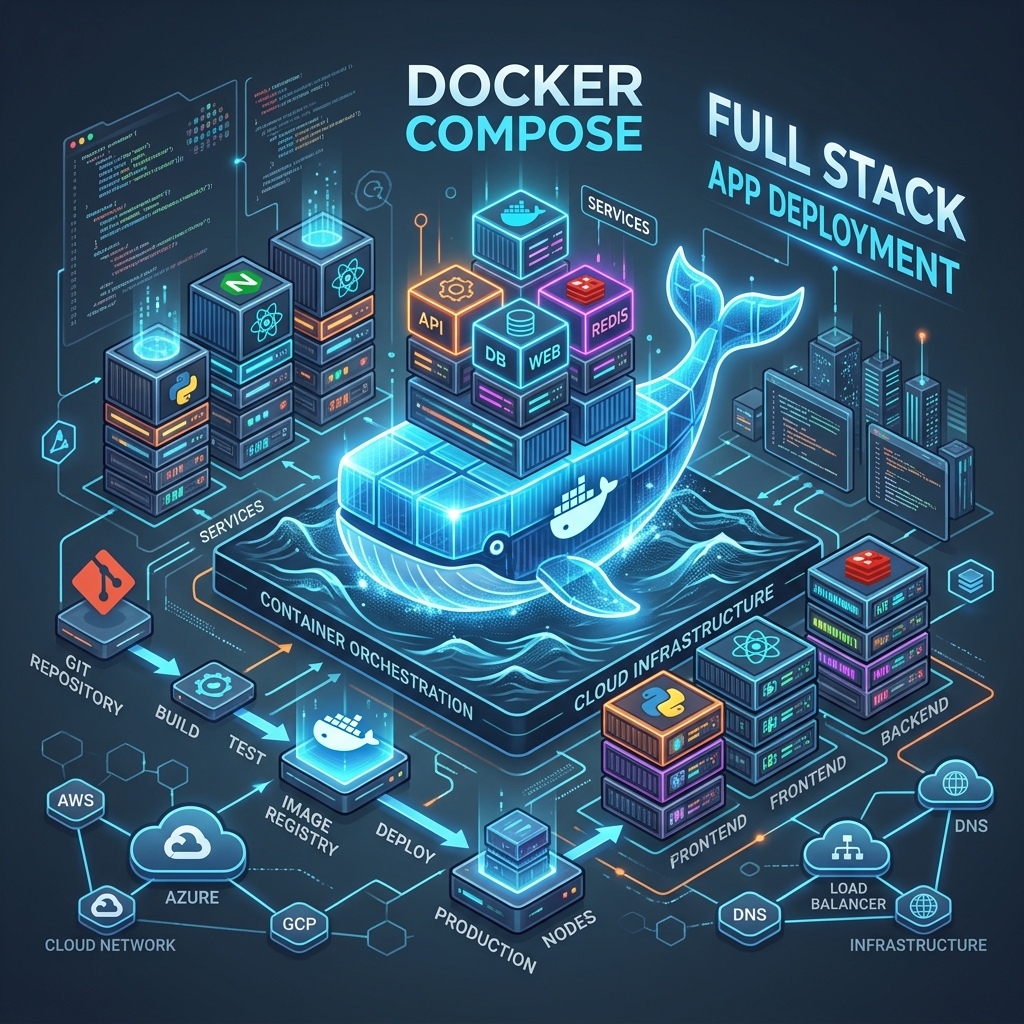
Before Docker, every new project started with: "Install MySQL, configure PHP, set up Node.js, match versions with the server..." Now? One command: docker-compose up. Done.
What Docker Actually Does
Think of Docker as a lightweight virtual machine (it's not, but the mental model helps). It packages your application with everything it needs - the right Node version, database, dependencies - into a container that runs the same everywhere.
Your First Dockerfile
FROM node:20-alpine
WORKDIR /app
COPY package*.json ./
RUN npm ci
COPY . .
EXPOSE 3000
CMD ["npm", "start"]
That's it. 6 lines and your app is containerized.
Docker Compose for Full Stack
version: "3.8"
services:
  app:
    build: .
    ports:
      - "3000:3000"
    depends_on:
      - db
  db:
    image: postgres:16
    environment:
      POSTGRES_DB: myapp
      POSTGRES_PASSWORD: secret
    volumes:
      - pgdata:/var/lib/postgresql/data

volumes:
  pgdata:
Run docker-compose up and you have a full stack running locally.
Essential Docker Commands
| Command | What It Does |
docker build -t myapp . |
Build an image |
docker run -p 3000:3000 myapp |
Run a container |
docker-compose up -d |
Start all services |
docker ps |
List running containers |
docker logs |
View container logs |
Tips From Production Experience
1. Use .dockerignore to exclude node_modules, .git, and test files
2. Multi-stage builds reduce image size by 70%+
3. Never run containers as root
4. Use health checks for production containers
5. Pin specific image versions, never use latest in production
Docker is the single biggest productivity boost for any web developer's workflow.