Why Laravel is Perfect for EdTech Platform Development: A Senior Developer's Perspective
The educational technology landscape is exploding. From personalized learning platforms to sophisticated student CRMs and complex admission management systems, the demand for robust, scalable, and secure solutions has never been higher. As a full-stack developer who has spent years architecting and building these very systems, I've witnessed firsthand the challenges and triumphs of EdTech innovation. One recurring theme in successful projects, particularly those needing rapid development, maintainability, and a deep feature set, is the strategic choice of a foundational framework. For me, and for a growing number of EdTech innovators, that framework is Laravel.
Imagine a startup like Edvoy or a global player like ApplyBoard trying to onboard thousands of students, manage intricate application workflows across multiple institutions, and provide a seamless user experience, all while ensuring data security and regulatory compliance. The underlying technology stack needs to be agile enough to iterate quickly, powerful enough to handle massive data volumes, and cost-effective to scale. This isn't just about building a website; it's about crafting an ecosystem. This is precisely where PHP, powered by the elegance and robustness of Laravel, shines as an unparalleled choice for EdTech platform development.
In this comprehensive guide, I'll deep dive into why Laravel stands out as the ideal framework for building the next generation of educational software. We'll explore its architectural advantages, developer-friendly features, and how it addresses the unique demands of the education sector, from K-12 to higher education and corporate training.
The Unique Demands of EdTech: Why General-Purpose Frameworks Fall Short
Before we extol Laravel's virtues, it's crucial to understand the specific hurdles EdTech platforms face. Unlike a typical e-commerce site or a simple corporate portal, education software deals with sensitive data, complex user roles, diverse content types, and often, real-time interaction.
Data Security and Compliance are Non-Negotiable
Student data, academic records, and personal information are highly sensitive. Breaches can have catastrophic consequences, both legally and reputationally. EdTech platforms must adhere to stringent regulations like GDPR, FERPA, and various national data protection acts. This necessitates a framework that provides robust security features out-of-the-box and encourages secure coding practices. A platform like ApplyBoard, dealing with international student data, needs an ironclad backend.
Scalability and Performance for Peak Loads
Imagine thousands of students simultaneously accessing course materials, submitting assignments, or participating in live virtual classes during peak hours. Or consider an admission portal during application season, handling millions of requests. The system must not only handle this load gracefully but also scale cost-effectively. Early EdTech solutions often struggled here, leading to poor user experiences and system crashes.
Complex User Roles and Permissions
EdTech platforms typically involve multiple user types: students, teachers, administrators, parents, counselors, and sometimes even external examiners or recruiters. Each role requires distinct access levels and functionalities. A highly granular permission system is not just a nice-to-have; it's a fundamental requirement. Building this from scratch is a significant undertaking.
Integration with Existing Systems
The educational ecosystem is rarely a greenfield project. New EdTech solutions often need to integrate with existing Student Information Systems (SIS), Learning Management Systems (LMS), payment gateways, single sign-on (SSO) providers, and various third-party APIs. The ability to seamlessly connect these disparate systems is critical for broad adoption and efficiency.
Laravel's Core Strengths for EdTech Platform Development
Laravel, a leading PHP framework, has consistently proven its mettle in building complex web applications. Its architectural elegance, developer-centric features, and thriving community make it an exceptional choice for the nuances of Laravel edtech platform development.
Rapid Development and Time-to-Market
One of the biggest advantages of Laravel is its ability to accelerate development cycles. With a rich ecosystem of packages, sensible defaults, and an expressive syntax, developers can build features much faster. This is crucial for EdTech startups needing to validate ideas quickly and iterate based on user feedback.
Consider building an authentication system. In vanilla PHP, this could take days. With Laravel's built-in authentication scaffolding, it's a matter of minutes.
// Basic authentication scaffolding with Laravel Breeze
composer require laravel/breeze --dev
php artisan breeze:install
php artisan migrate
npm install && npm run dev
This rapid prototyping capability allows companies like AECC Global to quickly deploy new features for their student recruitment platform, staying agile in a competitive market.
Robust Security Features Out-of-the-Box
Laravel is built with security in mind. It protects against common web vulnerabilities like SQL injection, cross-site scripting (XSS), cross-site request forgery (CSRF), and mass assignment.
- CSRF Protection: Automatically included in forms.
- XSS Prevention: Blade templating engine escapes output by default.
- SQL Injection: Eloquent ORM uses PDO parameter binding.
- Password Hashing: Uses strong bcrypt hashing by default.
These features significantly reduce the attack surface, making it easier to build secure Laravel education software that complies with data protection standards.
Scalability and Performance with Architectural Flexibility
Laravel's architecture, based on the Model-View-Controller (MVC) pattern, promotes clean separation of concerns, making applications easier to scale. It supports various caching drivers (Redis, Memcached), queue systems (Redis, Beanstalkd, Amazon SQS) for background processing, and database sharding.
For an admission management system handling millions of applications, offloading tasks like email notifications, PDF generation, or data synchronization to queues is vital.
// Example: Dispatching a job to process student applications in the background
namespace App\Jobs;

use Illuminate\Bus\Queueable;
use Illuminate\Contracts\Queue\ShouldQueue;
use Illuminate\Foundation\Bus\Dispatchable;
use Illuminate\Queue\InteractsWithQueue;
use Illuminate\Queue\SerializesModels;

class ProcessStudentApplication implements ShouldQueue
{
    use Dispatchable, InteractsWithQueue, Queueable, SerializesModels;

    protected $applicationId;

    public function __construct($applicationId)
    {
        $this->applicationId = $applicationId;
    }

    public function handle()
    {
        // Logic to process the application, e.g., validate documents, update status
        \Log::info("Processing application ID: {$this->applicationId}");
        // ... more complex processing ...
    }
}

// In a controller or service:
// Dispatch the job
use App\Jobs\ProcessStudentApplication;
ProcessStudentApplication::dispatch($applicationId);
This asynchronous processing enhances performance and user experience, which is critical for PHP edtech development projects. Furthermore, Laravel's ability to integrate with cloud providers like AWS, Google Cloud, and Azure ensures that scaling infrastructure is straightforward. For instance, using AWS SQS for queues and RDS for databases seamlessly integrates with a Laravel application.
Advanced Laravel Features for Modern EdTech Solutions
Beyond its core strengths, Laravel offers a suite of advanced features that are particularly beneficial for building sophisticated EdTech platforms, including those operating as Laravel SaaS education models.
Eloquent ORM: Seamless Database Interaction
Laravel's Eloquent ORM (Object-Relational Mapper) makes database interactions intuitive and efficient. Instead of writing complex SQL queries, developers can interact with their database using expressive PHP syntax, mapping database tables to "Models."
// Example: Finding a student and their courses
$student = App\Models\Student::find(1);
foreach ($student->courses as $course) {
    echo $course->title;
}

// Example: Creating a new course
$course = new App\Models\Course;
$course->title = 'Advanced Microeconomics';
$course->description = 'Deep dive into microeconomic principles.';
$course->instructor_id = 5;
$course->save();
This significantly speeds up development and reduces the likelihood of SQL-related errors, crucial for managing the diverse data entities in education (students, courses, assignments, grades, institutions).
Blade Templating Engine for Dynamic Content
Blade is Laravel's powerful yet simple templating engine. It allows developers to create dynamic, reusable UI components, which is perfect for EdTech platforms with varying dashboards for different user roles (student portal, teacher dashboard, admin panel).
{{-- resources/views/components/course-card.blade.php --}}
<div class="bg-white shadow-md rounded-lg p-4">
    <h3 class="text-xl font-semibold">{{ $course->title }}</h3>
    <p class="text-gray-600">{{ $course->description }}</p>
    <a href="/courses/{{ $course->id }}" class="text-blue-500 hover:underline">View Course</a>
</div>

{{-- Usage in a view --}}
@foreach ($courses as $course)
    @include('components.course-card', ['course' => $course])
@endforeach
This component-driven approach simplifies UI development and ensures consistency across the platform, from student enrollment forms to grade books.
API Development with Laravel Sanctum and Passport
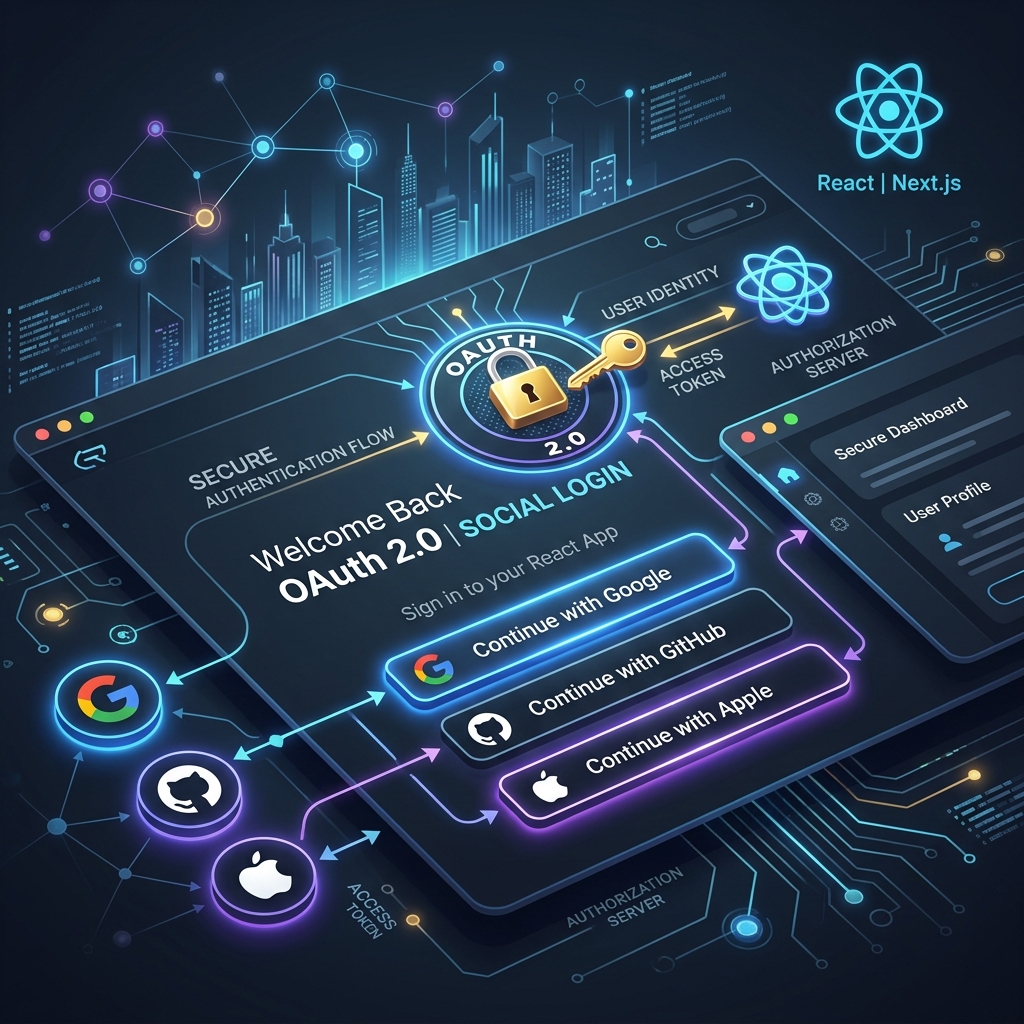
Modern EdTech platforms often require robust APIs to power mobile applications, integrate with third-party tools, or serve data to frontend frameworks like React or Next.js. Laravel provides excellent tools for API development:
- Laravel Sanctum: A lightweight authentication system for SPAs, mobile applications, and simple token-based APIs. Ideal for smaller, single-domain applications.
- Laravel Passport: A full OAuth2 server implementation, perfect for larger EdTech ecosystems requiring secure third-party integrations and complex API access management.
For platforms like Edvoy, which might have a React Native mobile app alongside a web portal, a well-structured API backend built with Laravel is indispensable. I've personally leveraged Sanctum for numerous student CRM projects, providing secure access to student profiles and application statuses via mobile apps.
Ecosystem and Community Support
Laravel boasts one of the largest and most active developer communities in the PHP world. This translates into:
- Extensive Documentation: Laravel's official documentation is renowned for its clarity and comprehensiveness.
- Vast Package Ecosystem: Packagist, the PHP package repository, hosts thousands of Laravel-specific packages for everything from payment processing to real-time communication.
- Community Forums and Resources: Stack Overflow, Laracasts (a premium tutorial site), and various community groups provide unparalleled support.
This rich ecosystem significantly reduces development time and costs, as many common functionalities can be implemented using existing, well-tested solutions.
Integrating Laravel with Modern Frontend and Infrastructure
While Laravel excels as a backend framework, a complete EdTech platform often requires a dynamic, interactive frontend and a resilient infrastructure.
Frontend Integration: React, Next.js, and Livewire
For highly interactive user interfaces, Laravel pairs beautifully with modern JavaScript frameworks.
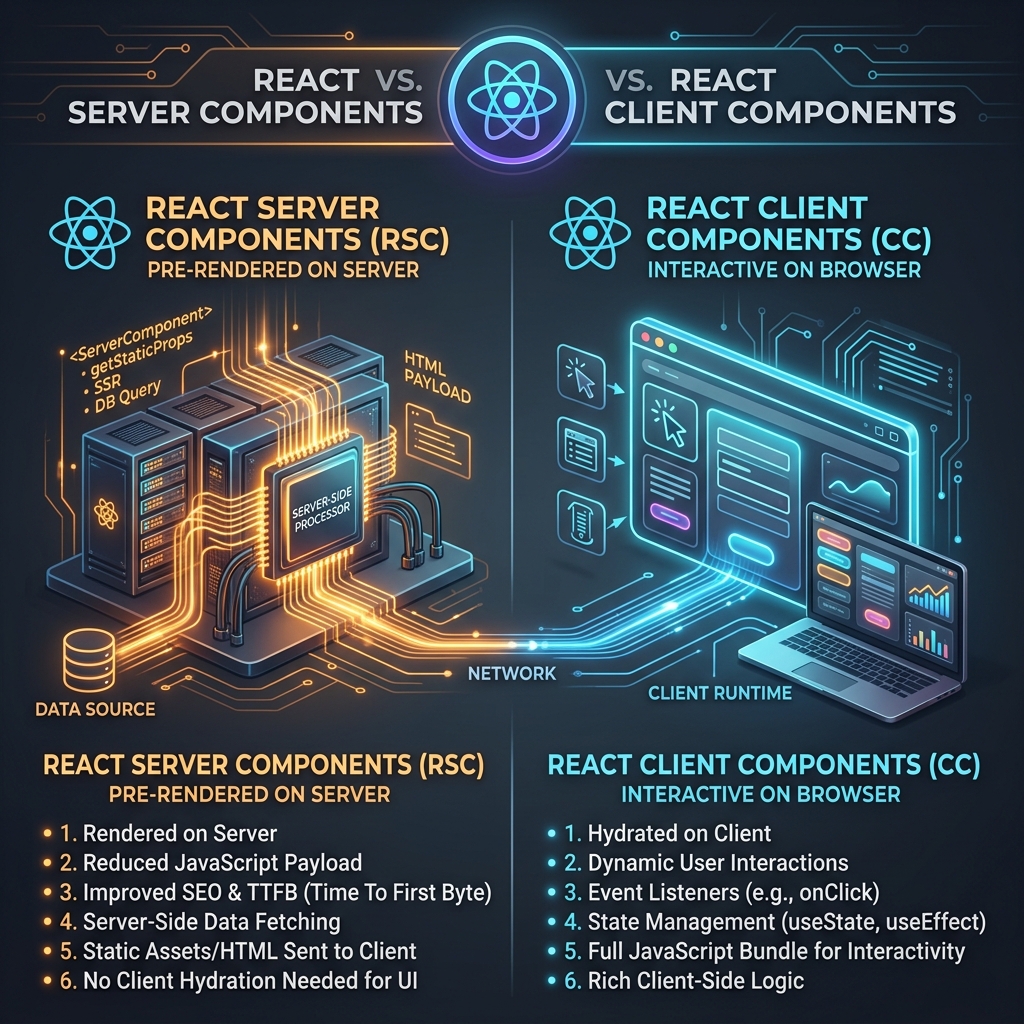
- React/Next.js: For complex dashboards, interactive learning modules, or real-time collaboration tools, a decoupled frontend built with React or Next.js (for server-side rendering and SEO benefits) consuming a Laravel API is a powerful combination. This is a common pattern I use: Laravel as the robust API backend, Next.js for the student-facing portal, and React for the admin/teacher dashboards.
- Laravel Livewire: For developers who prefer to stay within the PHP ecosystem, Livewire allows building dynamic interfaces using PHP, without writing much JavaScript. It's excellent for forms, search filters, and components that require reactivity without the overhead of a full SPA.
// Example: A simple Livewire component for a course search
// app/Http/Livewire/CourseSearch.php
namespace App\Http\Livewire;

use Livewire\Component;
use App\Models\Course;

class CourseSearch extends Component
{
    public $query = '';
    public $courses = [];

    public function updatedQuery()
    {
        $this->courses = Course::where('title', 'like', '%' . $this->query . '%')
                               ->orWhere('description', 'like', '%' . $this->query . '%')
                               ->get();
    }

    public function render()
    {
        return view('livewire.course-search');
    }
}

// resources/views/livewire/course-search.blade.php
<div>
    <input type="text" wire:model.debounce.300ms="query" placeholder="Search courses...">

    <ul>
        @foreach ($courses as $course)
            <li>{{ $course->title }}</li>
        @endforeach
    </ul>
</div>
This flexibility allows developers to choose the best tool for the job, ensuring an optimal user experience across the entire platform.
Cloud Deployment and DevOps for EdTech
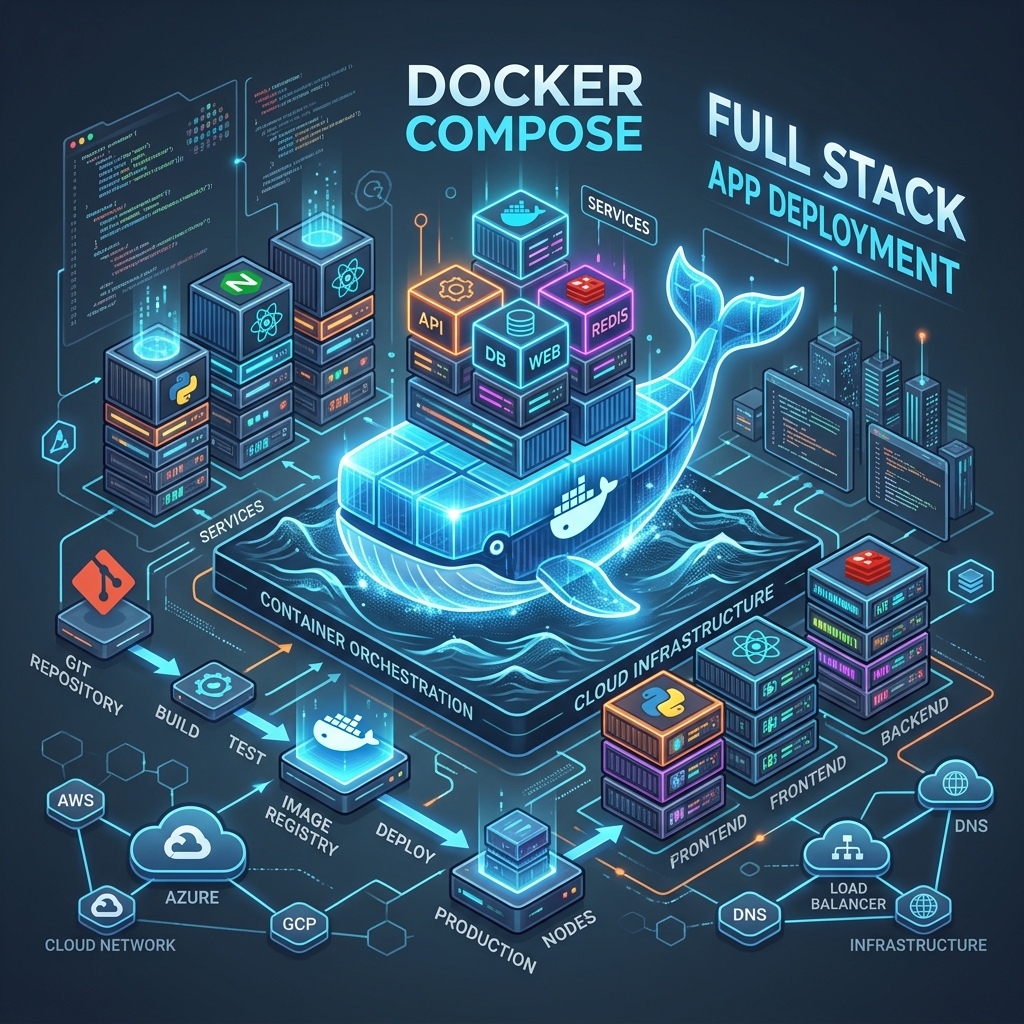
Deploying a Laravel application to the cloud is streamlined. Services like Laravel Forge and Envoyer simplify server provisioning, deployment, and zero-downtime updates. When combined with cloud providers like AWS, Google Cloud, or Azure, Laravel EdTech platforms can achieve high availability, fault tolerance, and global reach.
- AWS EC2/ECS/Lambda: For hosting the application.
- AWS RDS: For managed database services (MySQL, PostgreSQL).
- AWS S3: For scalable file storage (e.g., student documents, course videos).
- AWS SQS/SNS: For message queues and notifications.
This robust infrastructure stack is vital for EdTech companies like ApplyBoard and Edvoy, which operate globally and handle vast amounts of data and user traffic.
Case Studies and Industry Trends (2025-2026)
The EdTech market is projected to reach \$404 billion by 2025, with significant growth in AI-powered learning, personalized education, and global online learning platforms (HolonIQ, 2023-2024 reports). This growth fuels the need for adaptable and powerful backend technologies.
- Personalized Learning Platforms: Laravel's strong data handling and API capabilities make it ideal for building the backend for AI-driven recommendation engines and adaptive learning paths.
- Student CRMs & Admission Systems: Companies like ApplyBoard and AECC Global manage complex international student recruitment processes. While their exact tech stacks are proprietary, the requirements for data management, workflow automation, and secure communication align perfectly with Laravel's strengths. I've personally built similar admission portals where Laravel handled institution partnerships, agent networks, and student application pipelines, significantly streamlining operations.
- Virtual Learning Environments: While real-time video conferencing might use specialized services, the core management of courses, users, and content in a virtual learning environment can be efficiently handled by a Laravel backend.
The trend for 2025-2026 indicates a continued move towards integrated platforms that offer a seamless experience across the student lifecycle, from discovery and application to learning and alumni engagement. Laravel's modularity and extensibility are perfectly suited to evolve with these demands.
Key Takeaways
- Rapid Development: Laravel's conventions, packages, and scaffolding significantly reduce development time, crucial for EdTech startups and agile teams.
- Robust Security: Built-in features protect against common web vulnerabilities, essential for handling sensitive student data and ensuring compliance.
- Scalability: Supports architectural patterns, caching, and queuing for high-performance and scalable EdTech platforms.
- Rich Ecosystem: A vast community, comprehensive documentation, and abundant packages accelerate feature development and problem-solving.
- Flexible Integration: Seamlessly integrates with modern frontends (React, Next.js) and cloud infrastructure (AWS, Azure), offering a full-stack solution.
- Cost-Effective: Open-source nature and developer efficiency translate into lower development and maintenance costs.
FAQ
Q1: Is Laravel suitable for real-time EdTech applications like live classrooms?
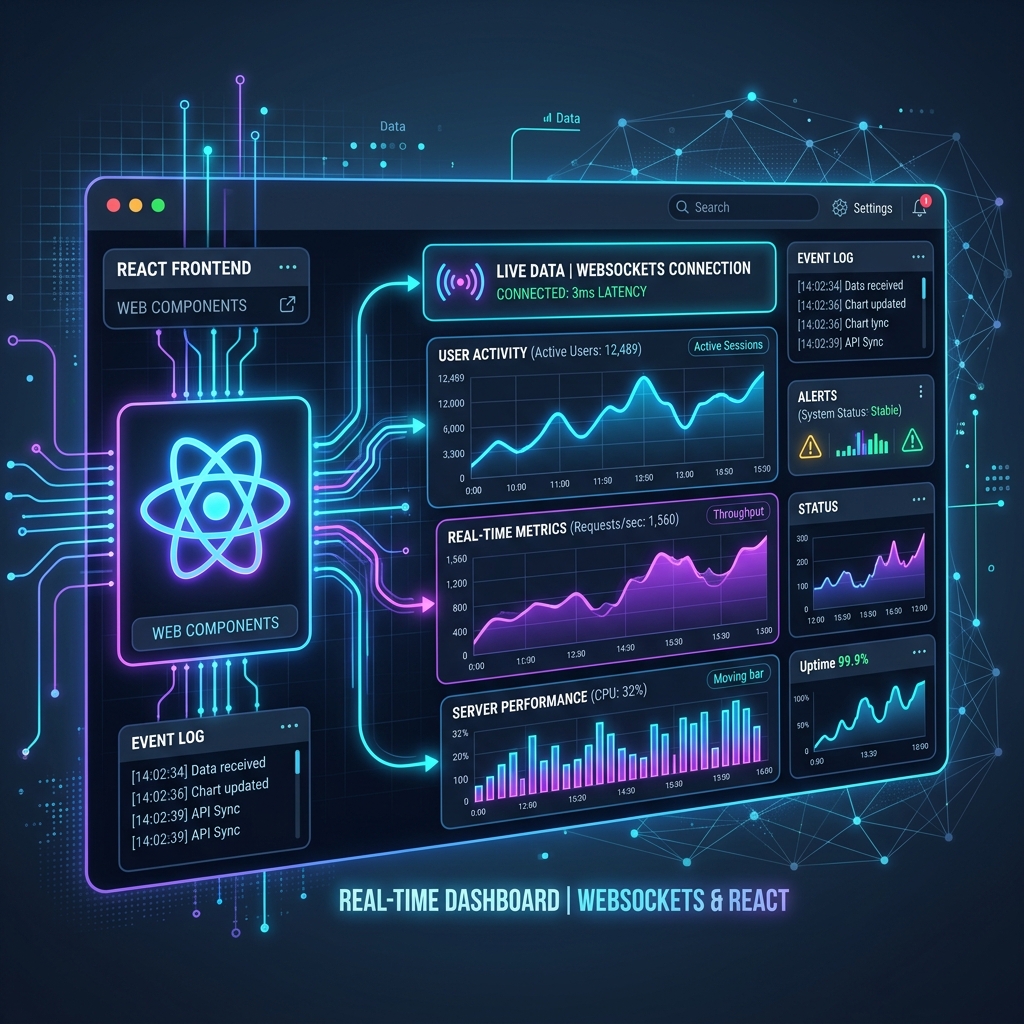
A1: While Laravel excels at backend logic, real-time communication (video, chat) typically integrates with specialized services (e.g., WebRTC, Pusher, WebSockets). Laravel can manage user authentication, session data, and message persistence, acting as the orchestrator for these real-time components. You can use Laravel Echo with WebSockets for real-time notifications and updates.
Q2: How does Laravel handle multi-tenancy for SaaS EdTech platforms?
A2: Laravel provides excellent flexibility for multi-tenancy. You can implement it using separate databases per tenant, a shared database with tenant IDs, or a hybrid approach. Packages like spatie/laravel-multitenancy offer ready-made solutions, making it straightforward to build Laravel SaaS education platforms where each institution or school has its isolated environment.
Q3: What about the learning curve for new developers on a Laravel EdTech project?
A3: Laravel is known for its developer-friendliness and clear documentation, making the learning curve relatively gentle, especially for developers familiar with PHP. Its eloquent syntax and opinionated structure help new team members quickly become productive, which is a significant advantage for growing EdTech companies.
Q4: Can Laravel integrate with existing Learning Management Systems (LMS) like Moodle or Canvas?
A4: Absolutely. Laravel's robust API capabilities and HTTP client (Guzzle) make it straightforward to integrate with external LMS platforms. You can fetch course data, synchronize user profiles, or push grades by interacting with their respective APIs using Laravel. This is a common requirement for admission management systems linking to university LMS.
Q5: Is PHP a viable choice for EdTech in 2025-2026 given newer languages?
A5: Yes, unequivocally. PHP, especially with Laravel, has evolved significantly. It's performant, secure, and highly scalable. Major platforms like WordPress, Facebook, and Wikipedia run on PHP. For rapid development, cost-effectiveness, and a massive talent pool, PHP with Laravel remains a top-tier choice for building robust web applications, including complex EdTech solutions. The continuous improvements in PHP 8.x further solidify its position.
---
Looking to build an EdTech platform, student CRM, or admission management system? I specialize in developing scalable education technology solutions using Laravel, React, and cloud infrastructure. Whether you're a study-abroad agency, EdTech startup, or university looking for custom software development, blank" rel="noopener noreferrer" style="color: var(--primary); text-decoration: none; border-bottom: 1px dashed var(--primary);">let's discuss your project. Check out my portfolio and technical expertise to see how I can help bring your vision to life.