Architecture of Global Student Admission Platforms: A Developer's Guide
The global education landscape is undergoing a profound transformation. What was once a fragmented, paper-heavy process for international student admissions has rapidly evolved into a sophisticated digital ecosystem. EdTech companies are at the forefront, leveraging technology to streamline applications, connect students with institutions, and manage complex compliance requirements across borders. However, building these platforms isn't trivial. The challenges are immense: handling massive data volumes, ensuring data security and privacy (GDPR, FERPA), managing real-time integrations with diverse university systems, and providing a seamless, multilingual user experience across various time zones.
As a senior full-stack developer who has spent years architecting and building robust EdTech solutions, I've seen firsthand the complexities involved in creating a truly scalable and resilient admission platform architecture. From the initial student inquiry to visa application support and enrollment, every step requires a carefully considered technical approach. Companies like ApplyBoard, Edvoy, and AECC Global have set high benchmarks, demonstrating the power of well-engineered systems to facilitate millions of student journeys annually. This guide will delve into the core architectural components, design patterns, and technologies essential for developing a world-class global student admission platform.
Understanding the Core Components of a Scalable Admission System
A robust scalable admission system isn't a monolith; it's a collection of interconnected services designed to handle specific functions efficiently. At its heart, such a system must cater to multiple user personas: prospective students, recruitment agents, university admission officers, and platform administrators. Each persona interacts with different facets of the platform, demanding distinct user interfaces and backend processes.
Microservices-Oriented Architecture for Flexibility
For a global platform, a microservices architecture is almost a prerequisite. It allows independent development, deployment, and scaling of individual services. Imagine the complexity of a monolithic application trying to manage student profiles, course catalogs, application submissions, payment gateways, and CRM functionalities all in one codebase. It quickly becomes unwieldy.
Example Microservices:
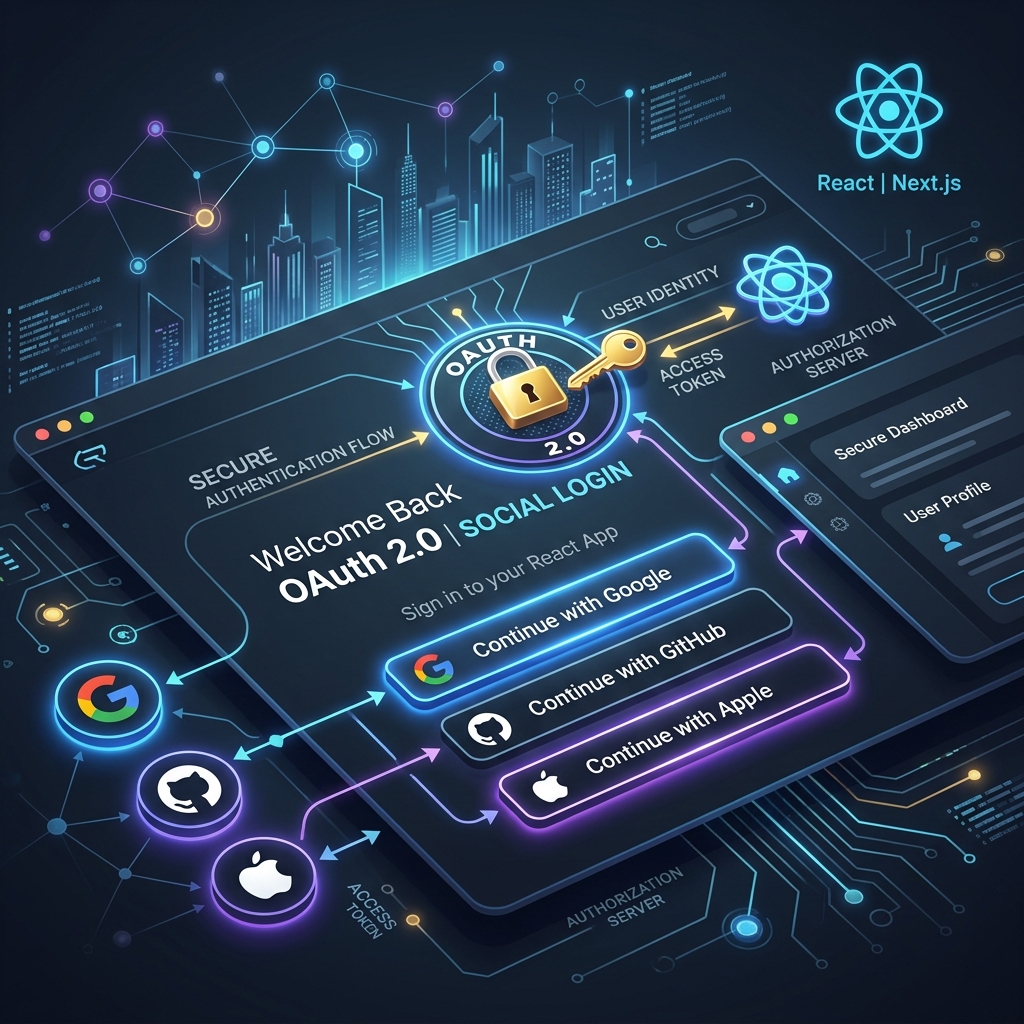
- User Management Service: Handles authentication (SSO, OAuth2), authorization (RBAC), and user profiles for all personas.
- Student Profile Service: Stores comprehensive student data, academic history, test scores, and document uploads.
- Course & Program Catalog Service: Manages institutional data, course details, eligibility criteria, and tuition fees.
- Application Management Service: Orchestrates the multi-stage application process, status tracking, and communication.
- Document Management Service: Secure storage, versioning, and sharing of academic transcripts, passports, and visa documents.
- CRM & Communication Service: Manages leads, student interactions, email notifications, and in-app messaging.
- Integration Service: Handles API calls to external university systems, payment gateways, and third-party verification services.
This modularity is key for edtech system design, enabling teams to innovate faster, deploy updates with minimal downtime, and scale specific services based on demand. For instance, during peak application seasons, the Application Management Service might require more resources than the Course Catalog Service.
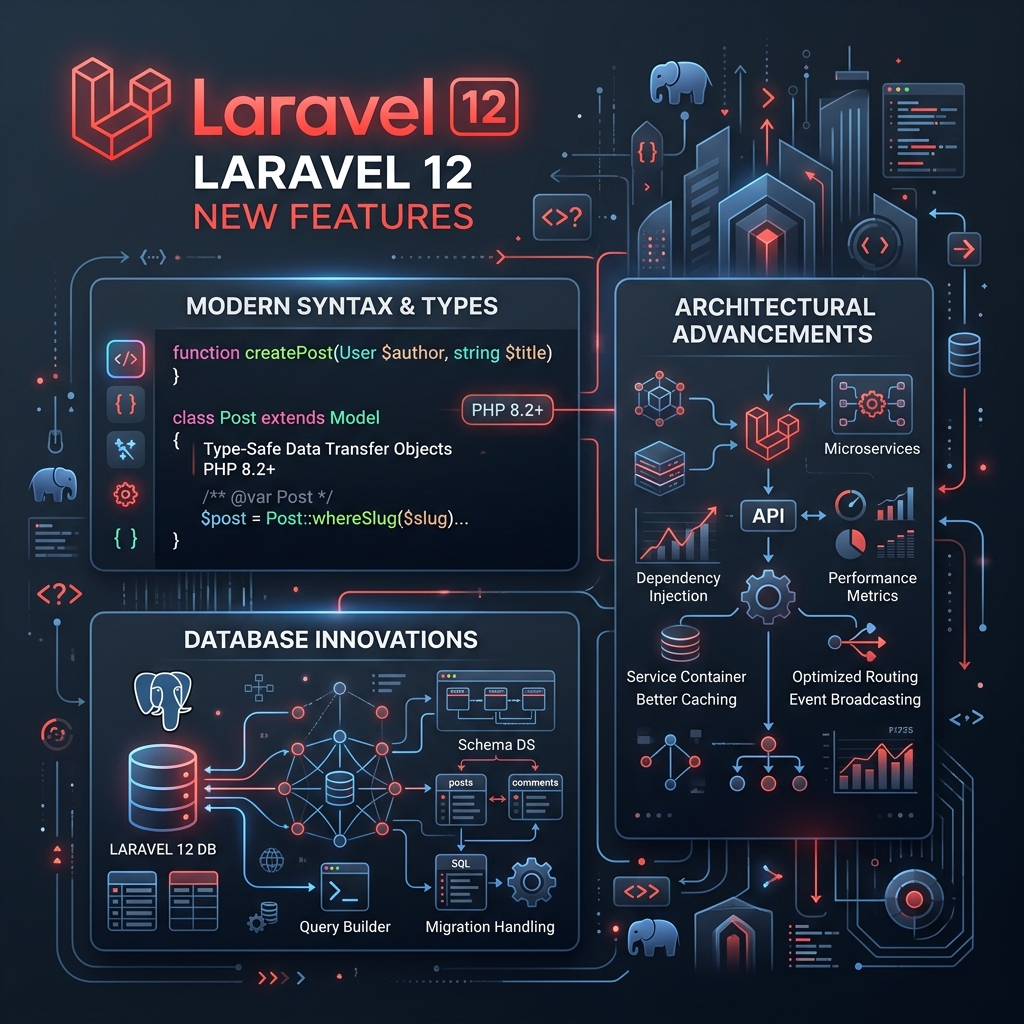
// Example: A simplified Laravel Microservice for Student Profile
// routes/api.php in Student Profile Service
Route::middleware('auth:api')->group(function () {
    Route::get('/students/{id}', 'StudentController@show');
    Route::post('/students', 'StudentController@store');
    Route::put('/students/{id}', 'StudentController@update');
    // ... more profile related endpoints
});

// app/Http/Controllers/StudentController.php
namespace App\Http\Controllers;

use App\Models\Student;
use Illuminate\Http\Request;

class StudentController extends Controller
{
    public function show($id)
    {
        $student = Student::findOrFail($id);
        return response()->json($student);
    }

    public function store(Request $request)
    {
        $validatedData = $request->validate([
            'first_name' => 'required|string|max:255',
            'last_name' => 'required|string|max:255',
            'email' => 'required|email|unique:students',
            // ... more validation rules
        ]);

        $student = Student::create($validatedData);
        return response()->json($student, 201);
    }
}
Data Management and Storage Strategies
Data is the lifeblood of any admission platform. We're dealing with highly sensitive personal and academic information, making security, integrity, and availability paramount. A polyglot persistence approach, where different data stores are used for different data types, often yields the best results.
- Relational Databases (e.g., MySQL, PostgreSQL): Ideal for structured data with complex relationships, such as student profiles, application forms, university programs, and transactional data. They ensure ACID compliance, critical for financial and application status updates.
- NoSQL Databases (e.g., MongoDB, DynamoDB): Excellent for semi-structured or unstructured data. Think document storage for resumes, essays, or audit logs. MongoDB's flexible schema can be beneficial for evolving student data requirements.
- Object Storage (e.g., AWS S3, Azure Blob Storage): The go-to solution for storing large binary files like scanned documents (transcripts, passports), video introductions, and institution brochures. These are highly durable, scalable, and cost-effective.
A robust data strategy also includes robust backup and recovery mechanisms, data encryption at rest and in transit, and strict access controls. Compliance with regulations like GDPR and FERPA is non-negotiable for global education platforms.
Frontend Architecture for an Intuitive User Experience
The user interface is the student's first impression and directly impacts conversion rates. A global platform must be responsive, fast, accessible, and support multiple languages and cultures. Modern JavaScript frameworks are the obvious choice here.
Single Page Applications (SPAs) with Next.js/React
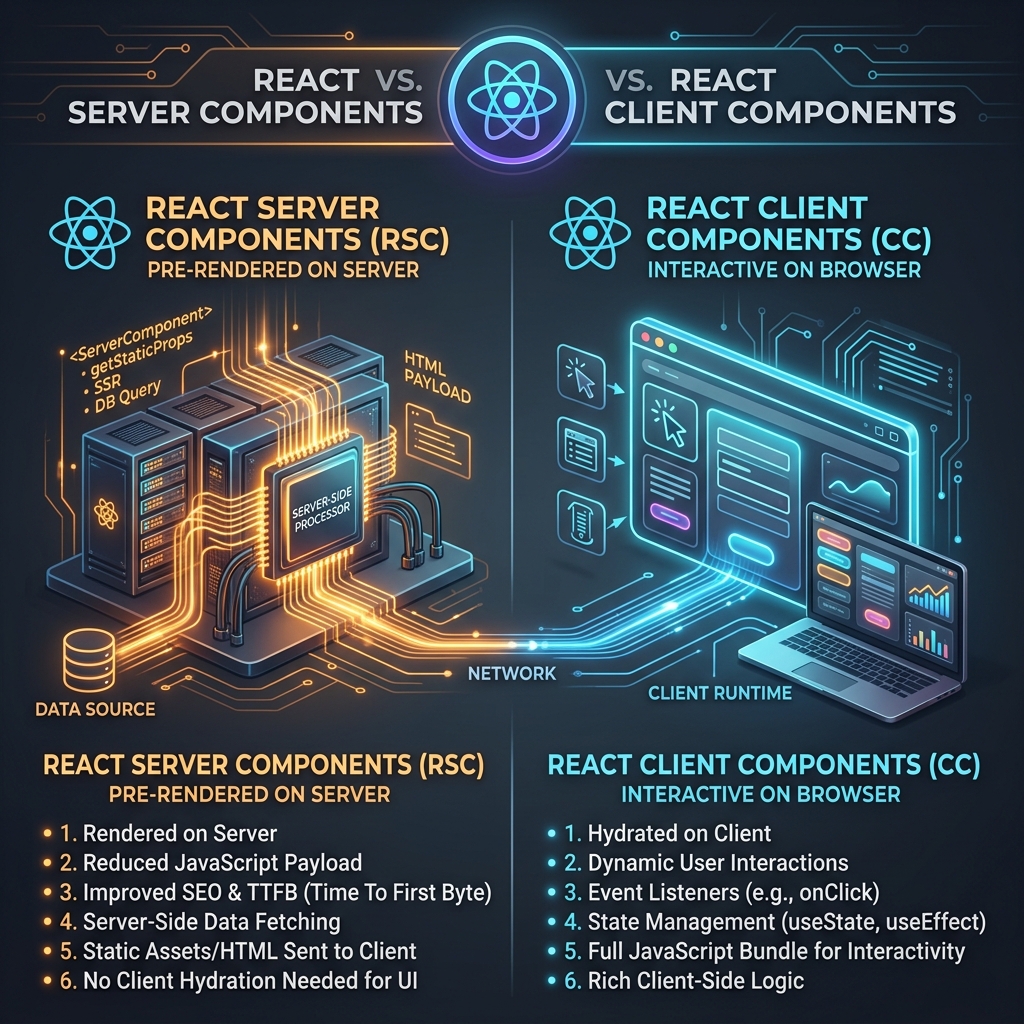
For a rich, interactive user experience, Single Page Applications (SPAs) built with React or Vue.js are standard. However, for SEO and initial load performance, a framework like Next.js (built on React) offers the best of both worlds with server-side rendering (SSR) or static site generation (SSG). This is crucial for students who might have unreliable internet connections or for recruitment agents needing quick access to information.
Key Frontend Considerations:
- Performance Optimization: Lazy loading, code splitting, image optimization, and CDN integration are vital for fast load times.
- Internationalization (i18n) & Localization (l10n): Supporting multiple languages (e.g., Spanish, Mandarin, Hindi) and localizing content (currency, date formats) is essential for a global audience. Libraries like
react-i18nextsimplify this. - Accessibility (A11y): Ensuring the platform is usable by individuals with disabilities (WCAG compliance) broadens its reach and demonstrates inclusivity.
- Responsive Design: A seamless experience across desktops, tablets, and mobile phones is non-negotiable.
// Example: Next.js component for a multilingual application form field
// components/ApplicationFormField.js
import { useTranslation } from 'next-i18next';

function ApplicationFormField({ name, labelKey, type = 'text', ...props }) {
  const { t } = useTranslation('common'); // common.json for translations

  return (
    <div className="form-group">
      <label htmlFor={name}>{t(labelKey)}</label>
      <input
        type={type}
        id={name}
        name={name}
        className="form-control"
        {...props}
      />
    </div>
  );
}

// usage in a page/component
// <ApplicationFormField name="firstName" labelKey="form.firstName" required />
// common.json: { "form": { "firstName": "First Name" } }
API Gateway for Unified Access
An API Gateway acts as the single entry point for all client applications (web, mobile). It routes requests to the appropriate microservices, handles authentication and authorization, rate limiting, and potentially caching. This simplifies client-side development by abstracting the complexity of the backend microservices. Technologies like AWS API Gateway, Kong, or Nginx can serve this purpose effectively.
Integration and Communication Layer
The true power of a global admission platform lies in its ability to seamlessly integrate with a myriad of external systems. This is where the edtech system design becomes particularly intricate.
Real-time Integrations with University Systems
Universities often have their own Student Information Systems (SIS), CRMs, or custom application portals. Our platform needs to push application data, pull status updates, and potentially sync course catalogs. This often involves:
- RESTful APIs: The most common integration method. Standards like OpenAPI (Swagger) help define clear API contracts.
- Webhooks: For real-time notifications from universities when an application status changes or documents are updated.
- ETL Processes: For bulk data synchronization, especially for initial data loads or periodic updates of course information.
- Message Queues (e.g., RabbitMQ, Kafka, AWS SQS): Decouple services and handle asynchronous communication. If a university API is temporarily down, messages can be queued and retried later without blocking the main application flow. This is crucial for resilience in a distributed system.
# Example: Python script for consuming a RabbitMQ message (simplified)
import pika
import json

def callback(ch, method, properties, body):
    data = json.loads(body)
    print(f" [x] Received application update: {data}")
    # Process the application update (e.g., update database, send notification)
    ch.basic_ack(method.delivery_tag) # Acknowledge message

connection = pika.BlockingConnection(pika.ConnectionParameters('localhost'))
channel = connection.channel()
channel.queue_declare(queue='application_updates')

channel.basic_consume(queue='application_updates', on_message_callback=callback)

print(' [*] Waiting for messages. To exit press CTRL+C')
channel.start_consuming()
Third-Party Service Integrations
Beyond universities, platforms interact with identity verification services, payment gateways (Stripe, PayPal), CRM tools (Salesforce), email marketing platforms (SendGrid), and analytics tools (Google Analytics, Mixpanel). Each integration requires careful selection of providers, robust error handling, and security considerations.
Security, Compliance, and Monitoring
In the EdTech space, security is not an afterthought; it's foundational. Protecting student data is paramount, especially with the rise of cyber threats and evolving privacy regulations.
Robust Security Measures
- Authentication & Authorization: Implement multi-factor authentication (MFA), role-based access control (RBAC), and secure token-based authentication (JWT).
- Data Encryption: Encrypt all sensitive data at rest (database, object storage) and in transit (SSL/TLS for all communication).
- Vulnerability Management: Regular security audits, penetration testing, and static/dynamic code analysis are essential. Follow OWASP Top 10 guidelines.
- GDPR, FERPA, and Local Regulations: Design the system with data privacy by design principles, ensuring consent management, data minimization, and the right to be forgotten. For instance, FERPA in the US dictates how student educational records are handled, while GDPR applies to EU citizens' data.
Observability and Monitoring
A complex distributed system requires sophisticated monitoring. You need to know when things go wrong before your users tell you.
- Logging: Centralized logging (e.g., ELK Stack - Elasticsearch, Logstash, Kibana, or Splunk) aggregates logs from all microservices, making debugging and auditing easier.
- Metrics: Collect performance metrics (CPU usage, memory, response times, error rates) for each service using tools like Prometheus and visualize them with Grafana.
- Tracing: Distributed tracing (e.g., Jaeger, OpenTelemetry) helps visualize the flow of requests across multiple services, identifying bottlenecks.
- Alerting: Set up alerts for critical errors, performance degradation, or security incidents to ensure prompt resolution.
Cloud Infrastructure and DevOps
Modern admission platform architecture thrives on cloud infrastructure. Cloud providers like AWS, Azure, and Google Cloud offer the scalability, reliability, and global reach required for such platforms.
Leveraging Cloud-Native Services
- Compute: Elastic Compute Cloud (EC2) for virtual servers, AWS Lambda for serverless functions, or Kubernetes (EKS, AKS, GKE) for container orchestration are common choices. Containerization with Docker provides consistency across development, staging, and production environments.
- Database Services: Managed database services like Amazon RDS (for MySQL/PostgreSQL), Amazon DynamoDB, or Azure Cosmos DB abstract away database administration tasks, allowing developers to focus on application logic.
- Networking: Virtual Private Clouds (VPCs), Load Balancers (ELB), and Content Delivery Networks (CDNs like CloudFront) ensure high availability and low latency globally.
- Security Services: Identity and Access Management (IAM), Web Application Firewalls (WAF), and Security Group configurations are crucial for cloud security.
DevOps and CI/CD Pipelines
Automated Continuous Integration/Continuous Deployment (CI/CD) pipelines are critical for rapid iteration and reliable deployments. Tools like GitLab CI/CD, GitHub Actions, or Jenkins automate testing, building, and deploying code changes, reducing manual errors and accelerating time-to-market. This agile approach is essential for responding to market demands and integrating new features quickly in a competitive EdTech landscape.
Key Takeaways
- Microservices are Key: For global scale and flexibility, a microservices architecture is paramount.
- Polyglot Persistence: Use the right database for the right job (relational for structured, NoSQL for flexible, object storage for binary).
- Frontend Focus: Prioritize performance, internationalization, and accessibility for a global user base. Next.js offers a strong foundation.
- Robust Integrations: Design for resilience and extensibility when connecting with universities and third-party services, leveraging message queues.
- Security First: Embed security and compliance (GDPR, FERPA) into every layer of the architecture.
- Cloud-Native & DevOps: Leverage managed cloud services and automate deployments with CI/CD pipelines for efficiency and scalability.
FAQ
Q1: What are the biggest challenges in building a global student admission platform?
A1: The biggest challenges include managing diverse and sensitive student data across different regulatory landscapes, integrating with heterogeneous university systems, ensuring high availability and performance globally, and providing a seamless, multilingual user experience. Data security and privacy compliance (GDPR, FERPA) are also critical and complex.
Q2: Why is a microservices architecture preferred over a monolith for these platforms?
A2: A microservices architecture offers greater scalability, resilience, and flexibility. Individual services can be developed, deployed, and scaled independently, allowing teams to innovate faster, deploy updates with minimal downtime, and allocate resources efficiently based on the demand for specific functionalities (e.g., more resources for application processing during peak season).
Q3: How do you handle data privacy regulations like GDPR and FERPA in the architecture?
A3: Data privacy is addressed by implementing "privacy by design" principles. This includes robust access controls, encryption of data at rest and in transit, data minimization, explicit consent mechanisms for data usage, and mechanisms for data portability and the "right to be forgotten." Regular security audits and compliance checks are also crucial.
Q4: What technologies are commonly used for the frontend of such platforms?
A4: Modern JavaScript frameworks like React, Vue.js, or Angular are common. For global admission platforms, frameworks like Next.js (built on React) are particularly beneficial due to their support for server-side rendering (SSR) and static site generation (SSG), which improve SEO and initial load performance, crucial for a wide user base.
Q5: How do these platforms integrate with different university systems that might have varying APIs or legacy infrastructure?
A5: Integration is typically handled through a dedicated Integration Service that uses a combination of strategies: RESTful APIs for modern systems, webhooks for real-time notifications, and ETL processes for bulk data synchronization. Message queues are often used to decouple services and ensure reliable, asynchronous communication, handling temporary outages or varying API capabilities gracefully.
---
Looking to build an EdTech platform, student CRM, or admission management system? I specialize in developing scalable education technology solutions using Laravel, React, and cloud infrastructure. Whether you're a study-abroad agency, EdTech startup, or university looking for custom software development, blank" rel="noopener noreferrer" style="color: var(--primary); text-decoration: none; border-bottom: 1px dashed var(--primary);">let's discuss your project. Check out my portfolio and technical expertise to see how I can help bring your vision to life.