Building a University Application Management System from Scratch: An Expert's Guide
The global education technology market is projected to reach an astounding \$600 billion by 2027, driven by increasing digitalization and the demand for streamlined administrative processes. Within this burgeoning landscape, university admissions stand out as a critical yet often convoluted area. For institutions, managing thousands of applications manually or with outdated systems leads to inefficiencies, missed opportunities, and frustrated applicants. For EdTech companies and study-abroad agencies like ApplyBoard or Edvoy, a robust university application management system isn't just a tool; it's the core engine of their business, enabling them to connect students with institutions globally, process applications at scale, and provide unparalleled service.
As a senior full-stack developer with years of experience building complex EdTech platforms, I've seen firsthand the transformative power of well-designed admission management software. From student CRMs to intricate application processing systems, the technical challenges are significant, but the rewards are immense. This guide will walk you through the essential considerations, architectural choices, and practical implementation details involved in building such a system from the ground up, sharing insights honed from real-world projects.
Understanding the Core Requirements of an Application Processing System
Before diving into code, it's crucial to define the scope and core functionalities. A robust university application management system must cater to multiple stakeholders: applicants, admissions officers, counselors (internal or third-party), and administrators. Each group has distinct needs that must be addressed.
Key Stakeholder Needs and System Features
- Applicants: They need an intuitive, secure portal for submitting applications, tracking status, uploading documents, and communicating with admissions. Features like multi-stage forms, document uploaders, payment gateways, and real-time status updates are essential.
- Admissions Officers: Their primary goal is efficient processing, review, and decision-making. This requires powerful dashboards, automated workflows, document management, communication tools, and reporting capabilities.
- Counselors/Agents: Often working with multiple students, counselors need a centralized view of their students' applications, progress, and communication history. Bulk actions, agency-specific dashboards, and commission tracking might also be required, similar to platforms used by AECC Global.
- Administrators: They need oversight, configuration options, user management, audit trails, and comprehensive analytics to optimize the admissions funnel.
Essential Modules for a Comprehensive System
Based on these needs, a typical university portal development project for application management will include the following modules:
1. Applicant Portal: Secure login, profile management, application forms (dynamic), document uploads, payment integration, application status tracker, messaging.
2. Admissions Officer Dashboard: Application review queue, data filters, scoring/evaluation tools, decision management (admit, deny, waitlist), communication templates, task management.
3. Document Management System (DMS): Secure storage, version control, automated document verification (e.g., OCR integration for transcripts), categorization.
4. Workflow & Automation Engine: Rule-based automation for application routing, email notifications, deadline reminders, and task assignment.
5. Reporting & Analytics: Dashboards for application volume, conversion rates, demographic insights, processing times, and bottleneck identification.
6. User & Role Management: Granular permissions, multi-tenancy support (if serving multiple institutions or agencies).
7. Integration Hub: APIs for connecting with SIS (Student Information Systems), CRM, payment gateways, identity verification services, and email/SMS providers.
Architectural Design: Laying a Scalable Foundation
Building an admission management software requires a scalable, secure, and maintainable architecture. I typically advocate for a microservices-oriented approach where feasible, or a well-structured modular monolith for initial rapid development, evolving towards microservices as complexity grows.
Choosing Your Technology Stack
For full-stack development in EdTech, I often lean towards battle-tested, robust technologies that offer excellent developer experience and a strong community.
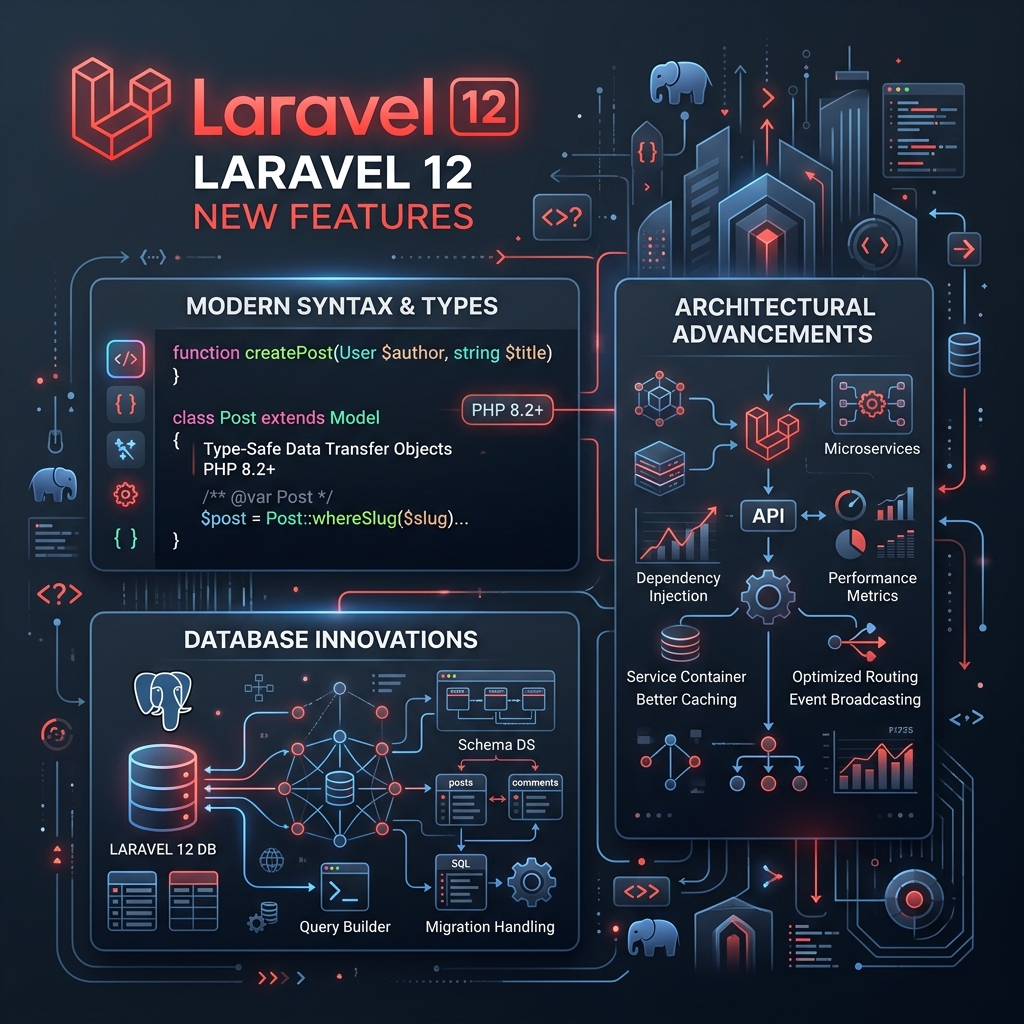
- Backend (API): Laravel (PHP) or Node.js (Express/NestJS) are excellent choices. Laravel provides a rich ecosystem, rapid development capabilities, and robust security features out-of-the-box. For high-performance, real-time features, Node.js can be compelling. Python with Django or FastAPI is also a strong contender, especially if data science or AI components are central.
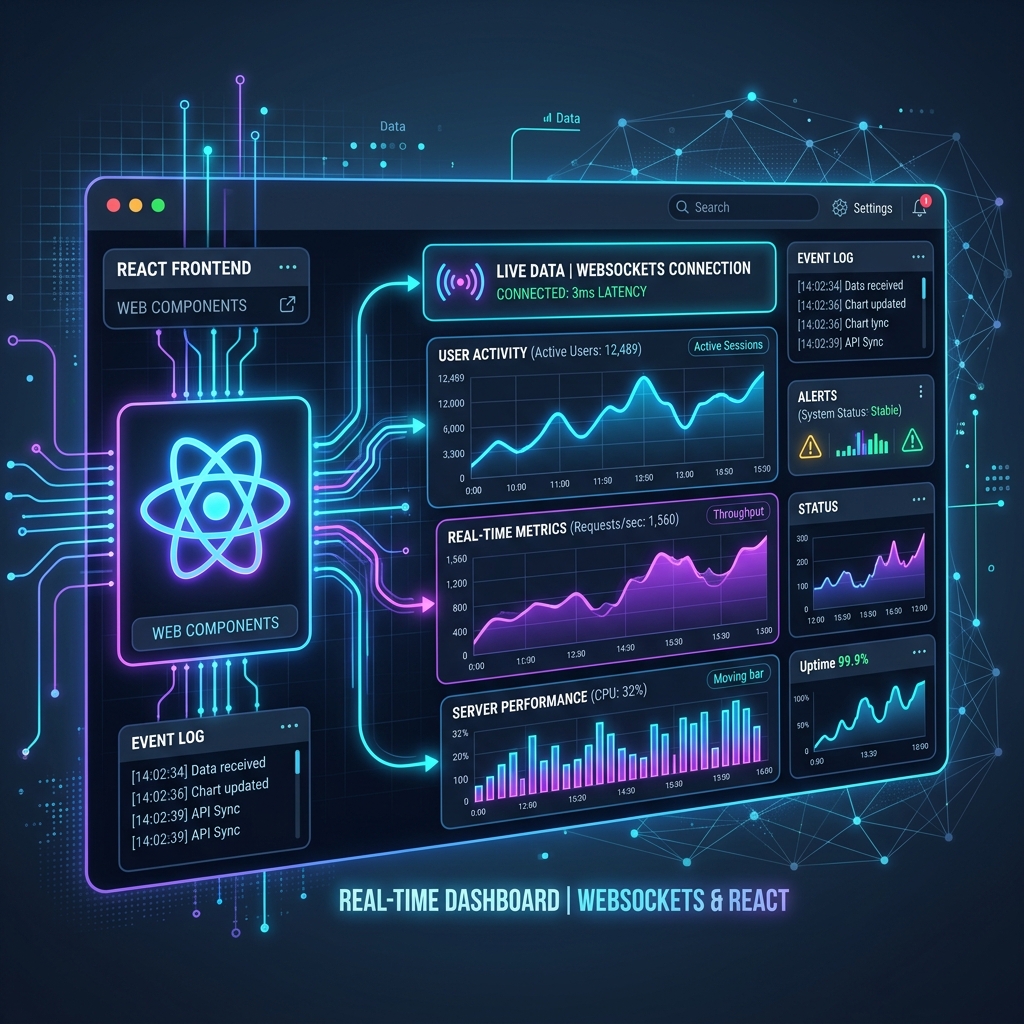
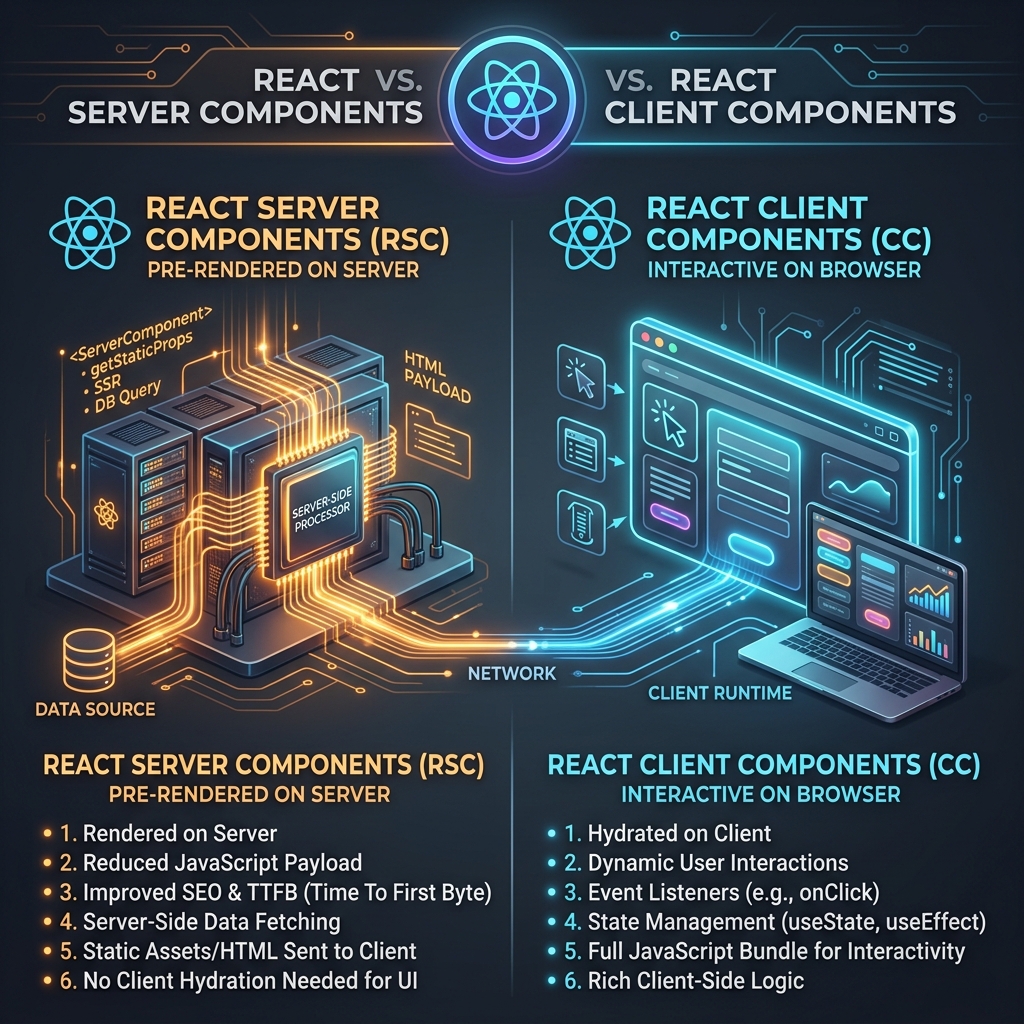
- Frontend (Web): React or Next.js. Next.js, built on React, offers server-side rendering (SSR), static site generation (SSG), and API routes, which are invaluable for performance, SEO, and developer productivity in complex applications like a university application management system.
- Database: MySQL or PostgreSQL. Both are relational databases that offer reliability, data integrity, and scalability. PostgreSQL often shines for complex queries and geospatial data. For document storage, AWS S3 or similar cloud storage is essential.
- Cloud Infrastructure: AWS, Google Cloud, or Azure. These platforms provide scalable computing, storage, networking, and managed services (e.g., RDS for databases, SQS for queues, Lambda for serverless functions) that are critical for modern EdTech platforms.
Example Backend Structure (Laravel)
Here's a simplified example of how you might structure a Laravel backend for an application module:
// app/Http/Controllers/ApplicationController.php
<?php

namespace App\Http\Controllers;

use App\Models\Application;
use App\Models\User;
use Illuminate\Http\Request;
use Illuminate\Support\Facades\Auth;
use Illuminate\Support\Facades\DB;

class ApplicationController extends Controller
{
    /**
     * Display a listing of the user's applications.
     *
     * @return \Illuminate\Http\JsonResponse
     */
    public function index()
    {
        $applications = Auth::user()->applications()->with(['program', 'status'])->latest()->get();
        return response()->json($applications);
    }

    /**
     * Store a newly created application in storage.
     *
     * @param  \Illuminate\Http\Request  $request
     * @return \Illuminate\Http\JsonResponse
     */
    public function store(Request $request)
    {
        $request->validate([
            'program_id' => 'required|exists:programs,id',
            'academic_history' => 'required|string',
            'personal_statement' => 'required|string|min:200',
            // ... other application fields
        ]);

        try {
            DB::beginTransaction();

            $application = Auth::user()->applications()->create([
                'program_id' => $request->program_id,
                'academic_history' => $request->academic_history,
                'personal_statement' => $request->personal_statement,
                'status_id' => 1, // Default to 'Submitted' status
                // ... map other fields
            ]);

            // Dispatch event for further processing (e.g., send email, create tasks)
            // event(new ApplicationSubmitted($application));

            DB::commit();

            return response()->json([
                'message' => 'Application submitted successfully!',
                'application' => $application->load(['program', 'status'])
            ], 201);

        } catch (\Exception $e) {
            DB::rollBack();
            \Log::error("Application submission failed: " . $e->getMessage());
            return response()->json(['message' => 'Application submission failed. Please try again.'], 500);
        }
    }

    /**
     * Display the specified application.
     *
     * @param  \App\Models\Application  $application
     * @return \Illuminate\Http\JsonResponse
     */
    public function show(Application $application)
    {
        if (Auth::id() !== $application->user_id && !Auth::user()->can('view all applications')) {
            abort(403, 'Unauthorized action.');
        }
        return response()->json($application->load(['program', 'status', 'documents']));
    }

    // ... methods for update, document upload, etc.
}
This snippet demonstrates basic CRUD operations for applications, including validation, database transactions, and authorization checks, which are fundamental to any application processing system. For more details on Laravel's capabilities, refer to the official Laravel documentation.
Implementing Key Functionalities: From Forms to Workflows
With the architecture in place, the focus shifts to bringing the core functionalities to life. This involves careful planning and execution of each module.
Dynamic Application Forms and Document Management
One of the most complex aspects is handling dynamic application forms. Different programs or institutions may require different sets of information.
- Form Builder: Consider implementing a configurable form builder that allows administrators to create and modify application forms without code changes. This could involve storing form definitions (fields, types, validation rules) in a JSON schema or a dedicated database table.
- Document Uploads: Secure and efficient document handling is paramount. Utilize cloud storage (e.g., AWS S3) for storing files. Implement client-side validation for file types and sizes, and server-side validation for security. Integrate with an antivirus scanner if dealing with potentially malicious uploads.
// Example React/Next.js component for file upload
import React, { useState } from 'react';
import axios from 'axios';

const DocumentUploader = ({ applicationId, documentType, onUploadSuccess }) => {
  const [selectedFile, setSelectedFile] = useState(null);
  const [uploading, setUploading] = useState(false);
  const [error, setError] = useState(null);

  const handleFileChange = (event) => {
    setSelectedFile(event.target.files[0]);
    setError(null);
  };

  const handleUpload = async () => {
    if (!selectedFile) {
      setError('Please select a file to upload.');
      return;
    }

    setUploading(true);
    const formData = new FormData();
    formData.append('document', selectedFile);
    formData.append('application_id', applicationId);
    formData.append('document_type', documentType); // e.g., 'transcript', 'passport'

    try {
      const response = await axios.post('/api/documents/upload', formData, {
        headers: {
          'Content-Type': 'multipart/form-data',
          'Authorization': `Bearer ${localStorage.getItem('authToken')}` // Example auth
        },
      });
      onUploadSuccess(response.data.document);
      setSelectedFile(null);
      alert('Document uploaded successfully!');
    } catch (err) {
      console.error('Upload error:', err);
      setError('Failed to upload document. Please try again.');
    } finally {
      setUploading(false);
    }
  };

  return (
    <div className="p-4 border rounded-md shadow-sm">
      <h4 className="font-semibold mb-2">Upload {documentType}</h4>
      <input type="file" onChange={handleFileChange} className="block w-full text-sm text-gray-500 file:mr-4 file:py-2 file:px-4 file:rounded-full file:border-0 file:text-sm file:font-semibold file:bg-blue-50 file:text-blue-700 hover:file:bg-blue-100" />
      {error && <p className="text-red-500 text-sm mt-2">{error}</p>}
      <button
        onClick={handleUpload}
        disabled={!selectedFile || uploading}
        className={`mt-4 px-4 py-2 rounded-md text-white ${selectedFile && !uploading ? 'bg-blue-600 hover:bg-blue-700' : 'bg-gray-400 cursor-not-allowed'}`}
      >
        {uploading ? 'Uploading...' : 'Upload Document'}
      </button>
    </div>
  );
};

export default DocumentUploader;
Workflow Automation and Communication
Automation is key to efficiency in any admission management software.
- Rule Engine: Implement a rule engine that triggers actions based on application status changes, document submissions, or deadlines. For example:
- Application submitted -> Send confirmation email to applicant.
- All documents received -> Change status to "Ready for Review," assign to an admissions officer.
- Decision made -> Send notification to applicant, update SIS.
- Email/SMS Integration: Integrate with services like SendGrid, Mailgun, or Twilio for reliable communication. Use templates to personalize messages.
- Internal Notifications: Implement in-app notifications and task assignments for admissions staff, ensuring no application falls through the cracks.
Security, Compliance, and Data Privacy
In EdTech, especially when dealing with personal student data, security and compliance are non-negotiable. The EU's GDPR, California's CCPA, and similar regulations worldwide mandate strict data handling practices.
Data Encryption and Access Control
- Encryption at Rest and In Transit: Ensure all data is encrypted both when stored (at rest, e.g., database, S3 buckets) and when transmitted over networks (in transit, using HTTPS/SSL).
- Role-Based Access Control (RBAC): Implement granular permissions. An applicant can only see their own applications, while an admissions officer can see only applications assigned to them or within their department. An administrator has broader access.
- Audit Trails: Log all significant actions within the system (e.g., application status changes, document access, user logins) for accountability and compliance.
Compliance with Education-Specific Regulations
- FERPA (US): If operating in the US, understand and comply with the Family Educational Rights and Privacy Act, which protects the privacy of student education records.
- GDPR (EU): For students from the EU, strict rules around data collection, storage, and processing apply. Ensure you have clear consent mechanisms, data portability options, and procedures for data deletion.
A comprehensive guide on securing web applications can be found on OWASP's website, an excellent resource for best practices in application security.
Integrations and Ecosystem Development
No university application management system exists in isolation. It must seamlessly integrate with other systems within an institution's or agency's ecosystem.
Common Integration Points
- Student Information Systems (SIS): Post-admission, student data needs to flow into the university's SIS (e.g., Banner, Workday, Salesforce Education Cloud). APIs are crucial here.
- CRM Systems: For pre-application lead nurturing and communication, integration with Salesforce, HubSpot, or a custom student CRM is vital.
- Payment Gateways: Integrate with popular payment processors like Stripe, PayPal, or local gateways for application fees.
- Identity Verification/Background Checks: For specific programs, integrations with services like Onfido or Sterling might be necessary.
- External Data Sources: API integrations for standardized tests (SAT, ACT, TOEFL, IELTS), credential evaluation services, or government immigration portals.
API Design for Seamless Connectivity
When designing your APIs for integration, prioritize RESTful principles, clear documentation, and secure authentication (e.g., OAuth2, API Keys).
// Example of an API endpoint for an external SIS to fetch admitted students
// app/Http/Controllers/Api/AdmittedStudentsController.php
<?php

namespace App\Http\Controllers\Api;

use App\Http\Controllers\Controller;
use App\Models\Application;
use Illuminate\Http\Request;
use Illuminate\Support\Facades\Auth;

class AdmittedStudentsController extends Controller
{
    /**
     * Get a list of admitted students for SIS integration.
     * Requires API key or OAuth token for authentication.
     *
     * @param  \Illuminate\Http\Request  $request
     * @return \Illuminate\Http\JsonResponse
     */
    public function index(Request $request)
    {
        // Example: Only allow authenticated SIS user/service to access
        if (!Auth::guard('api')->check() || !Auth::guard('api')->user()->can('access_sis_data')) {
            return response()->json(['message' => 'Unauthorized.'], 403);
        }

        $admittedApplications = Application::whereHas('status', function ($query) {
            $query->where('name', 'Admitted');
        })
        ->with(['user', 'program', 'documents']) // Eager load necessary relationships
        ->select('id', 'user_id', 'program_id', 'decision_date', 'status_id')
        ->paginate($request->get('limit', 50));

        return response()->json($admittedApplications);
    }

    // ... Potentially an endpoint to update SIS status back to the application system
}
This API blueprint allows for secure and structured data exchange, a hallmark of robust university portal development.
Key Takeaways
- User-Centric Design: Prioritize the experience of applicants, admissions officers, and counselors.
- Scalable Architecture: Choose a tech stack and design patterns that can handle growing application volumes (e.g., Laravel/Next.js, cloud services).
- Automation is King: Implement workflows and notifications to reduce manual effort and accelerate processing.
- Security & Compliance First: Protect sensitive student data with encryption, RBAC, and adherence to regulations like GDPR/FERPA.
- Seamless Integrations: Design for interoperability with SIS, CRM, payment gateways, and other external services.
- Iterative Development: Start with core features and iteratively add complexity, gathering feedback along the way.
FAQ: Your Questions Answered
Q1: What's the typical timeline for building a custom university application management system?
A1: A minimum viable product (MVP) with core functionalities (applicant portal, basic review dashboard, document uploads) can take 6-9 months with a dedicated team. A fully-fledged system with advanced automation, integrations, and reporting can easily take 12-18+ months. This depends heavily on scope, team size, and complexity.
Q2: Should we build or buy an admission management software?
A2: "Build vs. Buy" is a classic dilemma. Buying off-the-shelf solutions offers faster deployment and lower upfront costs but often lacks customization, leading to compromises. Building from scratch provides complete control, tailored features, and long-term strategic advantage, but requires significant investment in time and resources. For unique workflows or competitive differentiation, building is often the superior long-term choice.
Q3: How do we ensure data security and compliance with international regulations?
A3: Implement end-to-end encryption, robust role-based access control (RBAC), regular security audits, and adhere to industry best practices (e.g., OWASP Top 10). For international compliance, engage legal counsel to understand specific requirements like GDPR, CCPA, and local data residency laws. Design with privacy by design principles, ensuring data minimization and transparent consent.
Q4: What are the biggest challenges in developing a university application management system?
A4: Key challenges include managing dynamic form requirements, ensuring seamless integrations with legacy SIS systems, handling high volumes of data and documents, designing intuitive user interfaces for diverse user groups, and maintaining stringent security and compliance standards. Scalability and performance under peak load are also significant considerations.
Q5: Can AI/ML be integrated into an application processing system?
A5: Absolutely! AI/ML can enhance a university application management system significantly. Examples include using natural language processing (NLP) for initial screening of personal statements, machine learning for predicting applicant success based on historical data, or AI-powered chatbots for applicant support. This can greatly reduce manual effort and improve decision-making accuracy.
Looking to build an EdTech platform, student CRM, or admission management system? I specialize in developing scalable education technology solutions using Laravel, React, and cloud infrastructure. Whether you're a study-abroad agency, EdTech startup, or university looking for custom software development, blank" rel="noopener noreferrer" style="color: var(--primary); text-decoration: none; border-bottom: 1px dashed var(--primary);">let's discuss your project. Check out my portfolio and technical expertise to see how I can help bring your vision to life.