Building a High-Conversion Education Website: A Developer's Playbook
The global EdTech market is projected to reach an astounding \$600 billion by 2027, with a CAGR exceeding 15% from 2023. This explosive growth presents immense opportunities, but also fierce competition. For many education providers – whether they're study-abroad agencies like ApplyBoard and Edvoy, online learning platforms, or traditional universities – their website is the primary gateway for prospective students. Yet, a disheartening number of these digital storefronts fail to convert visitors into leads, enrollments, or inquiries. The problem often isn't the quality of education offered, but a poorly optimized, technically deficient, or user-unfriendly website experience. This leads to wasted marketing spend, lost opportunities, and ultimately, stifled growth.
As a full-stack developer with over a decade of experience engineering complex EdTech platforms, I've seen firsthand the impact a meticulously crafted, high-conversion education website can have. It's not just about aesthetics; it's about a seamless user journey, robust backend systems, and a laser focus on the student conversion rate. This isn't merely a marketing task; it's a deep dive into technical architecture, user experience (UX) design, performance optimization, and data-driven iteration. In this playbook, I'll share practical, implementation-focused strategies for building an EdTech website that doesn't just inform, but actively converts.
Understanding the EdTech Conversion Funnel: A Developer's Perspective
Before we even touch a line of code, it's crucial to understand the unique conversion funnel in EdTech. Unlike e-commerce, where conversion is often a direct purchase, education involves a longer, more nuanced decision-making process. Students often move from awareness to consideration, then to inquiry, application, and finally, enrollment. Each stage requires specific technical and UX considerations to facilitate progression.
Mapping the Student Journey to Technical Requirements
A high-conversion education website must cater to various student personas and their needs at different stages. For instance, a prospective student in the "awareness" stage might be looking for broad course information, university rankings, or career prospects. A student in the "consideration" stage might be comparing programs, checking admission requirements, or calculating tuition fees. The "inquiry" stage often involves specific questions, requiring robust CRM integration.
From a developer's standpoint, this means:
- Awareness: Fast-loading, SEO-optimized content pages (blogs, guides), clear navigation, and engaging multimedia.
- Consideration: Detailed program pages, comparison tools, interactive cost calculators, virtual tours, and easy access to faculty profiles.
- Inquiry/Application: Streamlined application forms, document upload portals, secure payment gateways, and real-time status tracking.
- Enrollment: Onboarding resources, student portals, and communication tools.
Each of these stages translates into specific features and architectural choices. For example, a robust student CRM integration is paramount for managing inquiries and applications, a feature I've frequently implemented for clients like AECC Global.
Key Performance Indicators (KPIs) for EdTech Websites
Beyond generic web metrics, several KPIs are critical for evaluating an EdTech website's performance:
- Lead-to-Application Rate: Percentage of inquiries that result in a submitted application.
- Application Completion Rate: Percentage of started applications that are fully submitted.
- Application-to-Enrollment Rate: Percentage of submitted applications that lead to enrollment.
- Course Page Conversion Rate: Percentage of visitors to a specific course page who take a desired action (e.g., download brochure, inquire).
- Time Spent on Key Pages: Indicates engagement with critical content.
- Bounce Rate on Landing Pages: High bounce rates often signal poor messaging or slow load times.
Monitoring these KPIs requires robust analytics integration (e.g., Google Analytics 4, Mixpanel) and often, custom event tracking configured via tools like Google Tag Manager.
Architectural Foundations for EdTech UX Design
A truly high-conversion education website is built on a solid technical foundation. This involves choosing the right tech stack, designing a scalable database, and prioritizing performance.
Choosing the Right Tech Stack for Scalability and Speed
For a modern EdTech platform, a combination of robust backend and dynamic frontend technologies is ideal.
Backend (API-driven):
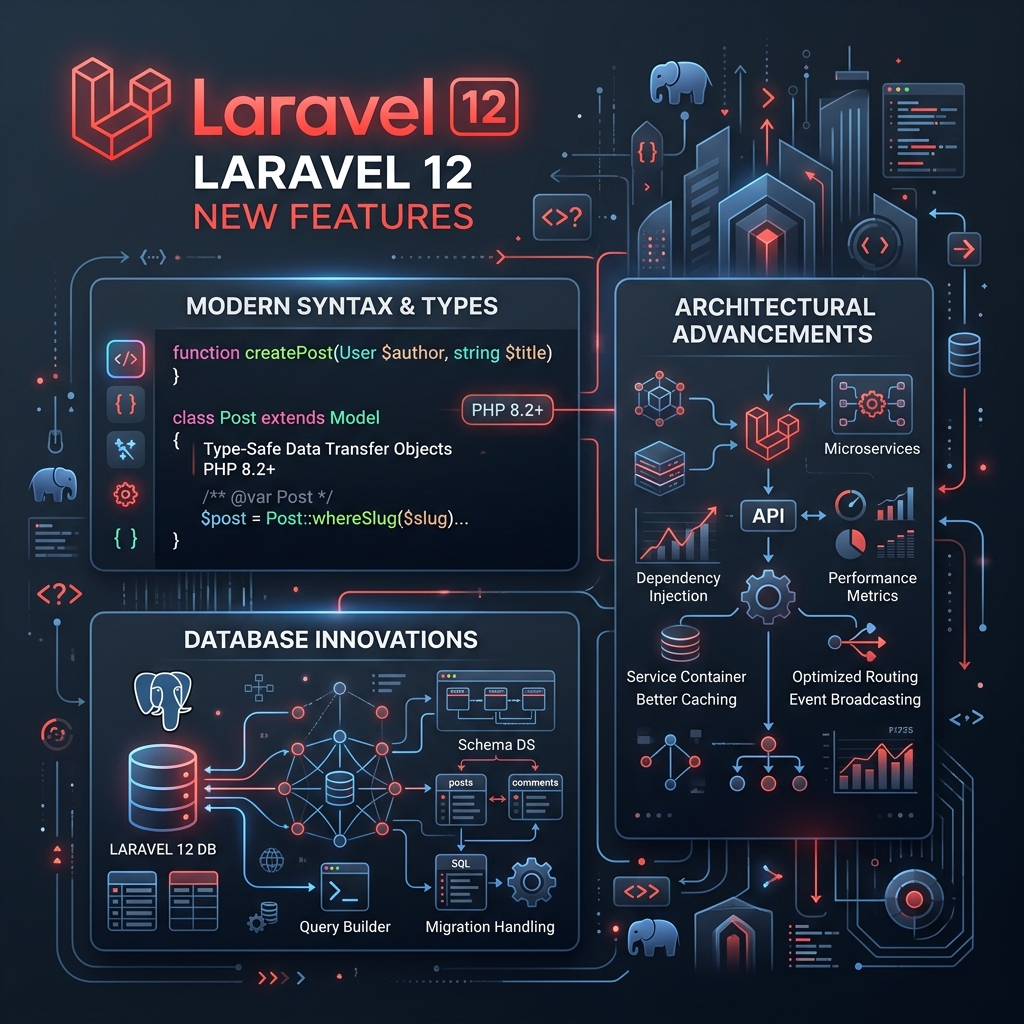
Laravel (PHP) and Next.js (React/Node.js) are excellent choices. Laravel provides a mature ecosystem, strong security features, and powerful ORM for complex data models, making it perfect for handling student data, admissions workflows, and integrations. Next.js, with its server-side rendering (SSR) and static site generation (SSG) capabilities, is fantastic for SEO and initial page load performance, especially for content-heavy pages.
// Example: Laravel API endpoint for fetching course details
// app/Http/Controllers/Api/CourseController.php
namespace App\Http\Controllers\Api;

use App\Http\Controllers\Controller;
use App\Models\Course;
use Illuminate\Http\Request;

class CourseController extends Controller
{
    public function show(string $slug)
    {
        $course = Course::where('slug', $slug)
                        ->with(['faculty', 'modules', 'admissions'])
                        ->firstOrFail();

        return response()->json($course);
    }
}
Frontend (Interactive & Responsive):
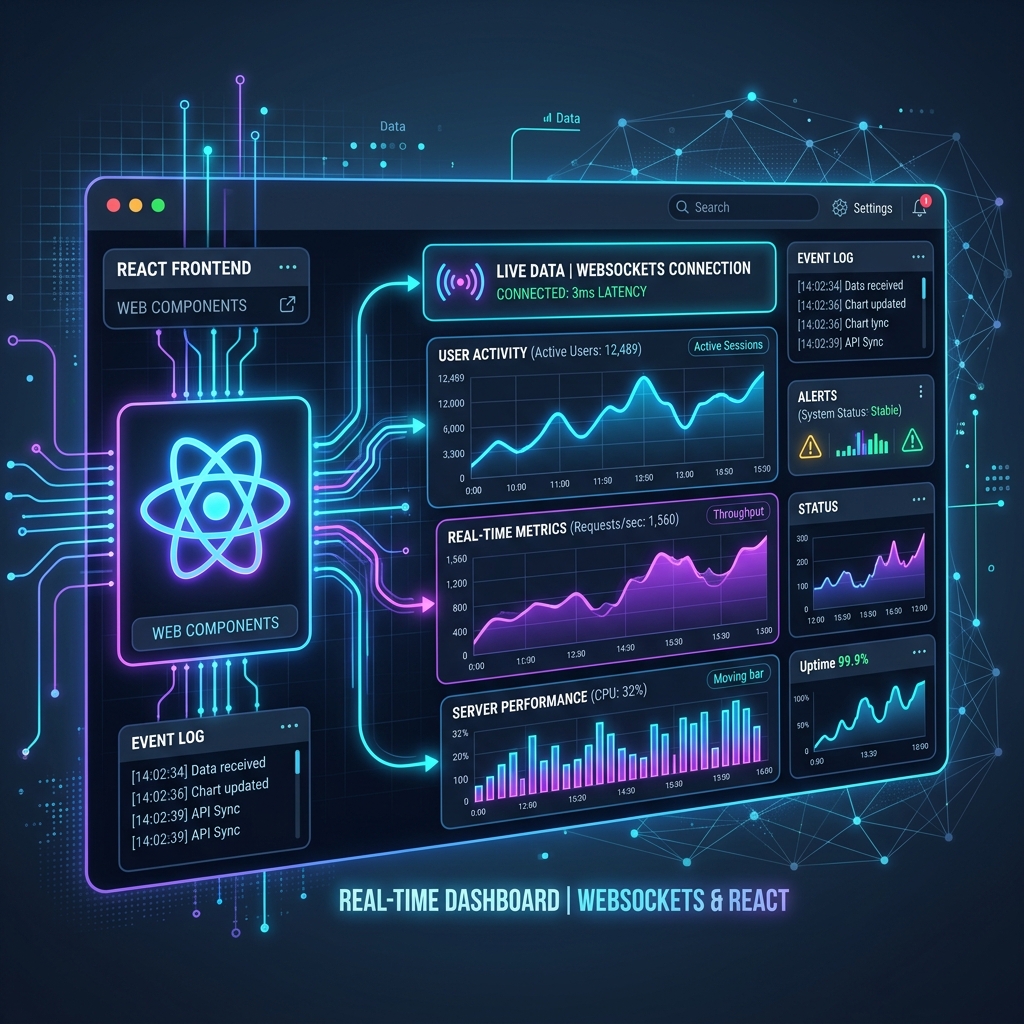
React or Vue.js, often paired with Next.js or Nuxt.js respectively, offer powerful component-based architectures. This allows for highly interactive user interfaces, dynamic forms, and real-time updates without full page reloads, crucial for a smooth application process.
// Example: React component for a course inquiry form (Next.js)
// components/CourseInquiryForm.jsx
import React, { useState } from 'react';

const CourseInquiryForm = ({ courseId }) => {
  const [formData, setFormData] = useState({ name: '', email: '', message: '' });
  const [status, setStatus] = useState('');

  const handleChange = (e) => {
    setFormData({ ...formData, [e.target.name]: e.target.value });
  };

  const handleSubmit = async (e) => {
    e.preventDefault();
    setStatus('submitting');
    try {
      const response = await fetch('/api/inquire', { // API route for submission
        method: 'POST',
        headers: { 'Content-Type': 'application/json' },
        body: JSON.stringify({ ...formData, courseId }),
      });
      if (response.ok) {
        setStatus('success');
        setFormData({ name: '', email: '', message: '' });
      } else {
        setStatus('error');
      }
    } catch (error) {
      console.error('Inquiry submission failed:', error);
      setStatus('error');
    }
  };

  return (
    <form onSubmit={handleSubmit} className="p-6 bg-white rounded-lg shadow-md">
      <h3 className="text-2xl font-semibold mb-4">Inquire About This Course</h3>
      {status === 'success' && <p className="text-green-600 mb-4">Inquiry submitted successfully!</p>}
      {status === 'error' && <p className="text-red-600 mb-4">Something went wrong. Please try again.</p>}
      <div className="mb-4">
        <label htmlFor="name" className="block text-gray-700 text-sm font-bold mb-2">Name:</label>
        <input
          type="text"
          id="name"
          name="name"
          value={formData.name}
          onChange={handleChange}
          className="shadow appearance-none border rounded w-full py-2 px-3 text-gray-700 leading-tight focus:outline-none focus:shadow-outline"
          required
        />
      </div>
      {/* ... other form fields ... */}
      <button
        type="submit"
        className="bg-blue-600 hover:bg-blue-700 text-white font-bold py-2 px-4 rounded focus:outline-none focus:shadow-outline"
        disabled={status === 'submitting'}
      >
        {status === 'submitting' ? 'Submitting...' : 'Send Inquiry'}
      </button>
    </form>
  );
};

export default CourseInquiryForm;
Database: MySQL or PostgreSQL are robust relational databases suitable for storing structured student data, course catalogs, and application details. For more flexible content, a NoSQL database like MongoDB could complement for things like blog posts or user-generated content.
Optimizing for Speed: Core Web Vitals and Beyond
Google's Core Web Vitals (CWV) are critical ranking factors, and more importantly, direct indicators of user experience. A slow website frustrates users and leads to high bounce rates – a death knell for conversion. According to a 2025 study, a 1-second delay in page load time can decrease conversions by 7%.
- Lazy Loading: Implement lazy loading for images and videos using
loading="lazy"attribute or Intersection Observer API. - Image Optimization: Compress and serve images in modern formats (WebP, AVIF). Use responsive images (
srcset). - Code Splitting: Break down JavaScript bundles into smaller chunks using dynamic imports, especially for routes or components that aren't immediately needed.
- CDN (Content Delivery Network): Distribute static assets globally to reduce latency. AWS CloudFront or Cloudflare are excellent choices.
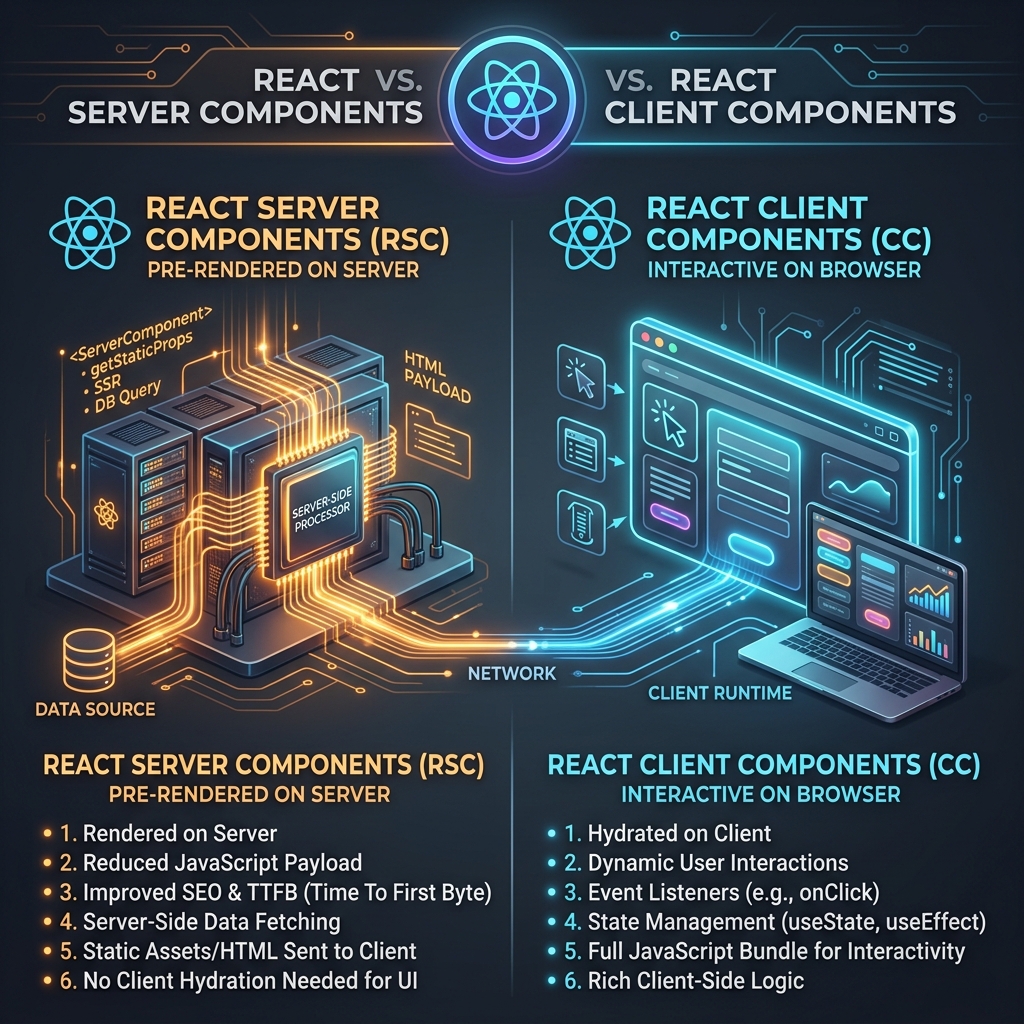
- Server-Side Rendering (SSR) / Static Site Generation (SSG): For content-heavy pages, SSR/SSG (via Next.js, Nuxt.js) significantly improves initial page load and SEO.
- Caching: Implement server-side caching (e.g., Redis with Laravel) and browser caching for frequently accessed data and assets.
Crafting a Seamless User Journey for Student Conversion
A high-conversion education website isn't just fast; it's intuitive and guides the user effortlessly towards their goal. This is where strategic UX design and clear calls-to-action (CTAs) come into play.
Intuitive Navigation and Information Architecture
Students are often overwhelmed by choices. A clear, logical navigation structure helps them find what they need quickly.
- Primary Navigation: Prominently display links to "Courses," "Admissions," "About Us," "Contact," and a clear "Apply Now" or "Inquire" button.
- Search Functionality: A powerful, predictive search bar is essential, especially for platforms with many courses.
- Breadcrumbs: Help users understand their location within the site hierarchy.
- Internal Linking: Strategically link related courses, blog posts, and testimonials to keep users engaged and improve SEO. For example, when describing a specific program, link to relevant case studies of successful alumni.
Compelling Content and Clear Calls-to-Action
Content is king, but only if it's persuasive and actionable.
- Benefit-Oriented Copy: Focus on the "why" – how will this program benefit the student's career, life, or personal growth?
- Social Proof: Integrate testimonials, success stories, and alumni profiles. Platforms like ApplyBoard leverage this effectively.
- Visual Appeal: High-quality images, videos, and infographics can convey complex information quickly and engage users.
- Strategic CTAs: Every key page should have a clear, compelling CTA. Use action-oriented language ("Apply Now," "Download Prospectus," "Book a Free Consultation"). Ensure CTAs are consistently styled and located.
Example CTA Block:
<div class="cta-block bg-gradient-to-r from-blue-500 to-indigo-600 text-white p-8 rounded-lg shadow-xl text-center my-10">
    <h2 class="text-3xl md:text-4xl font-bold mb-4">Ready to Start Your Journey?</h2>
    <p class="text-lg mb-6 max-w-2xl mx-auto">
        Speak with an admissions expert to find the perfect program that aligns with your ambitions.
    </p>
    <a href="/contact" class="inline-block bg-white text-blue-700 hover:bg-gray-100 font-bold py-3 px-8 rounded-full shadow-lg transition duration-300 ease-in-out transform hover:scale-105">
        Book a Free Consultation
    </a>
</div>
Advanced Conversion Optimization Techniques
Beyond the basics, sophisticated techniques can further elevate your student conversion rate. This often involves data analysis, A/B testing, and intelligent personalization.
Personalization and Dynamic Content Delivery
Leveraging user data (with strict privacy adherence) to personalize the website experience can dramatically increase engagement.
- Geo-targeting: Display relevant tuition fees, deadlines, or local contact information based on the user's location.
- Behavioral Personalization: Show recommended courses based on browsing history or previously viewed content. If a user frequently visits engineering programs, highlight similar options.
- Account-Based Personalization: For logged-in users (e.g., applicants), display their application status, pending tasks, or relevant onboarding materials in a dedicated student portal.
This requires a robust backend capable of storing and analyzing user interactions, often integrated with a CRM or marketing automation platform.
A/B Testing and Analytics-Driven Iteration
Never assume what works. A/B testing is crucial for continuous improvement.
- Hypothesis Formulation: Formulate clear hypotheses (e.g., "Changing the 'Apply Now' button color to green will increase clicks by 10%").
- Tooling: Use tools like Google Optimize (or similar A/B testing platforms) to run experiments.
- Key Elements to Test:
- CTA button text, color, and placement.
- Headline variations.
- Form field order and quantity.
- Layout of key pages (e.g., program pages, application forms).
- Image/video choices.
- Data Analysis: Rigorously analyze the results. Don't just look at clicks; examine down-funnel metrics like application starts or completions.
As developers, we are instrumental in setting up the A/B testing infrastructure, implementing variants, and ensuring accurate data collection. My technical expertise in integrating these tools is something I frequently apply in projects.
Securing Your EdTech Platform and Ensuring Compliance
Trust is paramount in education. A data breach or privacy violation can irrevocably damage an institution's reputation and student trust. Ensuring robust security and compliance with regulations like GDPR and FERPA is non-negotiable.
Data Security Best Practices
- HTTPS Everywhere: Enforce SSL/TLS for all traffic to encrypt data in transit.
- Input Validation and Sanitization: Prevent common vulnerabilities like SQL injection and cross-site scripting (XSS). In Laravel, Eloquent ORM and built-in validation rules handle much of this.
- Authentication and Authorization: Implement strong password policies, multi-factor authentication (MFA), and role-based access control (RBAC).
- Regular Security Audits: Conduct penetration testing and vulnerability assessments.
- Secure File Uploads: Sanitize filenames, restrict file types, and store uploaded documents securely (e.g., AWS S3 with proper access controls).
- Encrypt Sensitive Data at Rest: Encrypt databases and sensitive files.
Privacy Regulations (GDPR, FERPA, etc.)
For EdTech platforms, especially those operating internationally, understanding and complying with data privacy regulations is critical.
- GDPR (General Data Protection Regulation): For students in the EU. Requires explicit consent for data processing, right to access/delete data, and robust data protection measures.
- FERPA (Family Educational Rights and Privacy Act): For educational institutions in the US. Governs the access to educational records.
- CCPA (California Consumer Privacy Act): For California residents, granting similar rights to GDPR.
As developers, we integrate mechanisms for consent management (e.g., cookie consent banners, clear privacy policies), data access requests, and secure data handling procedures. This often involves designing database schemas that allow for easy data anonymization or deletion when requested.
Key Takeaways
- Student-Centric Design: Every technical and design decision should revolve around facilitating the student's journey from prospect to enrollee.
- Performance is Paramount: A slow website kills conversions and damages SEO. Optimize for Core Web Vitals relentlessly.
- Robust Tech Stack: Choose scalable, secure, and maintainable technologies like Laravel, Next.js, and React.
- Data-Driven Decisions: Implement comprehensive analytics and A/B test continuously to refine your conversion strategies.
- Security and Compliance: Prioritize data privacy and security to build trust and avoid legal repercussions.
- CRM Integration: Seamlessly connect your website forms and application portals with a student CRM for efficient lead management.
FAQ
Q: What's the most critical factor for a high-conversion education website?
A: While many factors contribute, a seamless and intuitive user experience (UX) combined with blazing-fast performance is arguably the most critical. If users can't find what they need or the site loads slowly, they'll leave, regardless of your content's quality.
Q: How often should I A/B test my EdTech website?
A: A/B testing should be an ongoing process. Aim to run at least one or two tests concurrently on critical pages (homepage, course pages, application forms). Analyze results monthly and implement winning variations.
Q: Is SEO important for EdTech, or should I focus purely on paid ads?
A: SEO is incredibly important for EdTech. Organic traffic often has a higher conversion rate and lower cost per acquisition over the long term. A strong SEO strategy, including technical SEO, content marketing, and local SEO, will complement paid campaigns, providing a sustainable source of qualified leads.
Q: What are some common pitfalls developers face when building EdTech websites?
A: Common pitfalls include neglecting mobile responsiveness, over-engineering features without user validation, poor integration with third-party systems (CRMs, payment gateways), inadequate security measures, and failing to optimize for Core Web Vitals.
Q: How do I measure the ROI of my website optimization efforts?
A: By tracking key performance indicators (KPIs) like lead-to-application rate, application completion rate, and ultimately, enrollment rates. Compare these metrics before and after implementing optimizations, and correlate them with your marketing spend and revenue generated.
Looking to build an EdTech platform, student CRM, or admission management system? I specialize in developing scalable education technology solutions using Laravel, React, and cloud infrastructure. Whether you're a study-abroad agency, EdTech startup, or university looking for custom software development, blank" rel="noopener noreferrer" style="color: var(--primary); text-decoration: none; border-bottom: 1px dashed var(--primary);">let's discuss your project. Check out my portfolio and technical expertise to see how I can help bring your vision to life.