How Education Agencies Can Automate Their Workflow in 2026: A Developer's Perspective
The global education sector is undergoing a rapid digital transformation, driven by an increasing demand for personalized learning experiences and efficient administrative processes. For education agencies – those vital intermediaries connecting students with educational institutions worldwide – the challenges are intensifying. Manual data entry, repetitive communication tasks, and fragmented systems lead to bottlenecks, missed opportunities, and a less-than-stellar experience for both students and partner institutions. In an era where agility and data-driven decisions are paramount, agencies like ApplyBoard, Edvoy, and AECC Global are setting new benchmarks, proving that education agency workflow automation isn't just a luxury; it's a strategic imperative for survival and growth.
As a full-stack developer who has spent years architecting and implementing complex EdTech solutions, I've seen firsthand the transformative power of well-executed automation. The year 2026 demands more than just basic digital tools; it requires intelligent systems that can anticipate needs, streamline recruitment workflows, and provide actionable insights. This article delves deep into how education agencies can leverage cutting-edge technology to automate their operations, enhance student engagement, and secure a competitive edge in the evolving EdTech landscape. We’ll explore the technical underpinnings, practical implementation strategies, and the tangible benefits of embracing education process automation from a developer's vantage point.
The Urgency for Automation in Education Agencies
The landscape for education agencies is more competitive than ever. According to a 2025 HolonIQ report, the global EdTech market is projected to reach over $400 billion by 2027, with significant investment in AI and automation tools. Agencies are no longer just brokers; they are expected to be sophisticated service providers offering seamless application experiences, personalized guidance, and transparent communication. Without robust agency automation tools, agencies risk being outmaneuvered by competitors who have embraced digital efficiency.
Identifying Workflow Bottlenecks
Before embarking on an automation journey, it's crucial to pinpoint the specific areas causing inefficiencies. Common bottlenecks in education agencies include:
- Student Lead Management: Manual lead capture, qualification, and assignment often result in lost leads and slow response times.
- Application Processing: Collating documents, filling out forms, and tracking application statuses across multiple institutions is notoriously time-consuming and error-prone.
- Communication & Follow-ups: Repetitive emails, SMS, and calls for reminders, updates, and document requests consume significant staff hours.
- Commission Tracking & Payments: Manual reconciliation of commissions from institutions can be a nightmare, leading to discrepancies and delays.
- Reporting & Analytics: Generating meaningful insights from disparate data sources is often a manual, tedious process, hindering strategic decision-making.
Consider an agency like AECC Global, managing thousands of student applications annually. Without automation, the sheer volume of administrative tasks would overwhelm their counselors, diverting their focus from high-value student interactions.
The ROI of Automation: Beyond Cost Savings
While cost reduction is a clear benefit, the true return on investment (ROI) of education agency workflow automation extends far beyond. We're talking about:
- Increased Counselor Productivity: Freeing up counselors from administrative burdens allows them to focus on personalized student counseling and strategic outreach.
- Enhanced Student Experience: Faster responses, proactive updates, and a streamlined application process lead to higher student satisfaction and trust.
- Improved Compliance & Accuracy: Automated validation and data entry reduce human errors, ensuring applications are complete and compliant with institutional requirements.
- Scalability: Automated workflows enable agencies to handle a larger volume of applications without proportionally increasing headcount, facilitating growth.
- Data-Driven Insights: Centralized, automated data collection provides real-time analytics for better decision-making, optimizing marketing spend, and identifying popular courses or institutions.
Core Pillars of Education Agency Workflow Automation
Building a truly automated education agency requires a multi-faceted approach, integrating various technological components into a cohesive system. From a technical perspective, this often involves a robust backend, a dynamic frontend, and intelligent integrations.
1. Intelligent Lead Management & CRM Integration
The journey begins with capturing and nurturing leads. A well-integrated CRM (Customer Relationship Management) system is the backbone of this process. Modern EdTech CRMs go beyond basic contact management; they incorporate AI-driven lead scoring, automated assignment, and personalized communication sequences.
Technical Implementation:
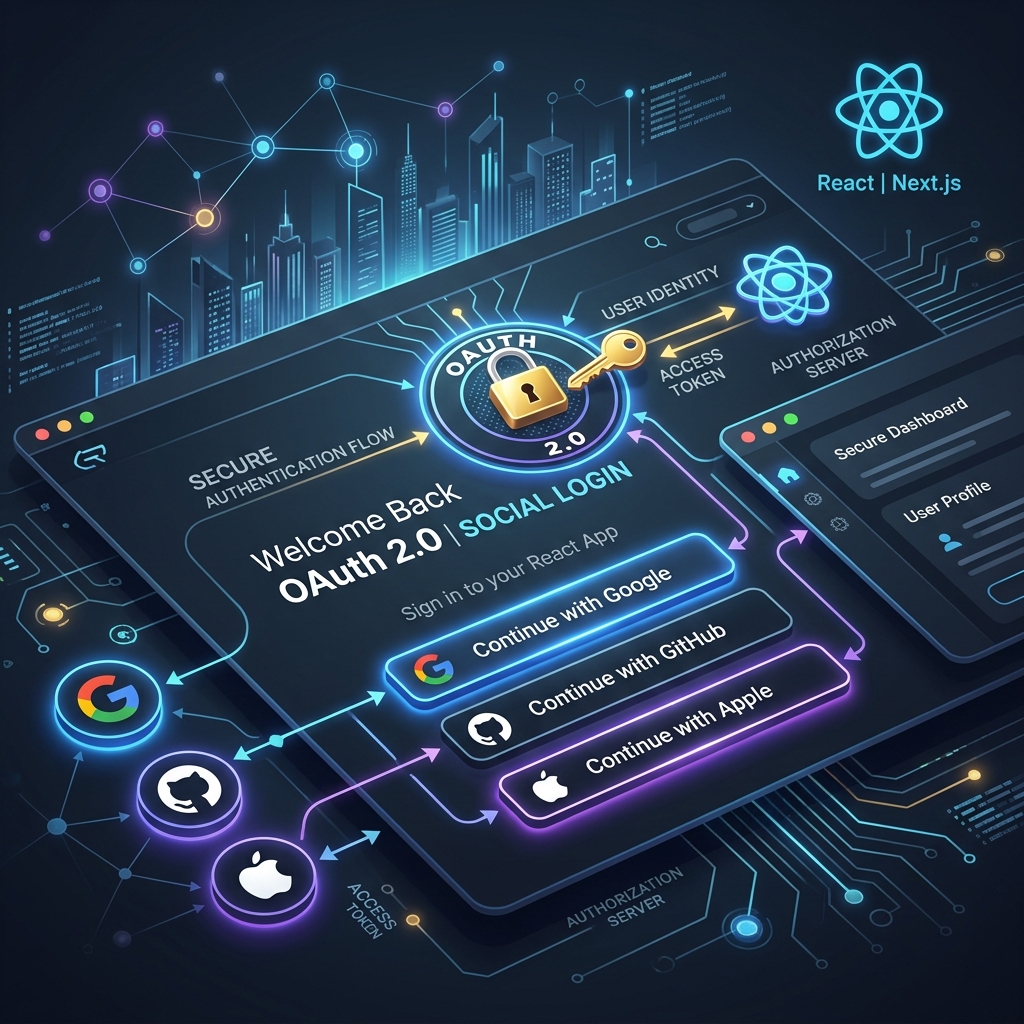
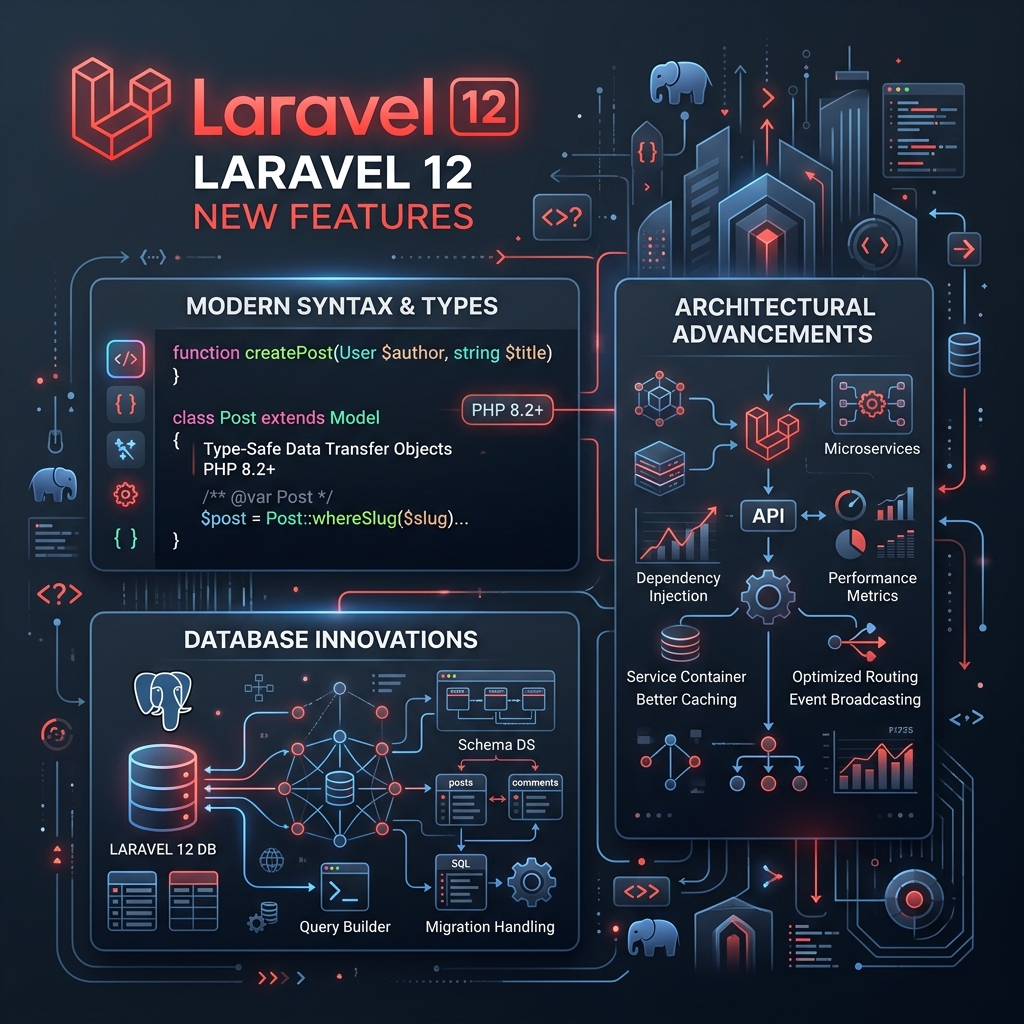
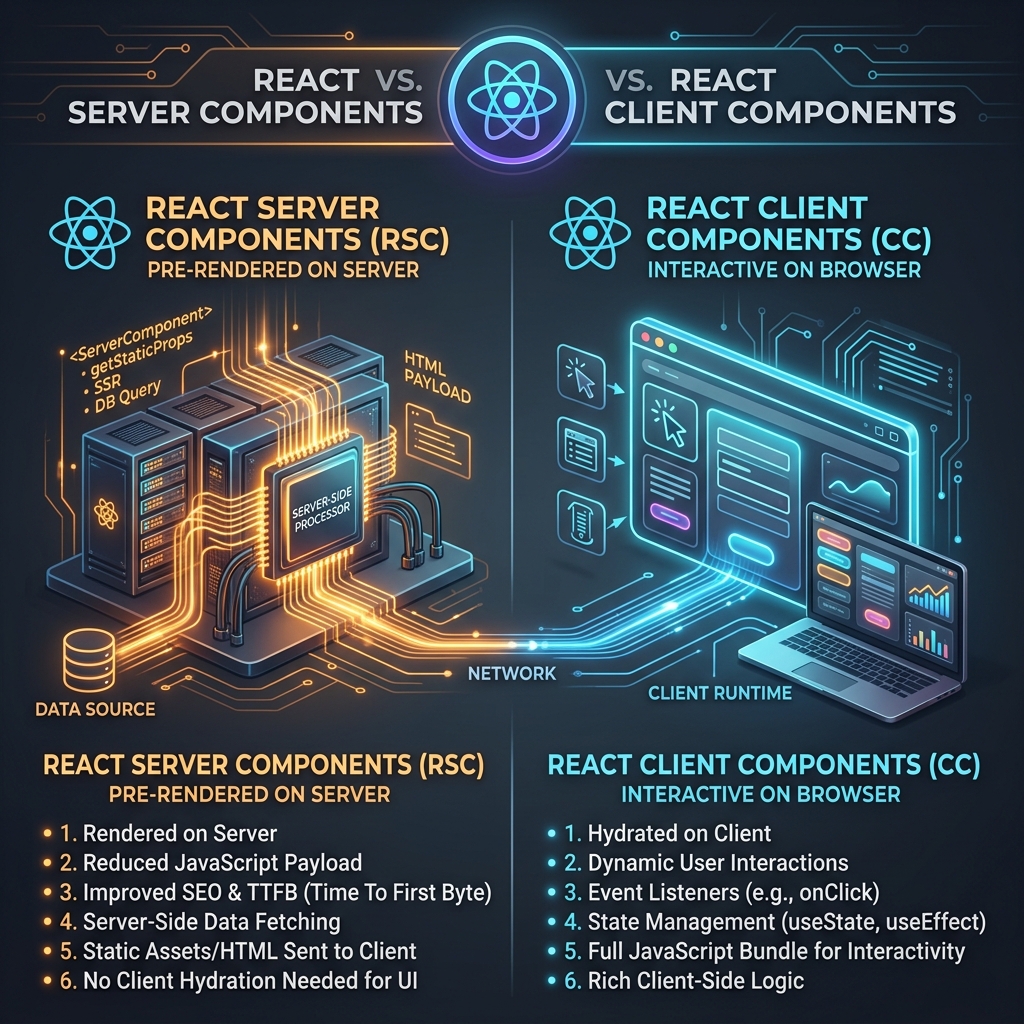
We often leverage platforms like Salesforce or HubSpot, but for custom needs, a bespoke solution built on a framework like Laravel (for the backend) and React/Next.js (for the frontend) offers unparalleled flexibility.
// Laravel example: Automating lead assignment based on student's preferred destination
namespace App\Services;

use App\Models\Lead;
use App\Models\Counselor;

class LeadAssignmentService
{
    public function assignLead(Lead $lead): void
    {
        // Simple round-robin or skill-based assignment logic
        $counselor = Counselor::where('specialization', $lead->preferred_country)
                              ->inRandomOrder()
                              ->first();

        if ($counselor) {
            $lead->counselor_id = $counselor->id;
            $lead->status = 'Assigned';
            $lead->save();

            // Trigger notification to counselor (e.g., via email or internal messaging)
            // Mail::to($counselor->email)->send(new NewLeadAssigned($lead));
        } else {
            // Handle unassigned leads, e.g., assign to a general pool
            $lead->status = 'Unassigned';
            $lead->save();
        }
    }
}
This snippet demonstrates a simplified lead assignment logic. In practice, this would involve more complex algorithms, potentially using machine learning to match leads with counselors based on success rates, availability, and language proficiency.
2. Streamlined Application & Document Management
This is arguably the most critical area for recruitment workflow automation. Agencies deal with diverse application requirements from hundreds of institutions. A centralized system for document collection, validation, and submission dramatically reduces manual effort.
Technical Implementation:
A robust document management system needs secure cloud storage (AWS S3, Google Cloud Storage), version control, and automated OCR (Optical Character Recognition) for data extraction. Integrations with institutional APIs are key for direct submission and status updates.
// Next.js/React example: Dynamic form generation based on institution requirements
import React, { useState, useEffect } from 'react';
import axios from 'axios';

const ApplicationForm = ({ institutionId }) => {
    const [formFields, setFormFields] = useState([]);
    const [formData, setFormData] = useState({});

    useEffect(() => {
        // Fetch institution-specific form fields from API
        axios.get(`/api/institutions/${institutionId}/application-fields`)
            .then(response => setFormFields(response.data))
            .catch(error => console.error("Error fetching form fields:", error));
    }, [institutionId]);

    const handleChange = (e) => {
        setFormData({ ...formData, [e.target.name]: e.target.value });
    };

    const handleSubmit = async (e) => {
        e.preventDefault();
        try {
            const response = await axios.post(`/api/applications/${institutionId}`, formData);
            console.log("Application submitted:", response.data);
            // Handle success, e.g., show confirmation, redirect
        } catch (error) {
            console.error("Application submission failed:", error);
            // Handle error, e.g., display error message
        }
    };

    return (
        <form onSubmit={handleSubmit}>
            {formFields.map(field => (
                <div key={field.id}>
                    <label htmlFor={field.name}>{field.label}</label>
                    <input
                        type={field.type}
                        name={field.name}
                        value={formData[field.name] || ''}
                        onChange={handleChange}
                        required={field.required}
                    />
                </div>
            ))}
            <button type="submit">Submit Application</button>
        </form>
    );
};

export default ApplicationForm;
This component dynamically renders application forms based on data fetched from the backend, ensuring agencies can quickly adapt to varying institutional requirements. Companies like ApplyBoard have mastered this with their unified application portal.
3. Automated Communication & Engagement
Effective communication is the lifeblood of an education agency. Automating routine communications ensures students are always informed and engaged, reducing the burden on counselors.
Technical Implementation:
This involves integrating with email marketing platforms (SendGrid, Mailchimp), SMS gateways (Twilio), and potentially AI-powered chatbots. Event-driven architectures are ideal here.
# Python example: Using AWS Lambda for automated email notifications
import json
import os
import boto3

def lambda_handler(event, context):
    ses_client = boto3.client('ses', region_name=os.environ.get('AWS_REGION', 'us-east-1'))

    for record in event['Records']:
        payload = json.loads(record['body']) # Assuming SQS message contains event data

        student_email = payload.get('student_email')
        student_name = payload.get('student_name')
        application_status = payload.get('application_status')
        institution_name = payload.get('institution_name')

        if student_email and student_name and application_status and institution_name:
            subject = f"Your Application Update for {institution_name}"
            body = f"""
            Dear {student_name},

            We are writing to inform you that your application for {institution_name} has been updated.
            Current Status: {application_status}

            Please log in to your portal for more details: [Link to Student Portal]

            Sincerely,
            Your Education Agency Team
            """
            try:
                response = ses_client.send_email(
                    Source='[email protected]',
                    Destination={'ToAddresses': [student_email]},
                    Message={
                        'Subject': {'Data': subject},
                        'Body': {'Text': {'Data': body}}
                    }
                )
                print(f"Email sent to {student_email}: {response}")
            except Exception as e:
                print(f"Error sending email to {student_email}: {e}")
        else:
            print("Missing required fields in payload:", payload)

    return {'statusCode': 200, 'body': json.dumps('Messages processed')}
This AWS Lambda function, triggered by an SQS queue (e.g., when an application status changes), sends automated email updates. This serverless approach scales effortlessly with demand.
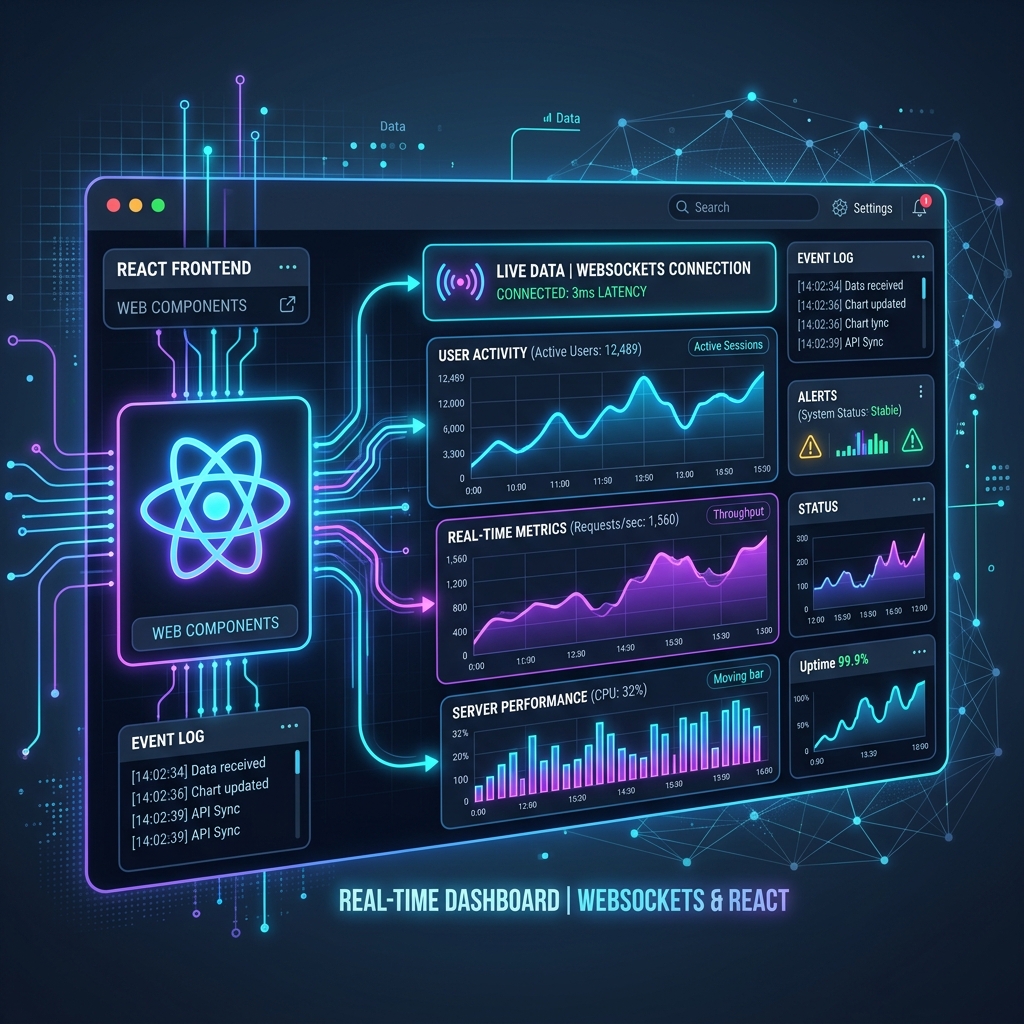
4. Robust Reporting & Analytics Dashboards
Data is king. Automated reporting transforms raw data into actionable insights, helping agencies identify trends, optimize strategies, and predict outcomes.
Technical Implementation:
This typically involves a data warehouse (Snowflake, BigQuery), ETL pipelines (Apache Airflow, AWS Glue), and powerful visualization tools (Tableau, Power BI, or custom dashboards built with D3.js or Recharts).
Comparison: Manual vs. Automated Reporting
| Feature | Manual Reporting | Automated Reporting |
| Data Collection | Spreadsheets, disparate systems, copy-pasting | Integrated databases, APIs, real-time sync |
| Accuracy | Prone to human error, outdated data | High accuracy, data validation |
| Time Investment | Hours/days per report | Minutes (report generation), ongoing setup |
| Frequency | Weekly/Monthly | Daily/Real-time |
| Insights | Basic, reactive, limited scope | Deep, proactive, predictive analytics, trend identification |
| Scalability | Difficult to scale with data volume | Highly scalable, handles large datasets |
Advanced Automation Strategies for 2026
Beyond the core pillars, agencies can explore more sophisticated automation to truly differentiate themselves.
AI-Powered Recommendations & Chatbots
AI is no longer futuristic; it's here. ChatGPT has shown the world the power of conversational AI. Agencies can leverage AI for:
- Course/University Recommendations: Based on student profiles, academic history, and career aspirations, AI can suggest best-fit programs.
- Intelligent Chatbots: Handling FAQs, guiding students through initial steps, and qualifying leads 24/7, freeing up human counselors for complex inquiries.
- Predictive Analytics: Forecasting application success rates, student retention, and even commission payouts.
Blockchain for Credential Verification
While still nascent, blockchain technology offers immense potential for secure and immutable credential verification. This could significantly reduce fraud and streamline the document verification process. Imagine a student's academic transcript and certificates being instantly verifiable by institutions and agencies through a decentralized ledger. This would be a game-changer for education process automation.
Integration with External EdTech Ecosystems
The future is interconnected. Agencies should aim for seamless integration with:
- Payment Gateways: For tuition deposits and application fees.
- Visa Application Systems: Streamlining documentation and tracking.
- Accommodation Providers: Offering a holistic service to students.
- Learning Management Systems (LMS): For pre-departure training or language courses.
This kind of extensive integration, often facilitated through robust APIs, is what powers the comprehensive service offerings of leading agencies like Edvoy.
Building Your Automation Roadmap: A Developer's Checklist
As a senior full-stack developer, my approach to such projects always begins with a clear roadmap. Here’s a simplified checklist for education agencies:
1. Discovery & Requirements Gathering:
- Identify all manual processes.
- Map existing workflows (as-is and to-be).
- Prioritize areas for automation based on impact and feasibility.
- Gather requirements from all stakeholders (counselors, management, finance).
2. Technology Stack Selection:
- Backend: Laravel (PHP), Node.js (Express), Python (Django/Flask) – chosen for scalability, ecosystem, and development speed.
- Frontend: React, Next.js, Vue.js – for dynamic, responsive user interfaces.
- Database: MySQL, PostgreSQL, MongoDB – based on data structure and scalability needs.
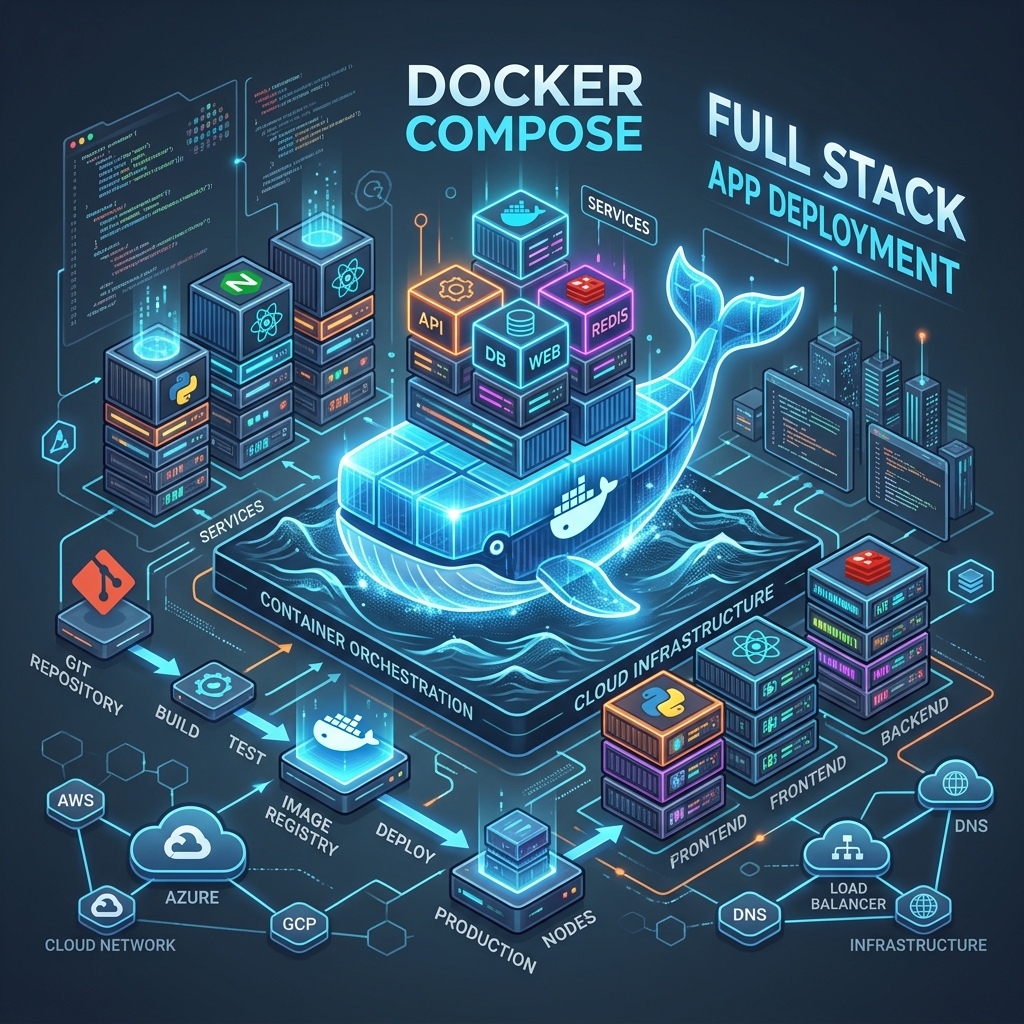
- Cloud Infrastructure: AWS, Azure, Google Cloud – for reliability, scalability, and managed services.
- Integration Tools: REST APIs, GraphQL, Webhooks.
3. Architectural Design:
- Design a modular, microservices-oriented architecture for scalability and maintainability.
- Plan for robust API integrations with third-party services.
- Implement strong security protocols (data encryption, access control, regular audits).
4. Phased Implementation:
- Start with a Minimum Viable Product (MVP) focusing on the highest-impact automation.
- Iterate and expand, continuously gathering feedback.
- Regular code reviews and automated testing are non-negotiable.
5. Training & Adoption:
- Provide comprehensive training for staff.
- Emphasize the benefits of automation to foster adoption.
- Establish clear support channels.
Key Takeaways
- Education agency workflow automation is essential for competitive advantage, scalability, and improved student experience in 2026.
- Focus on automating lead management, application processing, communication, and reporting for maximum impact.
- Leverage modern tech stacks (Laravel, React, Next.js, Python, AWS) and architectural patterns for robust solutions.
- Explore advanced strategies like AI-powered recommendations, blockchain for verification, and extensive ecosystem integrations.
- A phased, data-driven approach to implementation, coupled with strong change management, is crucial for success.
- Real-world examples from companies like ApplyBoard and Edvoy demonstrate the power of comprehensive EdTech platforms.
FAQ
Q1: What are the biggest challenges in implementing education agency workflow automation?
A1: The biggest challenges often include integrating disparate legacy systems, ensuring data security and privacy compliance (e.g., GDPR, FERPA), securing budget and executive buy-in, and managing change resistance from staff accustomed to manual processes. Technical complexity and finding skilled developers are also significant hurdles.
Q2: How long does it typically take to automate a significant portion of an education agency's workflow?
A2: The timeline varies widely based on the scope and complexity. A focused MVP for a critical area like lead management or application submission might take 3-6 months. A comprehensive, fully integrated system covering all aspects of an agency's operations could take 12-24 months, often implemented in phases to deliver value incrementally.
Q3: Is it better to buy an off-the-shelf solution or build a custom EdTech platform?
A3: This depends on your agency's unique needs, budget, and desired level of customization. Off-the-shelf solutions are quicker to deploy and often more affordable initially but may lack specific features or integration capabilities. Custom solutions, while requiring more upfront investment and development time, offer complete control, scalability, and a perfect fit for your specific workflows. For agencies with unique processes or ambitions for significant differentiation, a custom build often yields greater long-term ROI.
Q4: What role does AI play in education agency automation beyond chatbots?
A4: Beyond chatbots, AI can power predictive analytics for lead scoring and student success, recommend personalized course and institution matches, automate document verification through OCR and natural language processing, and even assist in generating personalized marketing content. It shifts the agency from reactive problem-solving to proactive, intelligent guidance.
Q5: How can agencies ensure data security and compliance when automating workflows?
A5: Agencies must implement robust security measures: end-to-end data encryption (at rest and in transit), strict access control (RBAC), regular security audits and penetration testing, and adherence to relevant data privacy regulations like GDPR and FERPA. Choosing cloud providers with strong security certifications (e.g., AWS, Azure) and relying on experienced developers who prioritize security by design are critical.
---
Looking to build an EdTech platform, student CRM, or admission management system? I specialize in developing scalable education technology solutions using Laravel, React, and cloud infrastructure. Whether you're a study-abroad agency, EdTech startup, or university looking for custom software development, blank" rel="noopener noreferrer" style="color: var(--primary); text-decoration: none; border-bottom: 1px dashed var(--primary);">let's discuss your project. Check out my portfolio and technical expertise to see how I can help bring your vision to life.