What Is CI/CD and Why Should You Care?
CI (Continuous Integration): Every code push is automatically tested.
CD (Continuous Deployment): Every passing test automatically deploys to production.
Together, they eliminate the "deploy day" stress and catch bugs before users see them.
A Simple CI/CD Pipeline
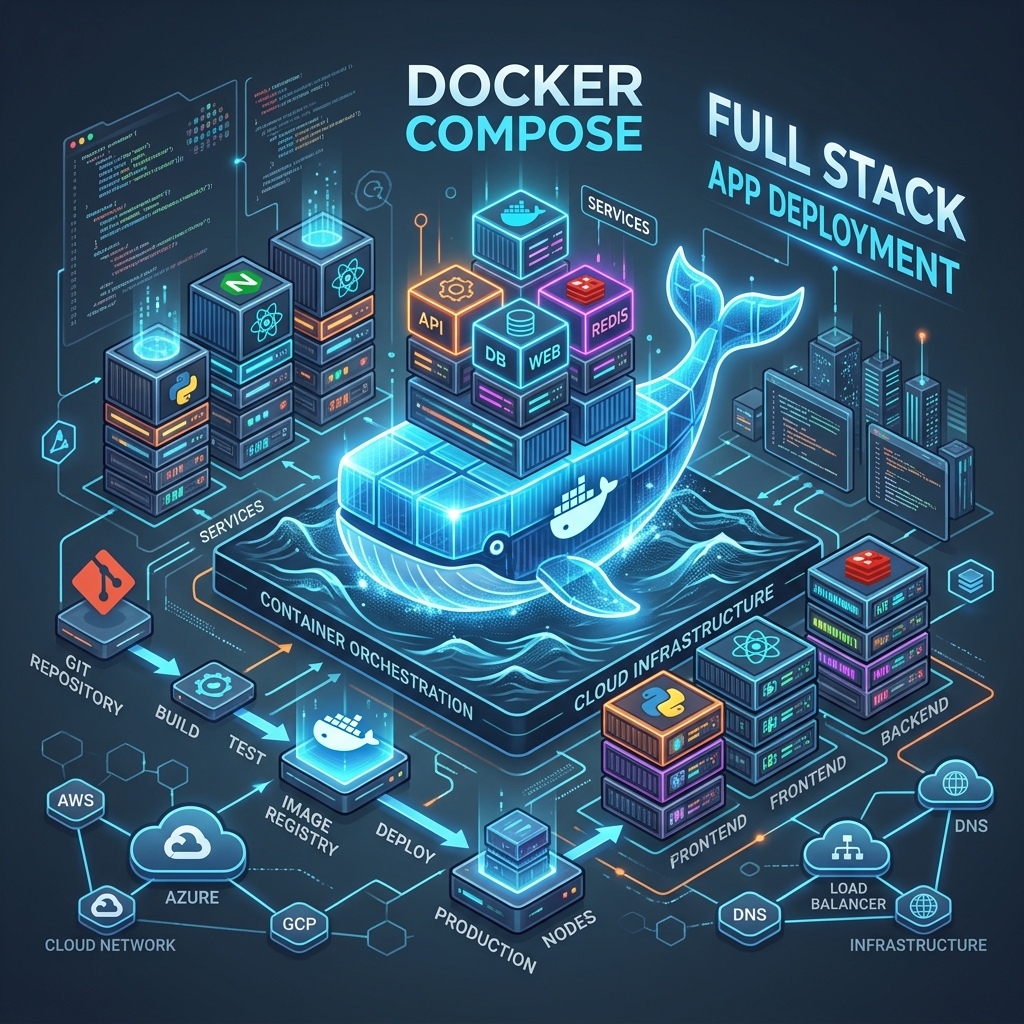
Code Push → Run Tests → Build → Deploy → Monitor
Setting Up with GitHub Actions
name: CI/CD Pipeline
on:
  push:
    branches: [main]
  pull_request:
    branches: [main]

jobs:
  test:
    runs-on: ubuntu-latest
    steps:
      - uses: actions/checkout@v4
      - uses: actions/setup-node@v4
      - run: npm ci
      - run: npm test
      - run: npm run lint

  deploy:
    needs: test
    if: github.ref == 'refs/heads/main'
    runs-on: ubuntu-latest
    steps:
      - uses: actions/checkout@v4
      - run: npm ci && npm run build
      # Deploy step here
Testing Strategy for CI
1. Unit tests - test individual functions
2. Integration tests - test API endpoints
3. E2E tests - test user flows (Cypress/Playwright)
4. Linting - catch code style issues
5. Type checking - TypeScript compilation
Deployment Strategies
Rolling deployment: Replace instances one at a time
Blue-green: Run two environments, switch traffic
Canary: Deploy to 5% of users first, then roll out
Key Metrics to Track
- Deployment frequency - how often you ship
- Lead time - code commit to production
- Failure rate - % of deployments that fail
- Recovery time - how fast you fix failures
The best teams deploy multiple times a day. CI/CD makes that possible.