How Education Platforms Generate Student Leads at Scale: A Full-Stack Developer's Blueprint
The EdTech landscape is booming, projected to reach a staggering $600 billion by 2027, with a significant chunk of that growth driven by international student mobility and online learning. However, this burgeoning market presents a unique challenge for education platforms: how do you effectively cut through the noise and generate a consistent, high-quality stream of student leads at scale? It's a question that keeps founders, admissions officers, and marketing teams awake at night. From my extensive experience building and optimizing complex EdTech platforms, I’ve seen firsthand that a robust, technically sound approach to education platform lead generation is not just a marketing tactic; it's an architectural imperative.
Many EdTech startups and even established institutions struggle with fragmented lead generation strategies. They might invest heavily in digital ads, but lack the backend infrastructure to capture, nurture, and convert those leads efficiently. Or they have a great product but fail to reach the right audience. This article will delve deep into the technical and strategic underpinnings of successful student lead generation within an EdTech context, offering a full-stack developer's perspective on building systems that not only attract but also intelligently process and convert prospective students. We’ll explore how companies like ApplyBoard, Edvoy, and AECC Global leverage sophisticated technology to dominate the student acquisition game, providing practical insights and code examples along the way.
The Foundation: Understanding the Student Lead Generation Funnel in EdTech
Before diving into the technical specifics, it's crucial to understand the unique characteristics of the student lead generation funnel. Unlike typical e-commerce, the decision-making process for education (especially higher education or international study) is prolonged, involves multiple stakeholders (students, parents, counselors), and carries significant emotional and financial weight. This requires a multi-touch, highly personalized approach, underpinned by robust data collection and automation.
Defining Key Stages of the EdTech Lead Funnel
A typical student lead generation funnel in EdTech can be broadly categorized into these stages:
1. Awareness: The prospective student becomes aware of an educational opportunity or platform. This often happens through organic search, social media, paid ads, or referrals.
2. Interest/Engagement: The student shows initial interest by visiting the platform, downloading a brochure, attending a webinar, or making a preliminary inquiry.
3. Consideration: The student actively evaluates options, compares programs, and seeks more detailed information. This stage involves deep engagement with platform content, virtual tours, and possibly direct communication.
4. Application: The student decides to apply to a program or institution facilitated by the platform.
5. Enrollment/Admission: The student is accepted and enrolls, becoming a paying customer.
Each stage demands specific technical capabilities and strategic interventions. Our education platform lead generation efforts must be designed to guide students seamlessly through this journey.
The Role of Data in Lead Generation and Nurturing
Data is the lifeblood of effective lead generation. From tracking user behavior on the platform to analyzing conversion rates of specific campaigns, every interaction provides valuable insights. A well-architected EdTech platform integrates data collection at every touchpoint.
For example, tracking user journeys on a Next.js frontend with Google Analytics 4 (GA4) or a custom event tracking system, then pushing that data to a backend Laravel application for processing and storage, is fundamental.
// Example: Tracking a custom event in a Next.js/React component
import React, { useEffect } from 'react';
import ReactGA from 'react-ga4'; // Using a GA4 library

const ProgramDetailsPage = ({ programId }) => {
  useEffect(() => {
    // Track when a user views a specific program details page
    ReactGA.event({
      category: "Program Engagement",
      action: "View Program Details",
      label: `Program ID: ${programId}`
    });

    // Send data to backend for custom CRM tracking (e.g., via API)
    fetch('/api/track-event', {
      method: 'POST',
      headers: { 'Content-Type': 'application/json' },
      body: JSON.stringify({
        event: 'view_program_details',
        program_id: programId,
        user_id: localStorage.getItem('userId') // If user is logged in
      })
    });
  }, [programId]);

  return (
    <div>
      <h1>Program Title: {programId}</h1>
      {/* ... rest of the program details ... */}
    </div>
  );
};

export default ProgramDetailsPage;
This data then feeds into edtech marketing automation systems, informing personalized email campaigns, dynamic content delivery, and targeted advertising. Without robust data, lead generation becomes a shot in the dark.
Scaling Awareness and Engagement: The Top of the Funnel
The journey to successful education platform lead generation begins with attracting a large, relevant audience. This involves a multi-pronged approach combining SEO, content marketing, and strategic digital advertising.
SEO and Content Strategy for Organic Reach
For an EdTech platform, strong SEO is non-negotiable. Prospective students often start their journey with broad search queries like "best online MBA programs" or "study abroad scholarships UK." Our platform needs to rank highly for these terms and their long-tail variations. This means:
- Keyword Research: Identifying high-intent keywords relevant to programs, destinations, and student queries.
- Technical SEO: Ensuring the platform is fast, mobile-friendly, crawlable, and has a clear site structure. This includes optimized meta tags, schema markup for courses/institutions, and efficient image loading.
- Content Marketing: Creating valuable, informative content that addresses student pain points and questions. This could include blog posts, guides, comparison articles, student success stories, and FAQs. Companies like ApplyBoard invest heavily in multilingual content to reach a global audience.
From a development perspective, implementing a robust CMS (e.g., Strapi, headless WordPress, or a custom Laravel Nova solution) integrated with the main application is key for managing and publishing content efficiently. Ensuring content is structured for semantic search and featured snippets is also crucial.
// Example: Laravel route for a dynamically generated blog post
Route::get('/blog/{slug}', [BlogController::class, 'show'])->name('blog.show');

// In BlogController.php
public function show($slug)
{
    $post = BlogPost::where('slug', $slug)->firstOrFail();
    // Add logic for SEO meta tags, schema markup based on post content
    return view('blog.show', compact('post'));
}
Leveraging Social Media and Paid Advertising
While organic reach is vital, paid advertising and social media are essential for rapid scaling and targeting specific demographics.
- Targeted Ads: Platforms like Google Ads, Facebook/Instagram Ads, LinkedIn Ads, and even TikTok (for younger demographics) allow for hyper-targeted campaigns based on demographics, interests, and behaviors. Integrating these platforms with the EdTech platform's CRM allows for precise audience segmentation and remarketing.
- Social Engagement: Building communities around specific interests (e.g., "Study in Canada," "AI & ML Online Courses") on platforms like Facebook Groups, Reddit, or Discord can generate warm leads. The platform can host Q&A sessions with counselors or alumni, driving engagement and trust.
- Influencer Marketing: Collaborating with educational influencers or successful alumni can significantly boost awareness and credibility.
The technical challenge here lies in integrating these ad platforms with the platform's analytics and CRM to track conversions accurately and optimize campaigns. This often involves server-side tracking, conversion APIs (e.g., Facebook Conversion API), and UTM parameter tracking to attribute leads correctly. My portfolio includes several implementations of such integrations for robust campaign analysis.
Nurturing Leads: Conversion Optimization and CRM Integration
Once students show interest, the goal shifts to nurturing them through the funnel. This is where edtech marketing automation and a sophisticated CRM become indispensable.
Building a Robust Student CRM
A specialized student CRM (Customer Relationship Management) is the backbone of lead nurturing. It tracks every interaction, stores student profiles, manages applications, and facilitates communication. While generic CRMs like Salesforce or HubSpot can be adapted, a custom-built or highly customized solution often provides better integration with the core EdTech platform.
Key features of an EdTech CRM:
- Student Profile Management: Comprehensive data including academic history, interests, preferences, communication history.
- Lead Scoring: Assigning scores to leads based on engagement levels, demographics, and actions (e.g., downloaded a brochure, attended a webinar). This helps prioritize high-intent leads.
- Application Management: Tracking application status, document uploads, and communication with institutions.
- Communication Hub: Centralized system for emails, SMS, in-app messages, and potentially even WhatsApp integration.
- Counselor/Agent Portal: For platforms like ApplyBoard or AECC Global, a portal for agents to manage their students and applications is critical.
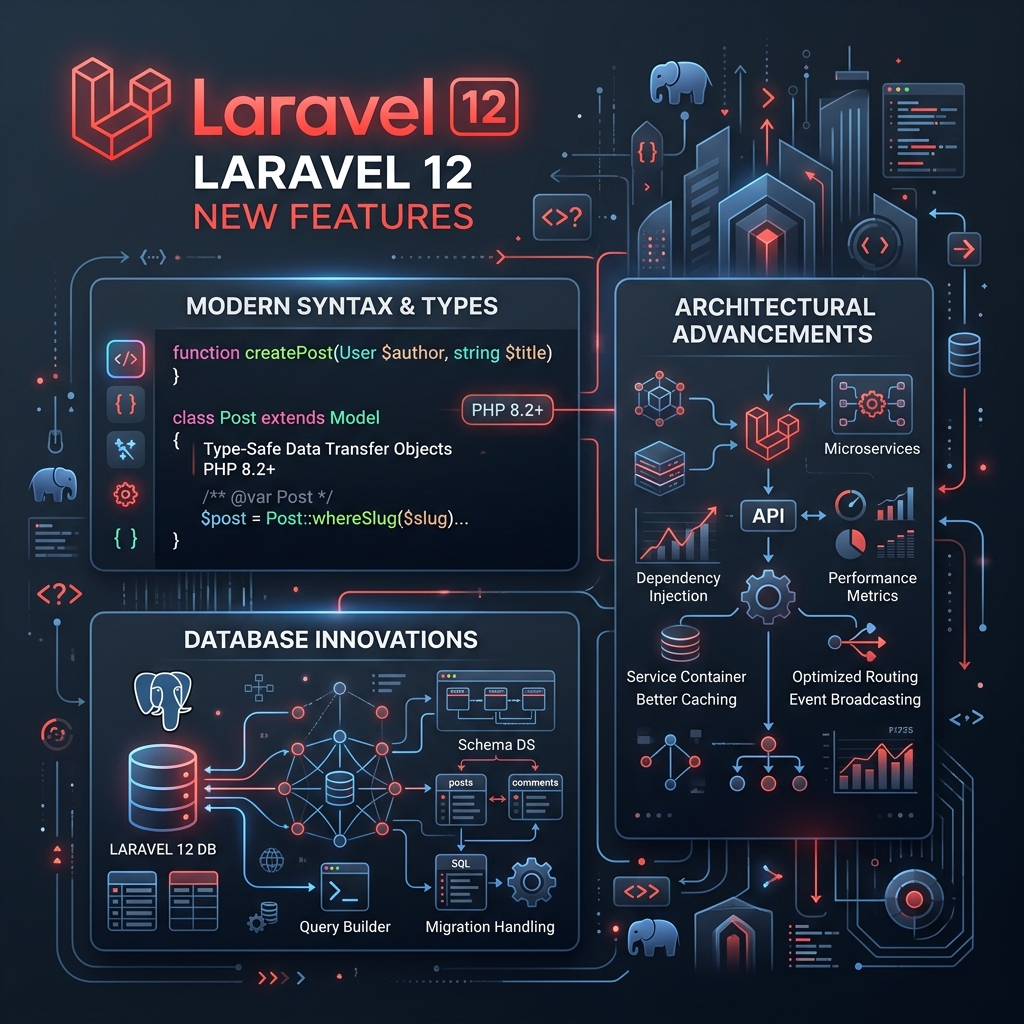
From a development standpoint, this typically involves a relational database (e.g., MySQL, PostgreSQL) with a well-designed schema for student data, applications, and communications. A Laravel backend with a React/Next.js frontend is an excellent stack for building such a system due to its flexibility and scalability.
// Example: Basic Lead Model in Laravel for CRM integration
namespace App\Models;

use Illuminate\Database\Eloquent\Factories\HasFactory;
use Illuminate\Database\Eloquent\Model;

class Lead extends Model
{
    use HasFactory;

    protected $fillable = [
        'first_name',
        'last_name',
        'email',
        'phone',
        'country_of_residence',
        'interested_program_id',
        'lead_source', // e.g., 'Google Ads', 'Organic Search', 'Referral'
        'lead_score',
        'status', // e.g., 'New', 'Contacted', 'Qualified', 'Converted'
        'last_activity_at',
    ];

    protected $casts = [
        'last_activity_at' => 'datetime',
    ];

    public function program()
    {
        return $this->belongsTo(Program::class, 'interested_program_id');
    }

    // Add methods for lead scoring, status updates, etc.
}
Implementing Marketing Automation Workflows
Automating communication and tasks is crucial for nurturing thousands of leads simultaneously. This is where specialized tools or custom-built solutions shine, enabling edtech marketing automation.
- Email Drip Campaigns: Automated sequences of emails triggered by specific student actions (e.g., signing up, downloading a guide, abandoning an application). These emails provide value, answer common questions, and gently nudge students towards the next step.
- Personalized Content Delivery: Dynamically showing relevant courses, articles, or testimonials based on a student's profile and browsing history.
- SMS/WhatsApp Notifications: For urgent updates or reminders, especially for application deadlines or interview schedules.
- Automated Task Assignment: Automatically assigning new leads to counselors based on criteria like geography or program interest.
Integrating email service providers (ESPs) like SendGrid, Mailgun, or AWS SES with the backend application is standard practice. For advanced automation, platforms like ActiveCampaign or HubSpot can be integrated, or custom workflows can be built using Laravel's queue system and scheduled tasks. My experience includes building custom automation engines that power personalized student journeys.
Conversion and Beyond: Optimization and Analytics
The ultimate goal of education platform lead generation is conversion. But the process doesn't end there; continuous optimization based on data is vital for sustained growth.
A/B Testing and User Experience Optimization
Even small improvements in the user experience can significantly impact conversion rates.
- Landing Page Optimization: Testing different headlines, calls-to-action (CTAs), form layouts, and imagery on landing pages to maximize lead capture.
- Application Form Simplification: Reducing friction in the application process by optimizing form fields, adding progress indicators, and offering pre-filled information.
- Personalized CTAs: Displaying CTAs tailored to the student's stage in the funnel (e.g., "Download Program Guide" for awareness, "Apply Now" for consideration).
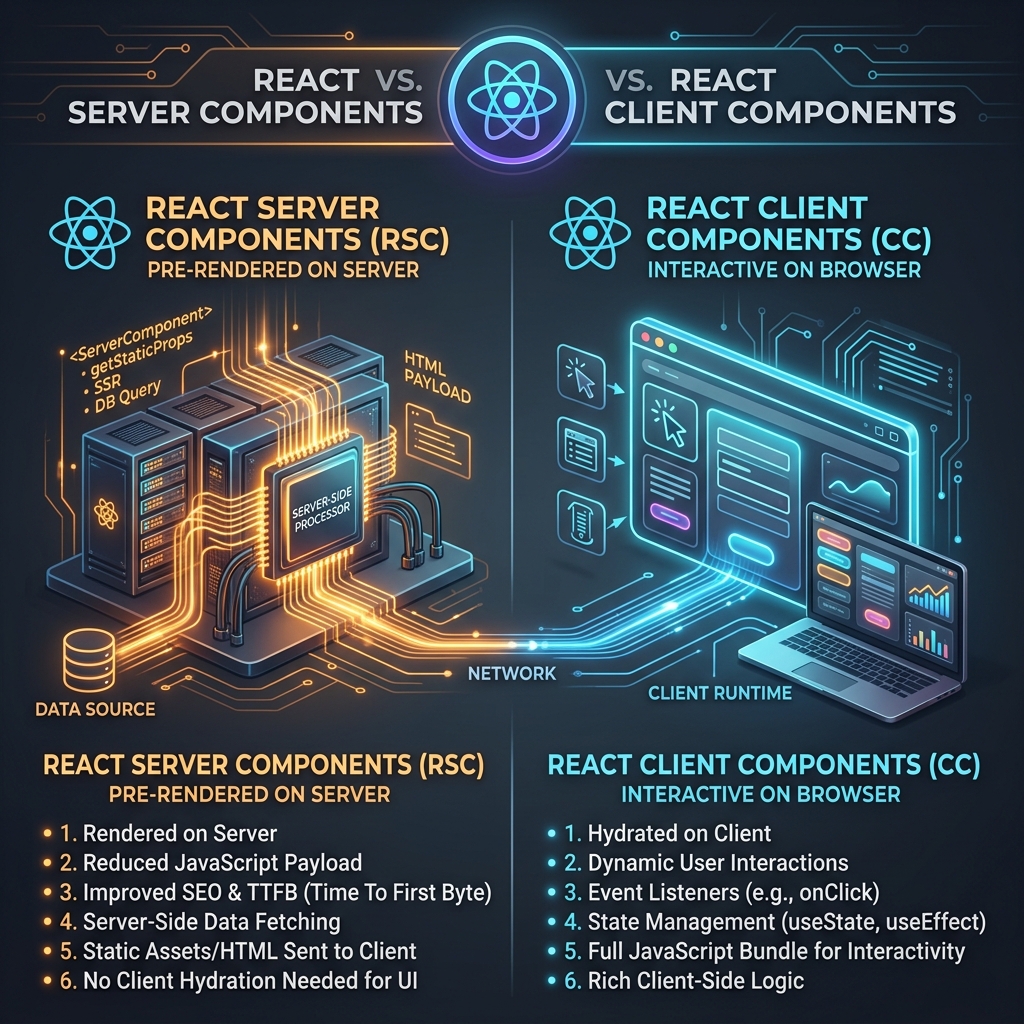
Tools like Google Optimize, Optimizely, or VWO can be integrated with the frontend for A/B testing. For more granular control, especially in a Next.js or React application, feature flags and server-side rendering can enable dynamic content delivery for testing.
Advanced Analytics and Reporting
A robust analytics infrastructure provides the insights needed for continuous improvement.
- Conversion Funnel Tracking: Visualizing drop-off points in the lead journey to identify areas for optimization.
- Lead Source Performance: Understanding which channels generate the highest quality leads and ROI.
- Counselor Performance: For platforms with human interaction, tracking counselor efficiency and conversion rates.
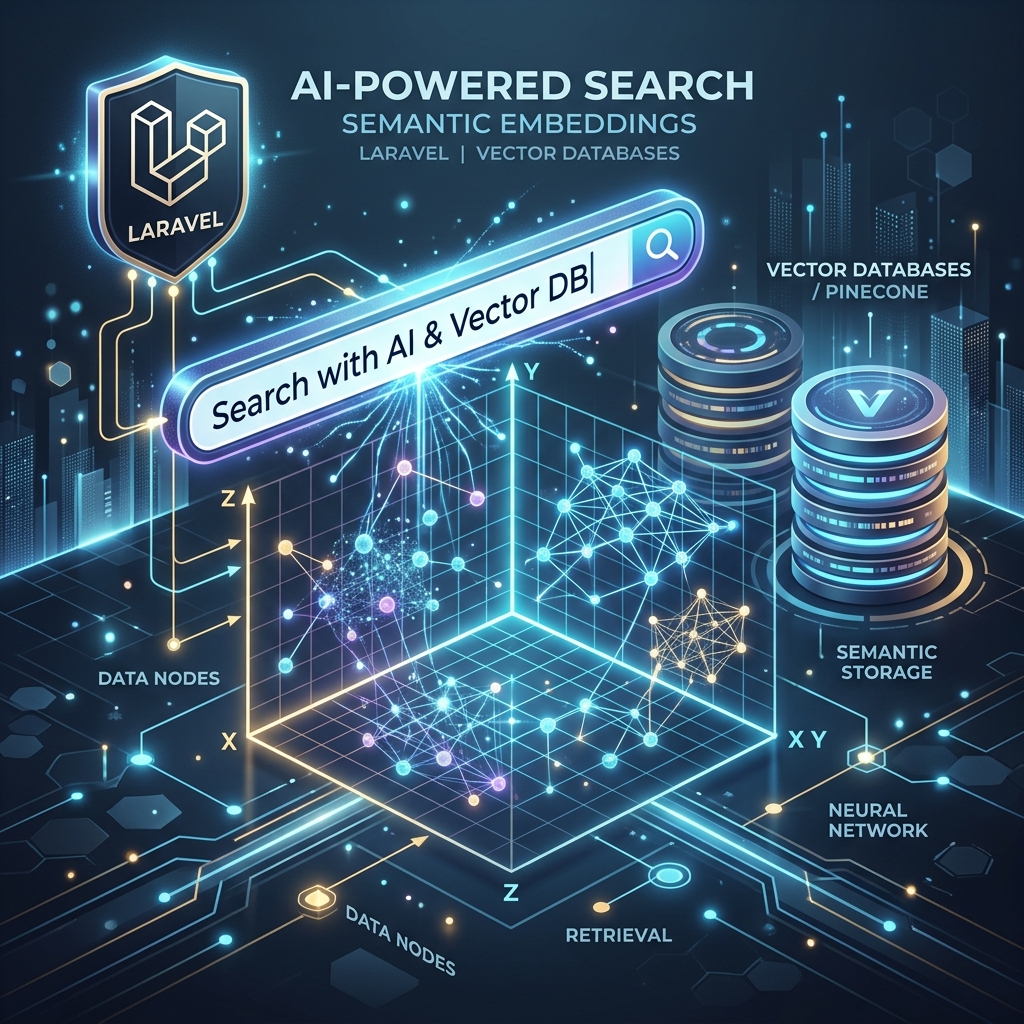
- Predictive Analytics: Using machine learning to predict which leads are most likely to convert, allowing for proactive interventions.
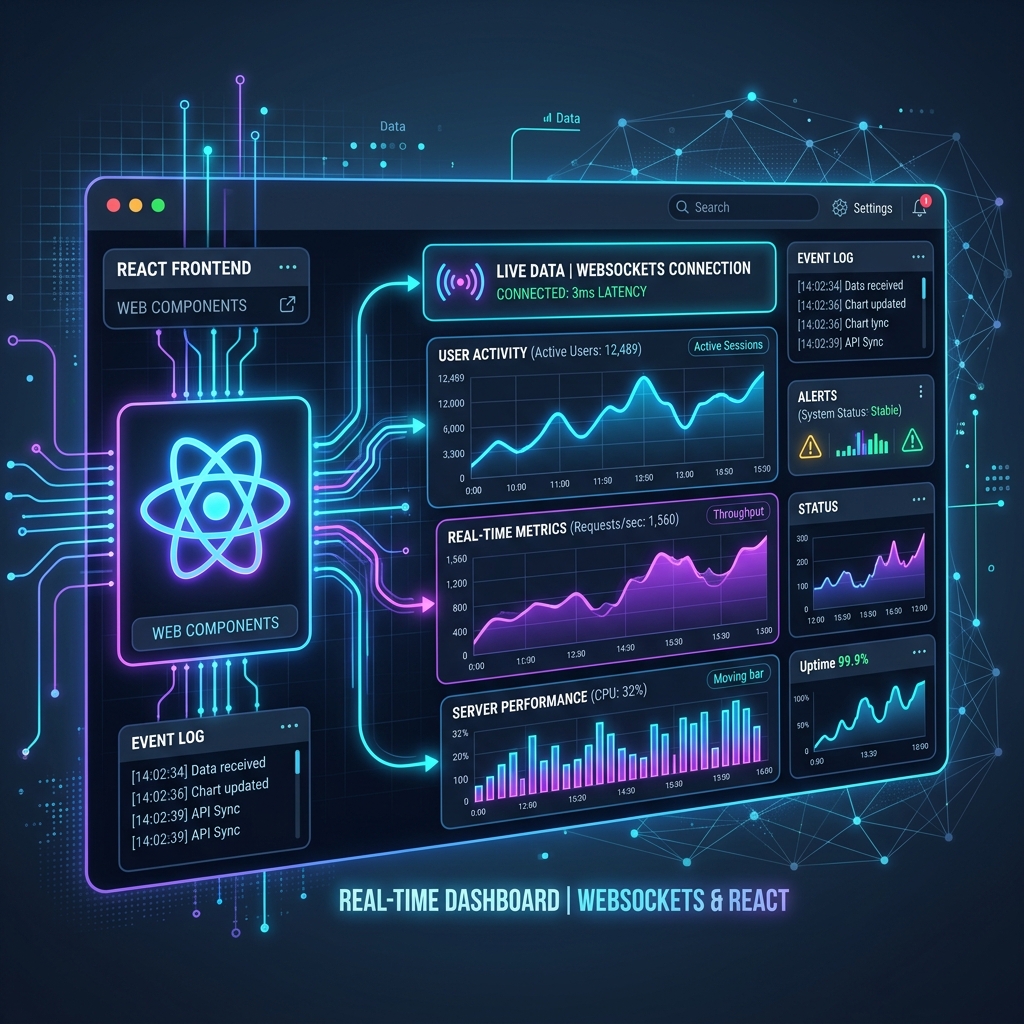
This requires a data warehouse (e.g., AWS Redshift, Google BigQuery) where raw data from various sources (website, CRM, ad platforms) is consolidated and transformed. Business intelligence (BI) tools like Tableau, Power BI, or even custom dashboards built with React and D3.js can then visualize this data, providing actionable insights for education platform growth.
Case Studies: Learning from Industry Leaders
Let's briefly look at how some prominent EdTech companies exemplify these principles:
- ApplyBoard: A global leader in international student recruitment, ApplyBoard excels in lead generation through extensive content marketing (guides, blogs), a vast network of recruitment partners (agents), and a sophisticated platform for application management. Their agent portal is a prime example of a robust CRM tailored for the EdTech ecosystem, facilitating communication and tracking for thousands of students. Their focus on data-driven matching between students and institutions is a key differentiator.
- Edvoy: Similar to ApplyBoard, Edvoy leverages technology to streamline the study abroad application process. They prioritize personalized guidance, using their platform to connect students with counselors and university representatives. Their lead generation thrives on high-quality content, targeted digital campaigns, and a user-friendly application interface that reduces friction.
- AECC Global: With a strong physical presence complemented by digital tools, AECC Global focuses on comprehensive student support. Their platform integrates lead capture from various sources, a robust CRM for counselors, and tools for visa application assistance. This end-to-end support model acts as a powerful lead magnet, building trust and simplifying a complex process.
These companies demonstrate that successful education platform lead generation is a holistic effort, combining marketing savvy with deep technical integration and a student-centric approach.
Key Takeaways
- Data is paramount: Implement comprehensive data collection and analytics across all student touchpoints.
- Invest in a robust CRM: A specialized student CRM (or a highly customized general CRM) is essential for managing and nurturing leads effectively.
- Automate intelligently: Leverage edtech marketing automation for personalized communication and efficient lead nurturing.
- Optimize the full funnel: Continuously A/B test and refine every stage, from initial awareness to final enrollment.
- Content is King: Create valuable, SEO-optimized content that addresses student needs and questions.
- Integrate everything: Ensure seamless data flow between your website, CRM, marketing automation tools, and advertising platforms.
- Think globally: For international education, consider multilingual content and region-specific marketing strategies.
FAQ
Q1: What's the most critical technical component for scaling student lead generation?
A1: A highly scalable and well-integrated Student CRM (Customer Relationship Management) system is arguably the most critical technical component. It acts as the central repository for all lead data, enables personalized communication, tracks interactions, and powers marketing automation, making it the backbone for efficient education platform lead generation.
Q2: How can small EdTech startups compete with larger players in lead generation?
A2: Small EdTech startups can compete by focusing on niche markets, delivering exceptional user experience, leveraging community building, and being agile with A/B testing and optimization. Investing in strong organic content (SEO) and building a referral network can also provide a cost-effective alternative to expensive paid campaigns. Utilizing open-source tools or modular cloud services (like AWS Lambda, Google Cloud Functions) can help reduce initial development costs.
Q3: What role does AI play in modern EdTech lead generation?
A3: AI plays a significant role in modern education platform lead generation through personalized content recommendations, predictive lead scoring (identifying high-intent leads), chatbot-driven instant support, and optimizing ad spend. AI can analyze vast amounts of data to uncover patterns and predict student behavior, leading to more efficient and personalized nurturing strategies.
Q4: Is it better to buy an off-the-shelf CRM or build a custom one for an EdTech platform?
A4: This depends on the specific needs and budget. Off-the-shelf CRMs (like Salesforce, HubSpot) offer rapid deployment but may require significant customization to fit unique EdTech workflows. Building a custom CRM provides complete control and perfect integration with the core platform but demands more development resources. For platforms with highly specialized application processes or agent networks, a custom or heavily customized solution often yields better long-term results and scalability for education platform growth.
Q5: How can we measure the ROI of our lead generation efforts?
A5: Measuring ROI involves tracking the cost of acquiring a lead through various channels versus the revenue generated by converted students from those channels. Key metrics include Lead-to-Application Rate, Application-to-Enrollment Rate, Customer Acquisition Cost (CAC), and Lifetime Value (LTV) of a student. A comprehensive analytics system integrated with your CRM and marketing platforms is essential for accurate ROI calculation.
---
Looking to build an EdTech platform, student CRM, or admission management system? I specialize in developing scalable education technology solutions using Laravel, React, and cloud infrastructure. Whether you're a study-abroad agency, EdTech startup, or university looking for custom software development, blank" rel="noopener noreferrer" style="color: var(--primary); text-decoration: none; border-bottom: 1px dashed var(--primary);">let's discuss your project. Check out my portfolio and technical expertise to see how I can help bring your vision to life.