How to Build a Student Recruitment Platform for Universities: An EdTech Developer's Guide
The landscape of higher education is more competitive than ever. Universities globally are vying for top talent, and traditional recruitment methods are proving increasingly inefficient. In 2025, projections indicate that the global higher education market will reach nearly $2.5 trillion, with a significant portion of this growth driven by international student mobility and digital transformation. This intense competition, coupled with the rising expectations of digitally native students, presents a formidable challenge for university admissions offices: how to effectively identify, engage, and convert prospective students in a scalable, personalized, and data-driven manner. This is where a robust student recruitment platform becomes not just an advantage, but a necessity.
As a senior full-stack developer with years of experience building sophisticated EdTech platforms, I've seen firsthand the transformative power of well-architected solutions in this space. From complex CRM integrations to AI-driven personalization, the right technology can streamline operations, enhance student experience, and ultimately drive enrollment growth. This guide will delve into the technical and strategic considerations for developing a cutting-edge student recruitment platform, drawing on my expertise in edtech platform development and practical implementations using modern web technologies. We'll explore the core components, architectural choices, and essential features that define a successful university application system.
Understanding the Core Problem: Inefficient Recruitment Funnels
Many universities still grapple with fragmented recruitment processes. This often involves manual data entry, disparate systems for lead management, application processing, and communication, leading to a disjointed experience for both staff and prospective students. The result? Missed opportunities, administrative bottlenecks, and a lack of actionable insights. Imagine a scenario where a prospective student expresses interest in a program, but their inquiry gets lost in a sea of emails, or they receive generic communications that don't address their specific needs. This not only frustrates the student but also wastes valuable resources for the university.
The Need for Centralization and Automation
A modern student recruitment platform aims to centralize all recruitment activities, from initial inquiry to enrollment. This includes lead generation, nurturing, application submission, document management, and communication. The goal is to automate repetitive tasks, provide personalized interactions, and offer a holistic view of each student's journey. Companies like ApplyBoard and Edvoy have successfully leveraged this approach, building comprehensive platforms that connect students with institutions, simplifying the complex international application process. Their success underscores the demand for integrated, user-friendly solutions.
Data-Driven Decision Making
Beyond efficiency, a key driver for building such a platform is the ability to leverage data. By tracking every interaction, universities can gain insights into what recruitment strategies are most effective, which programs attract specific demographics, and where students drop off in the application funnel. This data is invaluable for optimizing campaigns, allocating resources, and predicting enrollment trends. Without a unified platform, collecting and analyzing this data becomes an arduous, often impossible, task.
Architectural Foundations of a Student Recruitment Platform
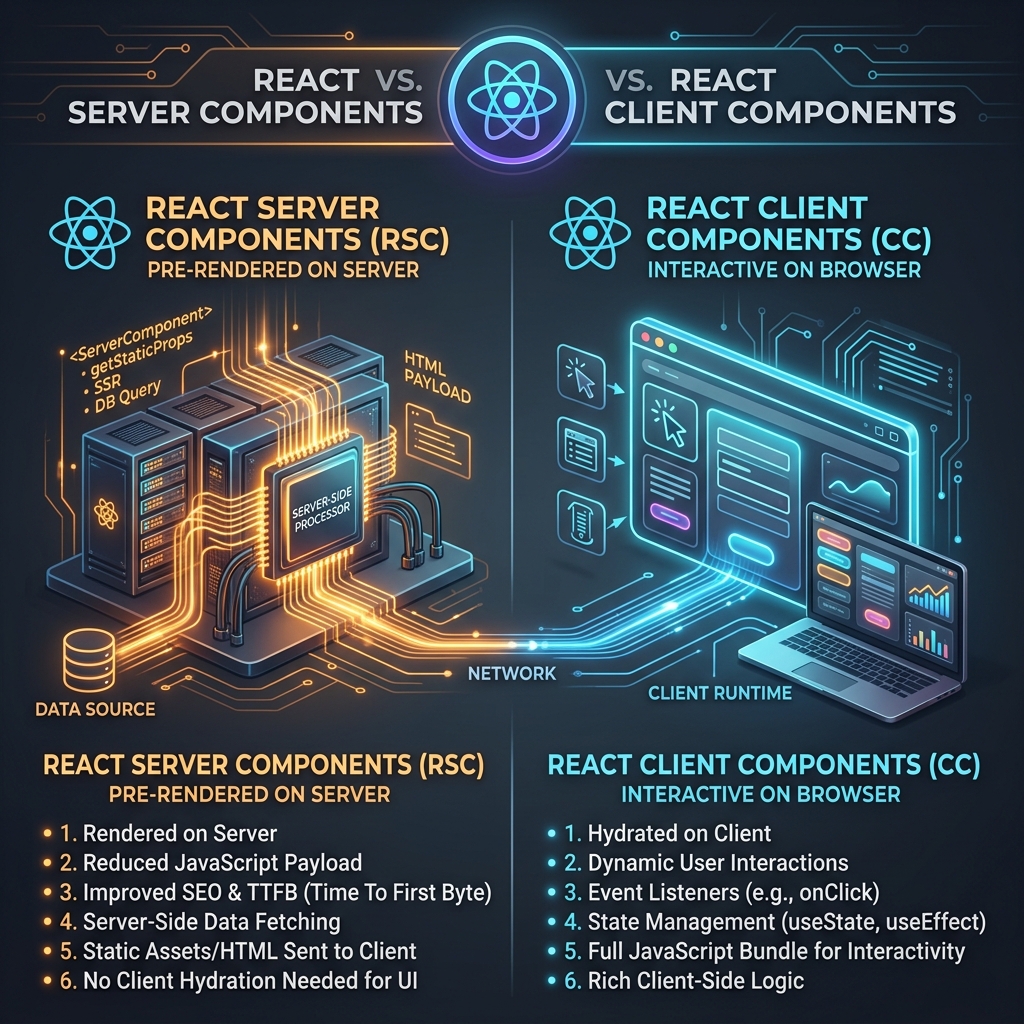
Building a scalable and maintainable student recruitment platform requires thoughtful architectural decisions. My preferred approach often involves a microservices-oriented architecture or a well-structured modular monolith, depending on the initial scope and team size, typically leveraging a robust backend framework like Laravel and a dynamic frontend with React or Next.js.
Backend: Robustness with Laravel and Microservices
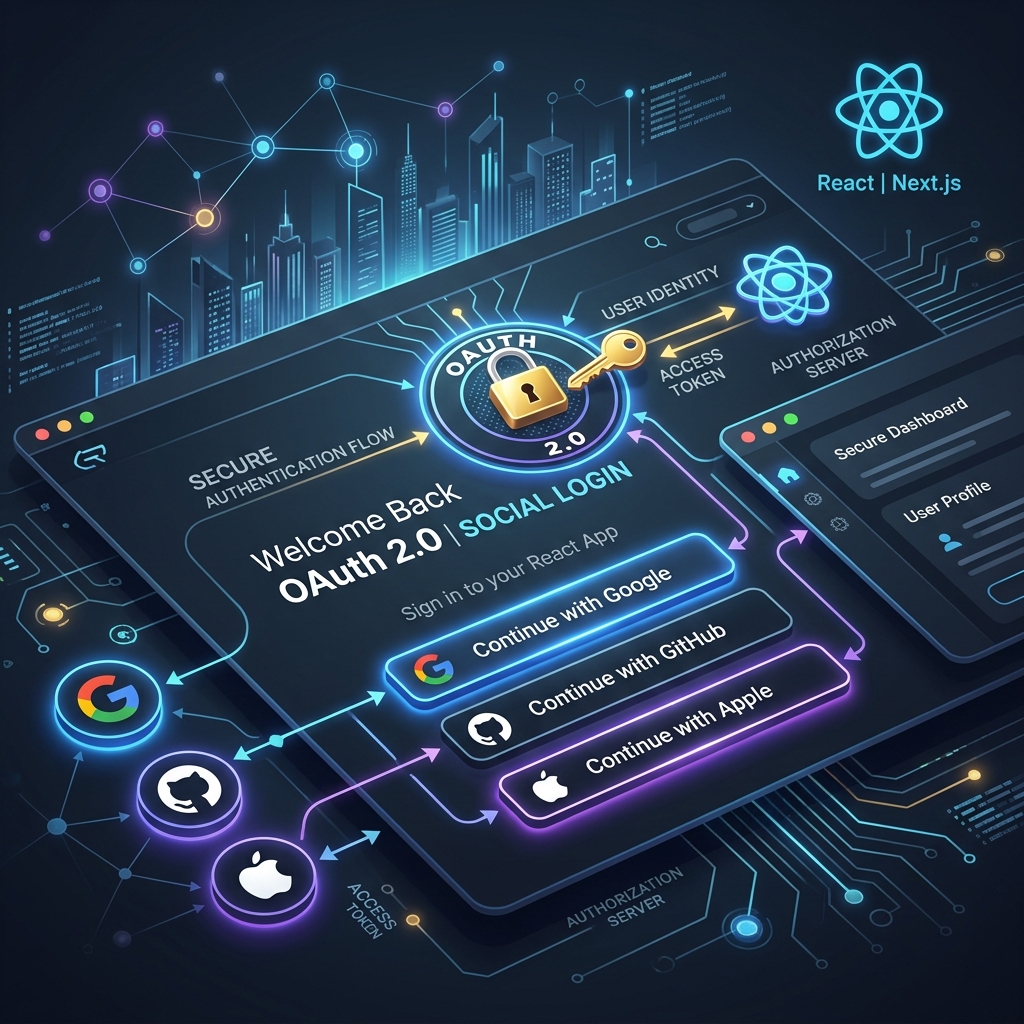
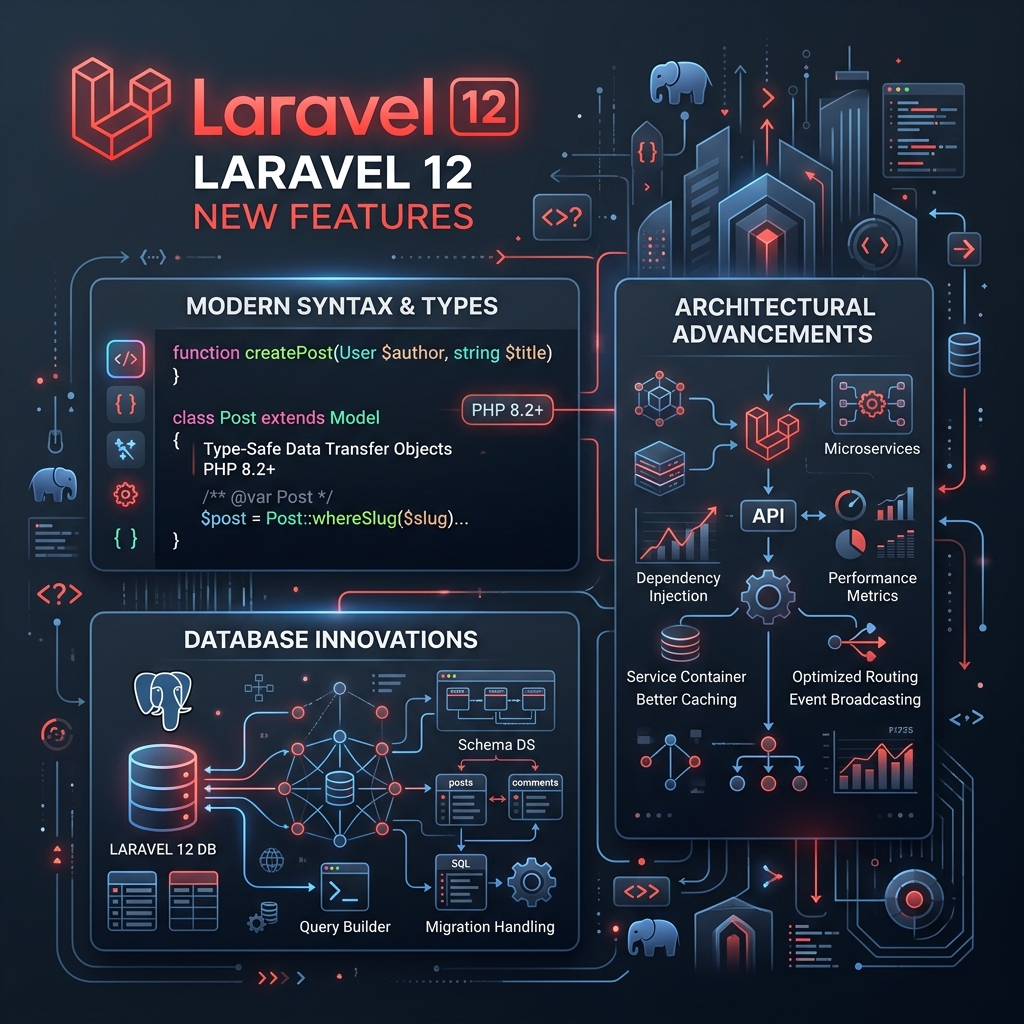
For the backend, Laravel provides an excellent foundation due to its expressive syntax, comprehensive features, and vast ecosystem. It allows for rapid development of APIs, robust database interactions, and secure authentication. For larger, more complex systems or those expected to scale significantly, decomposing certain functionalities into microservices can be beneficial.
Consider a core Laravel application handling user authentication, profile management, and application submission. Dedicated microservices could then handle:
- Communication Service: Manages email, SMS, and in-app notifications.
- Document Management Service: Handles file uploads, storage (e.g., AWS S3), and processing.
- Analytics Service: Processes and stores engagement data for reporting.
- Integration Service: Manages connections to external systems like SIS (Student Information Systems) or CRM (e.g., Salesforce).
// Example: Basic API route for submitting an application in Laravel
// routes/api.php
use App\Http\Controllers\ApplicationController;
use Illuminate\Support\Facades\Route;

Route::middleware('auth:sanctum')->group(function () {
    Route::post('/applications', [ApplicationController::class, 'store']);
    Route::get('/applications/{id}', [ApplicationController::class, 'show']);
    // ... other application-related routes
});

// app/Http/Controllers/ApplicationController.php
<?php

namespace App\Http\Controllers;

use App\Models\Application;
use Illuminate\Http\Request;
use Illuminate\Support\Facades\Validator;

class ApplicationController extends Controller
{
    public function store(Request $request)
    {
        $validator = Validator::make($request->all(), [
            'program_id' => 'required|exists:programs,id',
            'student_id' => 'required|exists:users,id',
            'documents.*' => 'file|max:2048', // Max 2MB per file
            // ... other application fields
        ]);

        if ($validator->fails()) {
            return response()->json($validator->errors(), 422);
        }

        $application = Application::create($request->all());

        // Handle document uploads (e.g., to S3 via a microservice or direct upload)
        if ($request->hasFile('documents')) {
            foreach ($request->file('documents') as $file) {
                // Logic to store file and associate with application
                // This could involve calling a Document Management Microservice
            }
        }

        return response()->json($application, 201);
    }
}
This structure promotes scalability, fault tolerance, and allows different teams to work on separate services independently. For database, MySQL or PostgreSQL are excellent choices, offering reliability and robust features for storing student data, applications, and university program details.
Frontend: Dynamic Interfaces with React/Next.js
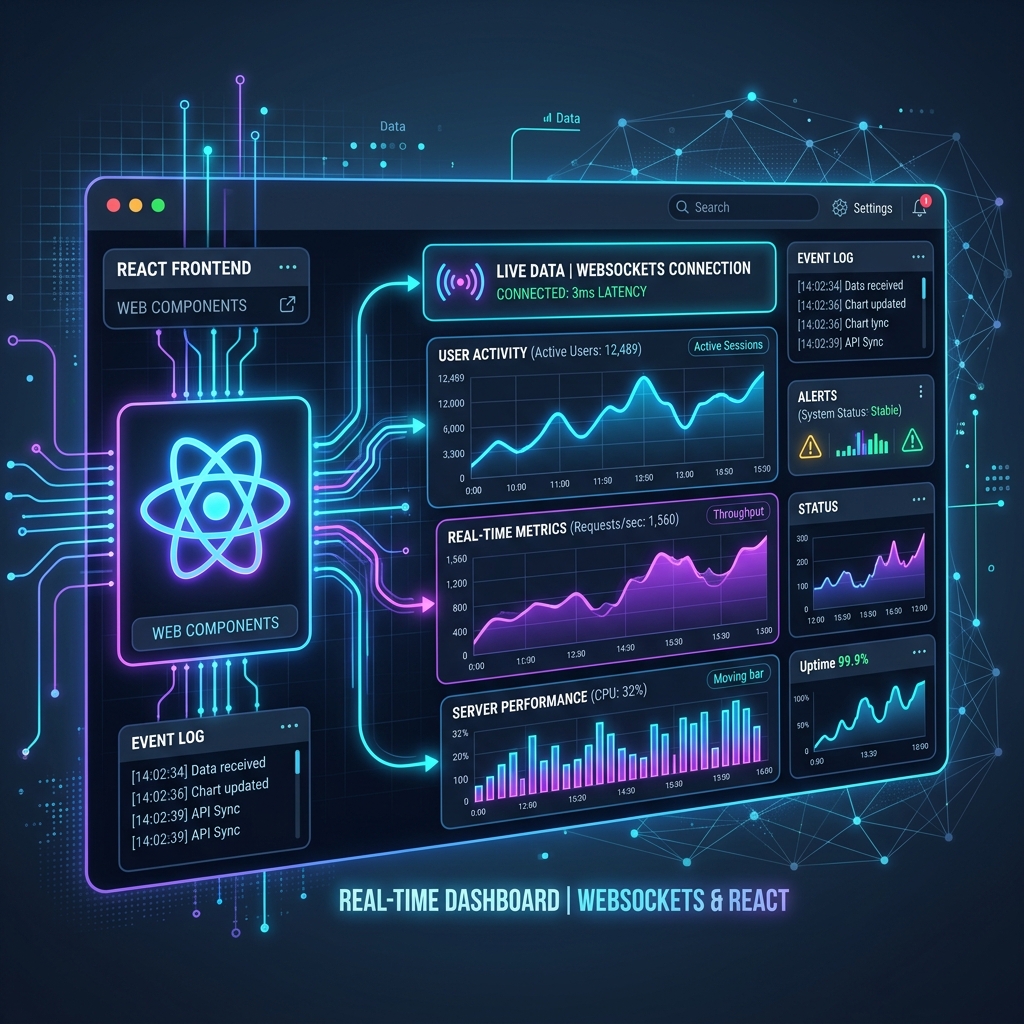
On the frontend, a modern JavaScript framework is crucial for delivering a responsive and engaging user experience. React, with its component-based architecture, is ideal for building complex UIs. For an EdTech platform development project like this, Next.js often provides an added advantage, offering server-side rendering (SSR) or static site generation (SSG) for improved SEO and initial load performance, which is vital for recruitment pages targeting a global audience.
The frontend application would typically interact with the Laravel API (or microservices) to fetch and submit data. Key user interfaces would include:
- Student Portal: For application submission, tracking status, and communication.
- University Admin Panel: For managing programs, reviewing applications, communicating with students, and generating reports.
- Recruiter Dashboard: For agents or university recruiters to manage their leads and applications.
// Example: React component for a simplified application form
// components/ApplicationForm.jsx
import React, { useState } from 'react';
import axios from 'axios';

function ApplicationForm({ programId, studentId, onSubmitSuccess }) {
  const [formData, setFormData] = useState({
    program_id: programId,
    student_id: studentId,
    personal_statement: '',
    // ... other application fields
  });
  const [documents, setDocuments] = useState([]);
  const [loading, setLoading] = useState(false);
  const [error, setError] = useState(null);

  const handleChange = (e) => {
    setFormData({ ...formData, [e.target.name]: e.target.value });
  };

  const handleFileChange = (e) => {
    setDocuments([...documents, ...Array.from(e.target.files)]);
  };

  const handleSubmit = async (e) => {
    e.preventDefault();
    setLoading(true);
    setError(null);

    const data = new FormData();
    for (const key in formData) {
      data.append(key, formData[key]);
    }
    documents.forEach((doc, index) => {
      data.append(`documents[${index}]`, doc);
    });

    try {
      const response = await axios.post('/api/applications', data, {
        headers: {
          'Content-Type': 'multipart/form-data',
          'Authorization': `Bearer ${localStorage.getItem('authToken')}` // Assuming token-based auth
        }
      });
      onSubmitSuccess(response.data);
    } catch (err) {
      setError(err.response?.data?.message || 'Application submission failed.');
      console.error(err);
    } finally {
      setLoading(false);
    }
  };

  return (
    <form onSubmit={handleSubmit}>
      {/* Input fields for personal statement, etc. */}
      <textarea
        name="personal_statement"
        value={formData.personal_statement}
        onChange={handleChange}
        placeholder="Write your personal statement"
      />
      <input type="file" multiple onChange={handleFileChange} />
      <button type="submit" disabled={loading}>
        {loading ? 'Submitting...' : 'Submit Application'}
      </button>
      {error && <p style={{ color: 'red' }}>{error}</p>}
    </form>
  );
}
export default ApplicationForm;
This React component demonstrates how a student can interact with the backend API to submit their application and associated documents, providing a seamless user experience.
Key Features of a Comprehensive Student Recruitment Platform
A truly effective student recruitment platform goes beyond simple application forms. It integrates a suite of tools designed to optimize every stage of the recruitment funnel.
1. Lead Generation and Management (CRM)
At its heart, the platform functions as a specialized student management software or CRM tailored for recruitment. This involves capturing leads from various sources (website forms, events, social media, third-party agencies), enriching their profiles, and segmenting them for targeted outreach.
- Lead Capture & Enrichment: Automated forms, API integrations with marketing tools, and data parsing to extract relevant information.
- Segmentation & Nurturing: Tools to categorize students by program interest, academic background, geographic location, and engagement level. Automated drip campaigns (email, SMS) based on these segments.
- Recruiter Dashboards: Centralized view for recruiters to manage their assigned leads, track progress, schedule follow-ups, and log interactions.
2. Application Management System
This is the core functionality that streamlines the entire application process, reducing administrative burden and improving the student experience.
- Dynamic Application Forms: Customizable forms that adapt based on program, student type (e.g., domestic vs. international), and academic level. This can involve conditional logic for fields.
- Document Upload & Verification: Secure portal for students to upload transcripts, recommendation letters, passports, etc. Integration with OCR or AI services for initial document verification can significantly speed up processing.
- Application Tracking & Status Updates: Students should have a clear dashboard to see the real-time status of their application (e.g., "Submitted," "Under Review," "Awaiting Documents," "Accepted"). Automated notifications for status changes.
- Reviewer Workflows: Configurable workflows for admissions staff to review applications, assign scores, add comments, and make decisions. This might involve multiple stages and approvers.
3. Communication & Engagement Tools
Personalized and timely communication is paramount in student recruitment. The platform should facilitate multi-channel engagement.
- Integrated Messaging: Centralized inbox for email, SMS, and potentially even WhatsApp or in-app chat. Templates for common communications.
- Chatbots & AI Assistants: For answering frequently asked questions, guiding students through the application process, and providing 24/7 support. This can significantly reduce the workload on admissions staff.
- Event Management: Tools for organizing virtual open days, webinars, and in-person recruitment events, including registration, reminders, and post-event follow-up.
4. Analytics and Reporting
Data is king. A powerful analytics module provides insights into recruitment performance, helping universities refine their strategies.
- Recruitment Funnel Visualization: Track conversion rates at each stage – inquiry to applicant, applicant to admitted, admitted to enrolled.
- Performance Dashboards: Customizable dashboards for admissions teams, showing key metrics like lead volume, application submissions, offer rates, and enrollment yield.
- Source Tracking: Identify which channels (e.g., social media, paid ads, education agents, university fairs) are generating the highest quality leads and conversions.
- Predictive Analytics: Leveraging historical data and machine learning to predict enrollment numbers, identify at-risk students, or optimize scholarship allocations.
5. Integrations with Existing Systems
No platform exists in a vacuum. Seamless integration with a university's existing IT ecosystem is critical.
- Student Information Systems (SIS): Integration with systems like Banner, PeopleSoft, or Workday to transfer admitted student data for enrollment and registration.
- Learning Management Systems (LMS): While primarily for enrolled students, some pre-enrollment engagement might benefit from LMS integration.
- Financial Aid Systems: For processing scholarships and financial assistance applications.
- Marketing Automation Platforms: To synchronize lead data and campaign performance.
- Payment Gateways: For application fees or deposit payments.
Security, Scalability, and Compliance
Given the sensitive nature of student data, security is non-negotiable. The platform must adhere to global data privacy regulations like GDPR, CCPA, and FERPA. This means implementing robust authentication (MFA), authorization (role-based access control), data encryption at rest and in transit, and regular security audits.
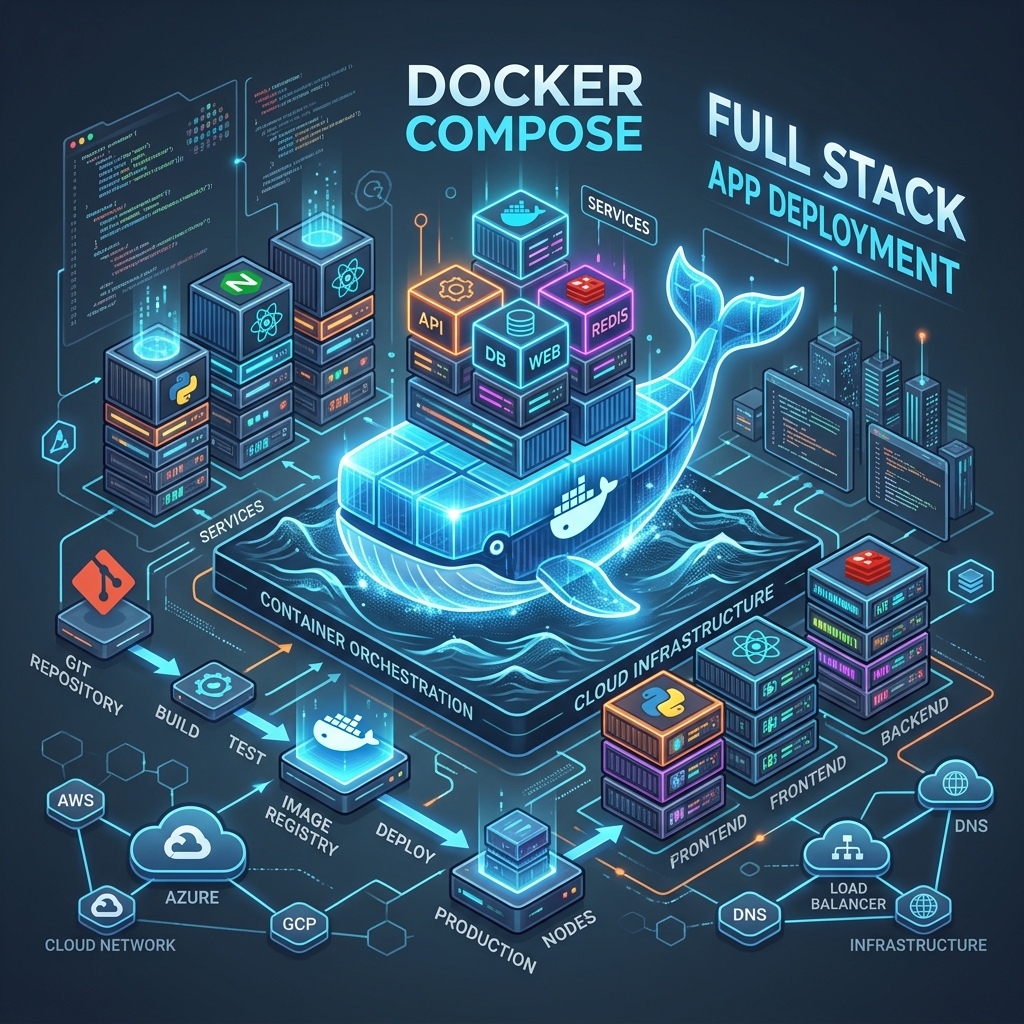
Scalability is another critical factor. The platform must be able to handle fluctuating loads during peak application seasons, potentially supporting thousands of concurrent users. Cloud providers like AWS, Google Cloud, or Azure offer the necessary infrastructure (load balancers, auto-scaling groups, managed databases) to achieve this. My experience with AWS services like EC2, RDS, S3, and Lambda has been instrumental in building highly scalable EdTech solutions.
The Development Process: An Iterative Approach
Building a comprehensive student recruitment platform is a significant undertaking. I advocate for an agile, iterative development process.
1. Discovery & Requirements Gathering: Deep dive into university-specific needs, existing workflows, and pain points. Define clear user stories and acceptance criteria.
2. Architectural Design: Plan the overall system architecture, technology stack, database schema, and API contracts.
3. MVP Development: Focus on core functionalities (e.g., basic application submission, lead tracking, simple admin panel) to get a working product out quickly.
4. Iterative Enhancement: Continuously add features, refine existing ones, and gather user feedback. This includes A/B testing different recruitment messages or form layouts.
5. Testing & Quality Assurance: Rigorous testing at every stage – unit, integration, end-to-end, and performance testing.
6. Deployment & Monitoring: Deploy to a robust cloud environment and set up comprehensive monitoring for performance, security, and errors.
7. Training & Support: Provide thorough training for university staff and ongoing technical support.
For managing the development lifecycle, tools like Jira for project management, GitHub for version control, and CI/CD pipelines (e.g., GitHub Actions, GitLab CI) are indispensable. You can read more about efficient project management in EdTech on my blog.
Key Takeaways
- A student recruitment platform is essential for universities to remain competitive and attract top talent in a digitally-driven world.
- It centralizes and automates recruitment processes, from lead generation to enrollment, acting as a specialized student management software.
- Core architectural choices often involve robust backends like Laravel (potentially with microservices) and dynamic frontends using React/Next.js.
- Key features include comprehensive lead and application management, multi-channel communication, powerful analytics, and seamless integrations with existing university systems.
- Security, scalability, and compliance with data privacy regulations are paramount.
- An agile, iterative development approach ensures continuous improvement and alignment with university needs.
FAQ: Building a Student Recruitment Platform
Q1: What's the typical timeline for building a custom student recruitment platform?
A1: A Minimum Viable Product (MVP) for a custom platform can typically be developed within 6-9 months. A fully-featured, comprehensive system, including advanced analytics and integrations, could take 12-18 months or more, depending on complexity and team size.
Q2: How much does it cost to develop a student recruitment platform?
A2: Costs vary widely based on features, integrations, chosen technology stack, and development team location. A basic MVP might start from $100,000 - $250,000, while a robust enterprise-level system could easily exceed $500,000 to $1,000,000+. These are general estimates and project specifics are crucial for accurate figures.
Q3: Can we integrate our existing CRM (e.g., Salesforce) with a custom platform?
A3: Absolutely. Integration with existing CRMs is a common requirement. We would typically use API integrations, either directly with the CRM's API or through middleware, to ensure seamless data flow between systems. This prevents data silos and allows universities to leverage their existing investments.
Q4: What are the biggest challenges in EdTech platform development for recruitment?
A4: Key challenges include ensuring data security and compliance (GDPR, FERPA), integrating with legacy university systems, managing high volumes of concurrent users during peak application periods, and designing user interfaces that cater to diverse student demographics and university staff roles.
Q5: Why choose a custom build over an off-the-shelf solution?
A5: While off-the-shelf solutions offer quick deployment, a custom-built platform provides unparalleled flexibility and allows for precise alignment with a university's unique recruitment strategies, branding, and workflows. It also offers greater control over data, security, and future scalability, avoiding vendor lock-in and unnecessary feature bloat.
Looking to build an EdTech platform, student CRM, or admission management system? I specialize in developing scalable education technology solutions using Laravel, React, and cloud infrastructure. Whether you're a study-abroad agency, EdTech startup, or university looking for custom software development, blank" rel="noopener noreferrer" style="color: var(--primary); text-decoration: none; border-bottom: 1px dashed var(--primary);">let's discuss your project. Check out my portfolio and technical expertise to see how I can help bring your vision to life.