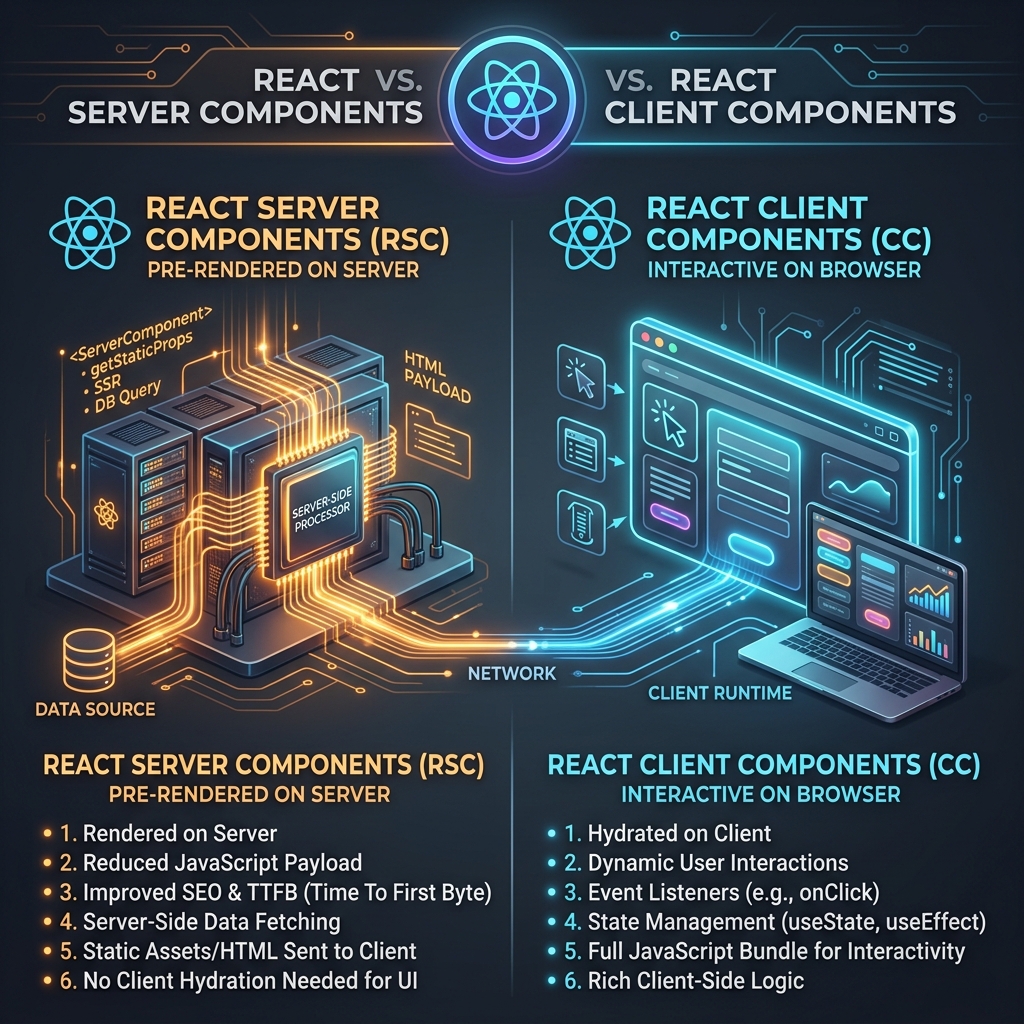
Developers Control More SEO Than They Think
Most SEO guides are written for marketers. But guess what? 60% of SEO is technical - and that's our domain.
The Technical SEO Checklist
1. Page Speed (Core Web Vitals)
- LCP (Largest Contentful Paint) < 2.5s
- FID (First Input Delay) < 100ms
- CLS (Cumulative Layout Shift) < 0.1
2. HTML Structure
<!-- One H1 per page -->
<h1>Main Title</h1>
<h2>Section Title</h2>
<h3>Subsection</h3>

<!-- Semantic HTML -->
<header>, <nav>, <main>, <article>, <section>, <footer>
3. Meta Tags
<title>Keyword - Brand | 60 chars max</title>
<meta name="description" content="Compelling description under 160 chars">
<meta name="robots" content="index, follow">
<link rel="canonical" href="https://yoursite.com/page">
4. Structured Data (JSON-LD)
{
  "@context": "https://schema.org",
  "@type": "Article",
  "headline": "Your Title",
  "author": { "@type": "Person", "name": "Author" },
  "datePublished": "2026-01-01"
}
Image Optimization
- Use WebP format (30% smaller than JPEG)
- Add descriptive
altattributes - Lazy load below-the-fold images
- Serve responsive sizes with
srcset - Compress aggressively (tools: Squoosh, Sharp)
URL Structure
✅ /seo-guide-web-developers
❌ /post?id=123
❌ /SEO_Guide_For_Web_Developers_2026_Updated
Sitemap & Robots.txt
Every site needs:
sitemap.xml- list of all indexable pagesrobots.txt- instructions for search engines- Submit sitemap to Google Search Console
Common Developer SEO Mistakes
1. Forgetting alt attributes on images
2. Client-side rendering without SSR/SSG
3. Blocking search engines in robots.txt accidentally
4. Not setting up 301 redirects for changed URLs
5. Ignoring mobile experience
Good SEO starts with good development practices.