The Definitive Technology Stack for Study Abroad Platforms in 2026
The global education landscape is rapidly evolving, with cross-border education projected to reach unprecedented scales by 2026. As an EdTech developer who has navigated the complexities of student CRMs and admission management systems for years, I've witnessed firsthand the challenges and opportunities presented by this growth. Study abroad platforms, in particular, face unique demands: managing vast amounts of student data, integrating with university systems worldwide, ensuring compliance, and delivering a seamless user experience across diverse geographies. The choice of technology stack isn't just a technical decision; it's a strategic imperative that dictates scalability, security, development velocity, and ultimately, market dominance.
In this comprehensive guide, we'll dissect the optimal technology stack for building robust and future-proof study abroad platforms in 2026. We'll move beyond buzzwords to focus on practical, implementation-focused choices grounded in real-world EdTech development experience. Our goal is to provide a blueprint for developers and product owners looking to build the next generation of platforms like ApplyBoard, Edvoy, or AECC Global, ensuring they can handle the projected 7.6 million international students by 2026, according to UNESCO. Choosing the right technological foundation is paramount to navigating this complex ecosystem, offering a competitive edge in a rapidly expanding market.
Understanding the Core Requirements of a Modern Study Abroad Platform
Before diving into specific technologies, it's crucial to understand the functional and non-functional requirements that drive the architectural decisions for a study abroad platform development. These platforms are not merely websites; they are sophisticated ecosystems designed to facilitate a life-changing journey for students.
Functional Requirements: What Does It Need to Do?
A successful study abroad platform must cater to multiple user personas: students, counselors, universities, and administrators. Key functionalities include:
- Student Profile Management: Comprehensive profiles including academic history, test scores, financial information, and personal statements.
- Program & University Search: Advanced filtering, comparison tools, and detailed program descriptions across thousands of institutions globally.
- Application Management System (AMS): Streamlined application submission, document uploads, tracking, and communication with universities.
- CRM Capabilities: Lead management, communication history, task assignment for counselors, and automated follow-ups.
- Payment Gateway Integration: Secure processing of application fees, tuition deposits, and other related payments.
- Visa & Immigration Guidance: Access to country-specific visa requirements, document checklists, and application assistance.
- Reporting & Analytics: Dashboards for tracking application statuses, student progress, counselor performance, and financial data.
- Communication Hub: Integrated chat, email, and notification systems for students, counselors, and universities.
Non-Functional Requirements: How Well Does It Need to Do It?
Beyond features, performance, security, and scalability are critical for study abroad software.
- Scalability: The ability to handle millions of student profiles, thousands of universities, and spikes in traffic during peak application seasons.
- Security & Compliance: Adherence to data privacy regulations like GDPR, FERPA, and local educational data protection laws. Secure handling of sensitive personal and financial information.
- Performance: Fast loading times, responsive interfaces, and efficient data processing to ensure a smooth user experience globally.
- Reliability & Uptime: High availability to ensure continuous access for students and counselors worldwide.
- Integrability: Seamless integration with external systems such as university APIs, payment gateways, CRM tools, and assessment platforms.
- Maintainability: Clean, well-documented code allows for easy updates, bug fixes, and feature enhancements.
The Backend Powerhouse: Laravel, Node.js, or Python?
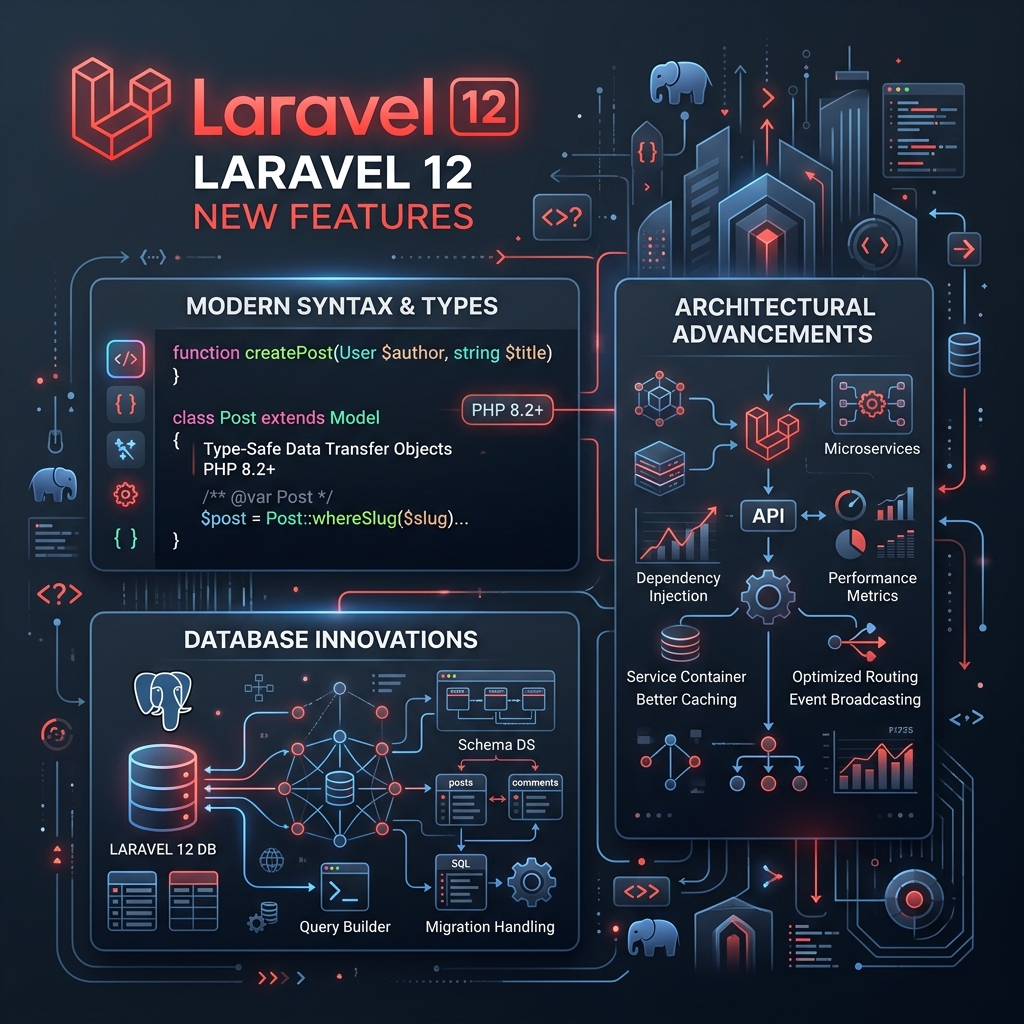
For the backend of an edtech technology stack, the choice often boils down to a few robust contenders. My experience building complex EdTech systems points towards Laravel (PHP), Node.js (with frameworks like NestJS), or Python (with Django/Flask). For study abroad platforms, where rapid development, extensive ecosystem support, and enterprise-grade features are paramount, Laravel often emerges as a strong candidate.
Laravel (PHP): The Enterprise-Grade Choice for EdTech
Laravel, a PHP framework, is my go-to for many complex web applications, including student CRMs and admission systems. Its elegant syntax, robust features, and extensive ecosystem make it incredibly productive. For a study abroad platform development, Laravel offers:
- Rapid Development: Features like Eloquent ORM, Blade templating, and Artisan CLI significantly speed up development cycles.
- Scalability: With proper caching (Redis, Memcached), queue management (Horizon), and database optimization, Laravel applications can scale horizontally with ease.
- Security: Built-in features for authentication, authorization, CSRF protection, and encryption significantly reduce security vulnerabilities.
- Ecosystem & Community: A vast package ecosystem (Packagist) and a large, active community mean solutions to common problems are readily available.
- Database Management: Excellent ORM support for MySQL, PostgreSQL, and other relational databases, crucial for managing structured student and university data.
Here's a simplified example of how you might define a Student model in Laravel, showcasing its ActiveRecord pattern:
// app/Models/Student.php
<?php

namespace App\Models;

use Illuminate\Database\Eloquent\Factories\HasFactory;
use Illuminate\Database\Eloquent\Model;

class Student extends Model
{
    use HasFactory;

    protected $fillable = [
        'first_name',
        'last_name',
        'email',
        'date_of_birth',
        'country_of_origin',
        'academic_level',
        'gpa',
        // ... more student attributes
    ];

    /**
     * Get the applications for the student.
     */
    public function applications()
    {
        return $this->hasMany(Application::class);
    }
}
Node.js (NestJS) & Python (Django/Flask): Strong Alternatives
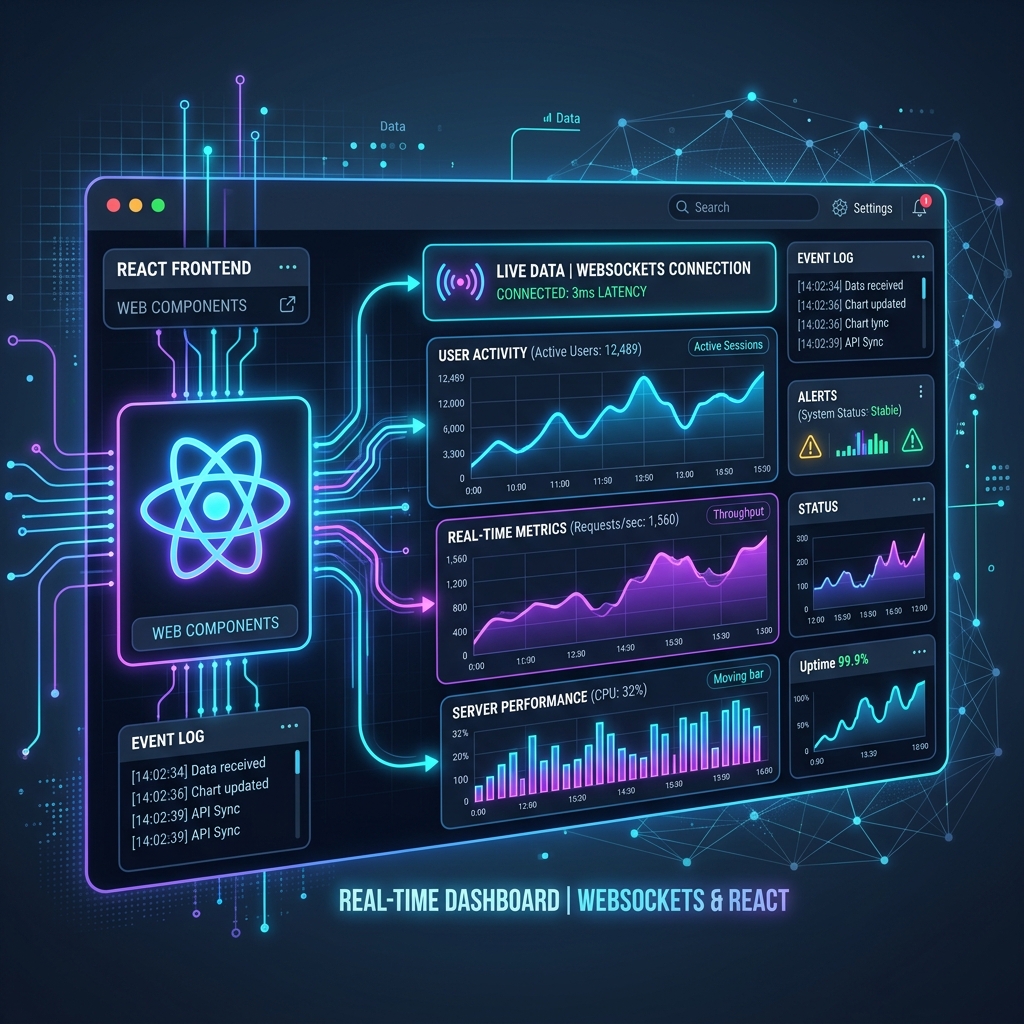
- Node.js (NestJS): For teams proficient in JavaScript end-to-end, NestJS offers a robust, opinionated framework for building scalable, enterprise-grade APIs. Its TypeScript support and modular architecture are excellent for large teams. It excels in real-time communication features, which can be useful for chat within the platform.
- Python (Django/Flask): Python's simplicity and extensive libraries make it attractive, especially for platforms requiring heavy data science, machine learning for recommendations, or complex integrations. Django provides a "batteries-included" approach, while Flask offers more flexibility for microservices.
The Frontend Experience: React, Next.js, and Beyond
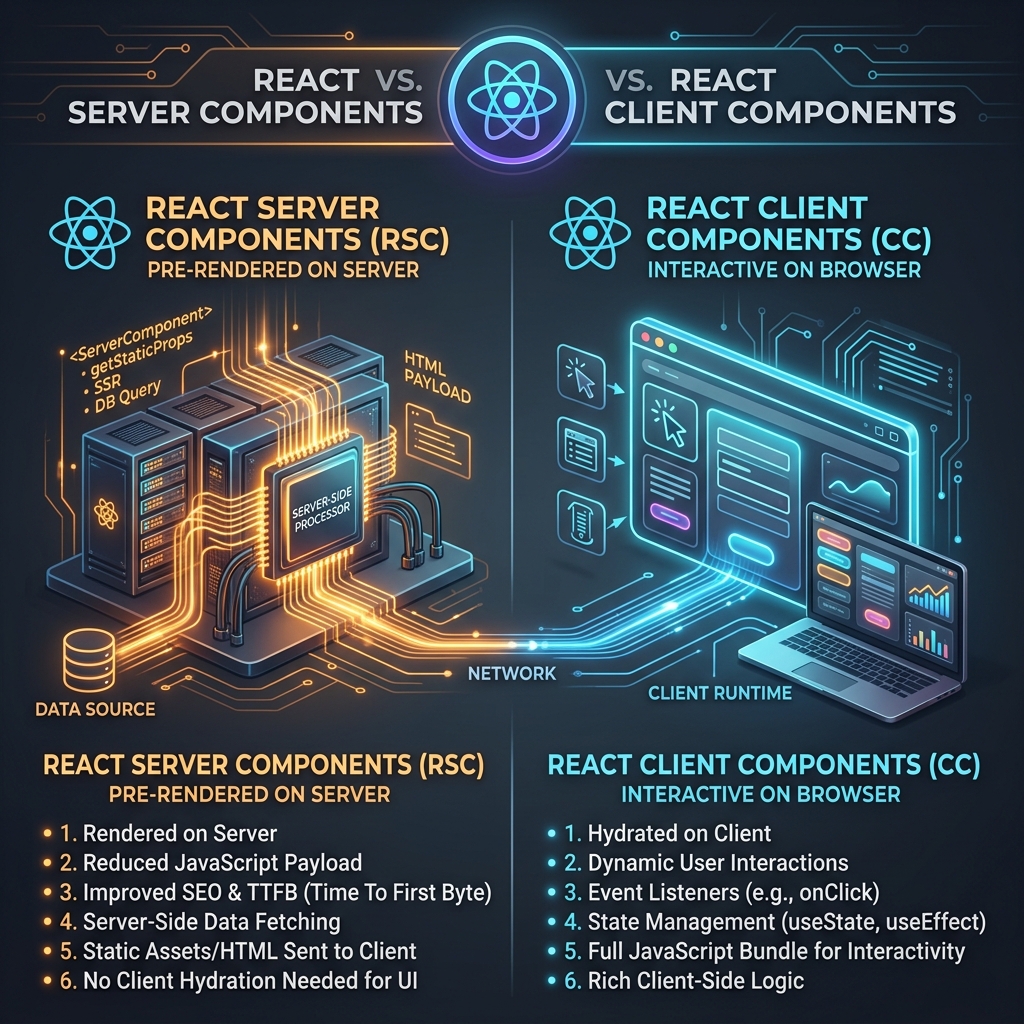
The frontend is where students interact with your study abroad platform development. A fluid, intuitive, and performant user interface is non-negotiable. React, often paired with Next.js, has become the de facto standard for building complex, single-page applications (SPAs) and server-side rendered (SSR) experiences.
React with Next.js: Unmatched Performance and Developer Experience
- React: A declarative, component-based JavaScript library for building user interfaces. Its virtual DOM ensures efficient updates, and its vast ecosystem provides components and tools for virtually any UI challenge.
- Next.js: A React framework that enables server-side rendering (SSR), static site generation (SSG), and API routes. This is crucial for:
- SEO: Study abroad programs are often discovered via search engines. SSR ensures search engines can crawl and index your content effectively.
- Performance: Faster initial page loads and improved perceived performance, especially critical for users with varying internet speeds globally.
- Developer Experience: Built-in routing, code splitting, and optimized asset loading streamline development.
Consider a component for displaying a university program listing:
// components/ProgramCard.jsx
import Link from 'next/link';

const ProgramCard = ({ program }) => {
  return (
    <div className="border p-4 rounded-lg shadow-md hover:shadow-lg transition-shadow duration-300">
      <h3 className="text-xl font-semibold text-blue-700">
        <Link href={`/programs/${program.slug}`}>
          {program.title}
        </Link>
      </h3>
      <p className="text-gray-600 mt-1">{program.universityName}</p>
      <div className="flex items-center mt-2 text-sm text-gray-500">
        <span>{program.duration}</span>
        <span className="mx-2">•</span>
        <span>{program.location}</span>
      </div>
      <p className="text-gray-700 mt-3 line-clamp-3">{program.description}</p>
      <div className="mt-4">
        <Link href={`/apply/${program.slug}`} className="bg-blue-600 text-white px-4 py-2 rounded-md hover:bg-blue-700 transition-colors">
          Apply Now
        </Link>
      </div>
    </div>
  );
};

export default ProgramCard;
Tailwind CSS: Utility-First Styling
For styling, Tailwind CSS is an excellent choice. It’s a utility-first CSS framework that allows for rapid UI development without writing custom CSS. This promotes consistency and speeds up frontend development, which is vital for an agile Laravel React education platform.
Database & Data Management: Relational Dominance with NoSQL Flexibility
The heart of any study abroad software is its data. Choosing the right database ensures data integrity, fast retrieval, and scalability.
Relational Databases: MySQL or PostgreSQL
For structured data like student profiles, application statuses, university details, and financial transactions, relational databases are indispensable.
- MySQL: A long-standing, robust, and widely supported open-source relational database. It's often the default choice for Laravel applications and provides excellent performance for high-volume transactions.
- PostgreSQL: Known for its advanced features, extensibility, and strong adherence to SQL standards. It's often preferred for complex data types, advanced indexing, and enterprise-level applications requiring high data integrity.
For a study abroad platform, I typically lean towards PostgreSQL for its advanced JSONB support (useful for flexible program attributes) and overall robustness, though MySQL is perfectly capable.
NoSQL Databases: MongoDB or Redis for Specific Use Cases
While relational databases handle core data, NoSQL options can enhance performance and flexibility for specific scenarios.
- Redis: An in-memory data structure store, used as a database, cache, and message broker. Essential for caching frequently accessed data (university listings, program details), session management, and real-time notifications.
- MongoDB: A document-oriented NoSQL database. Useful for storing less structured data like user preferences, activity logs, or a dynamic knowledge base, where schema flexibility is more important than strict relational integrity.
Cloud Infrastructure: Scaling for Global Reach
Deploying your study abroad platform development on a robust cloud provider is non-negotiable for global reach, scalability, and reliability. AWS, Google Cloud Platform (GCP), and Microsoft Azure are the dominant players.
AWS: The Industry Standard
Amazon Web Services (AWS) offers the most comprehensive suite of services, making it a strong contender for complex EdTech platforms.
- EC2 (Elastic Compute Cloud): For scalable virtual servers to host your Laravel backend and Next.js frontend (if not serverless).
- RDS (Relational Database Service): Managed MySQL or PostgreSQL instances, saving immense operational overhead.
- S3 (Simple Storage Service): Object storage for student documents, university brochures, images, and other static assets.
- Lambda (Serverless Functions): For specific event-driven tasks, such as processing document uploads, generating reports, or integrating with third-party APIs.
- CloudFront (CDN): Content Delivery Network for fast global delivery of static and dynamic content.
- Route 53: Domain Name System (DNS) web service.
- SES (Simple Email Service): For transactional emails (application updates, password resets).
An example docker-compose.yml for local development, mimicking a production setup:
version: '3.8'
services:
  app:
    build:
      context: .
      dockerfile: Dockerfile
    image: my-edtech-app
    restart: always
    volumes:
      - .:/var/www/html
    ports:
      - "8000:80"
    depends_on:
      - db
      - redis
    environment:
      # ... Laravel environment variables
      DB_CONNECTION: mysql
      DB_HOST: db
      DB_PORT: 3306
      DB_DATABASE: edtech_db
      DB_USERNAME: root
      DB_PASSWORD: password
      REDIS_HOST: redis
      REDIS_PORT: 6379

  db:
    image: mysql:8.0
    restart: always
    environment:
      MYSQL_ROOT_PASSWORD: password
      MYSQL_DATABASE: edtech_db
    ports:
      - "3306:3306"
    volumes:
      - db_data:/var/lib/mysql

  redis:
    image: redis:alpine
    restart: always
    ports:
      - "6379:6379"

volumes:
  db_data:
Serverless vs. Containers
For new study abroad platform development, consider a serverless-first approach for parts of your application (e.g., Next.js deployed on Vercel/Netlify, backend APIs on AWS Lambda/API Gateway). This offers unparalleled scalability and a pay-per-use model. For more control and consistent performance, containerization with Docker and orchestration with Kubernetes (EKS, GKE, AKS) is a robust choice for large-scale deployments, especially for a Laravel React education platform.
Integration & Communication: APIs, Queues, and Webhooks
A modern study abroad software doesn't exist in a vacuum. It interacts with numerous external systems.
RESTful APIs & GraphQL
- RESTful APIs: The backbone of most integrations. Your platform will expose APIs for universities to update program data and consume APIs from payment gateways, assessment providers, and CRM tools.
- GraphQL: An alternative to REST for internal API communication between your frontend and backend, offering more efficient data fetching by allowing clients to request exactly what they need.
Message Queues (RabbitMQ, AWS SQS, Redis)
For asynchronous tasks like sending mass emails, processing document uploads, generating complex reports, or syncing data with external systems, message queues are essential. They decouple processes, improve responsiveness, and provide fault tolerance. Laravel's built-in queue system, powered by Redis or AWS SQS, is excellent for this.
Webhooks
To receive real-time notifications from external services (e.g., payment status updates from Stripe, application status changes from a university portal), webhooks are crucial.
Security & Compliance: Non-Negotiable in EdTech
Given the sensitive nature of student data, security and data privacy are paramount for any edtech technology stack.
- GDPR, FERPA, CCPA: Adherence to global and regional data privacy regulations is not optional. Implement robust data encryption (at rest and in transit), access controls, and audit logs.
- OWASP Top 10: Regular security audits and penetration testing to identify and mitigate common web vulnerabilities.
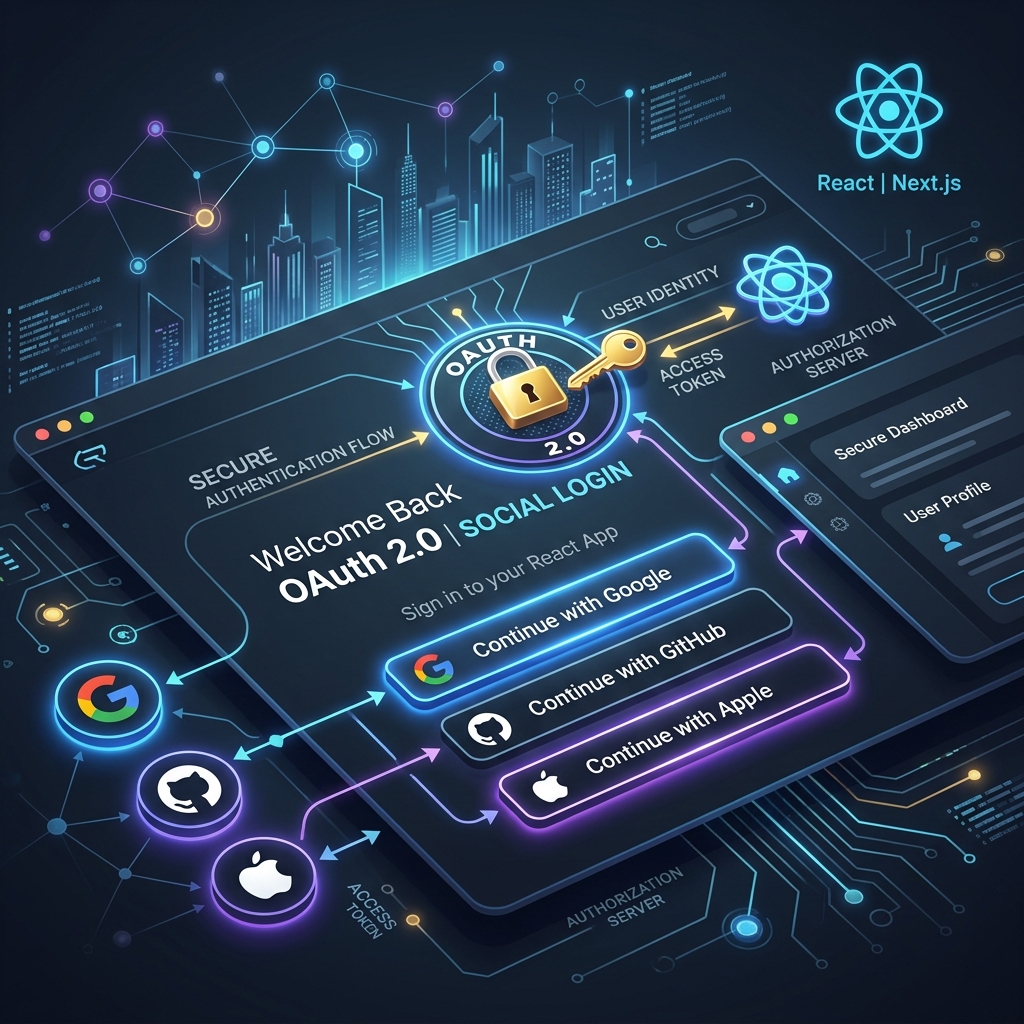
- Authentication & Authorization: Use OAuth2, JWT, or Laravel Passport for secure API authentication. Implement granular role-based access control (RBAC) to ensure users only access what they're authorized to see.
- Data Encryption: Use SSL/TLS for all communication. Encrypt sensitive data fields in the database.
Key Takeaways
Building a world-class study abroad platform development requires a thoughtful, strategic approach to technology. Here are the key takeaways:
- Laravel & React/Next.js: A powerful and productive combination for both backend scalability and a superior frontend user experience.
- Relational Databases: MySQL or PostgreSQL are essential for managing structured student, university, and application data.
- Cloud-Native Architecture: Leverage AWS, GCP, or Azure for unparalleled scalability, reliability, and global reach.
- Asynchronous Processing: Implement message queues (Redis/SQS) for non-blocking operations and improved system responsiveness.
- API-First Approach: Design robust APIs for seamless internal and external integrations.
- Security & Compliance: Prioritize data privacy (GDPR, FERPA) and implement enterprise-grade security measures from day one.
- DevOps & Automation: Invest in CI/CD pipelines, automated testing, and infrastructure as code to ensure rapid, reliable deployments.
FAQ: Your Questions Answered
Q1: Is PHP (Laravel) still a relevant choice for modern EdTech platforms in 2026?
Absolutely. PHP, especially with frameworks like Laravel, has evolved significantly. It powers a substantial portion of the web, including large-scale applications. Its stability, vast ecosystem, development speed, and excellent tooling make it a highly relevant and competitive choice for a Laravel React education platform in 2026, especially for complex business logic and database-heavy applications.
Q2: How important is server-side rendering (SSR) for a study abroad platform?
SSR, typically achieved with Next.js for React applications, is critically important. It significantly improves initial page load times, enhancing user experience for students globally who might have varying internet speeds. Crucially, it's vital for SEO, ensuring search engines can effectively crawl and index your program listings and university profiles, which is a primary discovery channel for prospective students.
Q3: What's the role of AI/ML in a modern study abroad platform?
AI/ML can play a transformative role. It can power personalized program recommendations based on student profiles and preferences, automate document verification, provide predictive analytics for application success rates, and even enhance chatbot interactions for student support. Integrating Python-based ML services as microservices or leveraging cloud AI APIs (AWS Rekognition, Google AI Platform) would be key.
Q4: How do you handle integrations with hundreds of different university application portals?
This is one of the biggest challenges in study abroad platform development. It typically involves a multi-pronged approach:
1. Standardized APIs: Encourage universities to adopt common API standards (e.g., OpenApply, Common App APIs).
2. Custom API Integrations: Develop custom connectors for universities with proprietary APIs.
3. RPA (Robotic Process Automation): For universities without APIs, RPA tools can automate data entry into their portals, though this is often a last resort due to maintenance overhead.
4. Manual Processes with Digital Assistance: For unique, low-volume cases, streamline manual data entry with intelligent forms and pre-population.
A robust message queuing system is essential to manage the asynchronous nature of these integrations.
Q5: What's your advice on choosing between a monolithic architecture and microservices for a new platform?
For a brand-new study abroad platform development, I generally recommend starting with a well-structured, modular monolith using a framework like Laravel. This allows for faster initial development, easier debugging, and simpler deployment. As the platform scales and specific modules require independent scaling, different technologies, or dedicated teams, you can strategically extract microservices. This "monolith-first" approach avoids premature optimization and the inherent complexity of a full microservices architecture from day one.
Looking to build an EdTech platform, student CRM, or admission management system? I specialize in developing scalable education technology solutions using Laravel, React, and cloud infrastructure. Whether you're a study-abroad agency, EdTech startup, or university looking for custom software development, blank" rel="noopener noreferrer" style="color: var(--primary); text-decoration: none; border-bottom: 1px dashed var(--primary);">let's discuss your project. Check out my portfolio and technical expertise to see how I can help bring your vision to life.