Navigating the Deluge: Architecting EdTech Systems for High-Volume Student Applications
The global education landscape is undergoing a dramatic transformation, fueled by digital innovation and an ever-increasing demand for accessible learning opportunities. EdTech platforms, particularly those facilitating admissions and study-abroad processes, are at the forefront of this revolution. Companies like ApplyBoard, Edvoy, and AECC Global are processing hundreds of thousands, if not millions, of student applications annually, connecting aspiring students with educational institutions worldwide. This phenomenal growth, while exciting, presents a unique and formidable technical challenge: how do you build and maintain an EdTech system that can reliably handle such a massive influx of data, ensuring high availability, performance, and accuracy, especially during peak admission cycles?
As a seasoned full-stack developer with years of experience architecting and scaling EdTech solutions, I've seen firsthand the complexities involved in managing high-volume student applications edtech systems. From the initial submission to document verification, institutional review, and ultimate offer acceptance, each stage demands robust infrastructure, intelligent automation, and a resilient, performant backend. The stakes are incredibly high; a single system outage or data loss can derail a student's academic dreams and significantly damage an institution's reputation. This post will delve into the practical strategies and architectural patterns essential for building EdTech platforms capable of not just surviving, but thriving under the pressure of millions of student applications.
The Scalability Imperative: Why Traditional Approaches Fail
The sheer scale of modern EdTech operations quickly exposes the limitations of traditional, monolithic application architectures. A study by HolonIQ predicted the global EdTech market to reach \$404 billion by 2025, with a significant portion driven by platforms connecting students to institutions. This growth translates directly into a surge in application volume. Attempting to manage this with a single, tightly coupled application often leads to bottlenecks, performance degradation, and a developer's worst nightmare: a single point of failure.
Understanding Peak Load Challenges
Student application cycles are inherently bursty. There are specific periods – often around application deadlines or scholarship announcements – when a system experiences an exponential spike in activity. Imagine thousands of students simultaneously uploading documents, filling out forms, and hitting "submit." An inadequately designed system will buckle under this load, leading to slow response times, timeouts, and ultimately, frustrated users. Our goal is to design for these peaks, not just average loads.
The Cost of Downtime and Data Loss
For an EdTech platform, downtime isn't just an inconvenience; it's a catastrophic event. Beyond reputational damage, it can directly impact revenue, erode trust, and even lead to legal repercussions if sensitive student data is compromised. Data integrity is paramount. Losing an application, misplacing a document, or corrupting a student's profile is simply unacceptable. This necessitates a proactive approach to resilience and data redundancy, which we'll explore further.
Architectural Foundations for High-Volume Application Processing
Building an EdTech system that can handle high-volume student applications edtech demands a fundamental shift in architectural thinking. We move away from monolithic designs towards distributed, microservices-oriented architectures, leveraging cloud-native principles and asynchronous processing.
Microservices and Domain-Driven Design
Breaking down the application into smaller, independent services, each responsible for a specific business capability (e.g., Application Submission Service, Document Verification Service, Institution Matching Service), significantly enhances scalability and maintainability. This aligns perfectly with domain-driven design principles, where each service owns its data and logic.
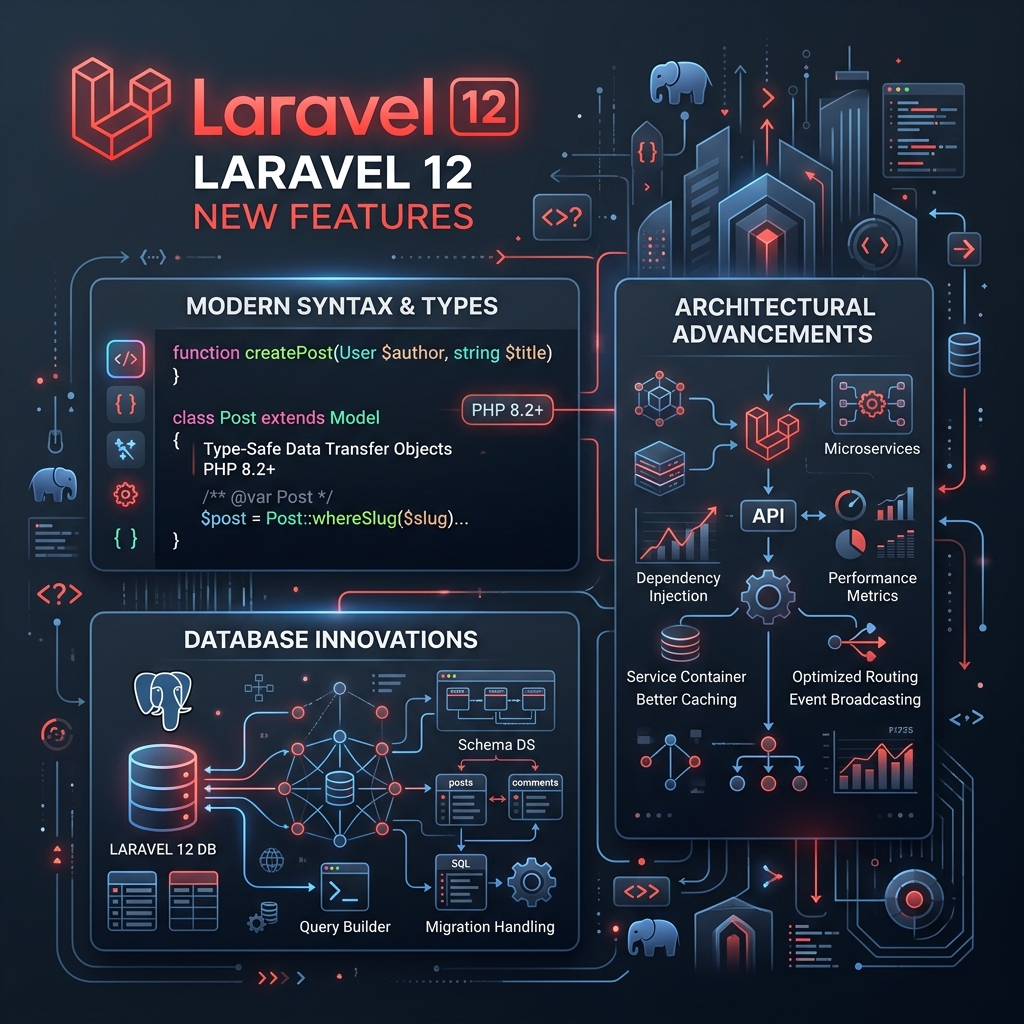
// Example: A simplified Application Submission Microservice in Laravel
// This service would handle validation, persistence, and event dispatching.

namespace App\Services\Application;

use App\Models\StudentApplication;
use App\Events\ApplicationSubmitted;
use Illuminate\Support\Facades\DB;

class ApplicationSubmissionService
{
    public function submitApplication(array $data): StudentApplication
    {
        DB::beginTransaction();
        try {
            $application = StudentApplication::create([
                'student_id' => $data['student_id'],
                'course_id' => $data['course_id'],
                'institution_id' => $data['institution_id'],
                'status' => 'submitted',
                // other application fields
            ]);

            // Dispatch an event for asynchronous processing
            event(new ApplicationSubmitted($application->id));

            DB::commit();
            return $application;
        } catch (\Exception $e) {
            DB::rollBack();
            throw $e;
        }
    }
}
This ApplicationSubmissionService focuses solely on application submission. Other services would listen for the ApplicationSubmitted event to trigger subsequent actions like document processing or notification sending, ensuring loose coupling.
Asynchronous Processing with Message Queues
One of the most critical patterns for handling high-volume student applications is asynchronous processing. Instead of immediately performing all subsequent tasks after an application submission (e.g., sending emails, running validations, updating CRMs), we offload these to message queues. This allows the primary submission endpoint to respond quickly, improving user experience and resilience.
Technologies like Apache Kafka, RabbitMQ, or AWS SQS/Azure Service Bus are indispensable here. When a student submits an application, an event is published to a queue. Worker processes (consumers) then pick up these messages and process them in the background.
# Example: Publishing an application submission event to a message queue (simplified)
# Using a hypothetical message queue client

import json
from message_queue_client import MessageQueueClient

def publish_application_submitted_event(application_id):
    client = MessageQueueClient(queue_name='application_events')
    message = {
        'event_type': 'ApplicationSubmitted',
        'application_id': application_id,
        'timestamp': '2024-03-15T10:00:00Z'
    }
    client.publish(json.dumps(message))
    print(f"Published ApplicationSubmitted event for ID: {application_id}")

# In your application submission logic:
# application_id = submit_application_to_database(...)
# publish_application_submitted_event(application_id)
This decouples the submission from subsequent processing, making the system more robust and enabling edtech high availability. If a downstream service is temporarily unavailable, messages remain in the queue, waiting to be processed when the service recovers.
Data Management and Storage at Scale
The sheer volume of student applications translates into massive datasets, requiring thoughtful database design and storage strategies. A typical student application might include personal details, academic history, essays, and numerous supporting documents (transcripts, passports, visas).
Polyglot Persistence
No single database technology is a silver bullet for all data storage needs in a complex EdTech system. A polyglot persistence strategy, where different data stores are used for different types of data based on their access patterns and consistency requirements, is often optimal.
- Relational Databases (e.g., PostgreSQL, MySQL): Excellent for structured data with complex relationships, such as application metadata, student profiles, and institutional details. They provide strong ACID properties crucial for financial transactions and core application data.
- NoSQL Databases (e.g., MongoDB, Cassandra): Ideal for semi-structured or unstructured data, like application essays, audit logs, or user activity streams. They offer high scalability and flexibility.
- Object Storage (e.g., AWS S3, Azure Blob Storage): The go-to solution for storing large binary objects like student documents (transcripts, certificates, passport copies). These services are highly durable, scalable, and cost-effective.
Database Sharding and Replication
For relational databases handling core application data, sharding (horizontal partitioning) can distribute load across multiple database instances, preventing a single database from becoming a bottleneck. Replication (master-replica setups) ensures high availability and allows read operations to be offloaded to replicas, further enhancing education platform performance.
-- Example: Basic table structure for student applications in MySQL
CREATE TABLE student_applications (
    id BIGINT AUTO_INCREMENT PRIMARY KEY,
    student_id BIGINT NOT NULL,
    institution_id BIGINT NOT NULL,
    course_id BIGINT NOT NULL,
    application_uuid VARCHAR(36) UNIQUE NOT NULL,
    submission_date DATETIME NOT NULL DEFAULT CURRENT_TIMESTAMP,
    status ENUM('submitted', 'in_review', 'accepted', 'rejected', 'withdrawn') NOT NULL,
    -- ... other application-specific fields
    INDEX (student_id),
    INDEX (institution_id),
    INDEX (status)
) ENGINE=InnoDB DEFAULT CHARSET=utf8mb4;
When designing schemas, consider using UUIDs for primary keys where distributed systems are involved, as they reduce coordination overhead compared to auto-incrementing integers across shards.
Frontend Performance and User Experience
Even the most robust backend can be undermined by a slow, unresponsive frontend. For platforms dealing with application processing at scale, a smooth, intuitive user experience is paramount, especially when students are often under stress.
Progressive Web Apps (PWAs) and Optimistic UI
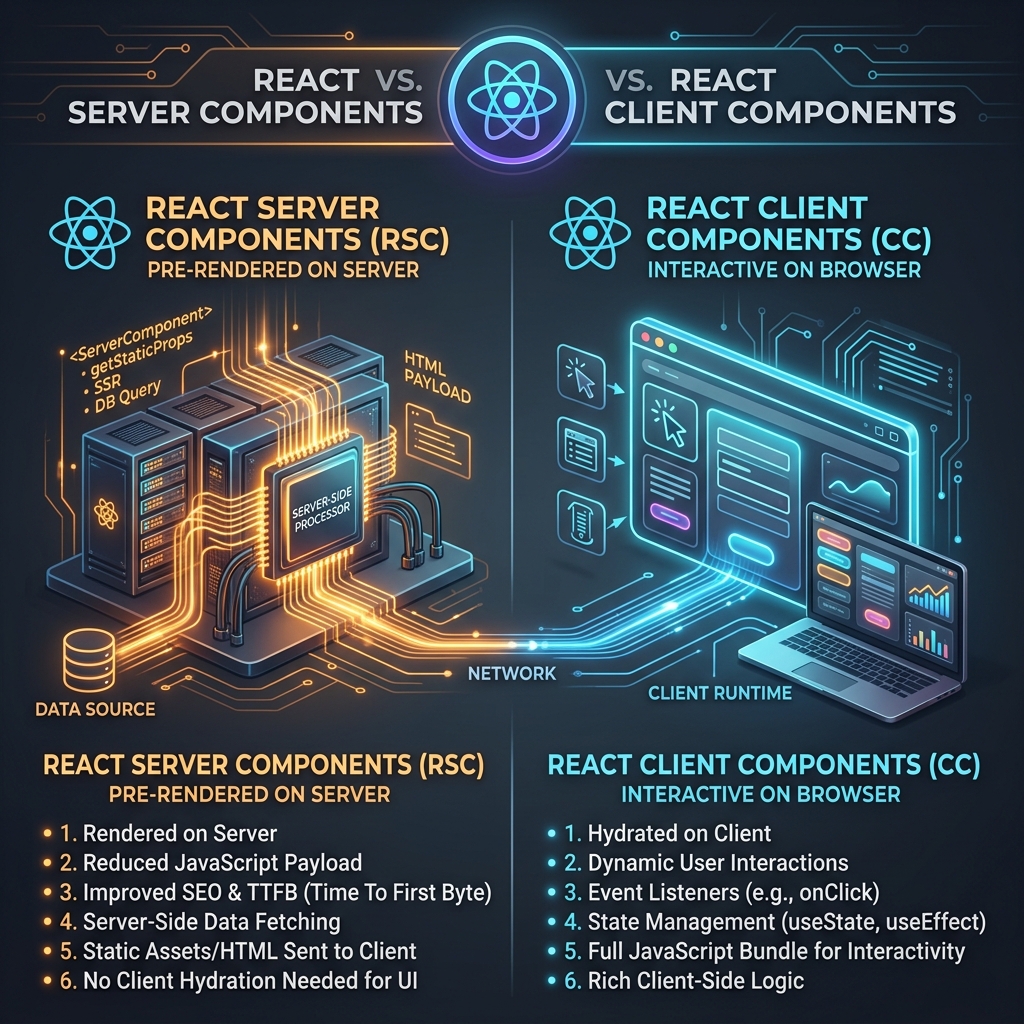
Modern frontend frameworks like React or Next.js, combined with PWA principles, can deliver app-like experiences directly in the browser. Optimistic UI updates, where the UI reflects the expected outcome of an action immediately (e.g., a "Submitted" message appearing instantly after clicking apply, even if the backend is still processing), can greatly improve perceived performance.
// Example: Optimistic UI in a React component for application submission
import React, { useState } from 'react';
import axios from 'axios'; // Or use fetch

function ApplicationForm() {
  const [isSubmitting, setIsSubmitting] = useState(false);
  const [isSubmitted, setIsSubmitted] = useState(false);
  const [error, setError] = useState(null);

  const handleSubmit = async (event) => {
    event.preventDefault();
    setIsSubmitting(true);
    setError(null);
    setIsSubmitted(false); // Reset in case of re-submission

    try {
      // Simulate API call
      await axios.post('/api/applications', { /* form data */ });
      setIsSubmitted(true); // Optimistic update
      // In a real app, you'd handle the actual response and update state if needed
    } catch (err) {
      setError('Failed to submit application. Please try again.');
      setIsSubmitted(false); // Revert optimistic update on error
    } finally {
      setIsSubmitting(false);
    }
  };

  return (
    <form onSubmit={handleSubmit}>
      {/* Form fields */}
      <button type="submit" disabled={isSubmitting}>
        {isSubmitting ? 'Submitting...' : 'Submit Application'}
      </button>
      {isSubmitted && <p style={{ color: 'green' }}>Application submitted successfully!</p>}
      {error && <p style={{ color: 'red' }}>{error}</p>}
    </form>
  );
}
This approach provides instant feedback, reducing user frustration during potentially long backend processes.
Caching Strategies and CDN Usage
Aggressive caching at various layers – CDN (Content Delivery Network) for static assets, reverse proxy caching (e.g., Nginx, Varnish) for frequently accessed dynamic content, and in-memory caches (e.g., Redis, Memcached) for database query results – is crucial for reducing server load and speeding up content delivery. For global EdTech platforms, CDNs are indispensable for delivering content quickly to students across different geographies.
Security, Compliance, and Data Integrity
Handling sensitive student data means security and compliance are not optional; they are foundational requirements. EdTech platforms must adhere to regulations like GDPR, FERPA, and local data protection laws.
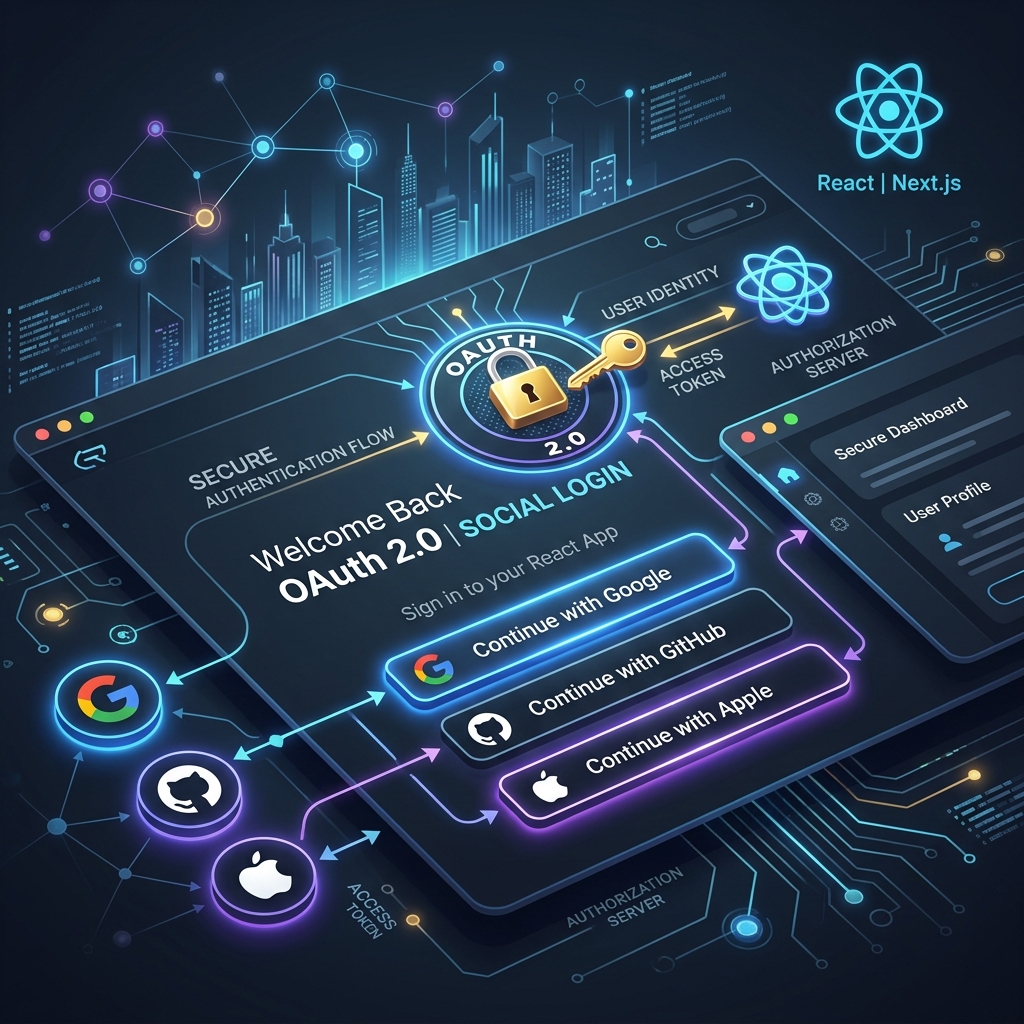
Robust Authentication and Authorization
Implementing strong authentication mechanisms (MFA, SSO) and fine-grained authorization (Role-Based Access Control) is non-negotiable. Only authorized personnel should have access to specific student data, and every access attempt should be logged.
Data Encryption and Auditing
All data, both in transit (TLS/SSL) and at rest (disk encryption, database encryption), must be encrypted. Regular security audits, penetration testing, and vulnerability scanning are essential to identify and mitigate potential weaknesses. Comprehensive logging and auditing capabilities are also critical for tracking data access and changes, aiding in compliance and forensic analysis.
// Example: Middleware for checking user authorization in Laravel
// This ensures only users with 'manage-applications' permission can access a route.

namespace App\Http\Middleware;

use Closure;
use Illuminate\Http\Request;
use Symfony\Component\HttpFoundation\Response;

class AuthorizeApplicationManagement
{
    public function handle(Request $request, Closure $next): Response
    {
        if (!auth()->user() || !auth()->user()->can('manage-applications')) {
            abort(403, 'Unauthorized action.');
        }

        return $next($request);
    }
}

// In routes/web.php or routes/api.php
// Route::middleware(['auth', AuthorizeApplicationManagement::class])->group(function () {
//     Route::get('/applications', [ApplicationController::class, 'index']);
//     Route::post('/applications', [ApplicationController::class, 'store']);
// });
This basic middleware demonstrates a fundamental aspect of secure access control, essential for any EdTech platform processing sensitive information. For more advanced implementations, integrating with identity providers and using solutions like Laravel Passport for API authentication is recommended.
Monitoring, Alerting, and Continuous Improvement
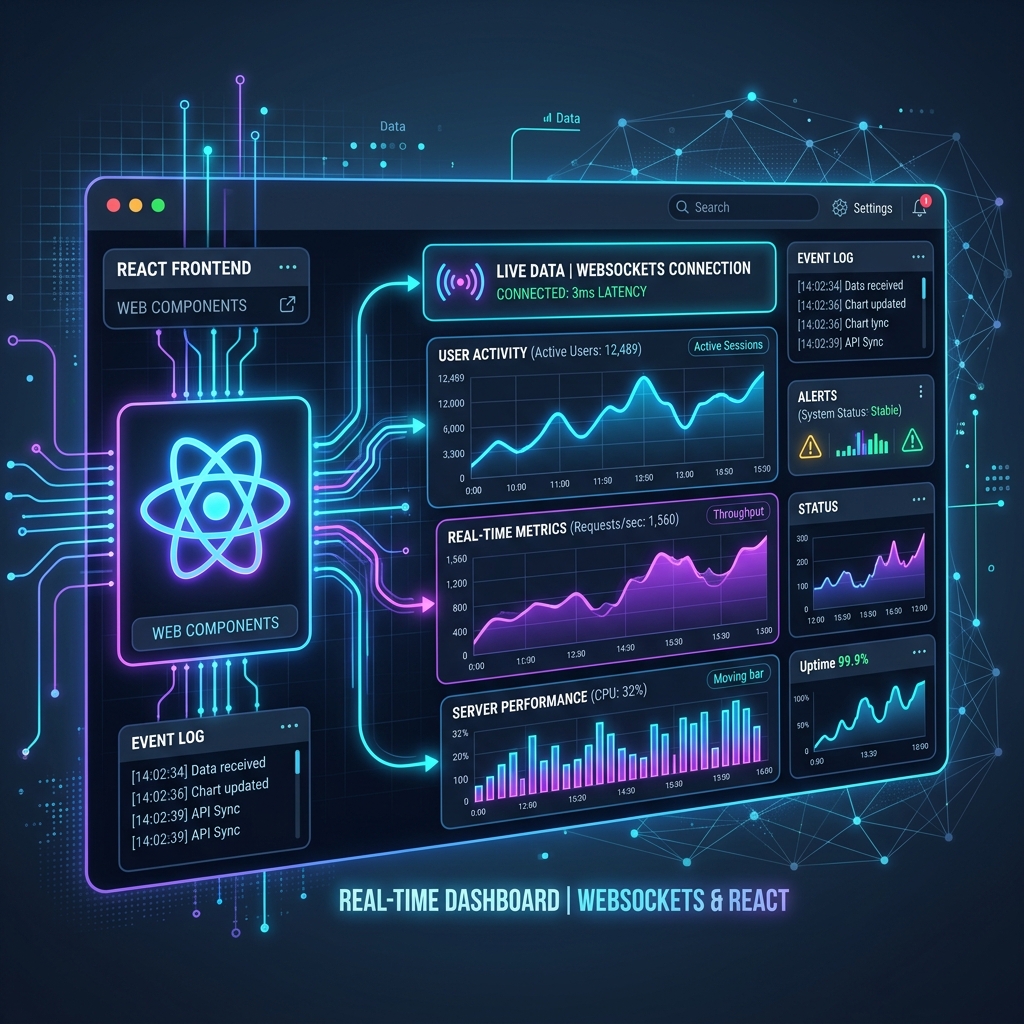
Even with the best architecture, things can go wrong. Proactive monitoring and alerting are vital for maintaining education platform performance and addressing issues before they impact users.
Comprehensive Observability
Implementing a robust observability stack – including logging, metrics, and tracing – allows developers to understand system behavior, diagnose problems, and identify performance bottlenecks. Tools like Prometheus, Grafana, ELK Stack (Elasticsearch, Logstash, Kibana), or cloud-native solutions (AWS CloudWatch, Azure Monitor) are invaluable.
Automated Scaling and Disaster Recovery
Leveraging cloud elasticity with auto-scaling groups for compute resources and managed database services ensures the system can dynamically adjust to varying loads. A well-defined disaster recovery plan, including regular backups, multi-region deployments, and failover mechanisms, is critical for business continuity and edtech high availability. Companies like ApplyBoard rely heavily on such cloud infrastructure to handle their global operations.
Key Takeaways
- Embrace Microservices: Break down monolithic applications into smaller, manageable services for scalability and resilience.
- Prioritize Asynchronous Processing: Use message queues to decouple tasks, improve response times, and enhance system stability.
- Adopt Polyglot Persistence: Choose the right database for the right job (SQL for relations, NoSQL for flexibility, object storage for files).
- Optimize Frontend for Speed: Implement PWAs, optimistic UI, and aggressive caching to deliver a superior user experience.
- Security First: Bake in authentication, authorization, encryption, and auditing from day one.
- Monitor Everything: Implement comprehensive observability and automated scaling to proactively manage system health and performance.
FAQ
Q1: What's the biggest bottleneck when scaling an EdTech application submission system?
A1: Often, the biggest bottleneck is the database, especially during peak write operations. Inefficient queries, lack of proper indexing, or a monolithic database struggling with high concurrent connections can quickly degrade performance. Asynchronous processing and database sharding are crucial mitigations.
Q2: How do you handle large file uploads (e.g., student transcripts) efficiently?
A2: For large file uploads, it's best to offload them directly to object storage services like AWS S3 or Azure Blob Storage, often using pre-signed URLs. This bypasses your application server, reducing load and improving upload speeds. Your application then only stores the reference (URL) to the file.
Q3: Is serverless architecture suitable for high-volume student applications edtech?
A3: Yes, serverless architectures (e.g., AWS Lambda, Azure Functions) are excellent for event-driven, high-volume workloads. They inherently scale based on demand, reducing operational overhead and cost for bursty traffic patterns common in EdTech. They pair very well with asynchronous messaging.
Q4: How do you ensure data consistency across multiple microservices?
A4: Ensuring data consistency in a microservices architecture often involves the "Saga pattern" or eventual consistency. Instead of immediate, global ACID transactions, services communicate via events, and each service maintains its own consistent state. Compensation actions are used to revert operations if a later step fails.
Q5: What role does AI play in managing high-volume applications?
A5: AI can play a significant role in automating and enhancing application processing. This includes AI-powered document verification (e.g., checking transcript authenticity), intelligent routing of applications to the right reviewers, chatbot support for applicants, and predictive analytics for admissions trends. This can drastically improve efficiency in application processing at scale.
Looking to build an EdTech platform, student CRM, or admission management system? I specialize in developing scalable education technology solutions using Laravel, React, and cloud infrastructure. Whether you're a study-abroad agency, EdTech startup, or university looking for custom software development, blank" rel="noopener noreferrer" style="color: var(--primary); text-decoration: none; border-bottom: 1px dashed var(--primary);">let's discuss your project. Check out my portfolio and technical expertise to see how I can help bring your vision to life.