How to Build a Multi-Language Website with i18n: Complete Internationalization Guide 2026
The global digital landscape is more interconnected than ever. In 2026, a staggering 75% of internet users are expected to be non-English speakers, according to recent market projections. This trend underscores a critical truth for businesses and developers alike: if your website isn't speaking your audience's language, you're missing out on a massive opportunity. Building a multi-language website isn't just a nice-to-have; it's a fundamental requirement for global reach, improved user experience, and competitive advantage.
As a full-stack developer with over a decade of experience building scalable web applications, I've seen firsthand the complexities and rewards of proper internationalization (i18n). From e-commerce platforms serving diverse markets to SaaS products aiming for global adoption, the principles of i18n and localization (l10n) are paramount. This comprehensive guide will walk you through the practical steps, best practices, and essential tools to implement a robust multi-language website in 2026, focusing on modern frameworks and real-world scenarios. We'll dive deep into everything from initial setup to dynamic content translation, ensuring your site is ready for a truly global audience.
Understanding Internationalization (i18n) and Localization (l10n)
Before we get our hands dirty with code, it's crucial to differentiate between internationalization (i18n) and localization (l10n), as these terms are often used interchangeably but represent distinct processes.
What is Internationalization (i18n)?
Internationalization is the process of designing and developing a product, application, or document content in such a way that it can be easily adapted to specific local languages and cultures without requiring major engineering changes. The "18" in i18n stands for the 18 letters between 'i' and 'n'. It's about making your codebase ready for multiple languages and locales. This includes abstracting strings, handling date/time formats, currencies, and ensuring your UI can adapt to different text directions (e.g., LTR vs. RTL).
What is Localization (l10n)?
Localization is the process of adapting an internationalized product for a specific locale or market. The "10" in l10n stands for the 10 letters between 'l' and 'n'. This involves translating text, adapting graphics, customizing features, and ensuring cultural appropriateness for a particular region. For example, localizing a website for the German market means translating all content into German, using the correct date and currency formats, and possibly adapting images or cultural references.
Key Difference: i18n is about preparing your application for localization, while l10n is the actual adaptation for a specific locale. You internationalize once and localize many times.
Architectural Considerations for Multi-Language Support
Building a multi-language website requires thoughtful architectural decisions from the outset. Retrofitting i18n into an existing, non-internationalized application can be significantly more challenging and costly.
Choosing the Right i18n Library or Framework
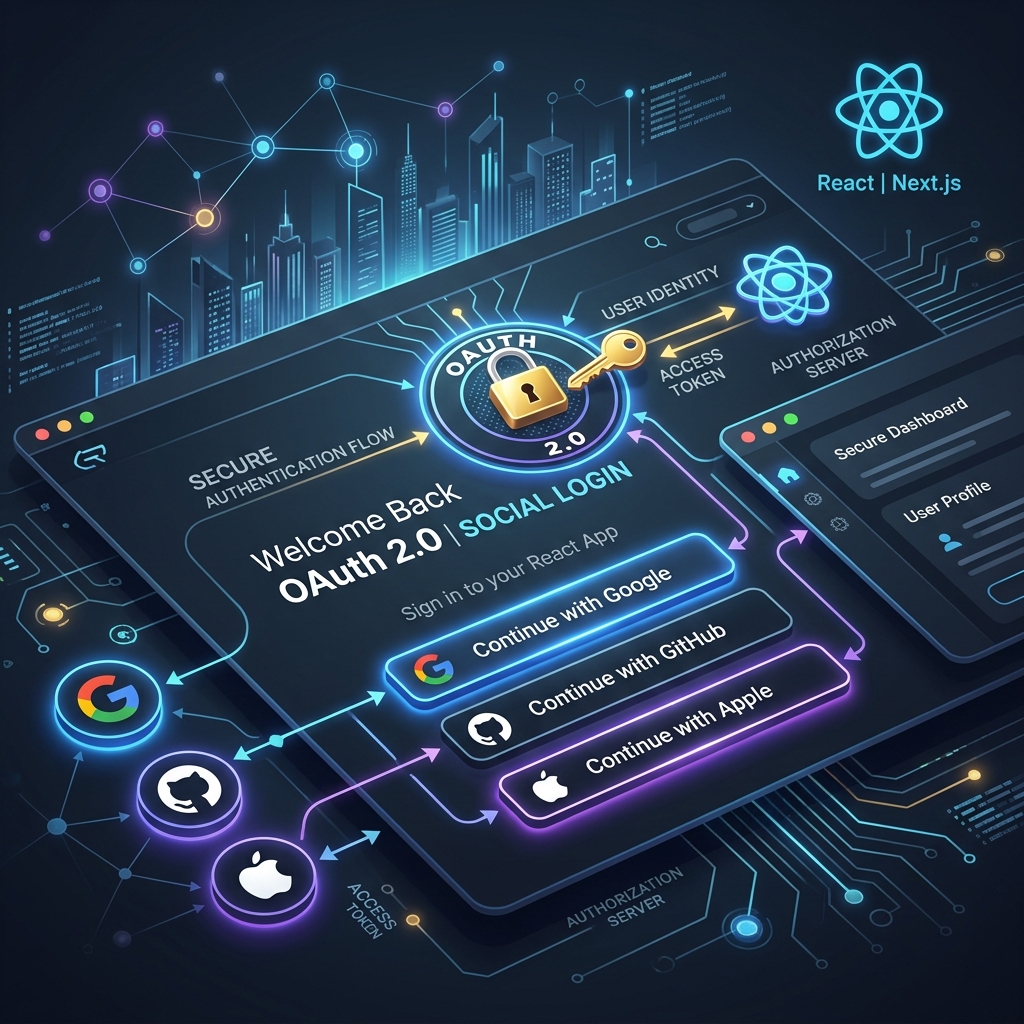
The choice of i18n library often depends on your frontend and backend technology stack. For JavaScript-heavy applications like those built with React or Next.js, popular choices include i18next and next-intl. For PHP-based backends like Laravel, built-in solutions or community packages are available.
- i18next: A highly versatile internationalization framework for JavaScript. It's framework-agnostic and can be used with React, Vue, Angular, and even plain JavaScript. Its plugin-based architecture allows for extensive customization, including loading translations from various sources, formatting, and caching.
- next-intl: Specifically designed for Next.js applications,
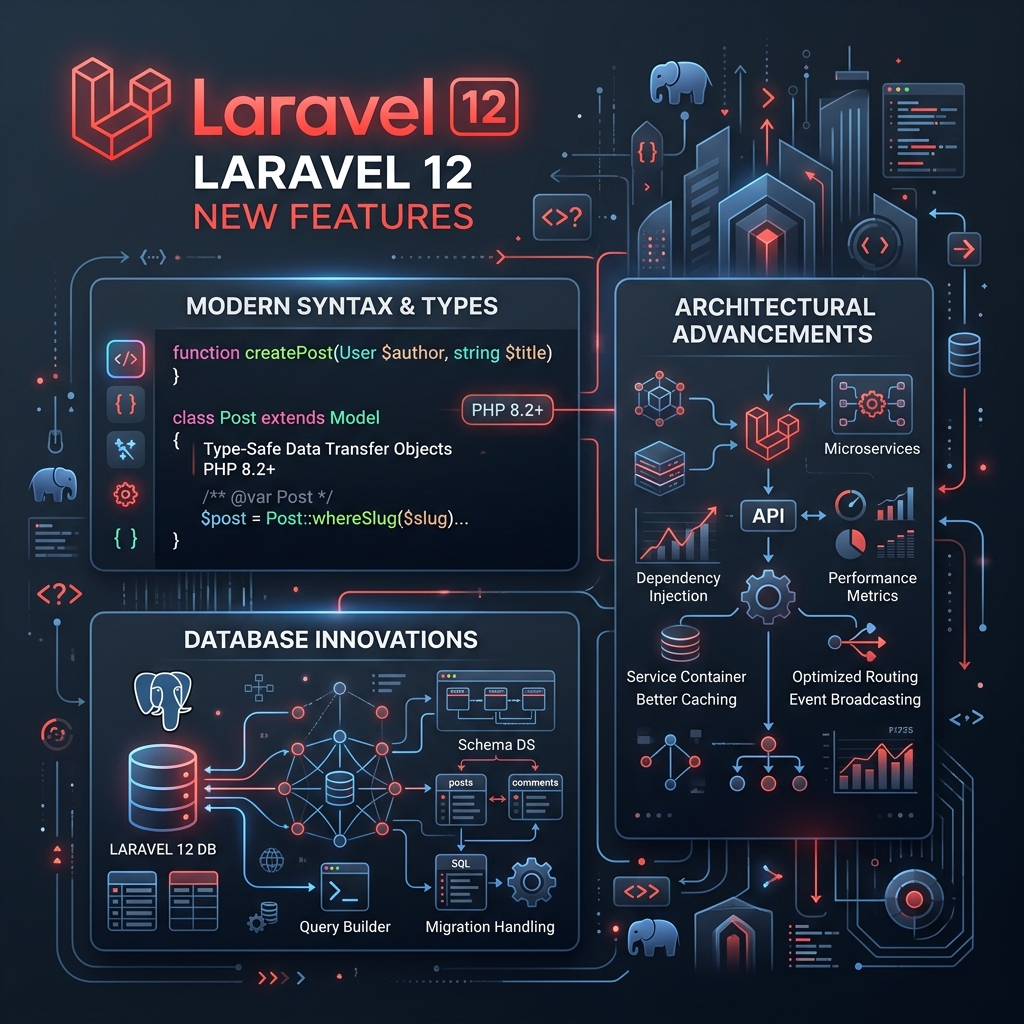
next-intlleverages React Server Components and provides excellent performance optimizations, including static generation of translations. It integrates seamlessly with Next.js routing for locale management. - Laravel Localization: Laravel offers robust built-in support for localization using language files (PHP arrays or JSON files) and helper functions like
('message')or@lang('message').
URL Structure for Locale Management
How you structure your URLs plays a significant role in SEO and user experience. Common approaches include:
- Subdirectories:
example.com/en/product,example.com/fr/product. This is generally the most recommended approach for SEO, as search engines clearly see separate content for each language. - Subdomains:
en.example.com/product,fr.example.com/product. Also good for SEO, but can sometimes be more complex to set up with DNS and SSL certificates. - Query Parameters:
example.com/product?lang=en,example.com/product?lang=fr. Less ideal for SEO as search engines might treat?lang=enand?lang=fras duplicate content, and URLs are less user-friendly. - Top-Level Domains (TLDs):
example.com(for the US market),example.co.uk(for the UK market),example.fr(for the French market). This is the best for geo-targeting but requires managing multiple domains, which can be expensive and complex.
For most projects, subdirectories offer the best balance of SEO benefits and implementation simplicity. Remember to use hreflang tags in your HTML to inform search engines about alternate language versions of your pages.
<!-- Example hreflang implementation -->
<link rel="alternate" href="https://www.example.com/en/page" hreflang="en" />
<link rel="alternate" href="https://www.example.com/fr/page" hreflang="fr" />
<link rel="alternate" href="https://www.example.com/de/page" hreflang="de" />
<link rel="alternate" href="https://www.example.com/x-default" hreflang="x-default" />
The x-default tag indicates the default language or country selector page when no other language matches the user's browser settings.
Implementing Internationalization with Modern Frameworks
Let's dive into practical implementation examples using popular frameworks.
React Internationalization with next-intl (Next.js)
For Next.js applications, next-intl is an excellent choice due to its tight integration and performance benefits.
1. Installation:
npm install next-intl
2. Configuration (next.config.js):
    const withNextIntl = require('next-intl/plugin')();

    /** @type {import('next').NextConfig} */
    const nextConfig = withNextIntl({
      reactStrictMode: true,
      i18n: {
        locales: ['en', 'fr', 'de'],
        defaultLocale: 'en',
        localeDetection: false, // Often better to handle detection manually
      },
    });

    module.exports = nextConfig;
This configuration sets up your locales and default language.
3. Translation Files: Create JSON files for each locale, e.g., messages/en.json, messages/fr.json.
    // messages/en.json
    {
      "HomePage": {
        "title": "Welcome to our Multi-Language Site",
        "description": "Explore our services in your preferred language."
      },
      "Common": {
        "hello": "Hello, {name}!"
      }
    }
    // messages/fr.json
    {
      "HomePage": {
        "title": "Bienvenue sur notre site multilingue",
        "description": "Découvrez nos services dans votre langue préférée."
      },
      "Common": {
        "hello": "Bonjour, {name}!"
      }
    }
4. Usage in Components:
    // app/[locale]/layout.tsx (Server Component)
    import { NextIntlClientProvider } from 'next-intl';
    import { getMessages } from 'next-intl/server';

    export default async function LocaleLayout({
      children,
      params: { locale }
    }: {
      children: React.ReactNode;
      params: { locale: string };
    }) {
      // Providing all messages to the client
      // side is the easiest way to get started
      const messages = await getMessages();

      return (
        <html lang={locale}>
          <body>
            <NextIntlClientProvider messages={messages}>
              {children}
            </NextIntlClientProvider>
          </body>
        </html>
      );
    }
    // app/[locale]/page.tsx (Client Component)
    'use client';

    import { useTranslations } from 'next-intl';

    export default function HomePage() {
      const t = useTranslations('HomePage'); // Namespace your translations

      return (
        <div>
          <h1>{t('title')}</h1>
          <p>{t('description')}</p>
          <p>{t('Common.hello', { name: 'John' })}</p>
          <a href="/fr">Switch to French</a>
        </div>
      );
    }
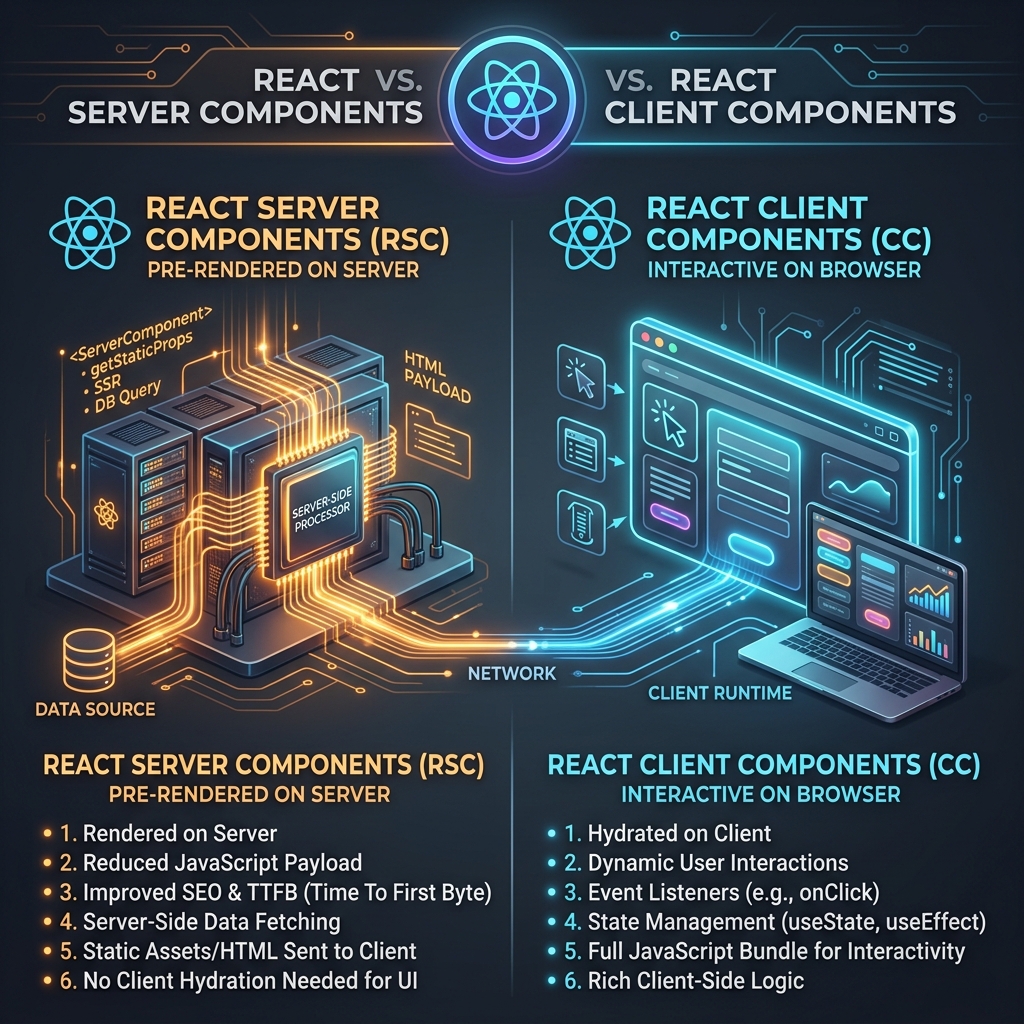
This example demonstrates how to set up next-intl in a Next.js App Router project, loading messages on the server and using them in client components.
Laravel Localization
Laravel provides excellent out-of-the-box support for localization.
1. Language Files: Create directories for each language within resources/lang, e.g., resources/lang/en/messages.php, resources/lang/fr/messages.php.
    // resources/lang/en/messages.php
    <?php

    return [
        'welcome' => 'Welcome to our application!',
        'greeting' => 'Hello, :name!',
        'products' => 'Our Products',
    ];
    // resources/lang/fr/messages.php
    <?php

    return [
        'welcome' => 'Bienvenue sur notre application !',
        'greeting' => 'Bonjour, :name !',
        'products' => 'Nos produits',
    ];
2. Retrieving Translation Strings:
    // In a Blade template
    <p>@lang('messages.welcome')</p>
    <p>@lang('messages.greeting', ['name' => 'Alice'])</p>

    // In PHP code
    echo __('messages.welcome');
    echo __('messages.greeting', ['name' => 'Bob']);
3. Setting the Locale: You can set the locale dynamically based on user preferences, URL segment, or browser headers.
    // In a middleware (e.g., app/Http/Middleware/SetLocale.php)
    namespace App\Http\Middleware;

    use Closure;
    use Illuminate\Http\Request;
    use Illuminate\Support\Facades\App;

    class SetLocale
    {
        public function handle(Request $request, Closure $next)
        {
            // Example: Get locale from URL segment (e.g., /fr/home)
            $locale = $request->segment(1);

            if (in_array($locale, ['en', 'fr', 'de'])) {
                App::setLocale($locale);
            } else {
                // Fallback to default locale if not found or invalid
                App::setLocale(config('app.locale'));
            }

            return $next($request);
        }
    }
Register this middleware in app/Http/Kernel.php and apply it to relevant routes.
Advanced Localization Techniques and Best Practices
Going beyond basic text translation, true localization involves several other considerations to provide a truly native experience.
Handling Dates, Times, Currencies, and Numbers
Different locales have different conventions for formatting these essential data types. Always use i18n-aware libraries for this.
- JavaScript: Use the
Intlobject (part of the ECMAScript Internationalization API) which provides constructors forIntl.DateTimeFormat,Intl.NumberFormat, andIntl.RelativeTimeFormat.
    const date = new Date();
    console.log(new Intl.DateTimeFormat('en-US').format(date)); // 1/23/2026
    console.log(new Intl.DateTimeFormat('fr-FR').format(date)); // 23/01/2026

    const amount = 123456.789;
    console.log(new Intl.NumberFormat('en-US', { style: 'currency', currency: 'USD' }).format(amount)); // $123,456.79
    console.log(new Intl.NumberFormat('de-DE', { style: 'currency', currency: 'EUR' }).format(amount)); // 123.456,79 €
Illuminate\Support\Number and Illuminate\Support\Carbon classes, combined with PHP's intl extension, provide powerful formatting capabilities.
    use Illuminate\Support\Number;
    use Carbon\Carbon;

    // Set locale for Carbon
    Carbon::setLocale('fr');
    echo Carbon::now()->isoFormat('LLLL'); // jeudi 23 janvier 2026 14:30

    // Format number
    echo Number::currency(1234.56, 'EUR', 'fr'); // 1 234,56 €
Dynamic Content and Database Localization
For content managed by users (e.g., blog posts, product descriptions), storing translations directly in the database is often necessary.
- Separate Tables: A common approach is to have a main table (e.g.,
products) and a relatedproduct_translationstable.
    CREATE TABLE products (
        id INT PRIMARY KEY AUTO_INCREMENT,
        sku VARCHAR(255) NOT NULL,
        price DECIMAL(10, 2) NOT NULL
    );

    CREATE TABLE product_translations (
        id INT PRIMARY KEY AUTO_INCREMENT,
        product_id INT NOT NULL,
        locale VARCHAR(5) NOT NULL,
        name VARCHAR(255) NOT NULL,
        description TEXT,
        FOREIGN KEY (product_id) REFERENCES products(id) ON DELETE CASCADE,
        UNIQUE (product_id, locale)
    );
This allows you to fetch content specific to the active locale. Laravel packages like spatie/laravel-translatable can simplify this process.
SEO for Multi-Language Websites
Beyond hreflang tags, consider these SEO aspects:
- Localized Keywords: Translating keywords isn't enough; you need to research and use keywords that are actually searched in each target locale.
- Localized Content: Don't just translate; adapt content to the cultural nuances of the target audience.
- Google Search Console: Verify all language versions of your site in Google Search Console.
- Sitemaps: Create separate sitemaps for each language or include all
hreflangannotations within a single sitemap.
For a deeper dive into SEO best practices, check out my article on Advanced SEO Strategies for Web Developers.
Tools and Services for Streamlined Localization
Manual translation and management of language files can quickly become overwhelming. Leverage specialized tools.
Translation Management Systems (TMS)
TMS platforms (e.g., Phrase, Smartling, Lokalise) streamline the entire localization workflow. They offer features like:
- Centralized Translation Memory: Reuses previously translated segments, ensuring consistency and reducing costs.
- Glossaries: Maintains terminology consistency across all content.
- Machine Translation Integration: Provides quick drafts that human translators can refine.
- Workflow Management: Assigns tasks to translators, reviewers, and project managers.
- API for Automation: Integrates with your CI/CD pipeline to automate translation file updates.
Integrating a TMS can significantly reduce the time and effort required for ongoing website localization, especially for dynamic content or large projects. I've personally used these systems on several large-scale projects, and the efficiency gains are substantial. For instance, in an e-commerce platform I built, integrating Lokalise allowed us to manage product descriptions and marketing copy for 8 different languages with a small team, ensuring rapid deployment of new features across all markets. You can find more details on my portfolio projects.
Content Delivery Networks (CDNs) for Global Performance
When serving a global audience, latency becomes a major concern. CDNs like Cloudflare or AWS CloudFront cache your website's static assets (images, CSS, JS) at edge locations worldwide, delivering content to users from the nearest server. This significantly improves load times, leading to a better user experience, which in turn positively impacts SEO rankings.
Key Takeaways
- Internationalization (i18n) prepares your application for multiple languages; Localization (l10n) is the adaptation process.
- Choose i18n libraries (e.g.,
next-intl,i18next, Laravel's built-in features) that align with your tech stack. - Adopt SEO-friendly URL structures, with subdirectories being generally recommended. Always use
hreflangtags. - Handle dates, times, currencies, and numbers using i18n-aware formatting tools.
- For dynamic content, implement database-level localization.
- Leverage Translation Management Systems (TMS) for efficient translation workflows and CDNs for global performance